
Artist
Public Enemy
Long Island, United States · Formed 1985
Public Enemy is a music group from Long Island, United States, active since 1985. Their discography on Gatefold includes 24 records.

47
Albums tracked
384
In collections
1985
Since
Biography
Hank Shocklee built the Bomb Squad production unit because he hated the clean, polite space on mid-80s hip-hop records. He grabbed the E-mu SP-1200 sampler, maxed out its limited memory, and shoved dozens of discordant loops into single tracks. Chuck D stepped up with a booming, baritone delivery patterned after legendary radio announcers, while Flavor Flav balanced the heavy political weight with chaotic, trickster energy. Together, they made records that sounded like a physical assault, turning found sound and turntable noise into dense, polyrhythmic concrete. By the mid-90s, the legal system killed their signature method. Sampling clearances became prohibitively expensive, forcing the band to lean on live instrumentation and less abrasive arrangements. While the lyricism remained sharp, the sheer sonic chaos of the early days was gone, leading to some bloated, uneven projects. But on their best days, that tension between Chuck's relentless authority and the Bomb Squad's wall of noise defined the parameters of what political music could achieve.
Bio from The Clerk
The Arc of Public Enemy
The pivots — what forced Public Enemy to reinvent.
The Bomb Squad Noise Collage
Between 1987 and 1990, the production team of Hank and Keith Shocklee, Eric Sadler, and Chuck D rewrote the rules of sampling. They loaded up the SP-1200 and Akai S900 to layer fragments of James Brown, Slayer, and screaming sirens into a dense wall of noise. You hear this peak chaos on 'It Takes a Nation of Millions to Hold Us Back,' where tracks are built from dozens of conflicting samples pitched up and shoved together. It was a deliberate rejection of the sparse, drum-machine-heavy hip-hop that dominated the radio at the time.
The Metal Cross-Pollination
By 1991, the group was looking to expand their sonic aggression, leading to a direct collaboration with thrash metal outfit Anthrax on a re-recording of 'Bring the Noise.' This move brought heavy guitar riffs and double-bass drums into their sound on 'Apocalypse 91... The Enemy Strikes Black.' The transition wasn't just a gimmick. It opened up a massive crossover audience, proving that the abrasive energy of hip-hop could match the intensity of the loudest metal bands in the world.
The Post-Sample Pivot
The 1991 Grand Upright Music v. Warner Bros. Records lawsuit changed everything, making the dense, multi-sample style of the Bomb Squad legally impossible to produce without massive payouts. On 1994's 'Muse Sick-N-Hour Mess Age,' the group had to shift toward live instrumentation and cleaner, more straightforward loops. The album lacks the claustrophobic, thrilling panic of their early records. It marks the moment the band had to survive on Chuck's lyricism alone rather than the innovative noise that built them.
Influences
- The Clash — Chuck D frequently cited the British punk outfit as a blueprint for how a band could carry a radical political message while touring the world. You hear this influence in the militant presentation, the us-against-them attitude, and the aggressive, fast-tempo delivery of their early singles.
- James Brown — The Godfather of Soul is the literal DNA of Public Enemy, with the Bomb Squad utilizing his grunts, drum breaks, and horn stabs as foundational loops. On 'Fight the Power,' the rhythm track relies heavily on the vocal grunts and drum patterns sampled directly from Brown's discography.
- Gil Scott-Heron — His spoken-word poetry and sharp critique of media and white supremacy laid the lyrical groundwork for Chuck D's rhyming style. The spoken-word delivery and focus on systemic racism on tracks like 'Show 'Em Whatcha Got' stem directly from Scott-Heron's direct, uncompromising vocal style.
- Run-D.M.C. — The stripped-down, aggressive vocal delivery of Joseph Simmons and Darryl McDaniels showed Chuck D that hip-hop could be loud, heavy, and confrontational. You hear this influence in the shouting, tag-team vocal delivery between Chuck D and Flavor Flav, which mimics the back-and-forth energy of the Queens trio.
- Isaac Hayes — The lush, dramatic string arrangements and heavy horns of Hayes's Stax Records catalog were repeatedly chopped up by the Bomb Squad to create tension. The haunting, looping horn line that drives 'Abusey Junction' and 'Black Steel in the Hour of Chaos' is built directly on a pitched-down sample of Hayes's 'Hyperbolicsyllabicsesquedalymistic.'
Discography
Their records — most-collected first.
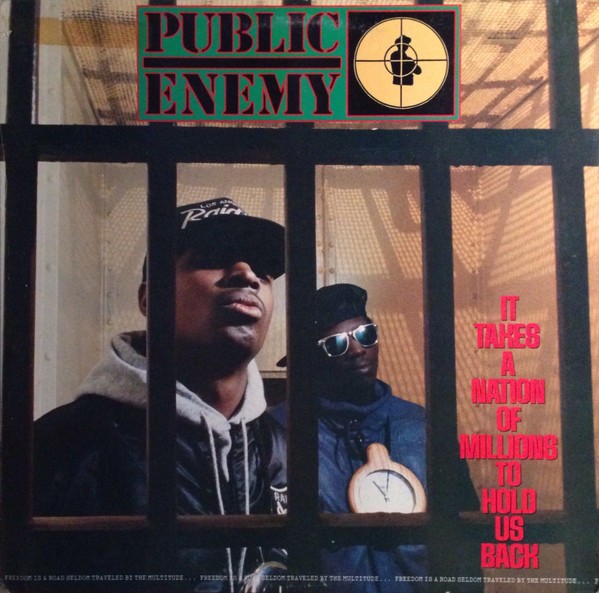
It Takes A Nation Of Millions To Hold Us Back
1988
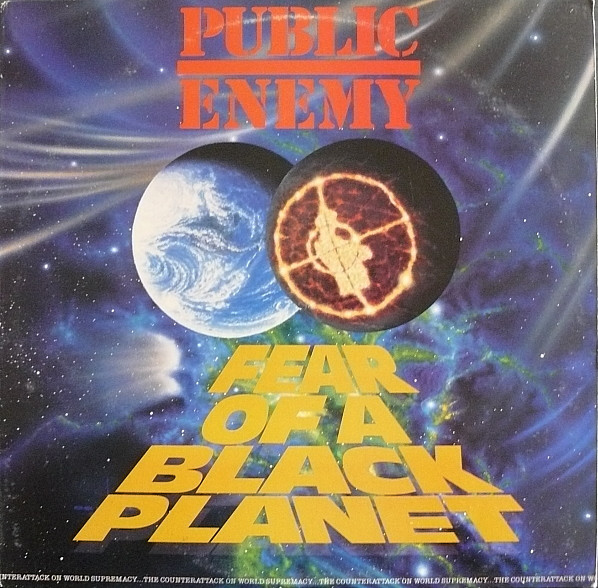
Fear Of A Black Planet
1990
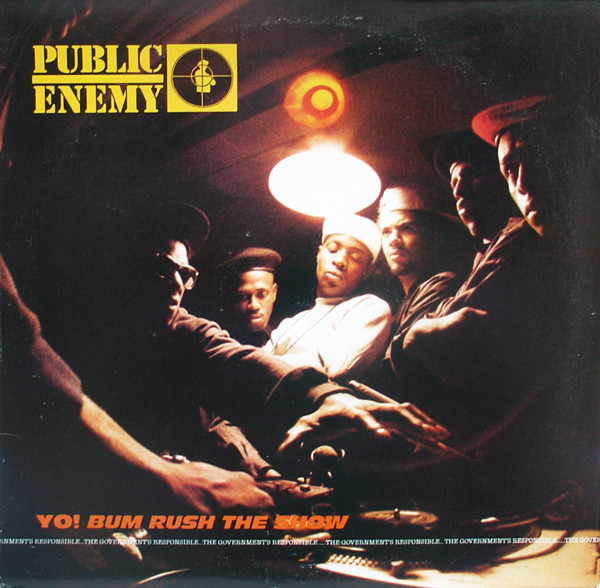
Yo! Bum Rush The Show
1987
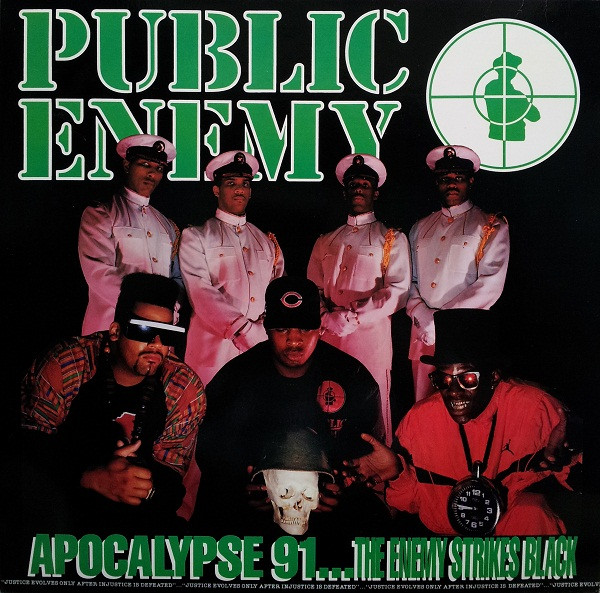
Apocalypse 91... The Enemy Strikes Black
1991

Muse Sick-N-Hour Mess Age
1994

He Got Game
1998
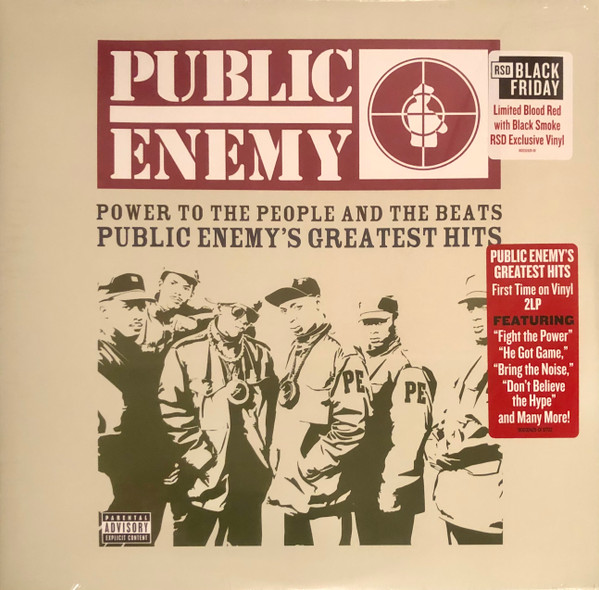
Power To The People And The Beats (Public Enemy's Greatest Hits)
2005
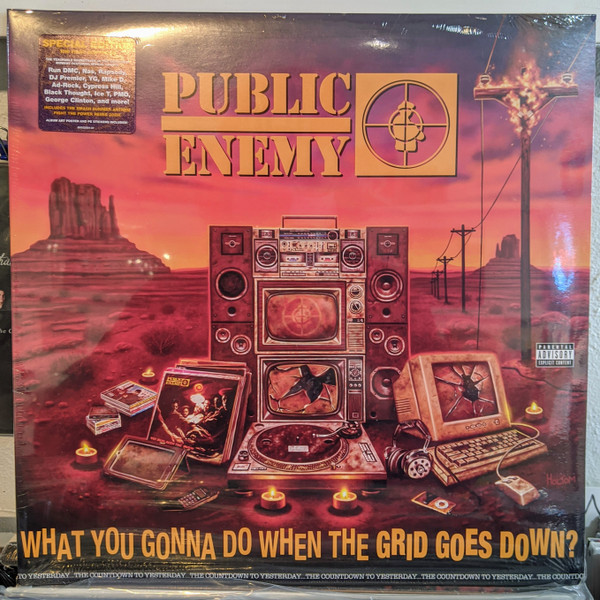
What You Gonna Do When The Grid Goes Down?
2020
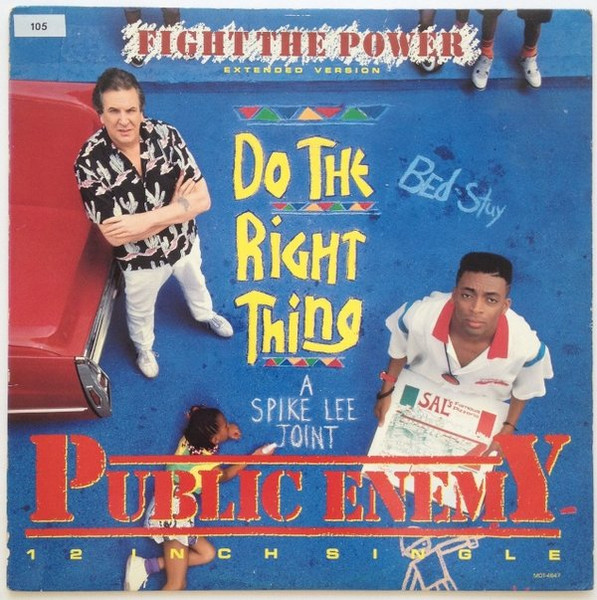
Fight The Power (Extended Version)
1989

Greatest Misses
1992

Welcome To The Terrordome
1989
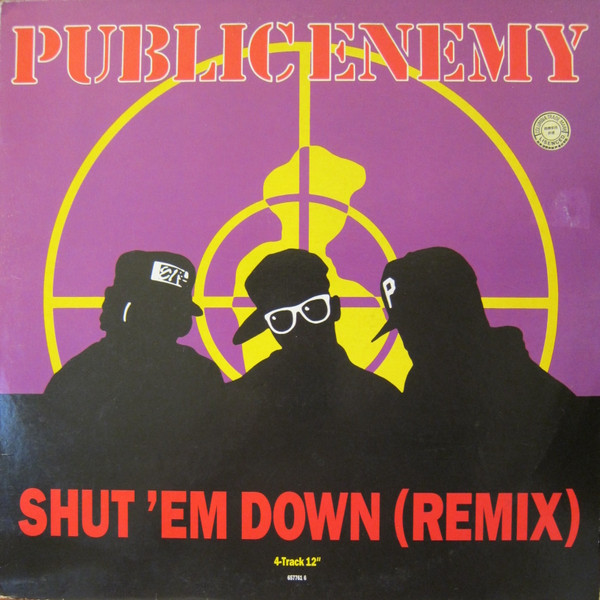
Shut Em Down
1991

Night Of The Living Baseheads
1988
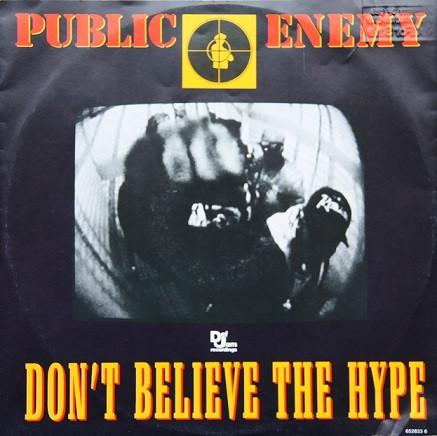
Don't Believe The Hype / Prophets Of Rage
1988

Revolverlution Tour 2003
2024

New Whirl Odor
2005

There's A Poison Goin On....
1999
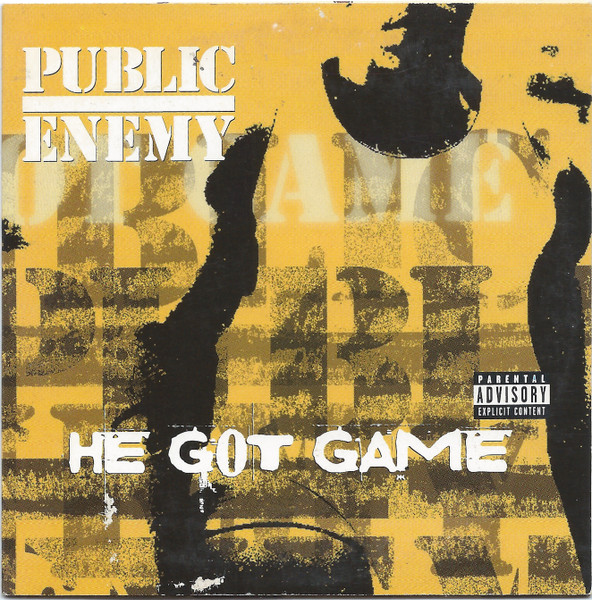
He Got Game
1998
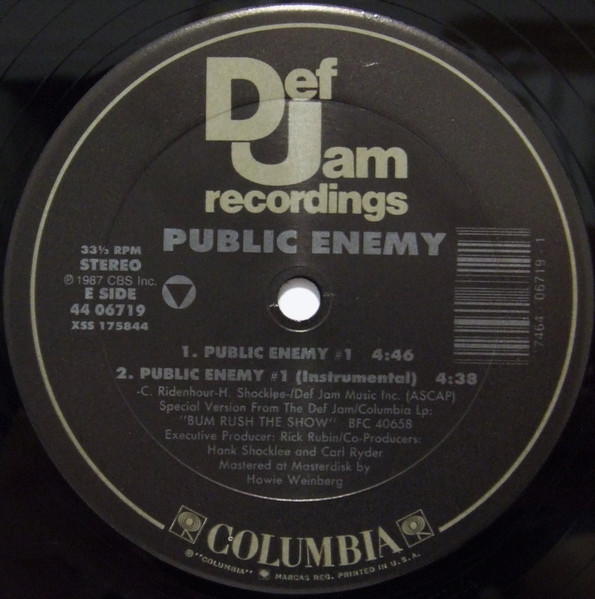
Public Enemy #1
1987
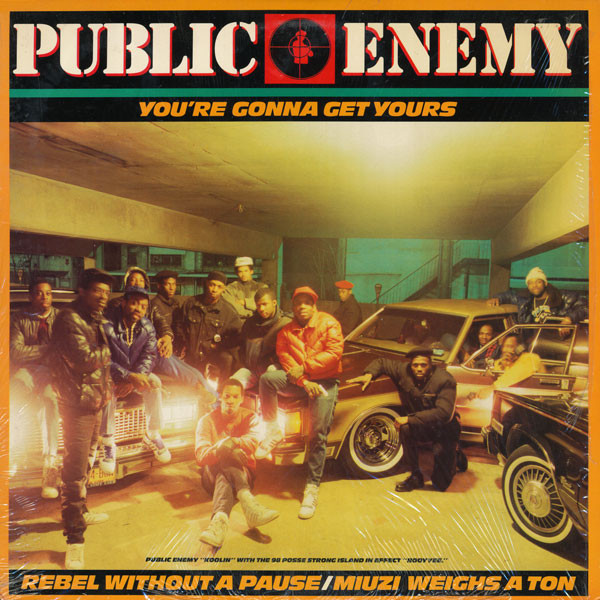
You're Gonna Get Yours / Rebel Without A Pause / Miuzi Weighs A Ton
1987

Live From Metropolis Studios
2015

Most Of My Heroes Still Don't Appear On No Stamp
2012

Revolverlution
2002
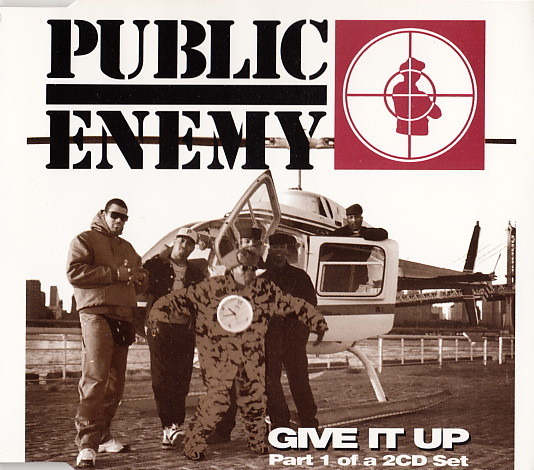
Give It Up
1994
Related artists
Members
Frequent collaborators
Around the web
Follow every record they touch.
Start your shelf and Gatefold tracks Public Enemy's new pressings, tour dates, and the whole discography — automatically.
Start your shelf →Free forever. Works with 10 records or 10,000.