
Artist
Moby
Harlem, United States · b. 1965
Moby is a musician from Harlem, United States, active since 1965. Their discography on Gatefold includes 24 records.

44
Albums tracked
283
In collections
1965
Since
Biography
Before he was licensing every single track on a diamond-certified record to car commercials, Richard Melville Hall was sleeping on a semi-demolished factory floor in Connecticut. He was running a basic setup with an Akai S900 sampler and a cheap mixing board, churning out brutal rave anthems that ran at 140 beats per minute. He took a Twin Peaks sample on "Go" and rode it straight into the UK Top Ten, proving that a punk kid from the hardcore scene could hijack British dance culture from a bedroom studio. Then he almost killed his career by picking up a guitar. The mid-90s shift to abrasive punk was a commercial suicide note that alienated his core rave audience. But that absolute failure is the only reason we got his biggest record. He was broke, depressed, and convinced he was making his final album when he sat in his Manhattan apartment looping old field recordings from Alan Lomax's archive. It was a Hail Mary that accidentally redefined how the mainstream processed electronic music in the new millennium.
Bio from The Clerk
The Arc of Moby
The pivots — what forced Moby to reinvent.
The Hardcore Rave Catalyst
Between 1990 and 1993, Moby operated as a speed-obsessed techno producer for Instinct Records. Armed with minimal outboard gear and a deep knowledge of NY club culture, he made tracks designed to melt warehouse sound systems. This era peaked with "Go," where he chopped up Angelo Badalamenti's synth line and laid it over a frantic breaks skeleton. You hear the raw energy of early rave before the major labels figured out how to package it.
The Punk Self-Sabotage
In 1996, exhausted by the dance scene, he threw a massive curveball with Animal Rights. He abandoned the samplers for loud guitars, screaming vocals, and a cover of Mission of Burma's "That's When I Reach for My Revolver." The album was a massive commercial flop that got him dropped from festival lineups and left him playing to empty rooms. Yet, this aggressive palate cleanser was a necessary purge that broke him out of the techno-producer box.
The Lomax Loop Era
Devastated by his mother's death and his career slide, he spent 1998 in his Little Italy apartment piecing together Play. He ran vocal stems of southern gospel and blues singers from Alan Lomax's Portrait of the United States box set through his Roland sampler, layering them over melancholic trip-hop beats. V2 Records didn't know how to market it, so they licensed every single track to movies, television, and commercials. It became an inescapable global soundtrack because those ancient, dusty vocals carried an emotional weight his clean synths never could.
Influences
- Joy Division — Moby has repeatedly cited Joy Division as his favorite band of all time, even performing live covers of "New Dawn Fades" with New Order. You hear their cold, driving post-punk basslines and detached melancholy buried deep under the upbeat drum machines of his early electronic tracks.
- Bessie Jones — Moby directly sampled her a cappella recording of "Sometimes" for his massive hit "Honey." Her powerful, unvarnished vocal delivery from the Georgia Sea Island Singers provides the entire melodic and emotional hook of the track. It proved that 1930s field recordings could drive a modern dance floor.
- Mission of Burma — Moby covered their post-punk anthem "That's When I Reach for My Revolver" as the lead single for his 1996 album Animal Rights. Their jagged guitar style and aggressive, non-linear songwriting directly informed his mid-90s pivot away from rave culture. He traded his samplers for the physical grit of Boston underground rock.
- Angelo Badalamenti — Moby famously used Badalamenti's haunting synth theme from Twin Peaks for his breakthrough single "Go." By speeding up the chords and laying them over a heavy bassline, he bridged the gap between avant-garde television scoring and UK rave culture. The entire track relies on Badalamenti's dark, cinematic tension.
- Vera Hall — Her 1959 recording of "Trouble So Hard" was discovered by Moby on an Alan Lomax compilation and became the backbone of "Natural Blues." Her solitary, haunting vocal stem was looped almost entirely unaltered over his synthetic piano chords. The contrast between her raw human pain and his clean digital production became his signature formula.
Discography
Their records — most-collected first.
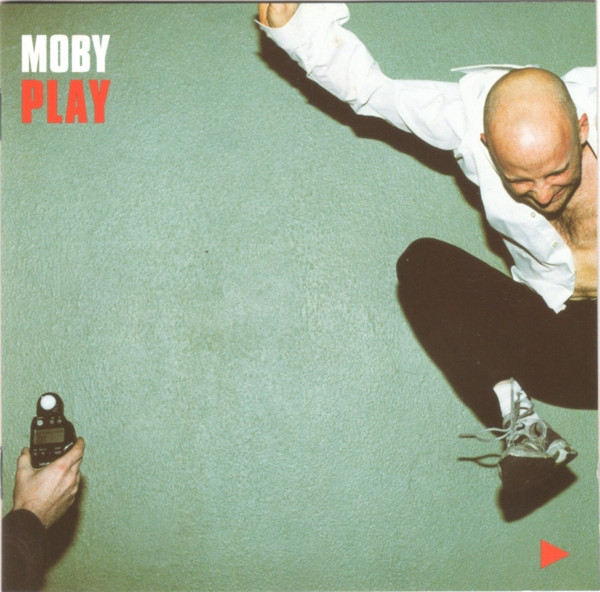
Play
1999
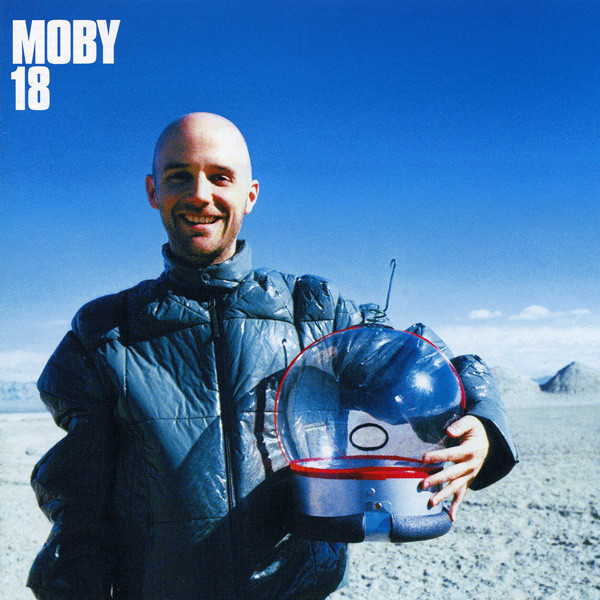
18
2002

Everything Is Wrong
1995

Hotel
2005

Animal Rights
1996
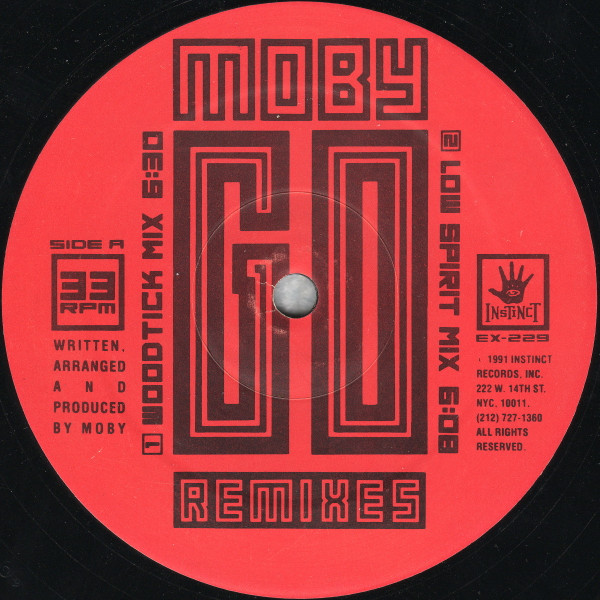
Go
1991
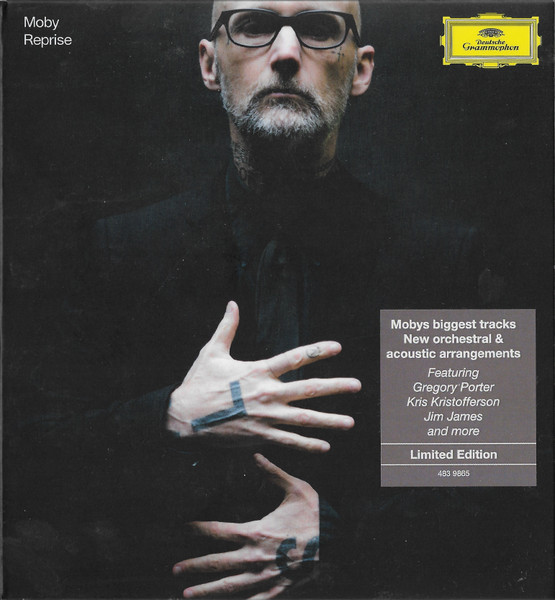
Reprise
2021
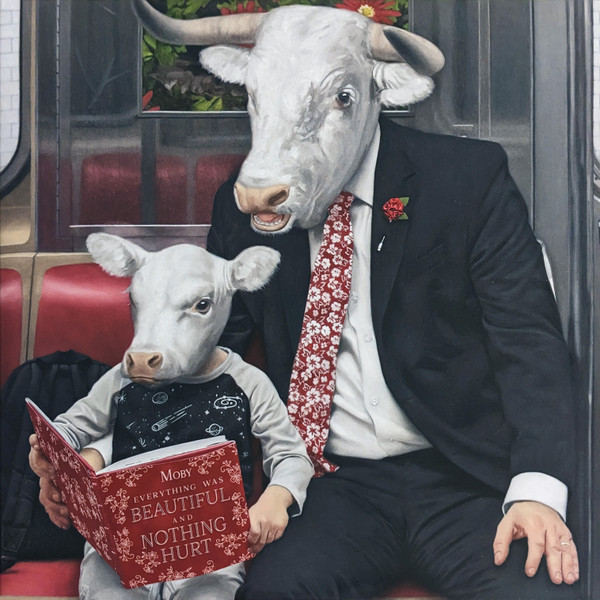
Everything Was Beautiful, And Nothing Hurt
2018

I Like To Score
1997

Wait For Me
2009

We Are All Made Of Stars
2002

Innocents
2013

Play: The B Sides
2000

Porcelain
2000

Ambient
1993

Resound NYC
2023
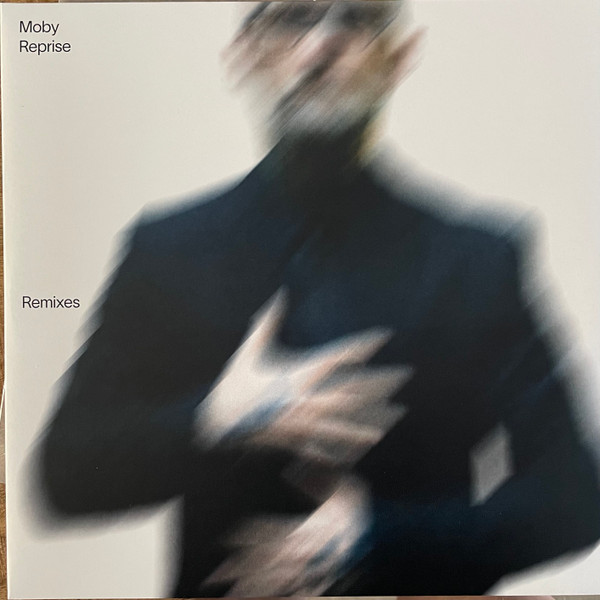
Reprise Remixes
2022
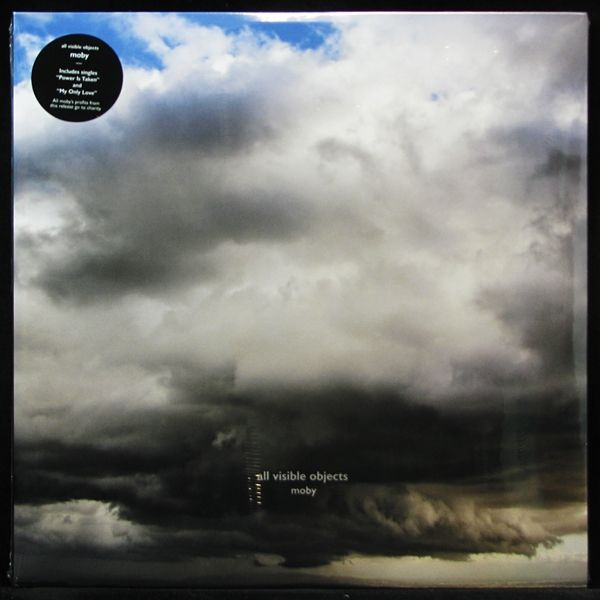
All Visible Objects
2020

Last Night
2008

Mobysongs 1993-1998
2000

James Bond Theme (Moby's Re-Version)
1997

Moby
1992

Future Quiet
2026

Destroyed
2011
Related artists
Around the web
Follow every record they touch.
Start your shelf and Gatefold tracks Moby's new pressings, tour dates, and the whole discography — automatically.
Start your shelf →Free forever. Works with 10 records or 10,000.