
Artist
Portishead
Bristol, United Kingdom · Formed 1991
Portishead is a music group from Bristol, United Kingdom, active since 1991. Their discography on Gatefold includes 20 records.

20
Albums tracked
430
In collections
1991
Since
Biography
Geoff Barrow spent the early '90s as a tape op at Coach House Studios, watching Massive Attack cut Blue Lines while he obsessed over how to make new records sound like they were dug out of a dusty crate from 1968. He wasn't just sampling old breaks; he was recording original instrumentals, pressing them to vinyl, dragging them across the studio floor to get them filthy, and then sampling his own destruction. This wasn't some polished trip-hop aesthetic—it was a brutalist approach to hip-hop production that needed a human anchor to keep it from feeling like a cold science experiment. Beth Gibbons provided that anchor by sounding like she was singing from the bottom of a well, while Adrian Utley brought a jazz-literate guitar style that owed more to Ennio Morricone than any '90s chart-topper. They spent three years agonizing over Dummy, a record that became so synonymous with dinner parties and boutique hotels that it nearly killed the band's spirit. They didn't want to be the background noise for yuppies, so they spent the next decade trying to sabotage their own accessibility through increasingly abrasive textures and total radio silence.
Bio from The Clerk
The Arc of Portishead
The pivots — what forced Portishead to reinvent.
The Pressed-to-Acetate Blueprint
At Coach House and State of Art studios, the band rejected clean digital workstations in favor of a laborious analog cycle that defined their early sound. Barrow and Utley would record live musicians, cut those sessions to one-off dubplates, and then sample the resulting vinyl to get the authentic hiss and crackle of a forgotten library record. This process turned Dummy and the self-titled follow-up into hauntological artifacts that felt both ancient and futuristic, anchored by Dave McDonald’s murky, claustrophobic engineering.
The Roseland Orchestration
Tired of being labeled as a studio-only project built on samples, the band moved to New York in 1997 to prove they could handle a 35-piece orchestra without losing their grit. The Roseland NYC Live session was a high-stakes pivot where they stripped back the trip-hop percussion to let the strings provide the tension usually reserved for noir soundtracks. It forced Beth Gibbons to find a new gear in her voice, proving the songs could survive without the protective layer of studio dust and heavy vinyl scratching.
The Brutalist Analog Shift
After a decade of silence, the band resurfaced in 2008 with Third, a record that traded the Rhodes pianos and hip-hop swings for Korg MS-20 synths and motorik drumming. They moved into their own studio in Bristol, ditching the '90s Bristol Sound entirely to embrace the jagged edges of Silver Apples and industrial krautrock. The result was an album that sounded like a panic attack, defined by Clive Deamer's relentless, mechanical drumming and a total refusal to provide the melodic comfort of their earlier hits.
Influences
- Ennio Morricone — Adrian Utley has frequently cited the Italian composer's spaghetti western scores as the primary influence on his hollow, tremolo-heavy guitar tone. You hear this cinematic tension all over 'Sour Times,' where the guitar feels like a character in a 1960s spy thriller.
- Public Enemy — Geoff Barrow cut his teeth on the Bomb Squad’s dense, noisy production style and has cited them as the reason he pursued high-impact, distorted drum sounds. The aggressive, blown-out percussion on 'Machine Gun' is a direct lineage from the sonic warfare of 'Welcome to the Terrordome.'
- Silver Apples — The band invited the 1960s electronic pioneers to play their curated All Tomorrow's Parties festival and used the oscillator-heavy sound as a template for Third. The track 'We Carry On' is a blatant love letter to the repetitive, oscillating grit found on the 1968 Silver Apples debut.
- Lalo Schifrin — The heavy use of Fender Rhodes and tense brass arrangements on Portishead's second album mirrors Schifrin's 1970s film scores for Dirty Harry and Enter the Dragon. They even sampled his 'The Danube Incident' for the core hook of 'Dummy's' breakout hit.
- War — The band directly sampled the track 'Magic Mountain' for 'Humming,' using the hazy, psychedelic funk groove to set the atmospheric floor for the song. It shows the deep-crate funk digging that informed Barrow's MPC-heavy production style before the band went full-tilt into krautrock.
Discography
Their records — most-collected first.
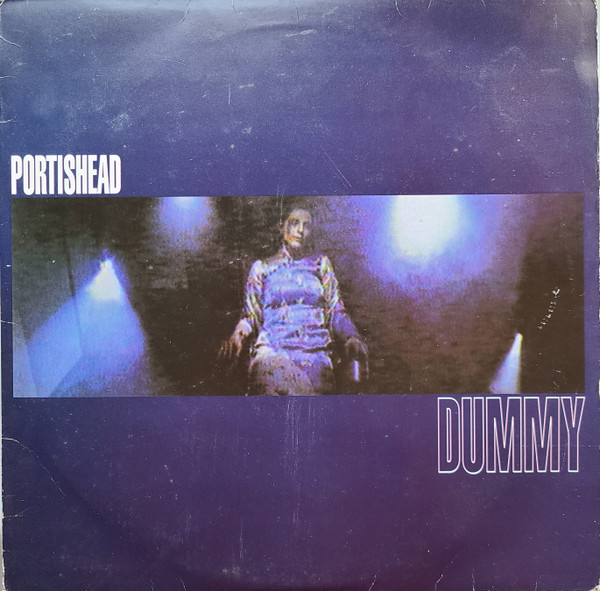
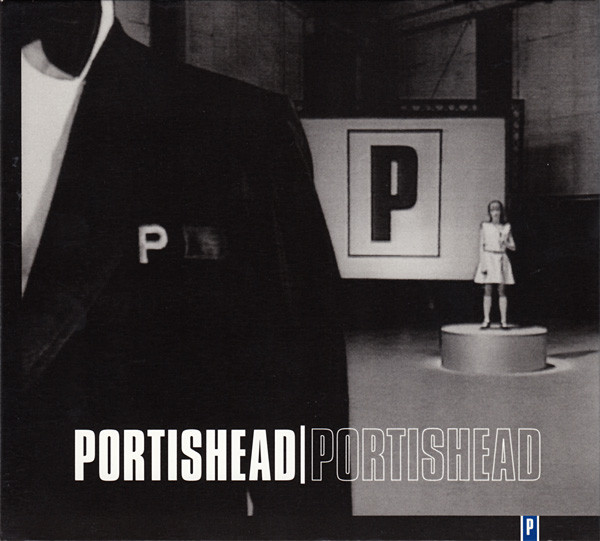

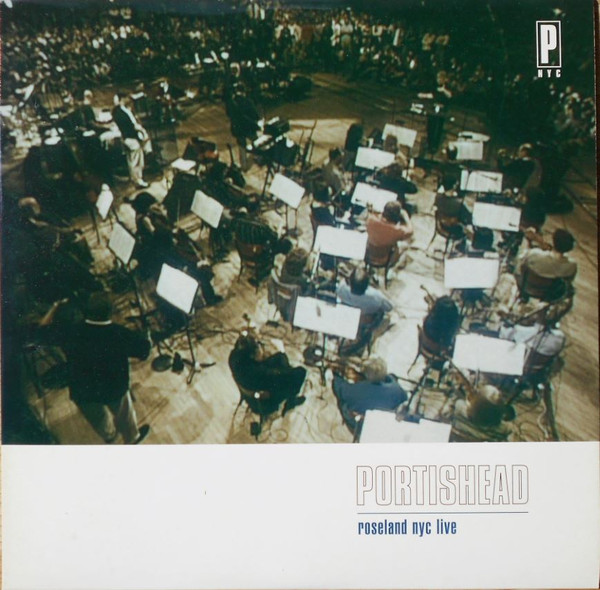
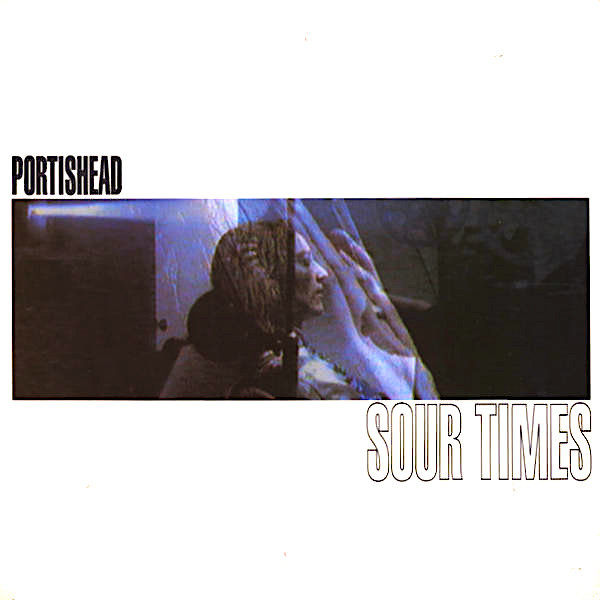


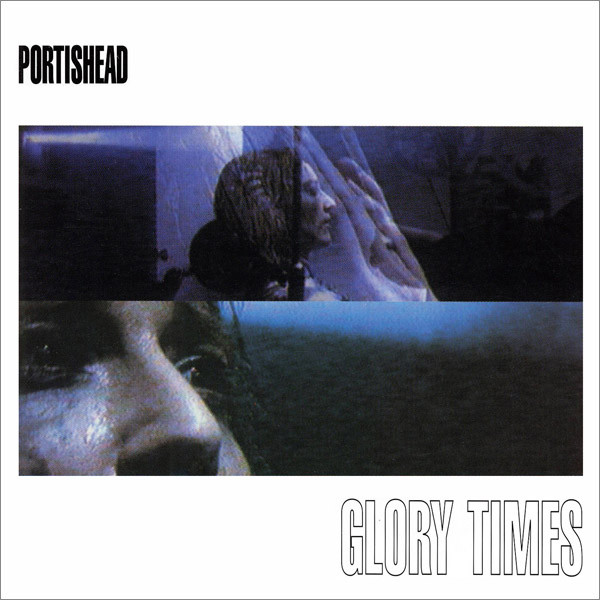


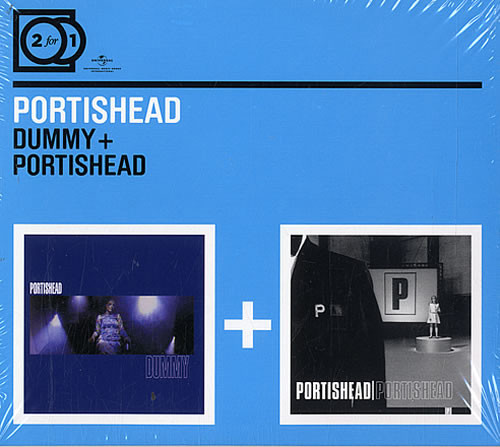


Related artists
Frequent collaborators
Around the web
Follow every record they touch.
Start your shelf and Gatefold tracks Portishead's new pressings, tour dates, and the whole discography — automatically.
Start your shelf →Free forever. Works with 10 records or 10,000.