
Artist
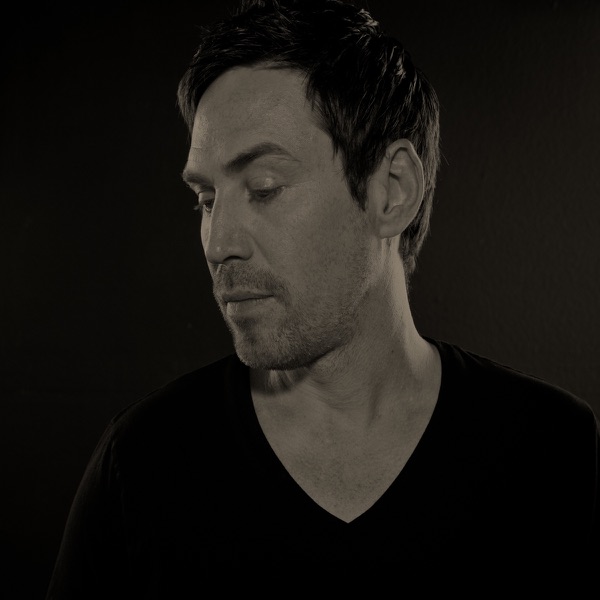
Photek
St Albans, United Kingdom · b. 1972
Photek is a musician from St Albans, United Kingdom, active since 1972. Their discography on Gatefold includes 10 records.
10
Albums tracked
16
In collections
1972
Since
Biography
Rupert Parkes was obsessed with the E-mu SP-1200 and the Akai S1100 to a point of absolute madness. He wasn't just programming beats; he was using the limited memory of those samplers to slice breaks into microscopic fragments, shifting the pitch of a snare by a fraction of a semi-tone to get that clinical, cold-sweat precision. While everyone else in '94 was chasing the high of a massive rave, Photek was in a dark room treating jungle like an architectural blueprint. It was cold, it was paranoid, and it sounded like the future before the internet ruined it. Then he moved to Los Angeles and started scoring films, which is usually where the edge goes to die. He traded the breakbeat science for polished textures and big-budget sheen, losing that claustrophobic tension that made the early Science and Metalheadz plates so terrifying. Some people call it evolution, but if you're looking for that raw, splintered ghost-in-the-machine energy, the later years feel like a man trying to remember a language he stopped speaking. He’s still a master of the gear, but the soul moved from the dancefloor to the director's chair.
Bio from The Clerk
The Arc of Photek
The pivots — what forced Photek to reinvent.
The Samurai Code
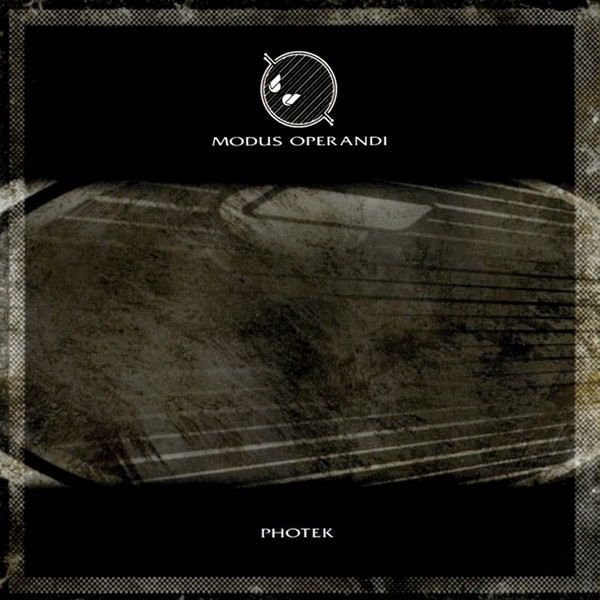
Between 1994 and 1997, Parkes operated under a self-imposed discipline that mirrored the martial arts films he obsessed over. He signed to Virgin's Science sub-label and delivered Modus Operandi, an album that stripped drum and bass of its soul and funk roots to create something metallic and jazz-inflected. You hear it in the title track—those wooden blocks and hollow percussion hits weren't just samples, they were meticulously placed objects in a vacuum. It forced the entire UK scene to stop being sloppy and start worrying about the math of the break.
The Hollywood Pivot
The shift happened when the breakbeats slowed down and the synthesizers got expensive. Moving to LA, he started working on soundtracks like The Animatrix and Blade, which traded the granular breakbeat chopping for atmospheric swells and industrial-lite rhythms. The gear changed from rack-mounted samplers to massive DAW setups, and you can hear the space in the mix opening up while the danger evaporates. It was a calculated move into the industry machine that turned a subculture ghost into a professional composer.
Influences
- Miles Davis — Parkes has cited the Bitches Brew era specifically for its use of space and improvisational tension. You hear it in the way his basslines don't loop so much as they haunt the track, leaving massive gaps for the drums to breathe. It’s the sound of jazz fusion re-engineered for a digital sampler.
- Clyde Stubblefield — Without Stubblefield’s performance on James Brown’s 'The Funky Drummer,' Photek's entire career has no foundation. He didn't just sample the break; he dissected Stubblefield's ghost, re-arranging the ghost notes into those signature, skittering patterns. It’s the most documented DNA in his early discography.
- Model 500 — The clinical, Detroit techno aesthetic of Juan Atkins provided the template for Parkes' cold, machine-driven sound. He took that 'Clear' minimalism and applied it to the 160 BPM speed of London jungle. It’s the bridge between the motor city and the UK pirate radio stations.
- Vangelis — The Blade Runner soundtrack is the primary source for the synth pads and the creeping sense of urban dread in Photek's work. He’s gone on record about the influence of Ridley Scott’s world-building on his own sonic textures. You can hear that noir atmosphere dripping off every track on the Hidden Camera EP.
- King Tubby — The dub technique of using the mixing desk as an instrument is how Parkes managed to make his tracks feel three-dimensional. He studied the way Tubby dropped elements in and out of the echo chamber to create a sense of physical scale. On records like 'Into the 90s,' the dub-weight bass is pure Kingston by way of Ipswich.
Discography
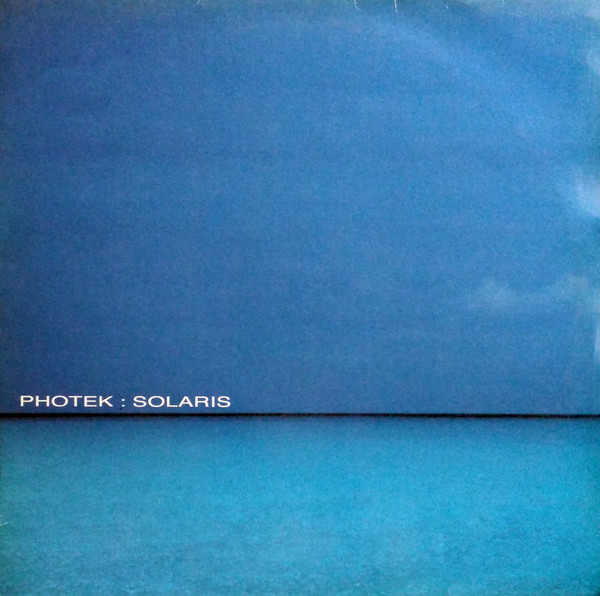
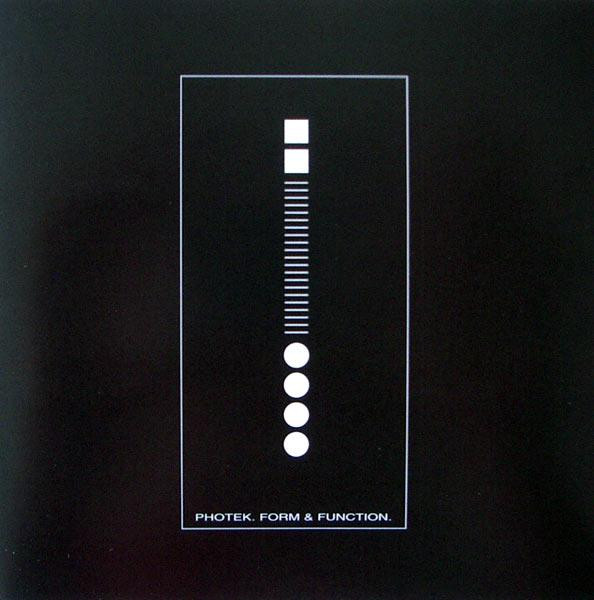
Their records — most-collected first.





Related artists
Around the web
Follow every record they touch.
Start your shelf and Gatefold tracks Photek's new pressings, tour dates, and the whole discography — automatically.
Start your shelf →Free forever. Works with 10 records or 10,000.