
Artist
The Pharcyde
Los Angeles, United States · Formed 1989
The Pharcyde is a music group from Los Angeles, United States, active since 1989. Their discography on Gatefold includes 14 records.

14
Albums tracked
123
In collections
1989
Since
Biography
J-Swift had an E-mu SP-1200 and a mountain of dusty jazz and soul 45s crammed into a tiny rehearsal space in South Central, and that was all four former dancers needed to completely rewrite the West Coast rulebook. While Death Row was locking down the airwaves with sinister G-funk synth whines and gangsta posture, The Pharcyde showed up looking like class clowns who spent their lunch money on weed and vintage vinyl. They were self-deprecating, hyperactive, and messy. They rhymed about getting rejected by girls, getting harassed by cops while broke, and eating too many edibles. It was pure, unadulterated neighborhood reality without the cinematic cartel mythology. Then the internal friction hit like a hammer. By the time they recorded their second record, J-Swift was spiraling out of the picture, and the crew brought in a young Detroit producer named Jay Dee to build a moodier, laid-back foundation with an Akai MPC3000. It yielded absolute gold, but the chemistry was already splintering. Fatlip checked out, egos clashed over creative direction, and the classic four-man dynamic dissolved into an ugly string of lawsuits, splinter lineups, and half-baked independent drops. They gave us two of the sharpest alternative rap records ever pressed before the wheels came completely off the wagon.
Bio from The Clerk
The Arc of The Pharcyde
The pivots — what forced The Pharcyde to reinvent.
The J-Swift Rollercoaster
Between 1991 and 1993, the group built a manic cartoon universe inside Hollywood studios fueled by J-Swift's frantic horn chops, live piano, and drum breaks on the SP-1200. Every member brought rubber-band flows and vocal harmonies that felt completely detached from the hardcore rap dominant in Los Angeles at the time. Tracks like 'Passin' Me By' and 'Ya Mama' proved that vulnerability and goofy insults could carry an entire movement without borrowing a drop of Dr. Dre's blueprint. The live shows were sweaty, athletic chaos because all four guys came out of the professional dance scene.
The Dilla Shift
When J-Swift walked over publishing disputes and personal demons, the group went straight to Detroit and handed significant production keys for 1995's Labcabincalifornia to a then-unknown J Dilla. The manic, uptempo circus vibes vanished, replaced by unquantized snare drags, Stan Getz samples, and a subdued, introspective twilight tone. You hear the growing fractures in real-time on tracks like 'Runnin'' and 'Drop,' where the lyrics turned weary and reflective. It was a massive artistic leap forward, but it effectively ended the group's brotherhood as Fatlip was pushed out right after release.
The Splintered Duo
By the late nineties, Slimkid3 left to chase solo projects, leaving Bootie Brown and Imani to hold down the trademark on Plain Rap and Humboldt Beginnings. Operating out of independent setups without the four-way vocal interplay or tier-one beatmakers, the music drifted into standard underground backpack territory. The trademark lawsuits started flying between original members, and live gigs turned into rotating, competing versions of the group playing the 1992 hits to festival crowds. They kept touring, but the creative lightning in a bottle was permanently spent.
Influences
- A Tribe Called Quest — The group directly cited The Low End Theory as the stylistic shock that proved jazz-heavy, boom-bap rap could succeed without gangsta posturing. You hear Phife and Q-Tip's conversational trade-off dynamic echoed all across 'Passin' Me By'. It was the exact blueprint they needed to stand out on the West Coast.
- The Jimi Hendrix Experience — J-Swift famously dug for unconventional rock and psychedelic records to flip rather than sticking purely to P-Funk staples. The chaotic guitar-bending loop fueling '4 Better or 4 Worse' pulls straight from Hendrix's 'Castles Made of Sand'. It gave their early productions a noisy, raw edge that typical hip-hop samplers avoided.
- Stan Getz — When Dilla stepped in to handle production on their sophomore record, he reached for classic bossa nova and cool jazz textures. The signature, melancholic guitar riff on 'Runnin'' is a direct chop of Stan Getz and Luiz Bonfa's 'Saudade Vem Correndo'. That single sample defined the group's mid-nineties sound shift.
- Sly & The Family Stone — The group's vocal arrangement style came straight from Sly's playbook of passing the microphone around a circle mid-verse. You hear that chaotic, multi-vocal party energy driving the hook and verses on 'Oh Shit'. They treated their four voices like an interlocking funk horn section.
- De La Soul — 3 Feet High and Rising showed the crew that skits, self-effacing humor, and left-field skits belonged on a serious rap album. That irreverent suburban-weirdo energy is all over the back-and-forth mother jokes on 'Ya Mama'. It gave them permission to be funny instead of tough.
Discography
Their records — most-collected first.
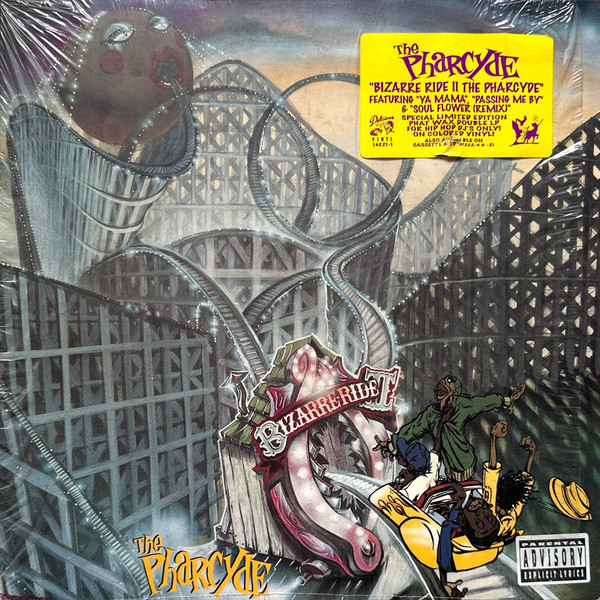
Bizarre Ride II The Pharcyde
1992
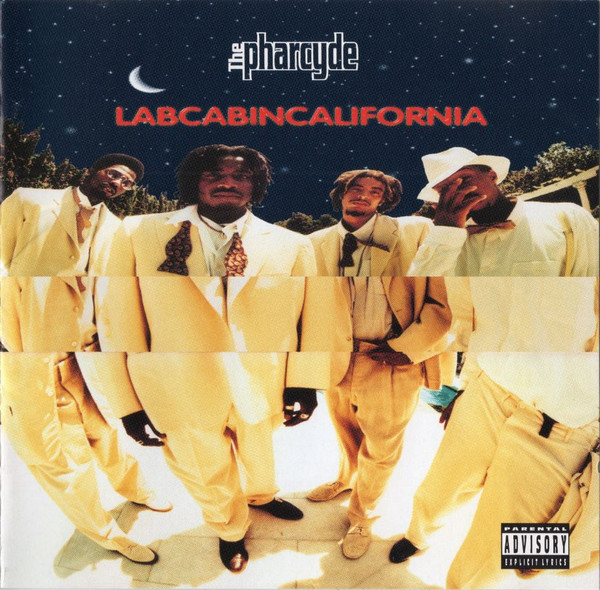
Labcabincalifornia
1995
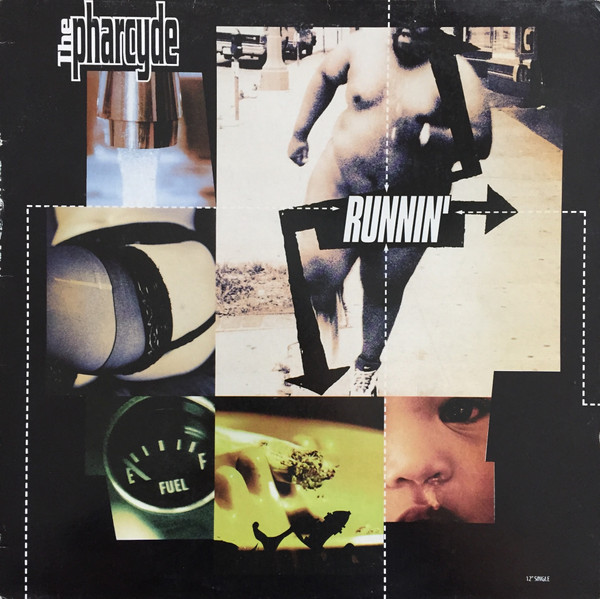
Runnin'
1995
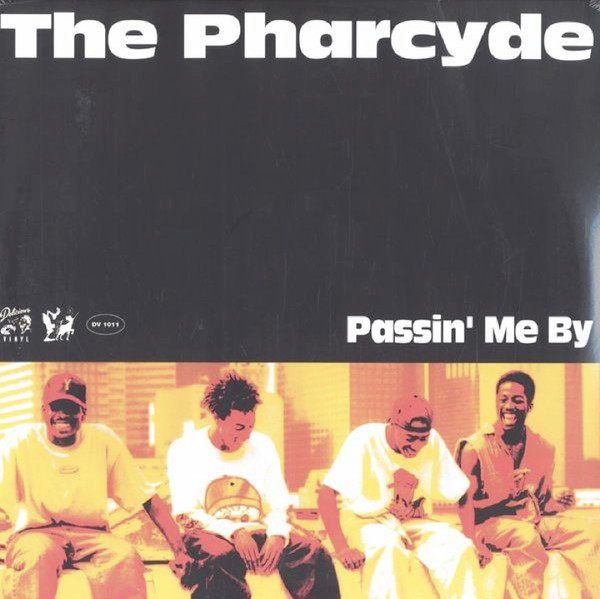
Passin' Me By
1993
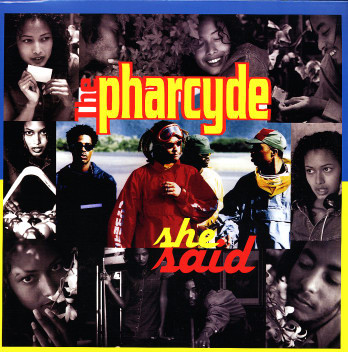
She Said
1996

Plain Rap
2000

Testing The Waters
2000

Drop / Y? (Be Like That)
1996

Ya Mama / I'm That Type Of Nigga / Soul Flower
1992

Cydeways: The Best Of The Pharcyde
2001

Plain Rap
2000
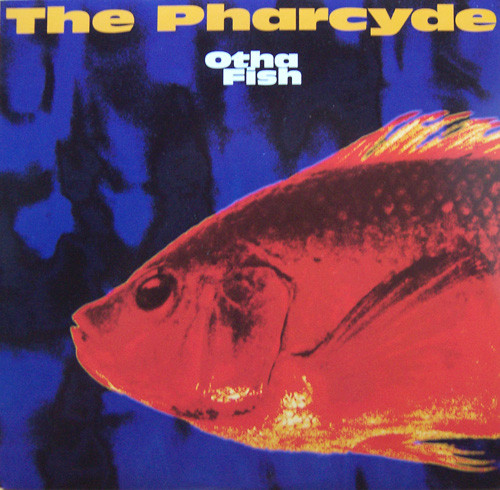
Otha Fish
1993

Sold My Soul (The Remix & Rarity Collection)
2005

Humboldt Beginnings
2004
Related artists
Frequent collaborators
Around the web
Follow every record they touch.
Start your shelf and Gatefold tracks The Pharcyde's new pressings, tour dates, and the whole discography — automatically.
Start your shelf →Free forever. Works with 10 records or 10,000.