
Artist
Jaco Pastorius
Norristown, United States · 1951 – 1987
Jaco Pastorius is a musician from Norristown, United States, active 1951–1987. Their discography on Gatefold includes 15 records. They also recorded with Weather Report, Blood, Sweat & Tears and Trio of Doom.

59
Albums tracked
539
In collections
1951
Since
Biography
Jaco ripped the frets out of a '62 Jazz Bass with a butter knife and filled the gashes with Marine Spar varnish. He didn't do it to be a visionary; he did it because he grew up in the Florida humidity where wooden fingerboards rot and he needed a tool that wouldn't die on a bandstand. That epoxy-slicked neck turned the bass into a cello, a trombone, and a percussion rig all at once. By the time he walked into Epic Records to track his debut, he was telling everyone he was the greatest bass player in the world. The crazy thing is he was right. He wasn't some refined jazz academic. He was a R&B kid who played behind Wayne Cochran and the C.C. Riders, sweating through soul revues and learning how to anchor a groove before he started chasing Charlie Parker lines. That grease stayed in his playing even when he was doing the high-art shit with Weather Report. When the mental health spiral and the substance abuse took hold in the 80s, the industry turned its back fast. He went from sold-out sheds to playing for spare change in Washington Square Park because the business has no room for geniuses who break their own rules.
Bio from The Clerk
The Arc of Jaco Pastorius
The pivots — what forced Jaco Pastorius to reinvent.
The Florida R&B Grind
Before the solo records, Jaco was a session workhorse and a soul man playing in Wayne Cochran’s C.C. Riders. This era was defined by the strict discipline of the chitlin' circuit and heavy James Jamerson worship. You hear the results in his rock-solid 16th-note ghost notes and a pocket that was far deeper than the fusion pyrotechnics he’d eventually become known for. He was a gear-less kid using a cheap amp and a modified Fender, proving the tone was entirely in his terrifyingly strong hands.
The Weather Report Hijack
Jaco cornered Joe Zawinul after a gig and told him the band was okay but he was the missing piece. He wasn't lying, and by 'Black Market,' he’d replaced Alphonso Johnson and shifted the band’s entire gravity. He brought a lead-guitarist energy to the rhythm section, using a digital delay rack to loop harmonics and playing chords that made Zawinul’s synthesizers sound thin by comparison. This was the peak of his power, where he turned a jazz-fusion collective into a stadium-level powerhouse that could actually swing.
The Word of Mouth Big Band
Frustrated with the constraints of a four-piece, Jaco blew his Warner Bros. budget on a massive ensemble featuring steel drums, a horn section, and harmonica player Toots Thielemans. This wasn't a commercial move; it was an expensive, chaotic attempt to bridge the gap between Caribbean soul and Duke Ellington. The arrangements were dense and difficult, often falling apart during live sets as Jaco’s behavior became more erratic. It sounds like a man trying to hear every sound in his head at once before the lights went out.
Influences
- James Jamerson — Jaco explicitly cited the Motown bassist as his primary hero and even transcribed his lines to learn the 'one-finger' technique. You hear it in the relentless, syncopated 16th-note pulse of 'Come On, Come Over.' It’s the Motown engine transplanted into a fusion chassis.
- Charlie Parker — He famously played 'Donna Lee' as the opening track of his debut album to prove a bass player could execute bebop head arrangements. The phrasing and chromaticism of Bird are baked into every solo Jaco ever took. He treated the bass like a saxophone, not a rhythm box.
- Jerry Jemmott — Known as 'The Groovemaster,' Jemmott’s work with Aretha Franklin and King Curtis provided the blueprint for Jaco’s funky, staccato articulation. Jaco later filmed an instructional video with him, essentially paying tribute to the man who taught him how to play behind the beat. The grease on 'The Chicken' is pure Jemmott worship.
- Johann Sebastian Bach — Jaco frequently practiced out of cello suites and books of Bach transcriptions to build his hand strength and melodic vocabulary. The precision in his double-stops and the way he outlines chord changes in 'Portrait of Tracy' stems directly from classical counterpoint. He was obsessed with the logic of the notes.
- Frank Sinatra — He constantly told interviewers and students to listen to Sinatra's breath control and phrasing rather than other bass players. He wanted his bass to sing like a human voice, mimicking the way a crooner stretches a melody across a bar line. It’s why his fretless slides sound so damn vocal.
Jaco Pastorius — solo
Their records — most-collected first.

Jaco Pastorius
1976
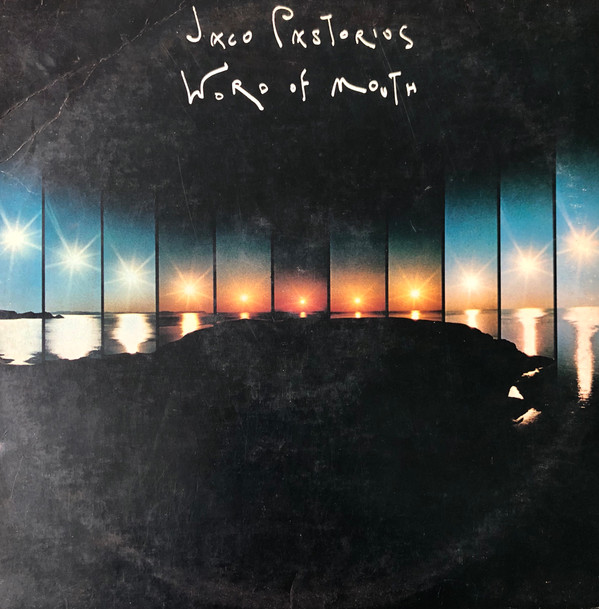
Word Of Mouth
1981
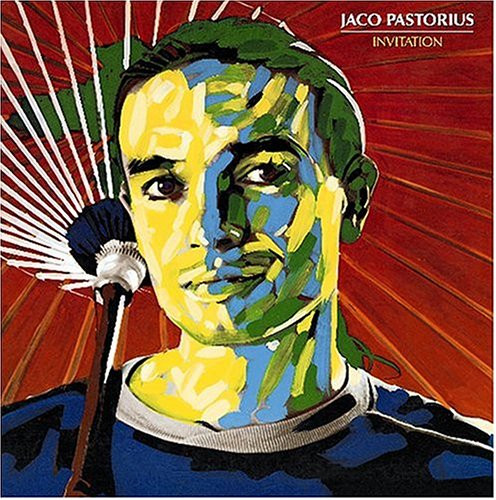
Invitation
1983
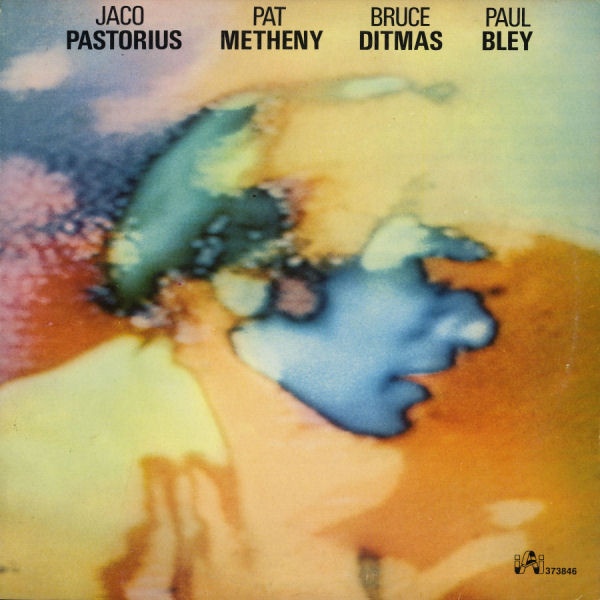
Pastorius / Metheny / Ditmas / Bley
1976
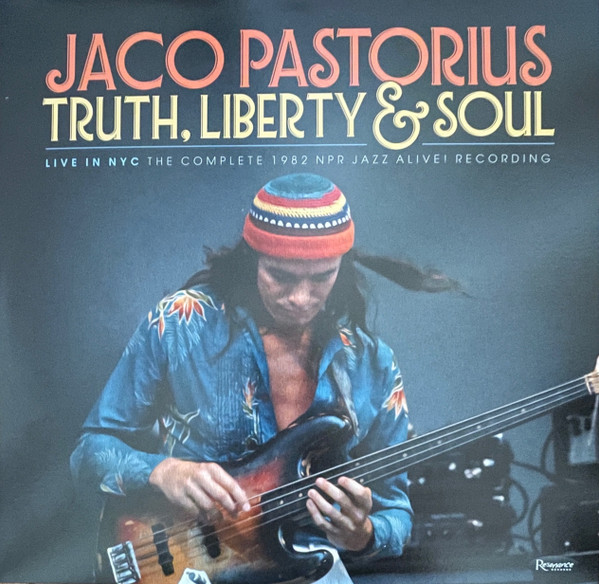
Truth, Liberty & Soul - Live In NYC The Complete 1982 NPR Jazz Alive! Recordings
2017

Modern American Music...Period! The Criteria Sessions
2014
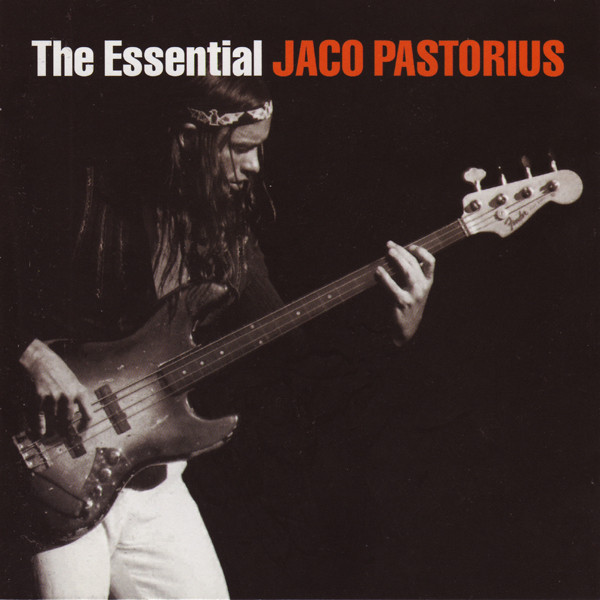
The Essential Jaco Pastorius
2007

Live In Italy
1997
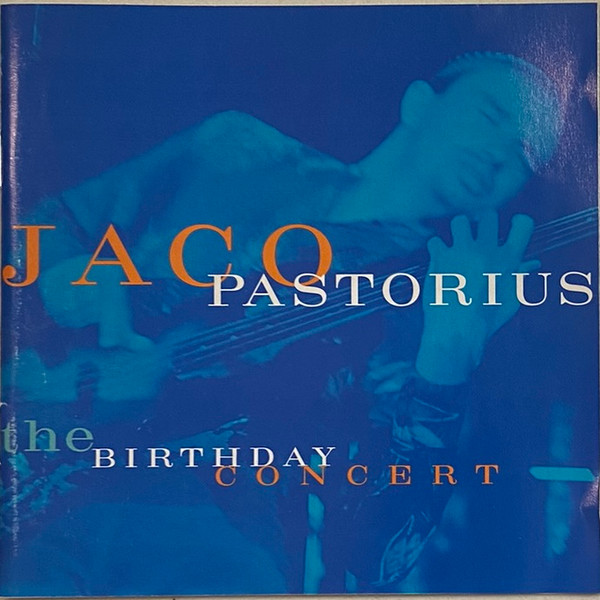
The Birthday Concert
1995

Holiday For Pans
1993

Smoke On The Water, Live In Rome, 1986
2007

Another Side Of Jaco Pastorius
2001

Broadway Blues & Teresa
1999

Golden Roads
1997
Heavy'N Jazz
1992
Weather Report
A project Jaco Pastorius was part of. Former member.
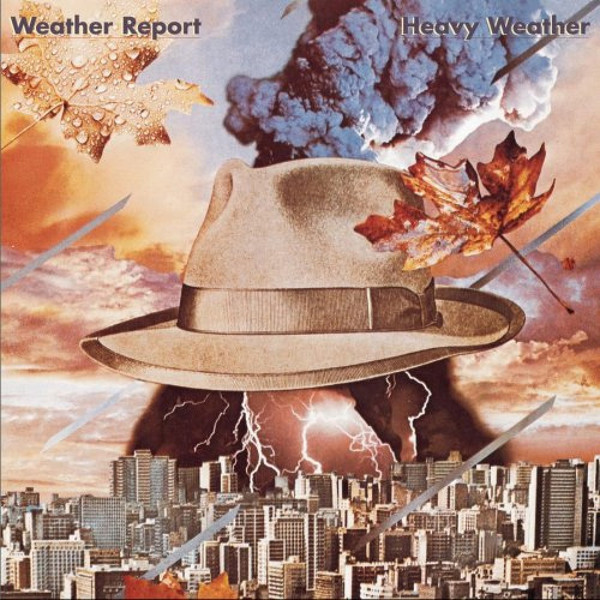
Heavy Weather
1977
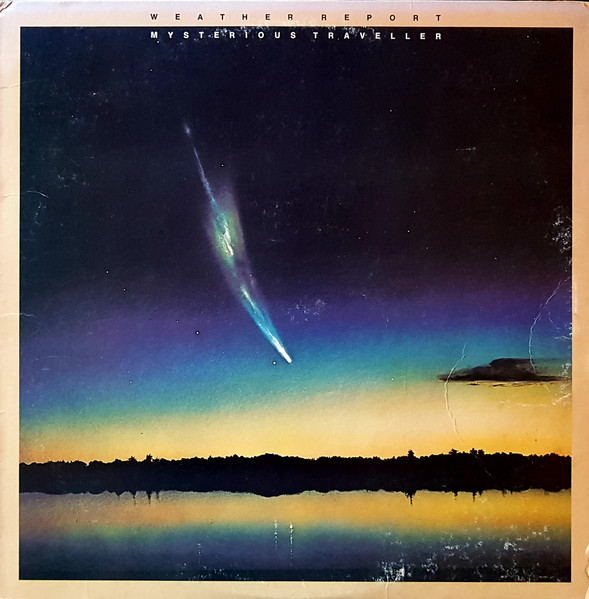
Mysterious Traveller
1974
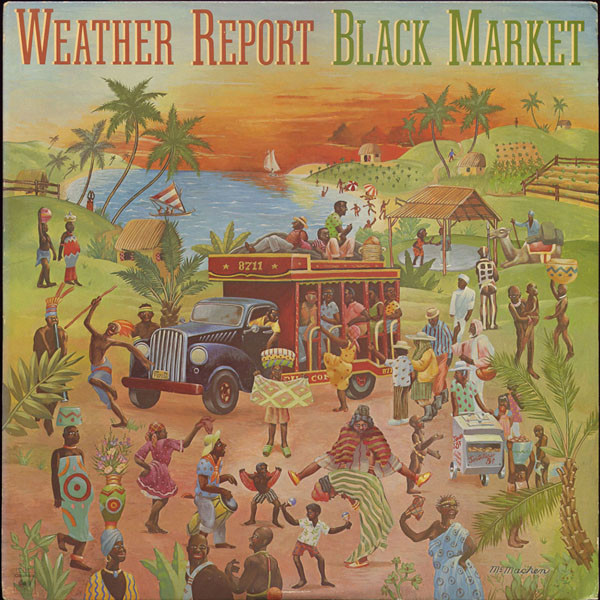
Black Market
1976
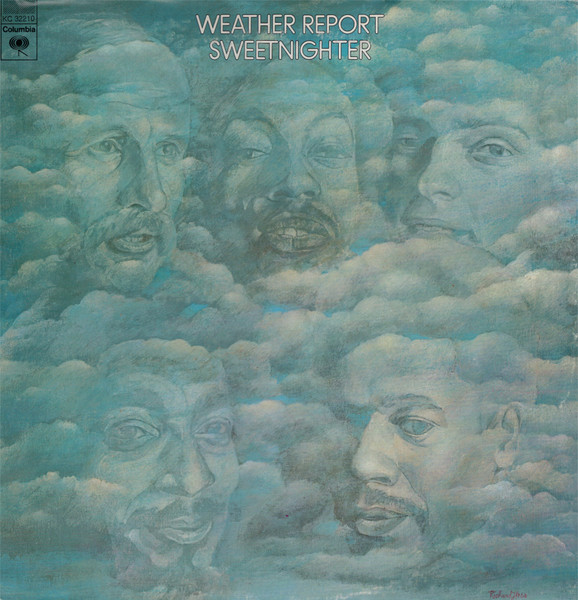
Sweetnighter
1973

Mr. Gone
1978
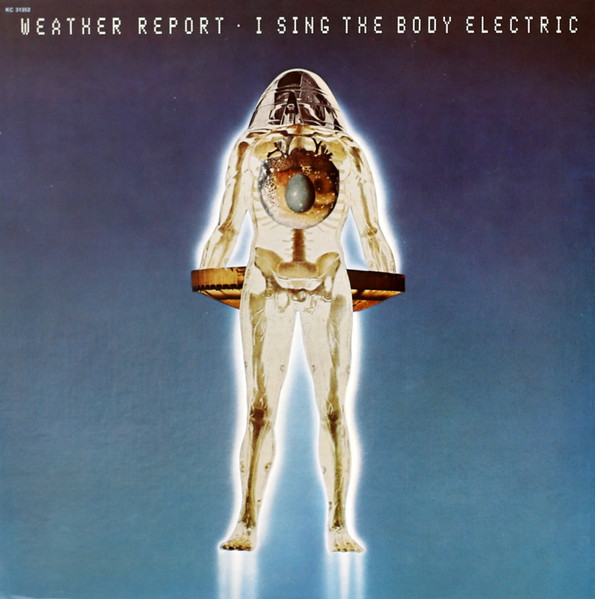
I Sing The Body Electric
1972
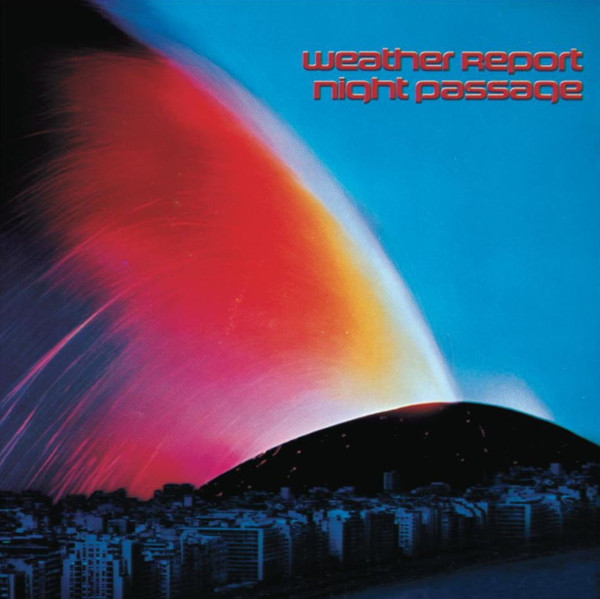
Night Passage
1980
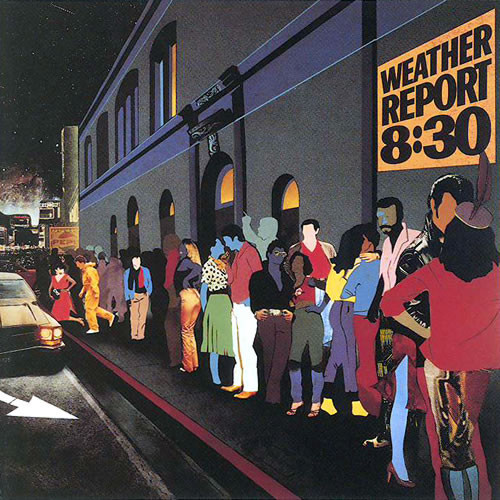
8:30
1979
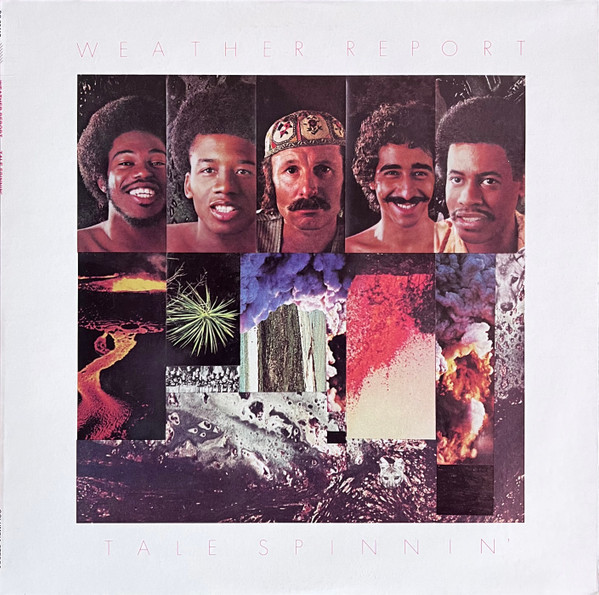
Tale Spinnin'
1975

Domino Theory
1984
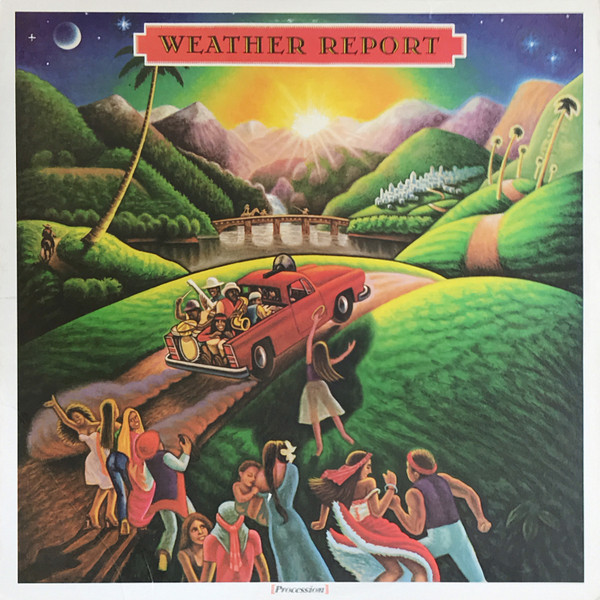
Procession
1983
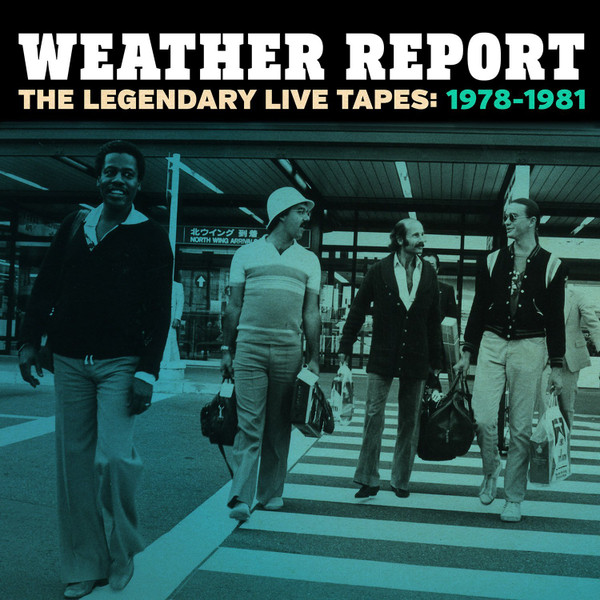
The Legendary Live Tapes: 1978-1981
2015
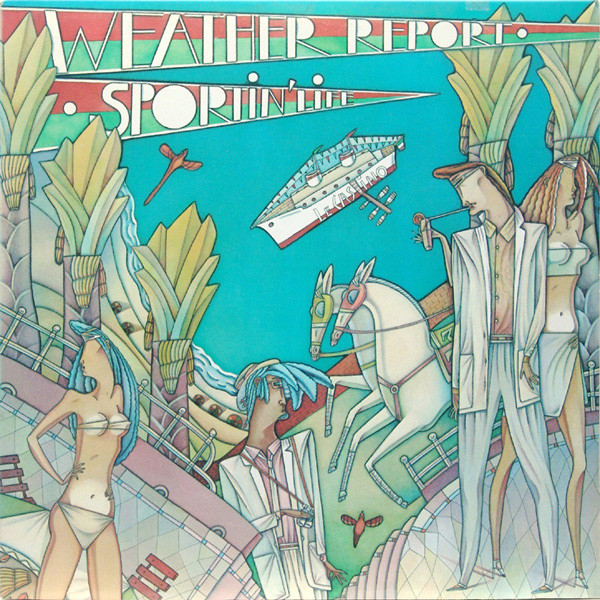
Sportin' Life
1985

Weather Report
1982
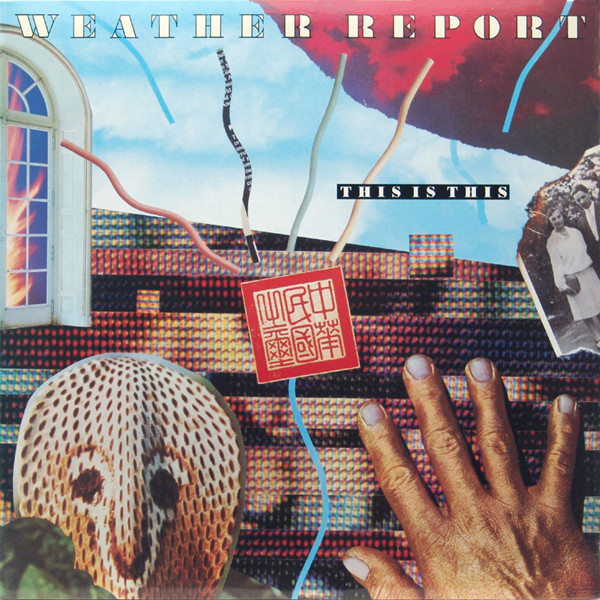
This Is This
1986
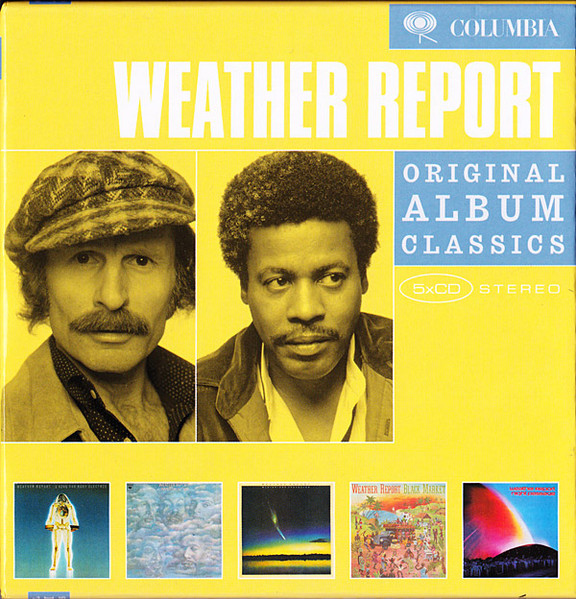
Original Album Classics
2007

Live In Berlin 1971
2023

Live In Offenbach 1978
2011
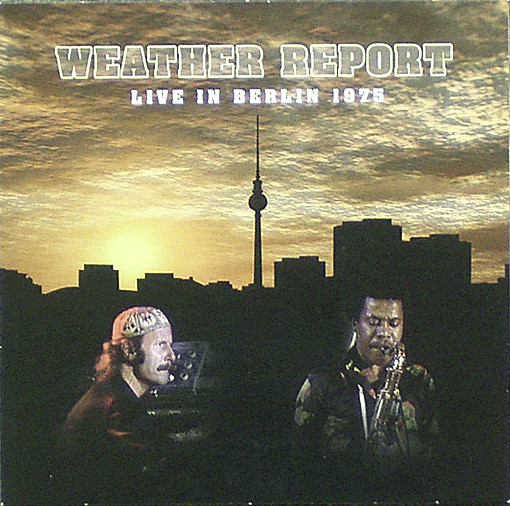
Live In Berlin 1975
2011
Live & Unreleased
2002

Live In London
2020

The Columbia Albums 1976-1982
2014
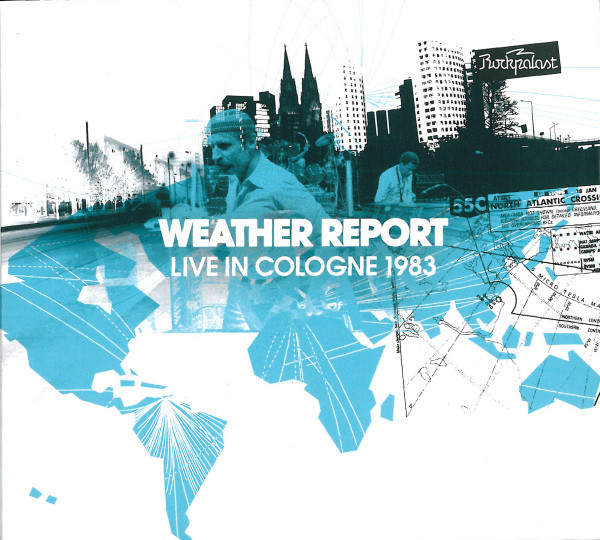
Live In Cologne 1983
2011

Collections
2008
Blood, Sweat & Tears
A project Jaco Pastorius was part of. Former member.
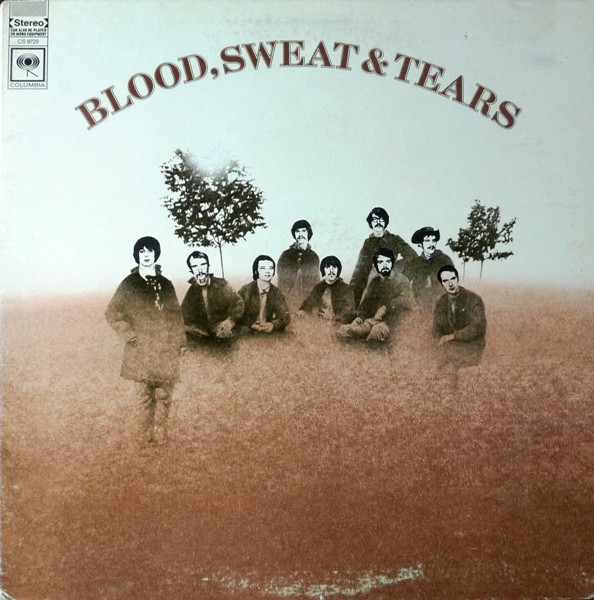
Blood, Sweat And Tears
1969
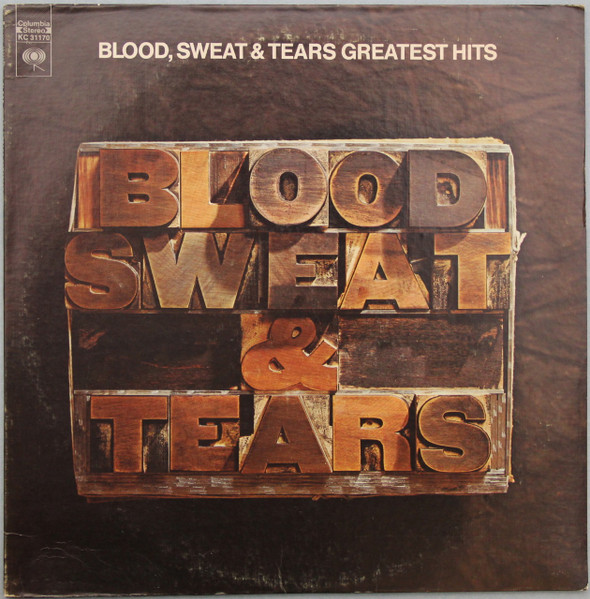
Blood, Sweat & Tears Greatest Hits
1972

Blood, Sweat & Tears 3
1970
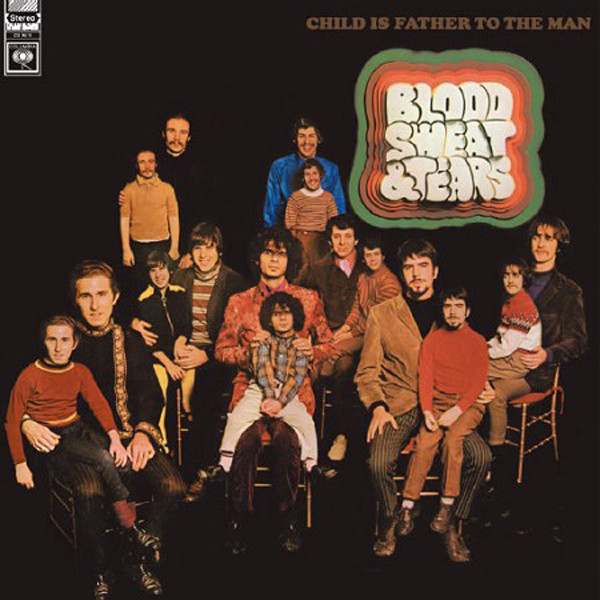
Child Is Father To The Man
1968
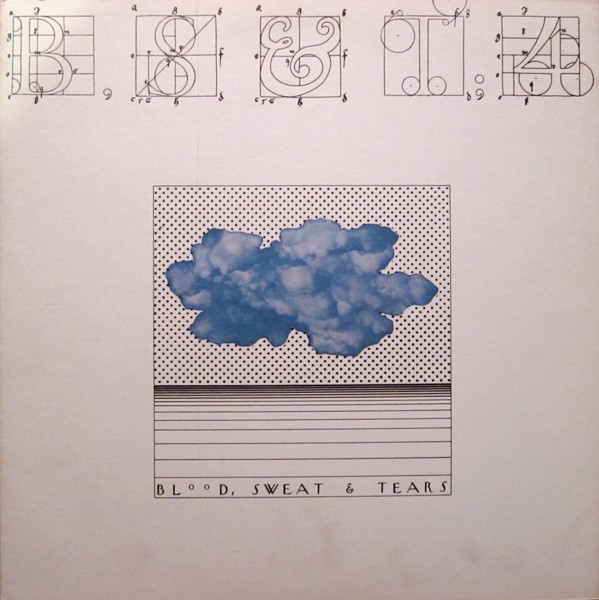
B, S & T 4
1971

New Blood
1972
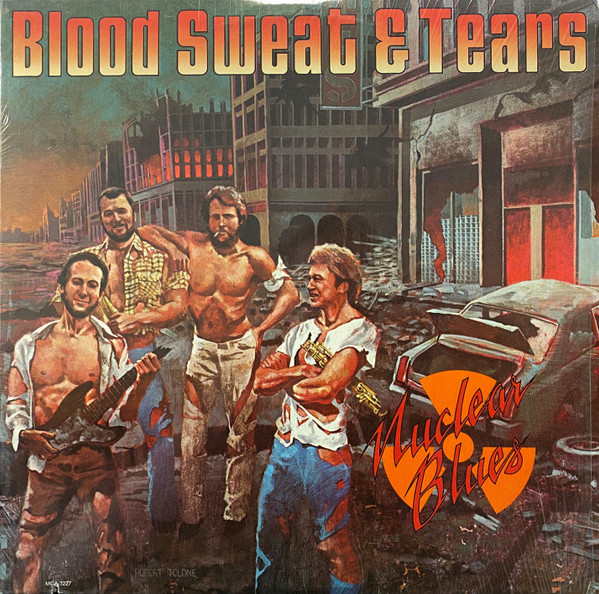
Nuclear Blues
1980
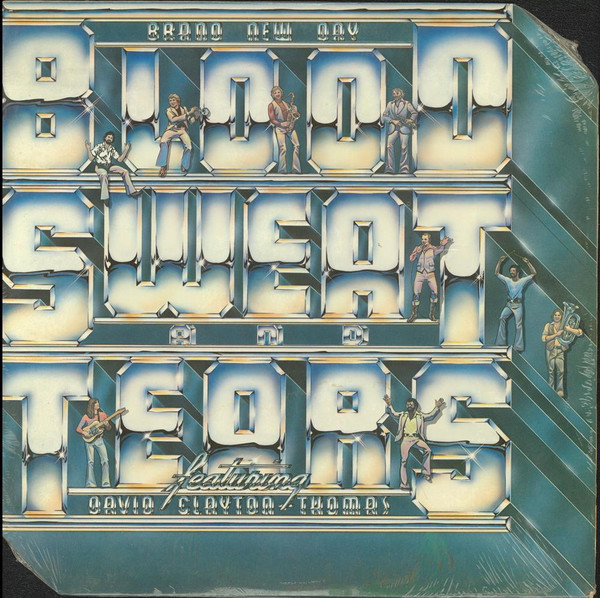
Brand New Day
1977
You've Made Me So Very Happy
1969
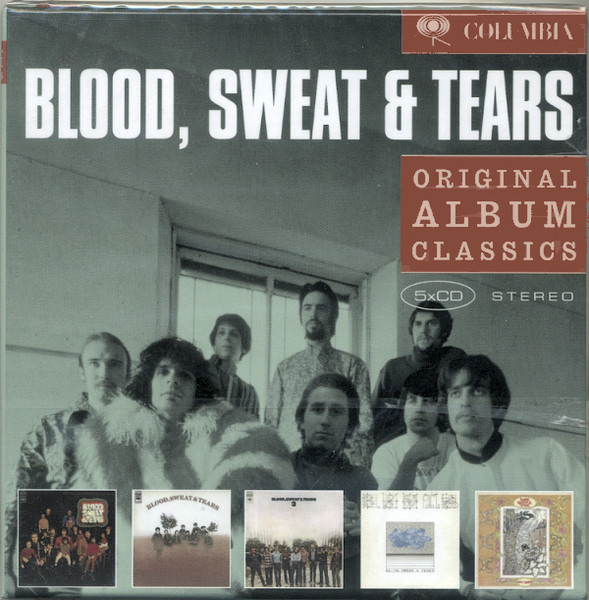
Original Album Classics
2009

Spinning Wheel - The Best Of Blood, Sweat & Tears
2007

Mirror Image
1974

Bloodlines
2017

Playlist: The Very Best Of Blood, Sweat & Tears
2014

Found Treasures
1982

Highlights
Trio of Doom
A project Jaco Pastorius was part of. Former member.

Related artists
More projects
Around the web
Follow every record they touch.
Start your shelf and Gatefold tracks Jaco Pastorius's new pressings, tour dates, and the whole discography — automatically.
Start your shelf →Free forever. Works with 10 records or 10,000.