
Artist
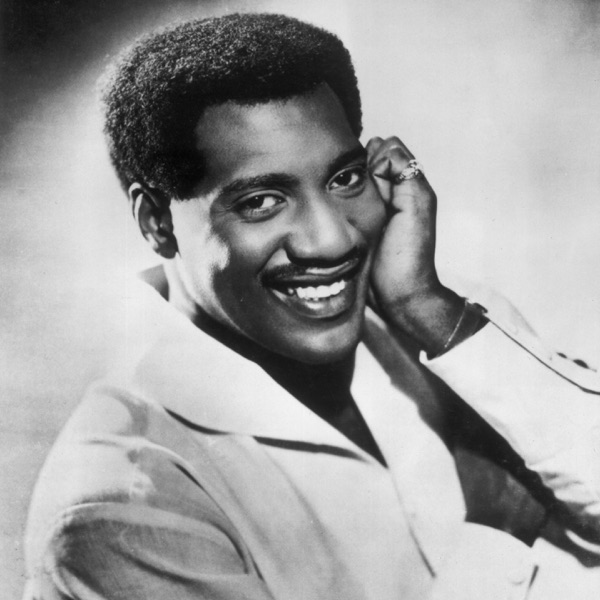
Otis Redding
Dawson, United States · 1941 – 1967
Otis Redding is a musician from Dawson, United States, active 1941–1967. Their discography on Gatefold includes 24 records.
62
Albums tracked
470
In collections
1941
Since
Biography
Otis Redding got his shot at Stax because Johnny Jenkins' car broke down, leaving Otis to drive the guitarist to Memphis. He wasn't even scheduled to record. He was just the driver, a former well-digger who sang with the Upsetters. When the session ended early, Jim Stewart let him cut 'These Arms of Mine' on a whim. The room was Booker T. and the MGs minus Booker T., with Steve Cropper's heavy chord voicings anchoring the rhythm. It changed the entire trajectory of Stax, moving the label away from polite jump-blues and into raw, guttural soul. He didn't sing behind the beat like Sam Cooke. He pushed it, barking and pleading over Al Jackson Jr.'s heavy snare cracks. The magic happened because Stax worked like a factory but felt like a church, cutting tracks live on a mono Ampex machine with no room for overdubs. If you blew a line, you started the whole damn song over. That pressure cooker gave the mid-60s records their kinetic energy, culminating in the Dictionary of Soul sessions where he pushed his voice into raspy, ad-libbed territory that changed modern phrasing forever.
Bio from The Clerk
The Arc of Otis Redding
The pivots — what forced Otis Redding to reinvent.
The Stax Engine
From '62 to '65, Otis was the physical powerhouse of Stax, backed by the tightest rhythm section in the world. Booker T. & the MGs and the Mar-Keys brass section gave him an ironclad foundation. Steve Cropper's telecaster was his co-pilot, co-writing the hits and keeping the arrangements lean. You hear it on Otis Blue, where they cut eleven songs in a single twenty-four-hour marathon session. It was fast, greasy, and completely devoid of corporate polish.
The European Conquest
In the spring of 1967, the Stax/Volt revue hit Europe and flipped the script. Up to this point, Otis was playing the chitlin' circuit to segregated crowds. In London and Paris, white rock royalty like the Beatles and the Stones treated him like a deity. The live recordings from the Olympia in Paris show a band playing at double-speed, fueled by the sheer shock of playing to screaming, ecstatic crowds who actually listened to every single word. This tour transformed him from a regional R&B star into a global headliner.
The Monterey Shift
In June of '67, Otis stepped onto the stage at the Monterey Pop Festival, backed by the MGs in front of a massive, mostly white counterculture audience. He was terrified they wouldn't get it. Instead, he completely stole the festival, closing out Saturday night with a blistering set that connected soul to the emerging rock world. This performance shattered the genre walls, setting up his transition from club performer to stadium-level pioneer just months before his plane went down in Lake Monona.
Influences
- Little Richard — Otis started his career screaming in Richard's former backing band, the Upsetters, trying to mimic that wild Georgia howl. You can hear the exact vocal placement and high-register shouts on early tracks like 'Hey Hey Baby.' It is the raw, hyperactive blueprint Otis had to unlearn to find his own mid-tempo groove.
- Sam Cooke — Cooke was the ultimate vocal stylist, and Otis obsessed over his phrasing and elegance. After Cooke's death in 1964, Otis paid direct tribute by cutting a definitive, frantic version of 'Shake' and a devastatingly slow take on 'A Change Is Gonna Come.' Otis took Cooke's smooth, church-trained delivery and roughed it up with pure muscle.
- Roy Brown — The shouting blues style of the late-40s jump blues scene was the foundation of Otis's vocal power. He openly cited Brown's melismatic vocal runs as a massive influence on his early style. You hear that brassy, horn-mimicking delivery in his uptempo numbers where he treats his throat like a trumpet.
- Ray Charles — Ray was the one who proved you could merge gospel testifying with secular grit and make it a massive hit. Otis took Ray's church-derived ad-libs and turned them into his signature 'got-ta, got-ta' staccato delivery. The heavy emotional weight of Ray's country-soul period directly informed how Otis approached his deepest ballads.
- 5 Royales — Lowman Pauling's guitar playing and songwriting with this R&B group laid the groundwork for the Stax sound. Otis and Steve Cropper bonded over their mutual obsession with the group, eventually covering 'Dedicated to the One I Love.' Pauling's style of mixing gospel vocal group dynamics with blues guitar licks is the exact DNA of the Otis-and-Cropper songwriting partnership.
Discography
Their records — most-collected first.
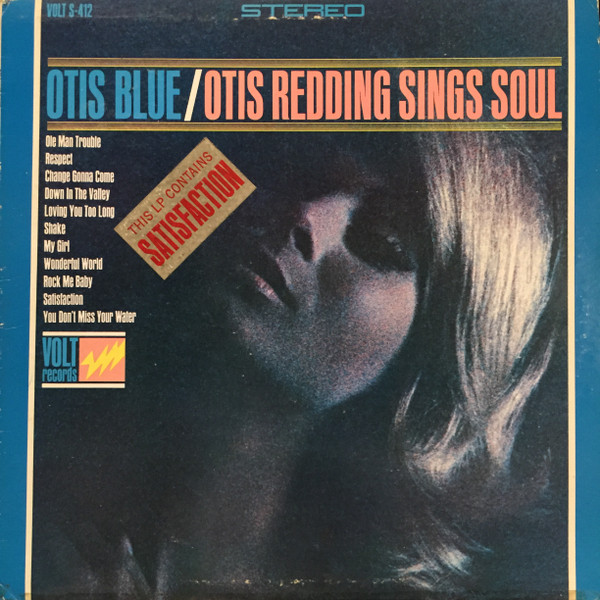
Otis Blue / Otis Redding Sings Soul
1965
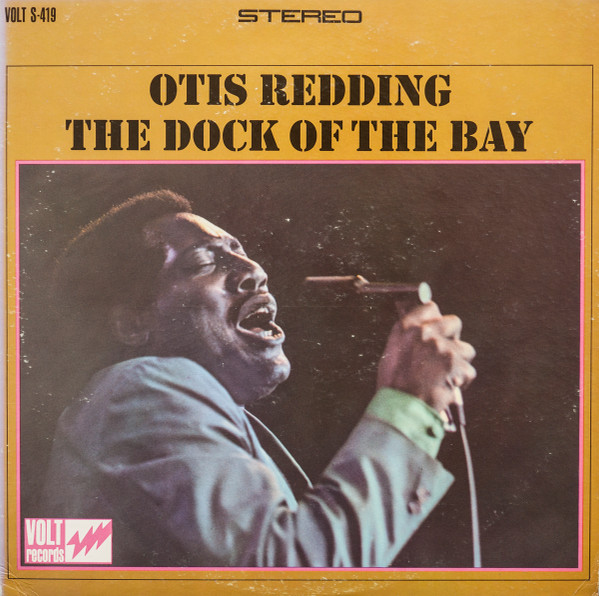
The Dock Of The Bay
1968
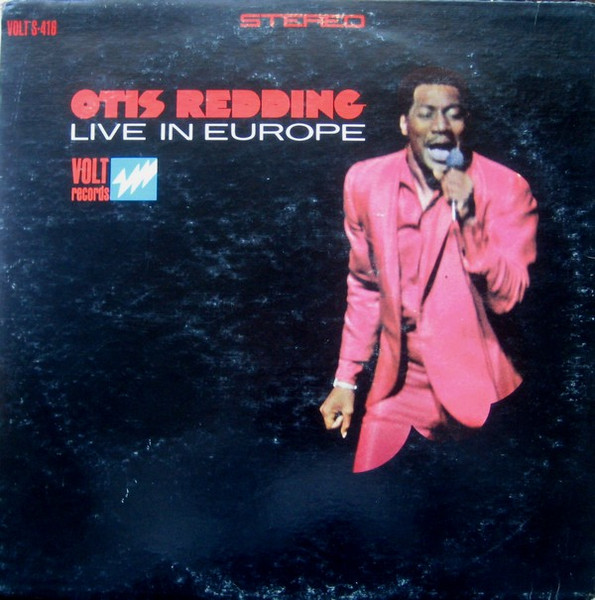
Otis Redding Live In Europe
1967
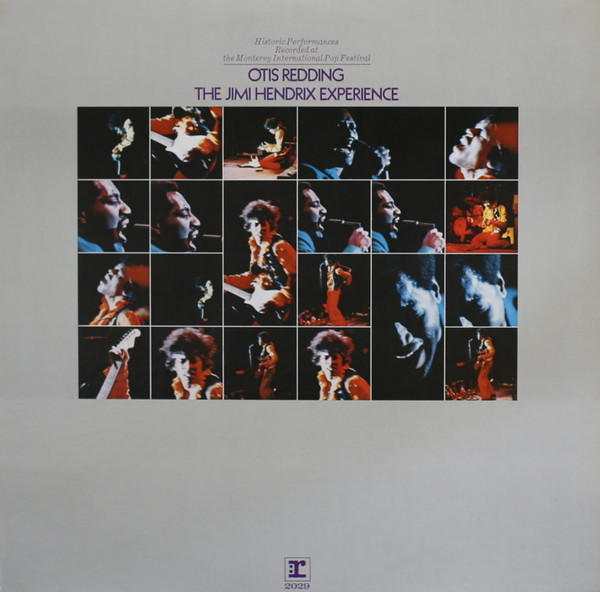
Historic Performances Recorded At The Monterey International Pop Festival
1970
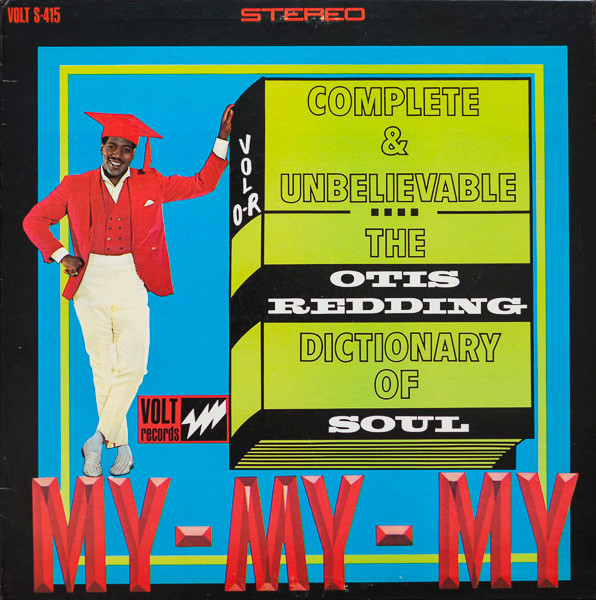
The Otis Redding Dictionary Of Soul - Complete & Unbelievable
1966

The Soul Album
1966

The Immortal Otis Redding
1968
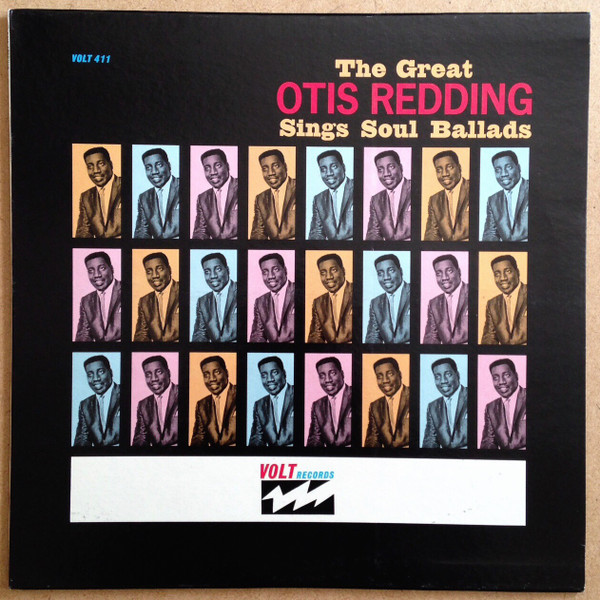
The Great Otis Redding Sings Soul Ballads
1965

Pain In My Heart
1964

The Best Of Otis Redding
1972
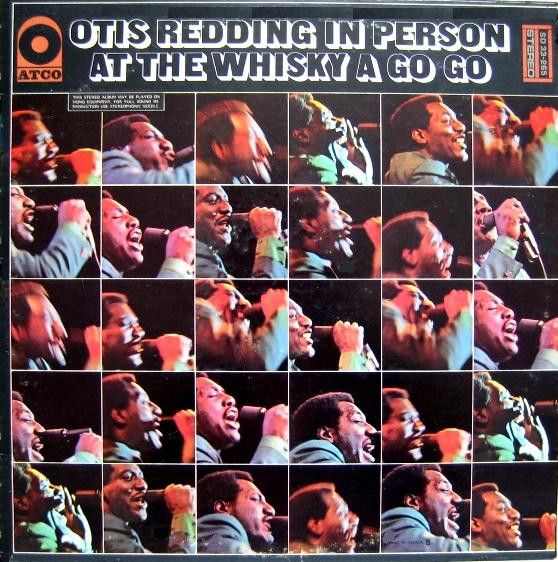
In Person At The Whisky A Go Go
1968
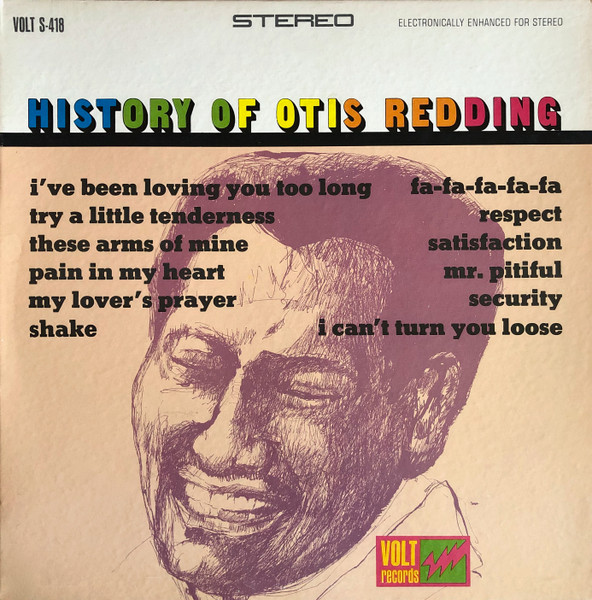
History Of Otis Redding
1967
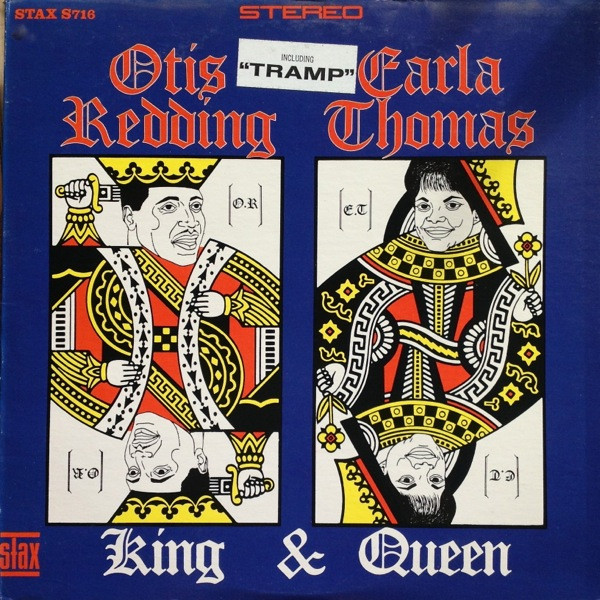
King & Queen
1967

Lonely & Blue: The Deepest Soul Of Otis Redding
2013

(Sittin' On) The Dock Of The Bay / Sweet Lorene
1968

Here Comes Some Soul From Otis Redding And Little Joe Curtis
1967
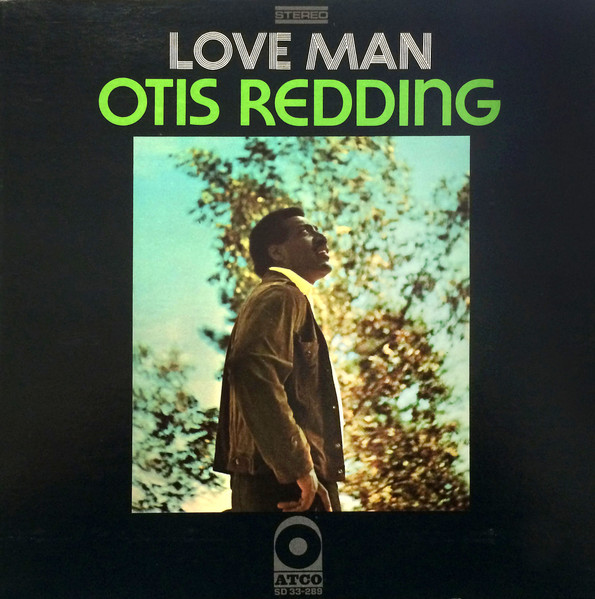
Love Man
1969

The Best Of Otis Redding
2020
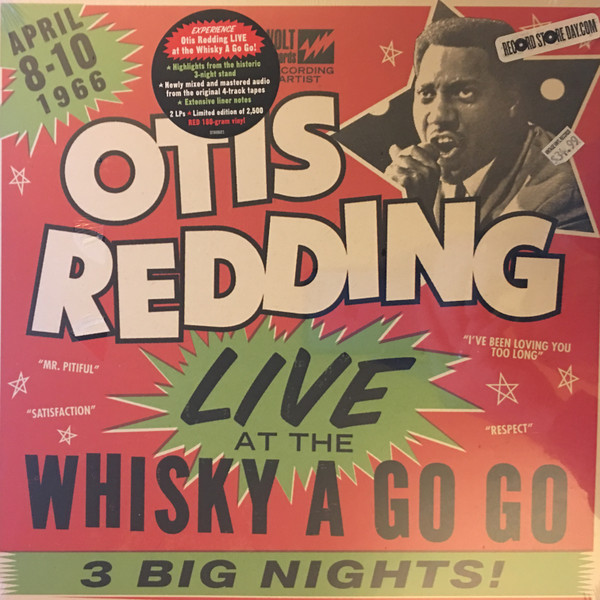
Live At The Whisky A Go Go
2016

The Very Best Of Otis Redding
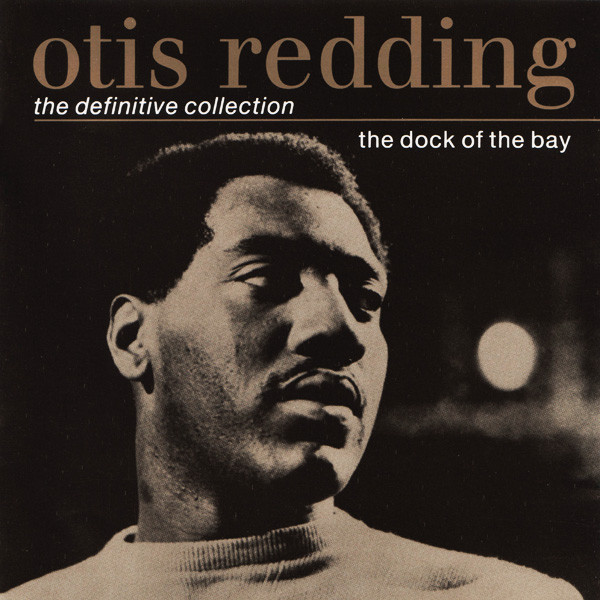
The Dock Of The Bay (The Definitive Collection)
1987
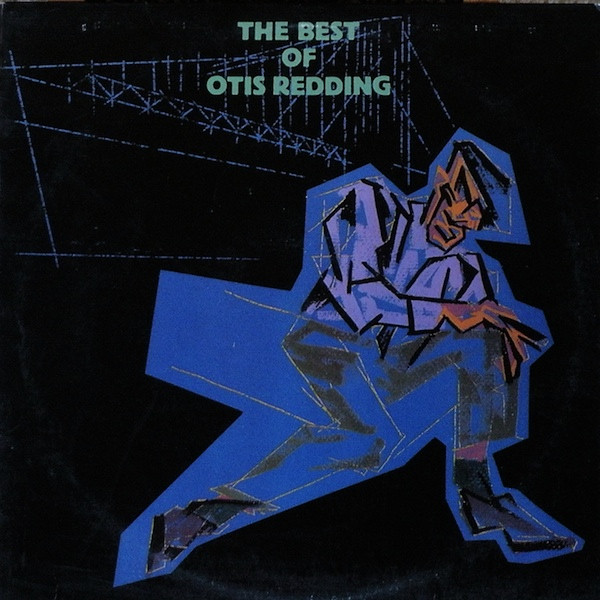
The Best Of Otis Redding
1984
Tell The Truth
1970

Otis! - The Definitive Otis Redding
1993
Related artists
Around the web
Follow every record they touch.
Start your shelf and Gatefold tracks Otis Redding's new pressings, tour dates, and the whole discography — automatically.
Start your shelf →Free forever. Works with 10 records or 10,000.