
Artist
Nick Drake
English singer‐songwriter
Yangon, Myanmar · 1948 – 1974
Nick Drake is a musician from Yangon, Myanmar, active 1948–1974. Their discography on Gatefold includes 15 records.

15
Albums tracked
352
In collections
1948
Since
Biography
Sound Techniques in Chelsea, 1968. John Wood behind the board, Joe Boyd producing, and a twenty-year-old kid who could barely speak above a whisper trying to cut tracks between Fairport Convention sessions. Drake sat completely still with a Guild acoustic tuned to non-standard open chords nobody in London had ever heard, picking with his thumb and three fingers like a classical player possessed by rural blues. Boyd tried to frame him as a pastoral chamber-folk star, bringing in Robert Kirby to score sweeping string arrangements that kept Drake from vanishing into tape hiss entirely. He gave Island Records three albums that sold almost nothing in his lifetime. The music industry wanted charismatic performers who could hold court in loud pubs, and Drake fell apart if someone clinked a pint glass during his set. By the end, he stripped out the strings, the session rhythm sections, and Boyd's polish entirely. He handed the label a twenty-eight-minute reel of bare acoustic tape and walked away. It was devastating, uncompromising work that bypassed the entire pop machine by refusing to play along.
Bio from The Clerk
The Arc of Nick Drake
The pivots — what forced Nick Drake to reinvent.
The Chamber Folk Blueprint
Boyd dragged Drake into Sound Techniques with Kirby providing string arrangements and Fairport Convention's Richard Thompson lending guitar. They built Five Leaves Left around lush, complex counterpoints to mask Drake's extreme vocal intimacy and fragile stage presence. You hear a quiet kid being framed as a grand English baroque poet, cushioned by Danny Thompson's upright bass.
The Polished Commercial Push
Boyd wanted an actual hit, so he threw everything at Bryter Layter in 1970. He brought in members of Fairport, brass sections, and John Cale from the Velvet Underground to play celeste and piano on 'Northern Sky.' The result was a gorgeous, jazz-inflected pop record that still tanked because Drake completely refused to tour or do press to support it.
The Midnight Stripping
Depressed and furious with the arrangements on his earlier work, Drake showed up at Sound Techniques alone with sound engineer John Wood over two late nights in late 1971. No producer, no session players, no orchestrations—just his Guild M-20 acoustic, his bare voice, and a tiny piano overdub on the title track. Pink Moon became twenty-eight minutes of stark, unadorned brilliance that redefined how intimate a record could possibly sound.
Influences
- Bert Jansch — Drake learned his intricate fingerpicking technique and claw-like thumb patterns by obsessively studying Jansch's self-titled 1965 debut. You hear it immediately in the rolling, syncopated rhythm beneath 'Cello Song' and 'Three Hours.' Jansch gave Drake the template for using an acoustic guitar as its own entire rhythm section.
- Davy Graham — Graham pioneered the modal, non-standard DADGAD tuning in the British folk revival that Drake adapted into his own strange open tunings like BEBEBE and CGCFCE. The shifting droning bass notes on 'River Man' owe their harmonic structure directly to Graham's Eastern-influenced folk explorations. Graham showed him that standard tuning was a trap.
- Molly Drake — His mother was an accomplished amateur pianist and songwriter whose private home recordings from the 1950s directly shaped his melancholic melodic sensibilities. Her descending minor-key piano structures and dark lyrical cadences are the exact harmonic bedrock of songs like 'Day Is Done' and 'Way to Blue.' He inherited his sense of melody from her, not the radio.
- Josh White — Drake covered White's material in his early home tapes after studying White's Piedmont fingerpicking style and urbane vocal delivery. You can hear that distinct Piedmont thumb-thump driving the motor of 'Hazey Jane II.' White gave Drake a clean, rhythmic attack that kept his quiet folk from turning into mush.
- Fred Neil — Drake heavily absorbed Neil's 1966 self-titled folk-blues record and covered 'Dolphins' in his early private recordings. Neil's low, resonant baritone delivery and deep sense of solitary isolation became the vocal blueprint for Drake's entire catalog. It taught him that understated singing carries more weight than belting.
Discography
Their records — most-collected first.
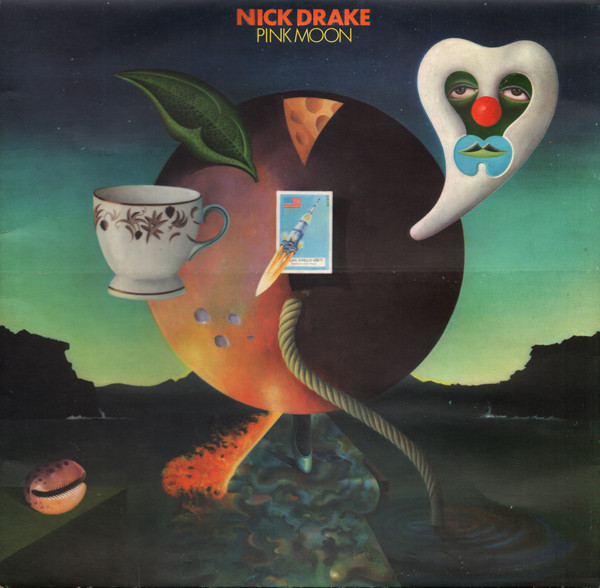
Pink Moon
1972

Five Leaves Left
1969
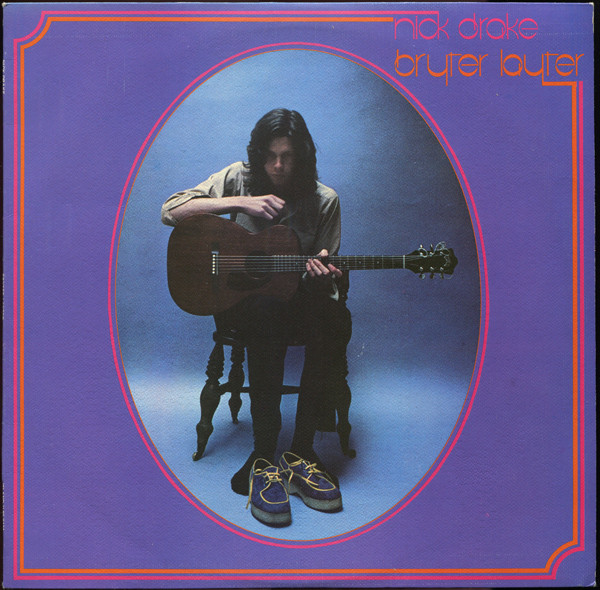
Bryter Layter
1971
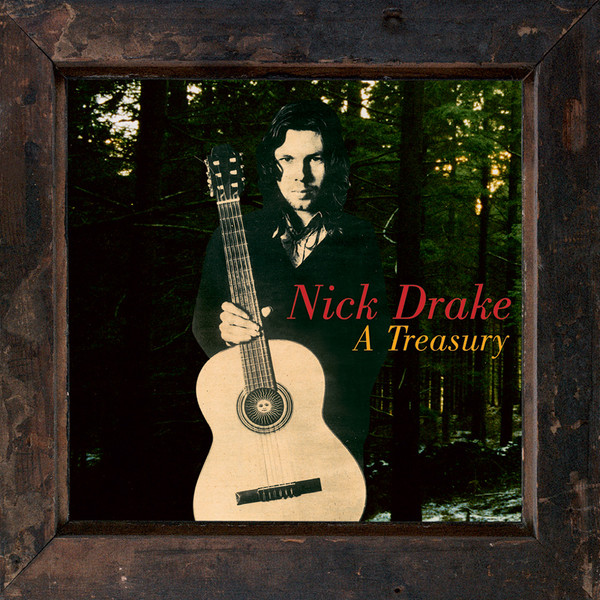
A Treasury
2004

Made To Love Magic
2004
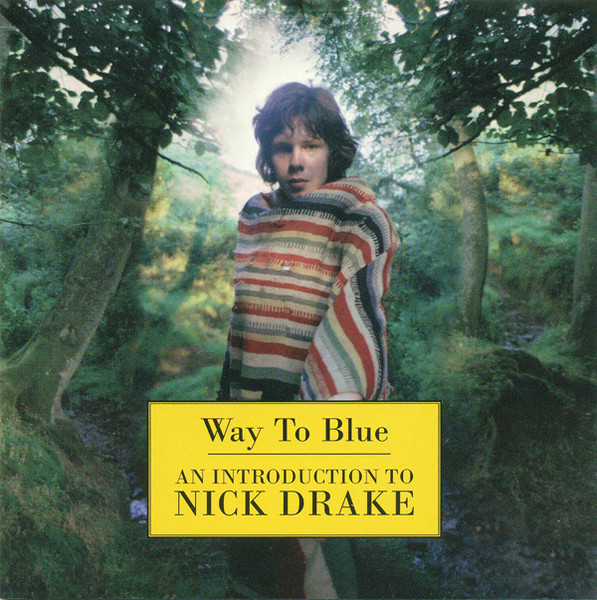
Way To Blue - An Introduction To Nick Drake
1994
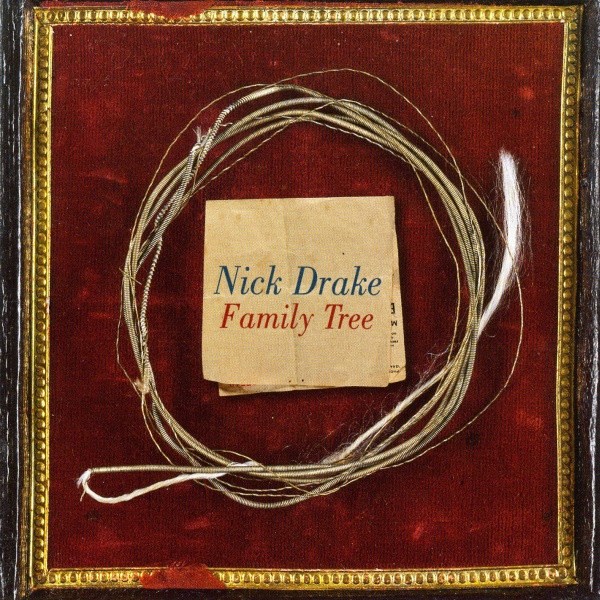
Family Tree
2007
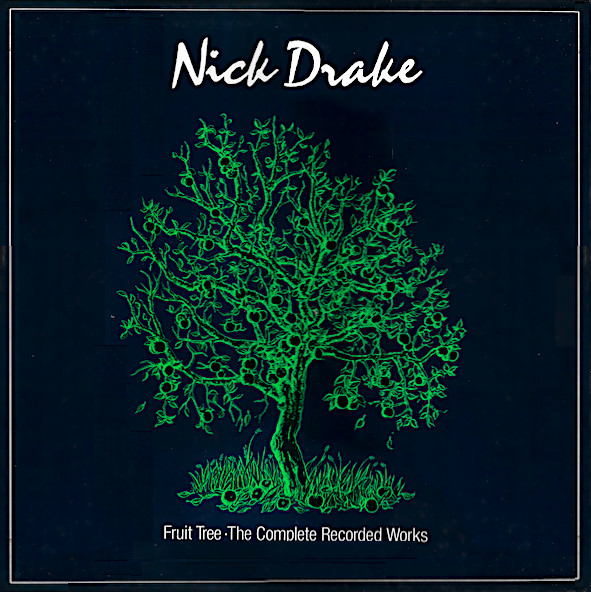
Fruit Tree · The Complete Recorded Works
1979
Nick Drake
1971
Time Of No Reply
1986

Heaven In A Wild Flower - An Exploration Of Nick Drake
1985

A Day Gone By...
2014
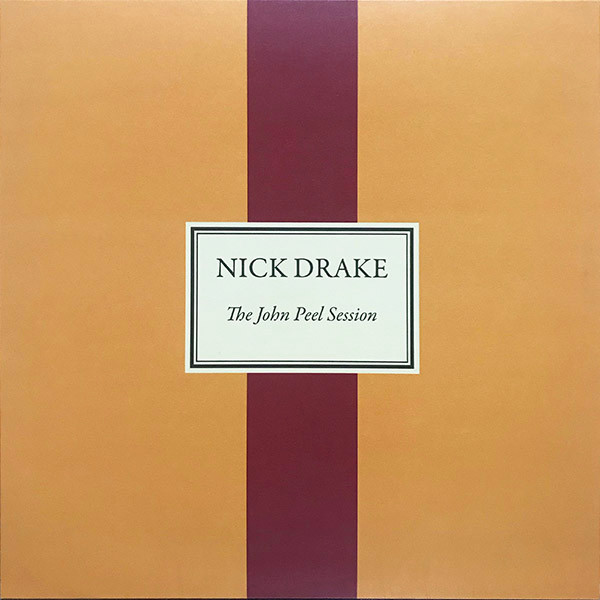
The John Peel Session
2014

"Second Grace" Alternate Versions And Unreleased Songs
2001
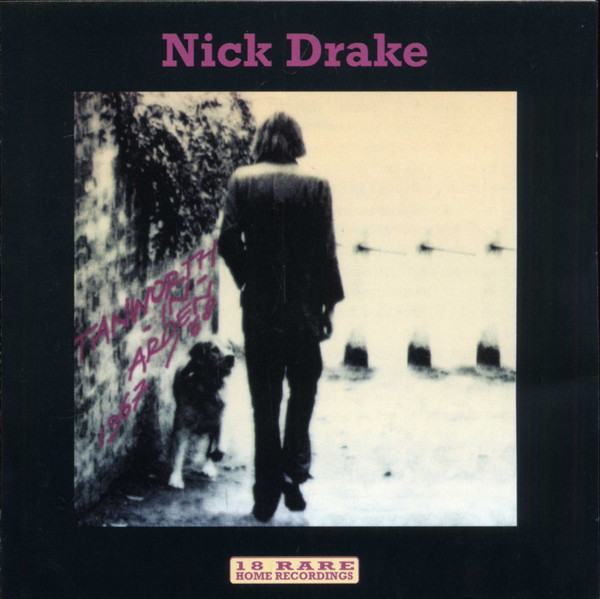
Tanworth-In-Arden 1967/68
1994
Related artists
Frequent collaborators
Around the web
Follow every record they touch.
Start your shelf and Gatefold tracks Nick Drake's new pressings, tour dates, and the whole discography — automatically.
Start your shelf →Free forever. Works with 10 records or 10,000.