
Artist
Mötley Crüe
Los Angeles, United States · Formed 1981
Mötley Crüe is a music group from Los Angeles, United States, active since 1981. Their discography on Gatefold includes 24 records.

44
Albums tracked
460
In collections
1981
Since
Biography
Nikki Sixx started the band with a cheap Gibson Thunderbird bass and a copy of the New York Dolls' debut record. They recorded Too Fast for Love on a shoestring budget for their own Leathür Records label, and that raw, messy, three-track-sounding mix is actually the best they ever sounded. It had more in common with the Dead Boys and Hanoi Rocks than the bloated stadium metal that followed. Vince Neil's vocals were high, flat, and out of tune, but the snotty punk energy carried the whole thing. Once Elektra picked them up and Bob Rock got behind the board for Dr. Feelgood, the grit got sanded down into a massive, precision-engineered radio product. That record is a marvel of late-80s studio compression where every kick drum hit sounds like an explosion and every chorus is designed to sell beer. The band survived on sheer attitude and Mick Mars' heavy, blues-based riffing, which kept them from completely dissolving into pop-metal parody. When the drugs and the ego-tripping took over, the songwriting fell off a cliff, but that initial run of sleazy, dangerous street-level rock and roll was the real deal.
Bio from The Clerk
The Arc of Mötley Crüe
The pivots — what forced Mötley Crüe to reinvent.
The Leathür Records Punk Era
Before the arena pyrotechnics, they were a dirty, self-funded club band mixing glitter-rock style with genuine street punk aggression. Operating on zero money, they cut Too Fast for Love with engineer Michael Wagener in a haze of cheap beer and late-night sessions. The result was a dry, treble-heavy record where Mick Mars' guitar cut like a hacksaw. You can hear the raw, unpolished energy of a band that actually had to play live to survive.
The Bob Rock Studio Fortification
After the creative slump of Theatre of Pain and Girls, Girls, Girls, the band got sober-ish and hired producer Bob Rock to rebuild their sound in Vancouver. Rock treated the studio like a construction site, tracking instruments individually, layering vocals into a massive wall of sound, and forcing Tommy Lee to play with metronomic precision. Dr. Feelgood became a sonic bulldozer, trading their loose, sleazy club swing for a highly compressed, stadium-sized thud. It defined the polished, expensive metal sound of 1989.
The Corabi Pivot
When Vince Neil got fired in 1992, the band hired singer-guitarist John Corabi and tried to pivot toward the heavy, detuned alternative rock sound dominating the nineties. Recording their 1994 self-titled album with Bob Rock again, the band dropped the glam posturing and delivered a dark, complex, groove-heavy record featuring drop-D tuning and acoustic layers. Fans hated the lack of Vince's signature whine, but musicians still point to it as the most technically accomplished and heaviest record the band ever made.
Influences
- New York Dolls — Nikki Sixx openly modeled the band's initial trashy, cross-dressing aesthetic and street-gang attitude directly on the Dolls' image. You hear this influence in the snotty, loose-jointed swagger of 'Trashy' and the raw chord progressions of 'Too Fast for Love'. It was the template for their entire early look and sound.
- Cheap Trick — Mötley Crüe covered 'On With the Show' on their debut, drawing directly from Cheap Trick's knack for dark lyrical themes wrapped in massive, power-pop melodic hooks. The influence is obvious in the way Mick Mars matches power chords with Vince Neil's sugary, anthemic vocal melodies. They wanted the heaviness of metal but the radio-friendly hooks of Rockford's finest.
- T. Rex — The stomping, glam-rock rhythm of Marc Bolan is the literal backbone of the band's biggest hits. You can hear the exact boogie groove of 'Get It On' recycled into the swaggering main riff of 'Bang on My Drum' and 'Girls, Girls, Girls'. They took British glam, ran it through a Marshall stack, and turned it into Sunset Strip sleaze.
- Sex Pistols — The band's early live shows were fueled by a snotty punk-rock contempt, leading them to cover 'Anarchy in the U.K.' on their Decadence album. Steve Jones' thick, buzzing guitar tone was a massive influence on how Mick Mars dialed in his rhythm tracks. It kept their early metal from sounding too polite or progressive.
- Led Zeppelin — Tommy Lee's entire drumming style is a direct emulation of John Bonham's massive, behind-the-beat groove and giant drum sound. They covered 'Helter Skelter' but played it with the heavy, bluesy swing of Zeppelin, and Lee's gated room-sound on Dr. Feelgood is a modern, high-tech update of the 'When the Levee Breaks' drum sound.
Discography
Their records — most-collected first.
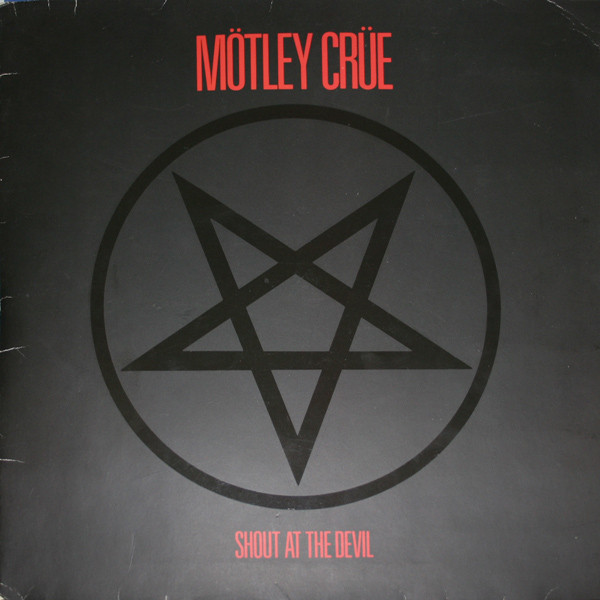
Shout At The Devil
1983
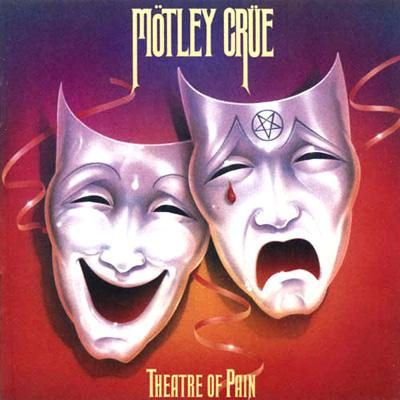
Theatre Of Pain
1985
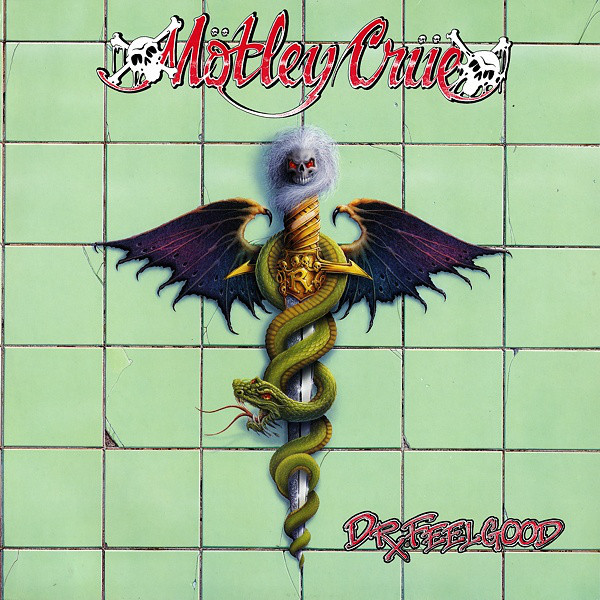
Dr. Feelgood
1989
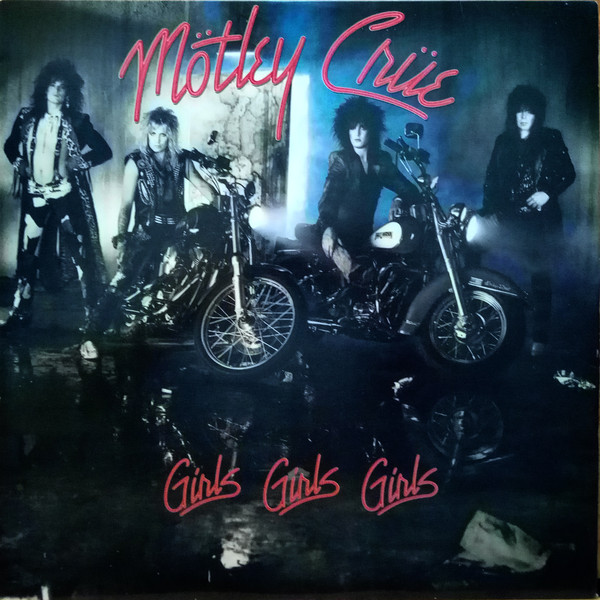
Girls, Girls, Girls
1987
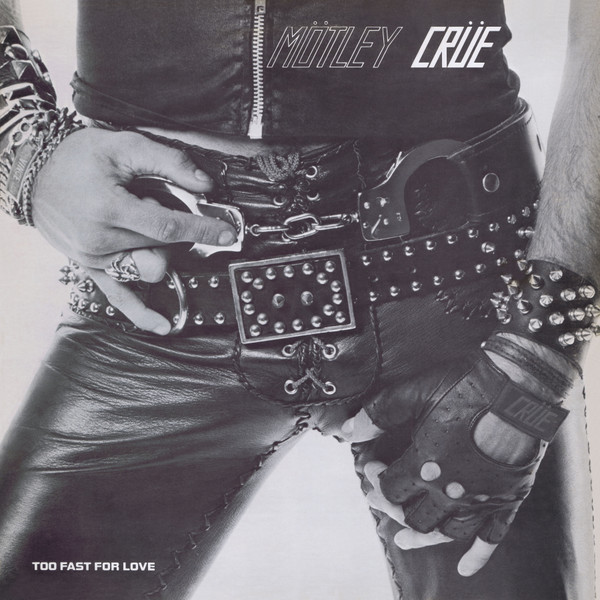
Too Fast For Love
1981
Greatest Hits
2009
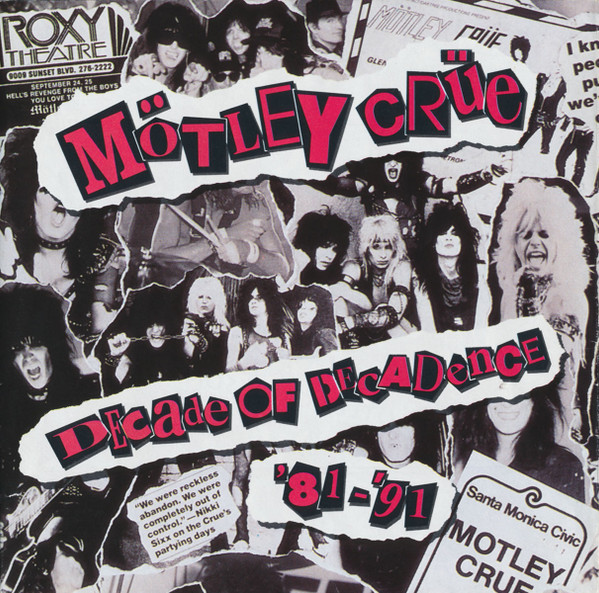
Decade Of Decadence '81-'91
1991

Greatest Hits
1998
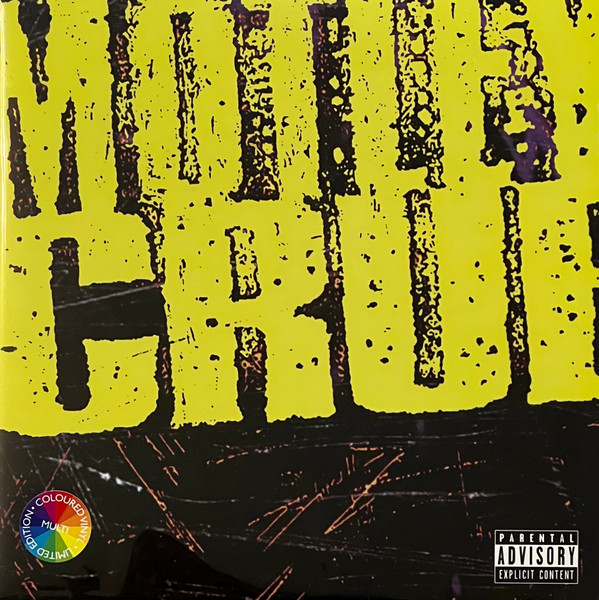
Motley Crue
1994
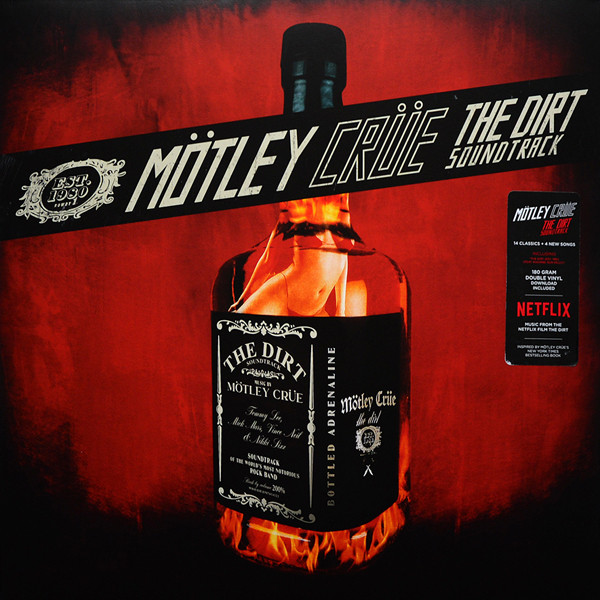
The Dirt Soundtrack
2019
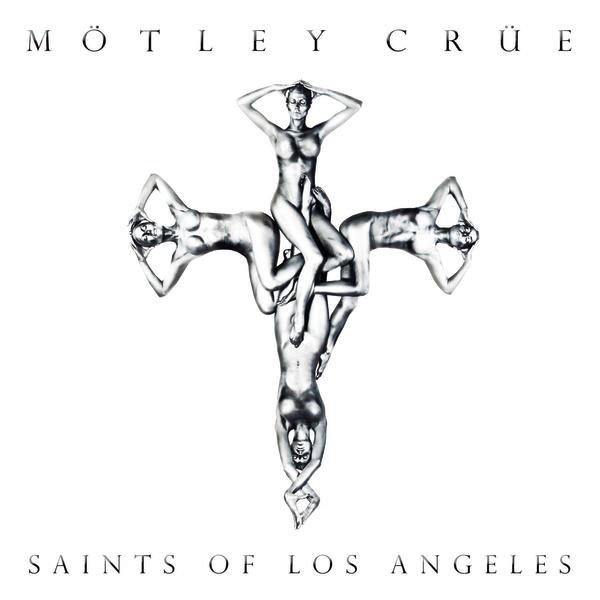
Saints Of Los Angeles
2008

Dr. Feelgood
1989

Crücial Crüe (The Studio Albums 1981-1989)
2023

Generation Swine
1997

From The Beginning
2025
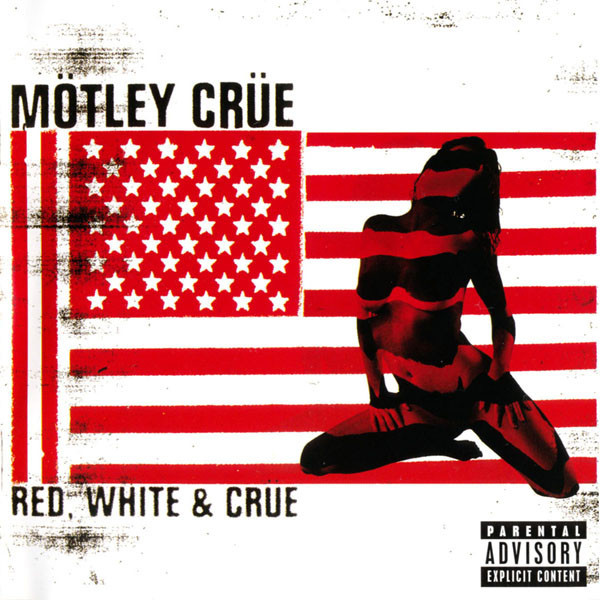
Red, White & Crüe
2005

Girls Girls Girls
1987

Supersonic And Demonic Relics

Cancelled
2024
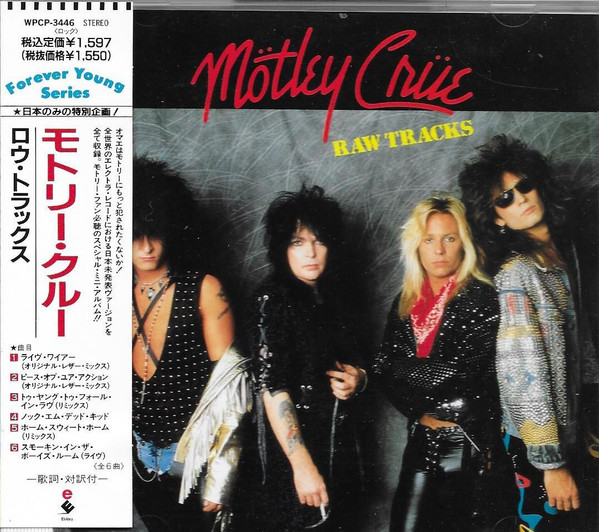
Raw Tracks
1988

Smokin' In The Boys Room
1985
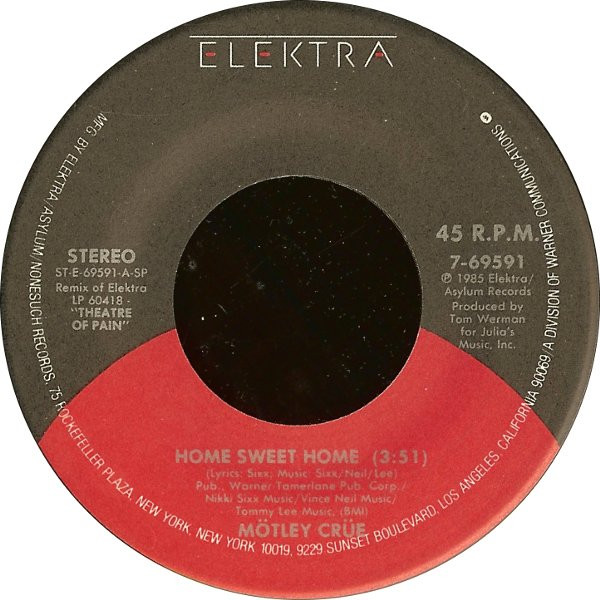
Home Sweet Home
1985
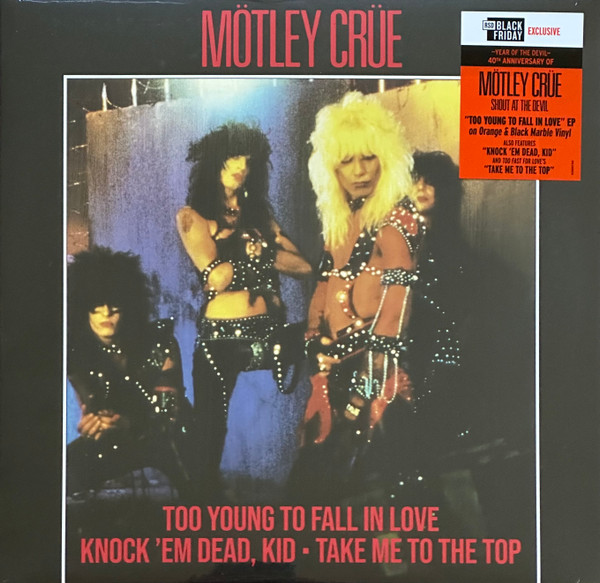
Too Young To Fall In Love (Remix)
1984

Hooligan's Holiday
1994
Related artists
Frequent collaborators
Around the web
Follow every record they touch.
Start your shelf and Gatefold tracks Mötley Crüe's new pressings, tour dates, and the whole discography — automatically.
Start your shelf →Free forever. Works with 10 records or 10,000.