
Artist
The White Stripes
Detroit, United States · 1997 – 2011
The White Stripes is a music group from Detroit, United States, active 1997–2011. Their discography on Gatefold includes 24 records.

53
Albums tracked
1,297
In collections
1997
Since
Biography
Jack and Meg tracked the first record on a four-track at Ghetto Recorders with Jim Diamond, and that cheap, blown-out signal became the whole fuckin' playbook. It wasn't about being retro for the hell of it—Jack was obsessed with the idea that gear limits force you to actually play your instrument. If you can’t make it work with two people and a plastic airline guitar, you’re just hiding behind the board. They spent years pretending to be siblings to keep the press from sniffing around their divorce, which is the most Detroit move ever. The red, white, and black color scheme was a gimmick, sure, but it gave them a visual hook while they were busy ripping through Son House and Gun Club covers in half-empty bars. By the time they got to Get Behind Me Satan, Jack was swapping the Telecaster for a marimba and a piano because he was bored of being a guitar hero. It was a weird, polarizing pivot that felt like a breakup letter to their own hype.
Bio from The Clerk
The Arc of The White Stripes
The pivots — what forced The White Stripes to reinvent.
The Cass Corridor Years
Before the world gave a shit about garage rock, they were just another loud-as-hell duo playing the Gold Dollar in Detroit. They stayed glued to the local scene, cutting 7-inches for Italy Records and Sympathy for the Record Industry that sounded like they were recorded in a trash can. You hear it on the self-titled debut—it’s jagged, unpleasant, and completely unpolished. Jack was still working as an upholsterer, and that blue-collar 'work with what you got' philosophy is all over those early, screeching takes.
The Third Man Expansion
Moving to Toe Rag Studios in London to record Elephant changed the trajectory because they finally had the budget to prove they weren't a fluke. Liam Watson’s all-analog setup was the perfect sandbox for Jack to push Meg’s drumming into that stadium-filling stomp. The gear was ancient—nothing in the studio was made after 1963—but the result was massive, radio-ready anthems that somehow didn't compromise on the grit. This was the peak of the primary-color era before the corporate polish started to creep in.
The Nashville Drift
By the time they hit Icky Thump, the duo dynamic was fraying and Jack was moving his life to Nashville. They recorded the final album at Blackbird Studios, and for the first time, they let the production get busy with bagpipes and synthesized organs. It’s their most professional-sounding record, which is exactly why it feels like the end of the road. The raw anxiety of the early Detroit sessions was replaced by high-end studio proficiency, and they checked out shortly after the 2007 tour.
Influences
- Son House — Jack has explicitly called 'Death Letter' his favorite song and covered it on De Stijl. You hear that Delta blues haunting the slide guitar work on every single record they made. It's the DNA of the whole band.
- The Stooges — They’re a Detroit band, so Iggy’s ghost is unavoidable, specifically that raw, unhinged energy of Fun House. The White Stripes took that proto-punk template and stripped it down to just the bones. It's that specific 'city-on-fire' urgency.
- The Gun Club — They covered 'For the Love of Ivy' and Jack frequently cites Jeffrey Lee Pierce as a primary vocal influence. That frantic, yelping vocal style is a direct lift from Pierce’s playbook. It’s blues-punk filtered through a fever dream.
- Blind Willie McTell — The album De Stijl is dedicated to him and the Dutch architect Gerrit Rietveld. Jack obsessed over McTell's fingerpicking and storytelling, which shows up in the more acoustic, folk-leaning tracks like 'Lord, Send Me an Angel.' It's the softer side of their distortion.
- Loretta Lynn — Jack produced her Van Lear Rose album and dedicated Van Lear Rose's predecessor, White Blood Cells, to her. Her straightforward, no-bullshit songwriting style heavily informed the way Jack structured the band’s mid-career ballads. For fuck's sake, they even covered 'Rated X' live for years.
Discography
Their records — most-collected first.
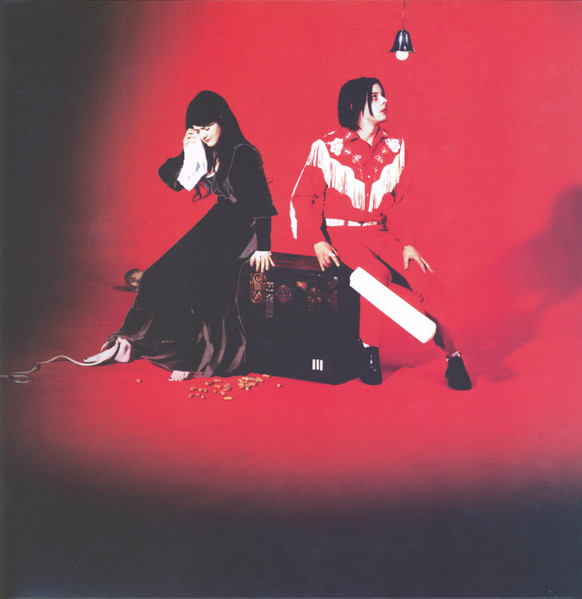
Elephant
2003
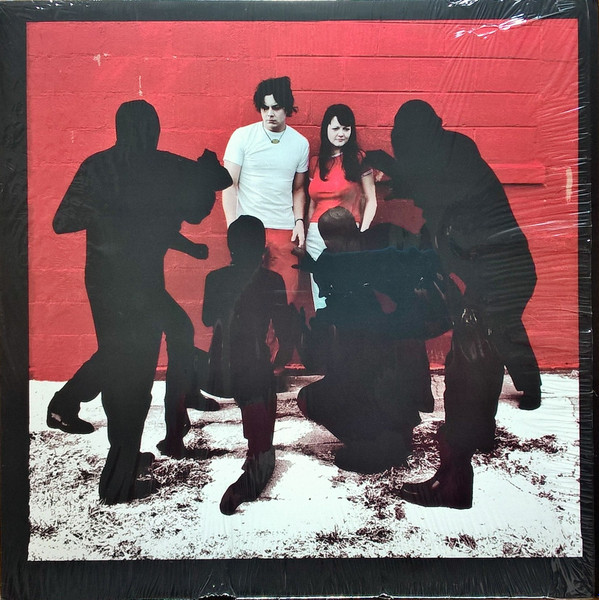
White Blood Cells
2001
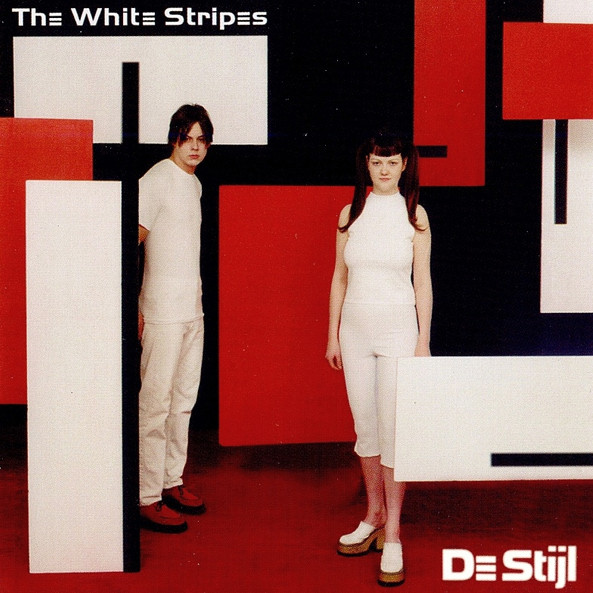
De Stijl
2000
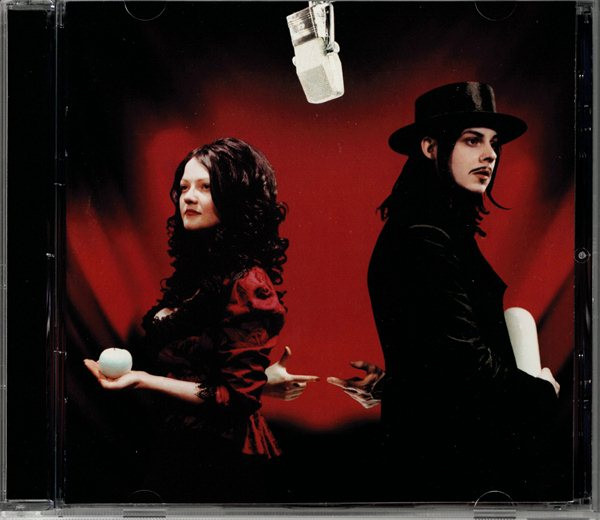
Get Behind Me Satan
2005
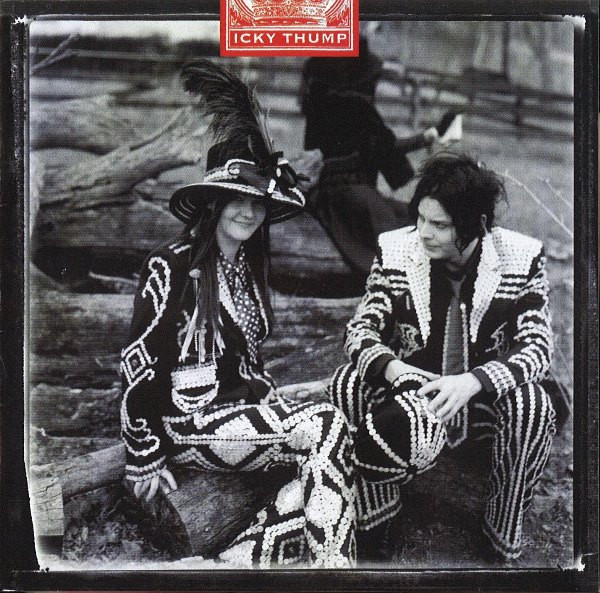
Icky Thump
2007
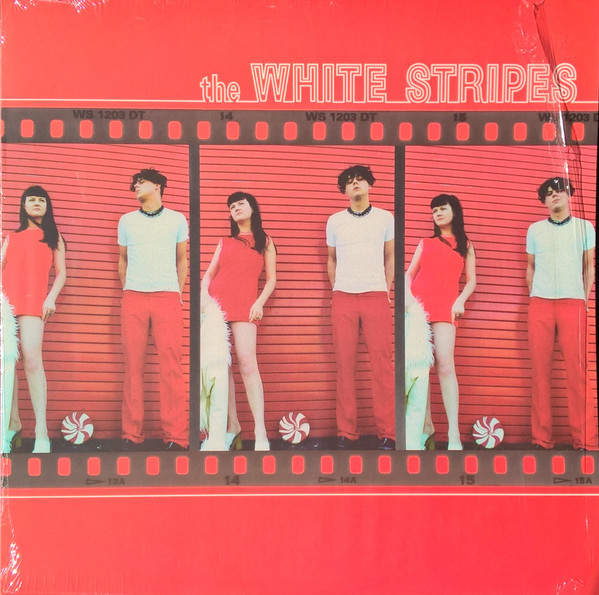
The White Stripes
1999
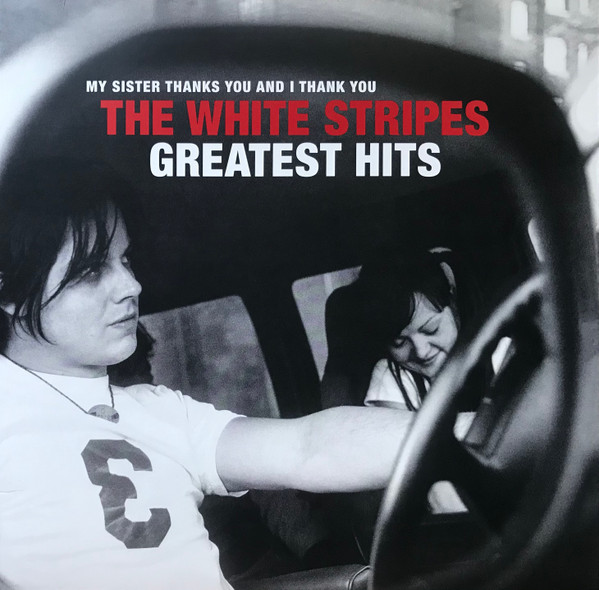
My Sister Thanks You And I Thank You The White Stripes Greatest Hits
2020

Under Great White Northern Lights
2010
The Complete John Peel Sessions
2016
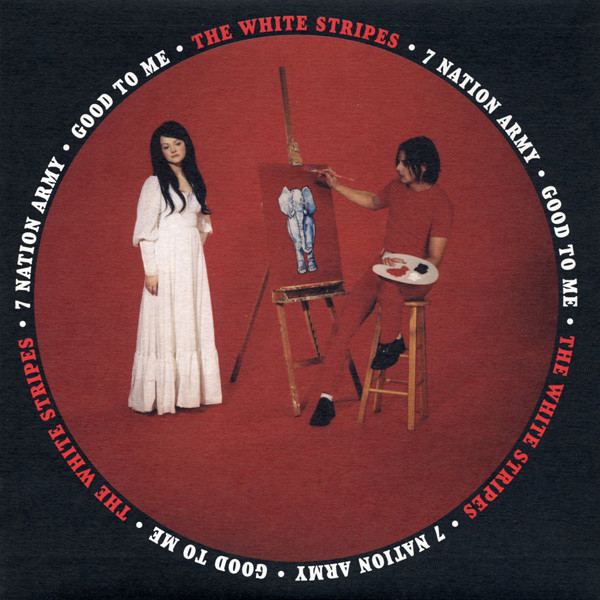
7 Nation Army
2003
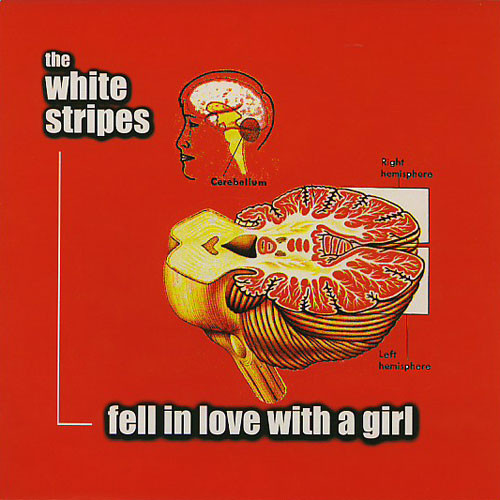
Fell In Love With A Girl
2002
White Blood Cells XX
2021
Under Amazonian Lights
2015
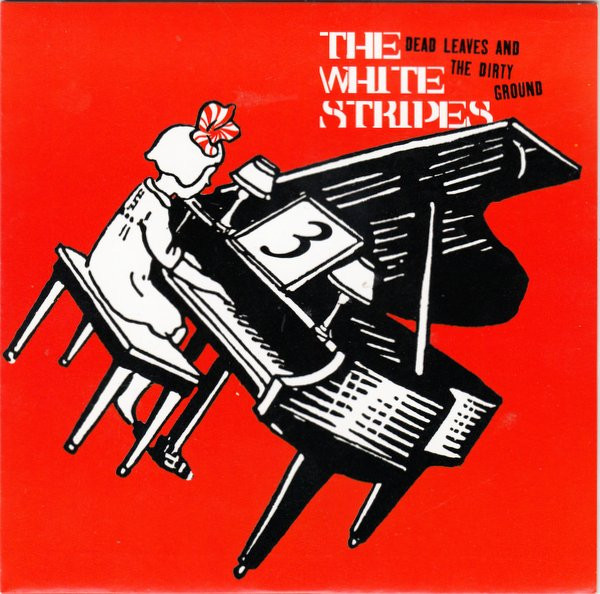
Dead Leaves And The Dirty Ground
2002
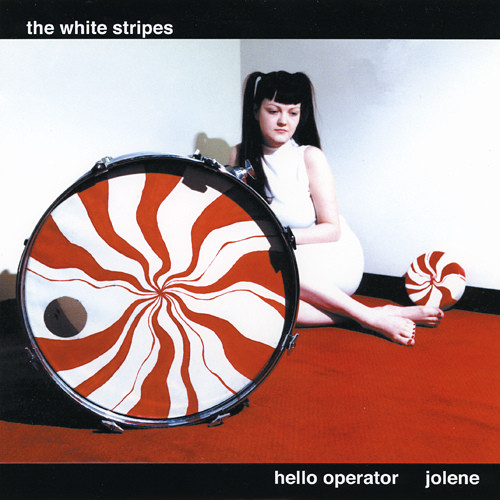
Hello Operator / Jolene
2000

Get Behind Me Satan XX
2025
Live In Detroit
2017
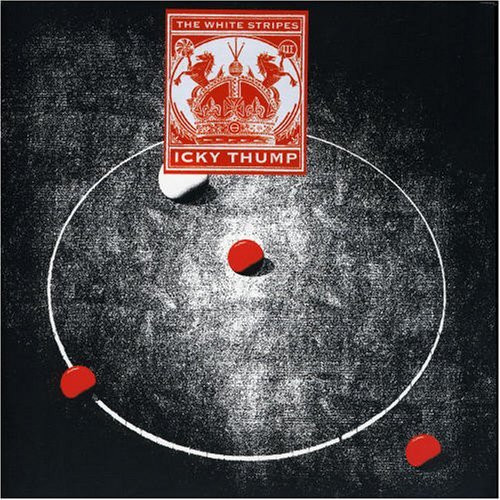
Icky Thump
2007
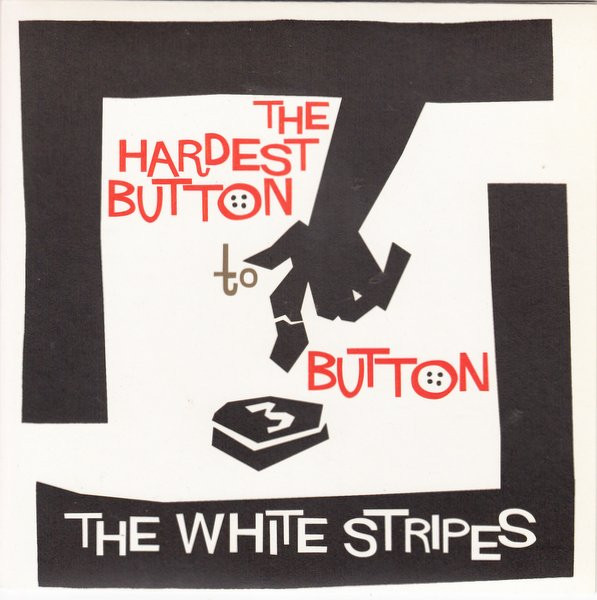
The Hardest Button To Button
2003

Hotel Yorba
2001

Let's Shake Hands
1998
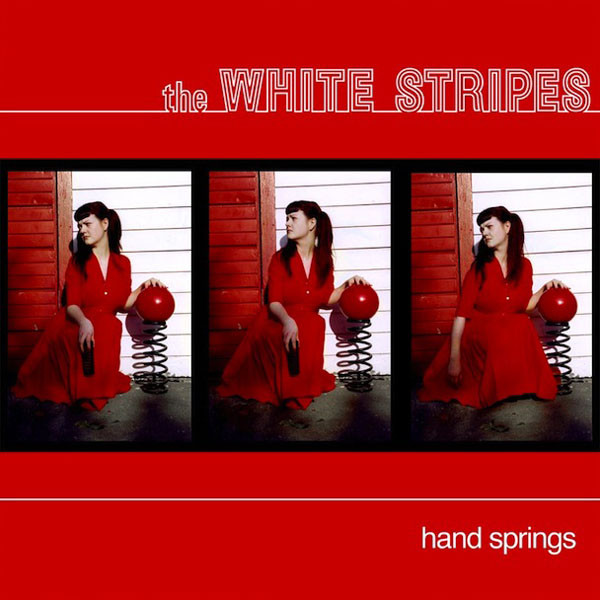
Hand Springs
2012

My Doorbell
2005
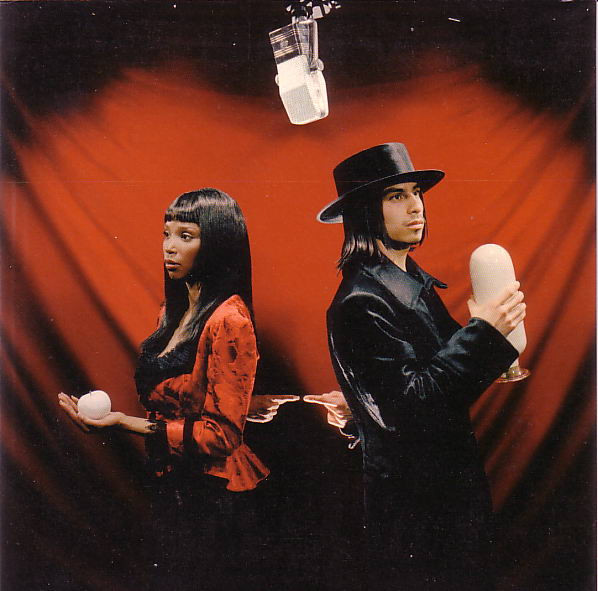
Blue Orchid
2005
Related artists
Members
Around the web
Follow every record they touch.
Start your shelf and Gatefold tracks The White Stripes's new pressings, tour dates, and the whole discography — automatically.
Start your shelf →Free forever. Works with 10 records or 10,000.