
Artist
Kylie Minogue
Melbourne, Australia · b. 1968
Kylie Minogue is a musician from Melbourne, Australia, active since 1968. Their discography on Gatefold includes 24 records.

36
Albums tracked
104
In collections
1968
Since
Biography
Mike Stock, Matt Aitken, and Pete Waterman flat-out forgot she was flying into London, so they wrote "I Should Be So Lucky" in about forty minutes while she sat waiting around the lobby. That was the Pete Waterman Entertainment assembly line in 1987: LinnDrums clocked to MIDI, Roland synths, cheap vocal booths, and zero room for second takes. The UK music press wrote her off as a soap star puppet who wouldn't outlast the cassette single. They didn't count on her being tougher than the machinery. Most pop stars break their own necks trying to get taken seriously. She tried the brooding indie-chanteuse detour on Deconstruction in the late nineties, taking notes from the Manic Street Preachers and Nick Cave, and the public punished her for it with piss-poor sales. Instead of sulking, she pivoted back to the discotheque and dropped "Can't Get You Out of My Head"—a cold, metallic electro-pop monster built on a hypnotic hook that cleaned up across the entire planet. That cut survived the early 2000s compression wars because it didn't rely on hype; it relied on razor-sharp discipline. She's endured forty years of A&R shifts and label collapses by treating dance music as heavy manual labor rather than a runway show. When the tracks miss, they're glossy filler. But when she locks into a four-on-the-floor groove, she commands the room without having to scream over the snare. She is the ultimate dancefloor pragmatist.
Bio from The Clerk
The Arc of Kylie Minogue
The pivots — what forced Kylie Minogue to reinvent.
The Hit Factory Assembly Line
Stock Aitken Waterman put her on a relentless conveyor belt of Hi-NRG pop singles through her 1988 debut and 1989's Enjoy Yourself. Every drum track was quantized within an inch of its life, and the UK tabloids treated her like disposable studio foam. By 1990's Rhythm of Love, she started demanding creative control, leaning into house grooves and pushing past the bubbly teenage persona. It was the sound of an artist outgrowing the machine that built her.
The Indie Left-Turn
Signing with Deconstruction Records in 1994, she broke away from formulaic bubblegum to experiment with UK club culture and trip-hop. The 1997 record Impossible Princess was the apex of this shift, featuring darker guitar textures, collaborations with James Dean Bradfield, and jagged, confessional lyrics. The critics savaged it at the time for breaking character, and the sales slumped hard. It remains the most fascinating, blood-and-guts record she ever cut.
The Euro-Pop Ascendancy
She course-corrected in 2000 by signing to Parlophone and dropping Light Years, embracing camp disco and European club sounds with total conviction. A year later, 2001's Fever delivered "Can't Get You Out of My Head," produced by Cathy Dennis and Rob Davis, stripping dance-pop down to a bone-dry, hypnotic pulse. It completely conquered American radio without sacrificing an ounce of European elegance. She stopped running from pop and decided to own it entirely.
Influences
- Donna Summer — Summer set the blueprint for high-concept, producer-driven dance music backed by Giorgio Moroder. You hear that relentless Euro-disco pulse driving tracks across Light Years and Fever. It gave her the map for staying regal while singing over four-on-the-floor kick drums.
- ABBA — She cut a direct, reverent cover of "Dancing Queen" and repeatedly cited their precision-engineered melancholic pop as her gold standard. That bittersweet Nordic harmony work lives right inside the chord changes of "Love at First Sight." Nobody understood happy-sad pop machinery better than Benny and Björn.
- Little Eva — Her entire recording career kicked off because she recorded a cover of Gerry Goffin and Carole King's "The Loco-Motion" in Australia. That bubblegum track became an instant smash, caught Pete Waterman's ear, and launched her into the UK studio machine. Without that cover, she might have stayed in daytime television.
- Blondie — Debbie Harry proved a frontwoman could straddle scuzzy CBGB rock, disco beats, and pure chart pop without losing her cool. You hear that deadpan, spoken-sung vocal delivery directly on tracks like "Slow" and "Come into My World." Harry was the precedent for being simultaneously glamorous and detached.
- Prince — During a 1992 studio meeting in Minneapolis, Prince gave her an unreleased track called "Baby Doll" after she showed up asking to collaborate. The Minneapolis sound's dry synth funk and sparse basslines directly informed her mid-nineties pivot toward club R&B. He showed her how to strip away the glossy studio clutter and let the rhythm section breathe.
Discography
Their records — most-collected first.

Fever
2001

Kylie
1988

Fever
2002
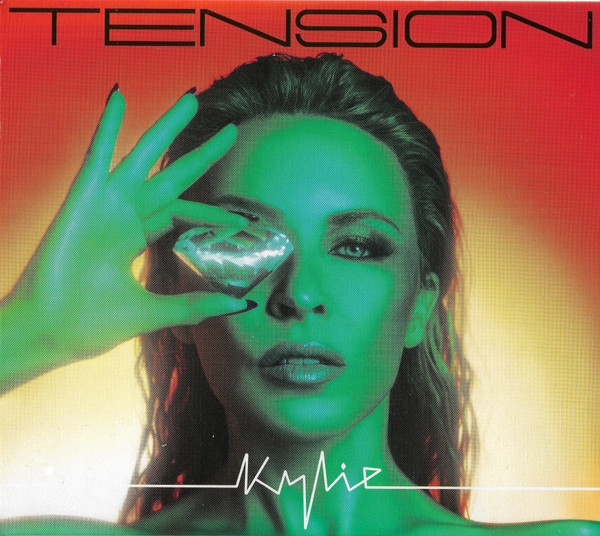
Tension
2023

Impossible Princess
1997

X
2007

Light Years
2000

Enjoy Yourself
1989

The Abbey Road Sessions
2012

Kylie Minogue
1994

Infinite Disco
2022

Ultimate Kylie
2004
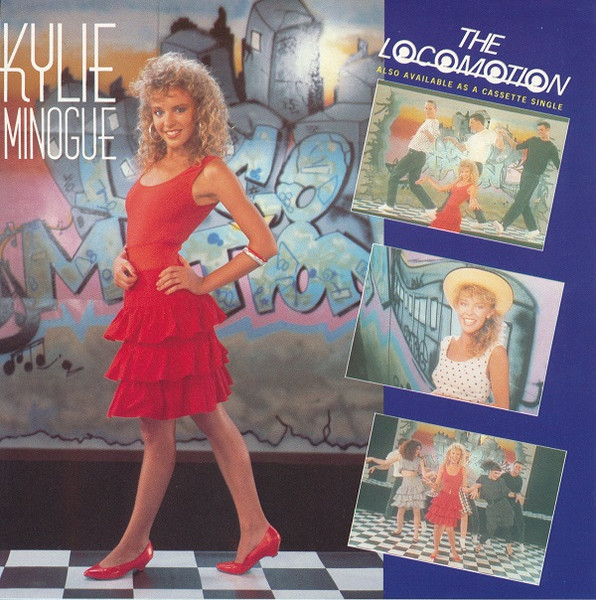
The Loco-Motion
1988

Can't Get Blue Monday Out Of My Head
2002
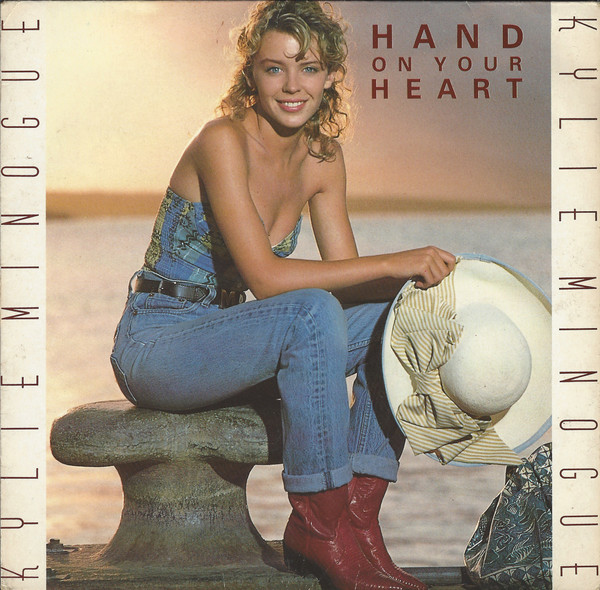
Hand On Your Heart
1989

I Should Be So Lucky
1987
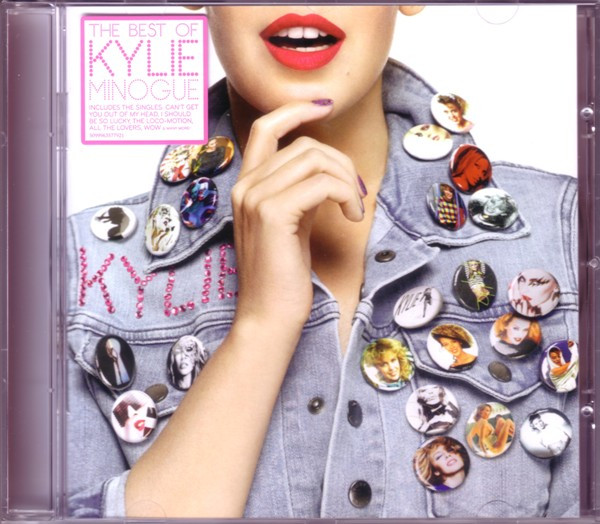
The Best Of Kylie Minogue
2012

Kylie Minogue / Impossible Princess
2005

Hits+
2000
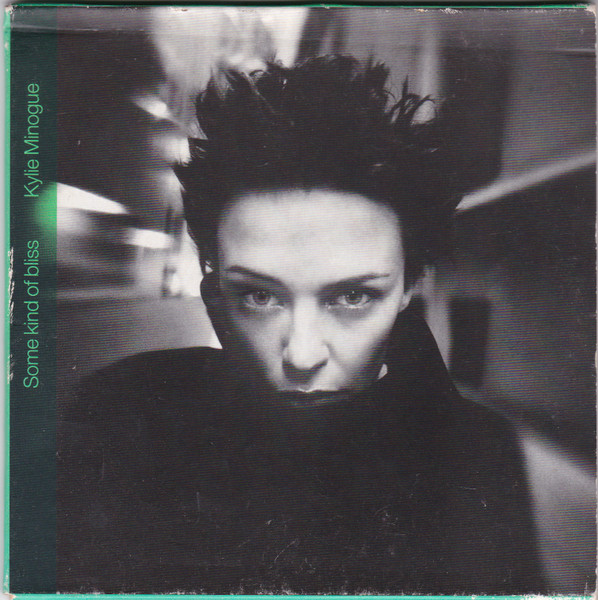
Some Kind Of Bliss
1997
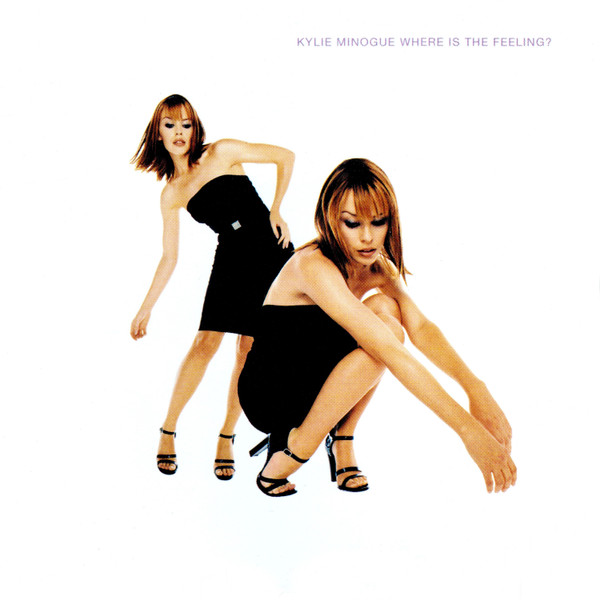
Where Is The Feeling?
1995
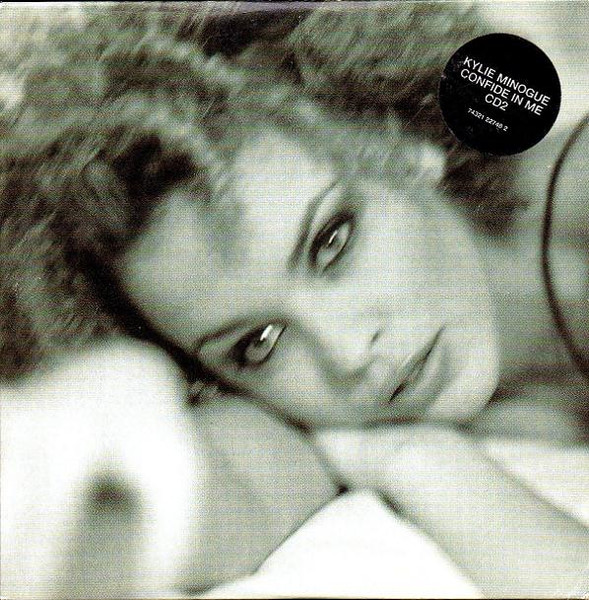
Confide In Me
1994

Greatest Remix Hits Vol. II
1993

Let's Get To It
1991
Related artists
Frequent collaborators
Around the web
Follow every record they touch.
Start your shelf and Gatefold tracks Kylie Minogue's new pressings, tour dates, and the whole discography — automatically.
Start your shelf →Free forever. Works with 10 records or 10,000.