
Artist
KISS
New York City, United States · 1973 – 2023
KISS is a music group from New York City, United States, active 1973–2023. Their discography on Gatefold includes 24 records.

48
Albums tracked
948
In collections
1973
Since
Biography
Kenny Kerner and Richie Wise recorded the first three albums in a flurry because the label was hemorrhaging money and needed product. They tracked the debut at Bell Sound Studios with a dry, boxy drum sound that barely hinted at the stage volume they were chasing. The early records were essentially a garage band trying to be The Beatles through a stack of Marshall amps. It took an act of desperation—recording a live show because the studio albums weren't moving—to finally crack the code. By the time they hit the late seventies, the wheels were falling off due to ego and chemical rot. Bob Ezrin had to literally play schoolteacher to get Destroyer done, even bringing in session players like Dick Wagner when Ace Frehley wouldn't show up. They spent the eighties chasing every trend from disco to hair metal, occasionally accidentally making a heavy record like Creatures of the Night when they realized the pop stuff was killing their credibility. It’s a catalog of brilliant marketing masking a deep, frantic insecurity about being taken seriously as musicians.
Bio from The Clerk
The Arc of KISS
The pivots — what forced KISS to reinvent.
The Casablanca Hustle
Neil Bogart was betting his entire label on four guys from Queens who looked like comic book characters. Kerner and Wise produced the first three records with a lean, hungry power-pop sensibility that sounds remarkably grounded compared to what came later. You hear it on Dressed to Kill, where the songs are tight, three-minute punches designed for AM radio. This era was defined by the struggle to translate a massive pyrotechnic stage show into a modest studio budget.
The Ezrin Overhaul
Bob Ezrin stepped in for Destroyer and treated the band like a boot camp, demanding actual discipline and musical complexity. He introduced orchestral arrangements, sound effects, and piano ballads that should have failed but instead turned them into a global brand. This was the moment they stopped being a rock band and became a theatrical production. The tracks are layered with a cinematic weight that defined their peak years before the solo albums tore the lineup apart.
The Makeup-Free Pivot
With their commercial stock bottoming out after the bizarre failure of the prog-rock experiment Music From “The Elder”, the band stripped the greasepaint for Lick It Up. Vinnie Vincent replaced Ace, bringing a shred-heavy style that fit the emerging 1983 metal scene. They leaned into the polished, aggressive production of the MTV era to survive. It was a calculated move to compete with the hair-metal bands that had spent years stealing their stage moves.
Influences
- The Beatles — Gene Simmons and Paul Stanley have obsessed over the Lennon-McCartney harmony structure since day one. You hear it in the bridge of 'Black Diamond' and the vocal stacks on 'Strutter.' They wanted to be the biggest band in the world by following the Merseybeat blueprint with more volume.
- Slade — Chas Chandler's production for Slade provided the template for the 'shout-along' anthem. Kiss actually covered 'Let the Good Times Roll' and modeled 'Rock and Roll All Nite' directly after the rowdy, foot-stomping energy of 'Mama Weer All Crazee Now.' It's the DNA of their entire stadium sound.
- Alice Cooper — The band saw Alice Cooper at the Ambassador Theatre and realized that theatrical horror could sell tickets. They took the makeup and the stage props but swapped the dark, cynical edge for a more consumer-friendly superhero vibe. Without Ezrin's work on 'School's Out,' he never would have been hired to fix 'Destroyer.'
- The New York Dolls — They were part of the same early seventies NYC club scene and shared the visual obsession with glam and heels. While the Dolls were sloppy and doomed, Kiss took the same street-trash aesthetic and professionalized it into a military-grade operation. It's the difference between a gutter and a skyscraper.
- Humble Pie — Steve Marriott’s grit and the dual-guitar attack of Humble Pie was the sonic target for the early Kiss records. You hear the blues-rock foundation in Ace Frehley’s phrasing on 'Cold Gin.' They were trying to capture that greasy, British blues-rock swing before the pyrotechnics took over.
Discography
Their records — most-collected first.
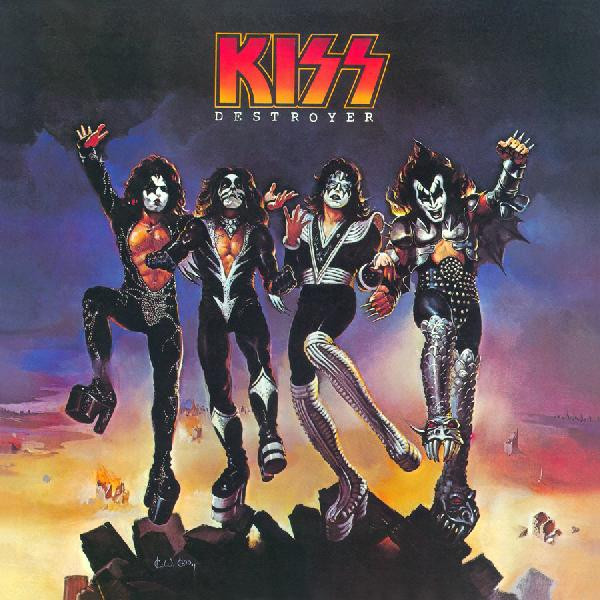
Destroyer
1976
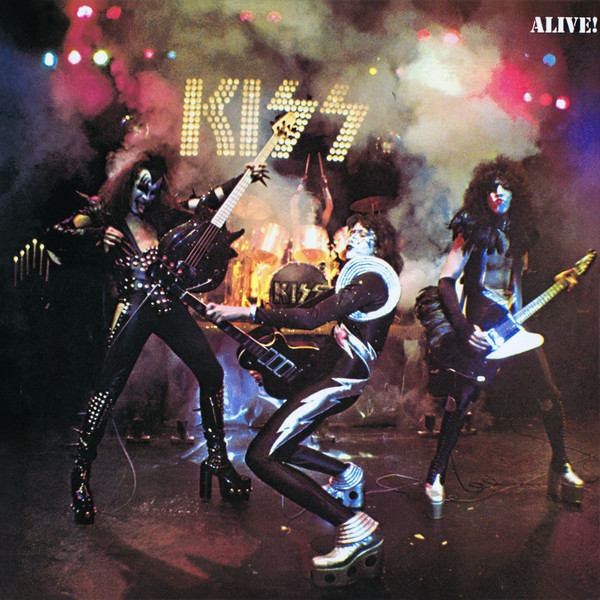
Alive!
1975
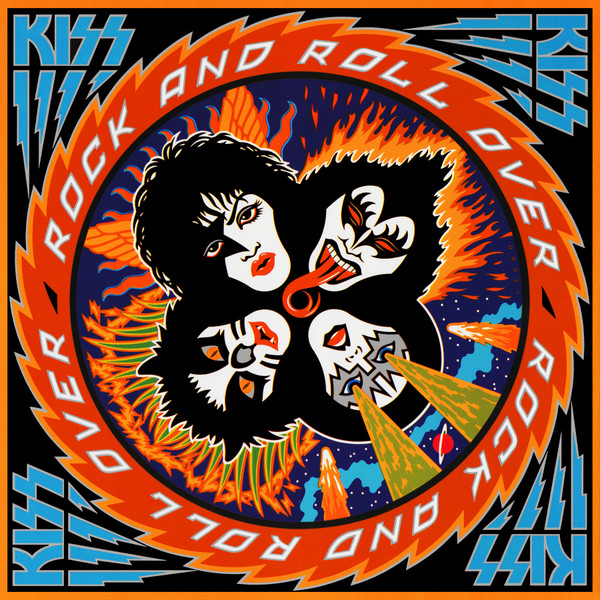
Rock And Roll Over
1976

Love Gun
1977
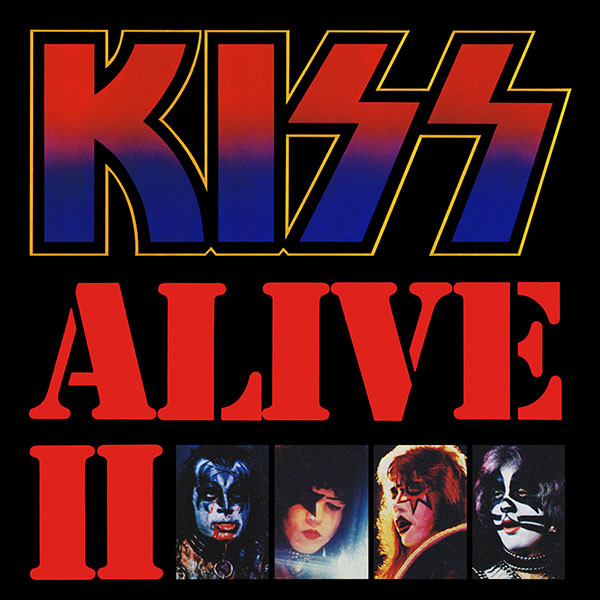
Alive II
1977
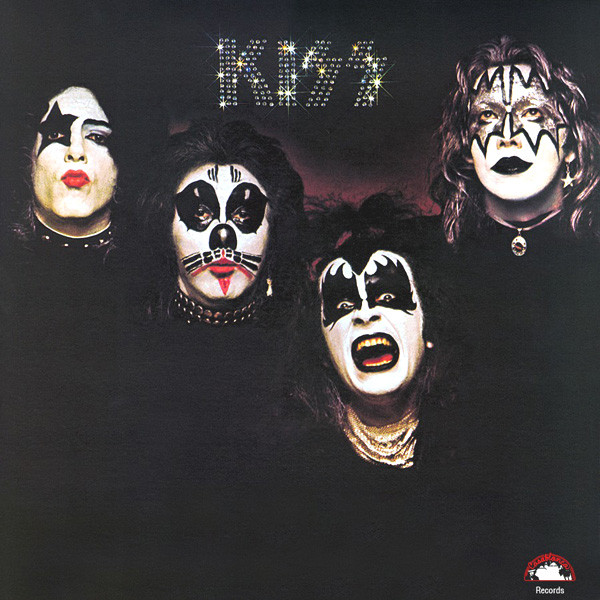
Kiss
1974

Double Platinum
1978
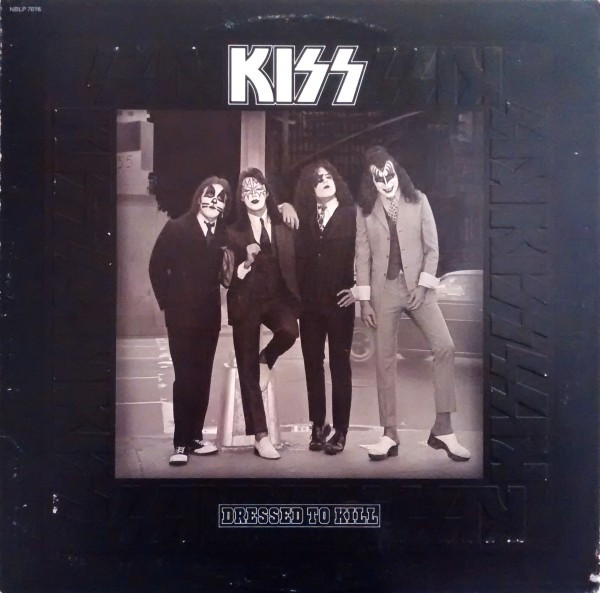
Dressed To Kill
1975
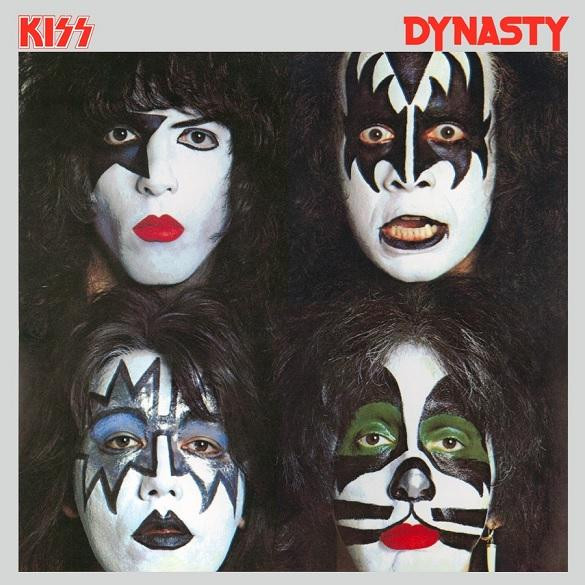
Dynasty
1979
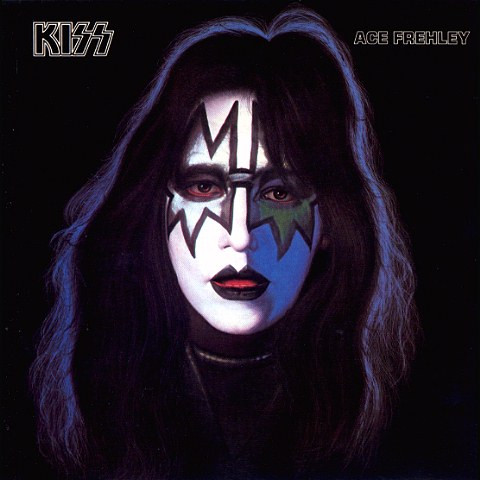
Ace Frehley
1978
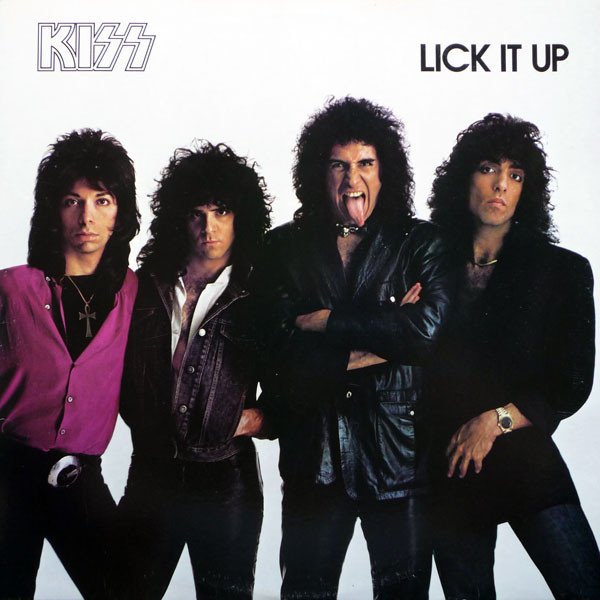
Lick It Up
1983
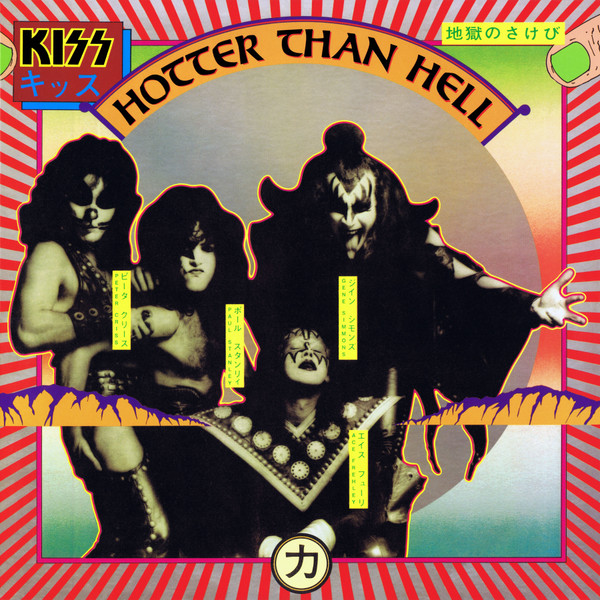
Hotter Than Hell
1974
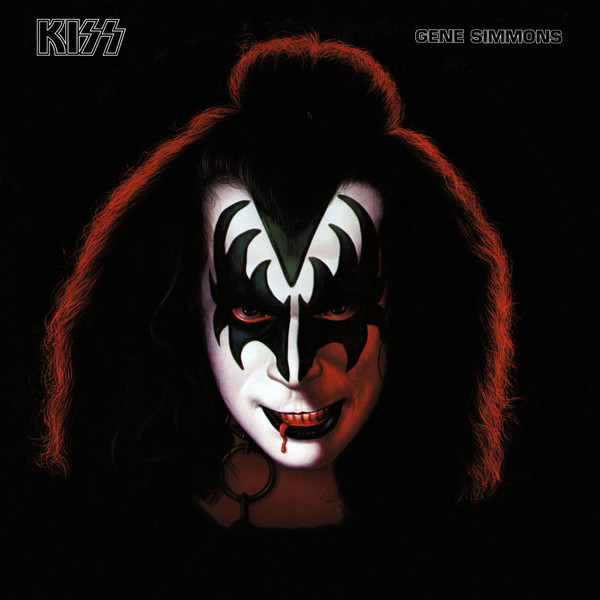
Gene Simmons
1978

Creatures Of The Night
1982

Paul Stanley
1978
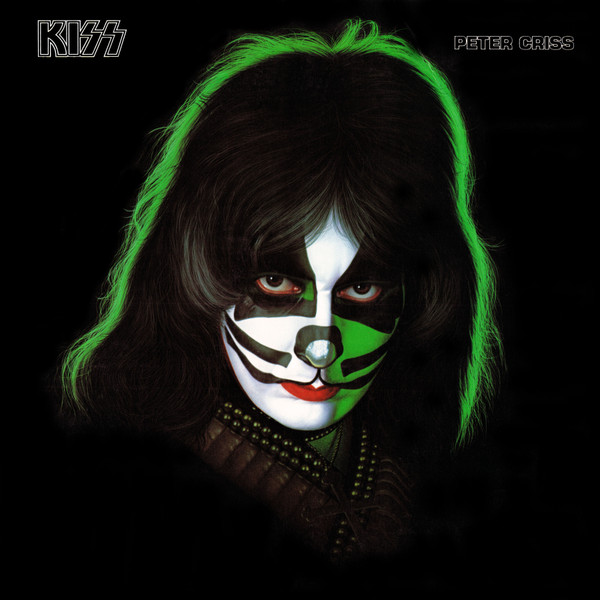
Peter Criss
1978

Animalize
1984
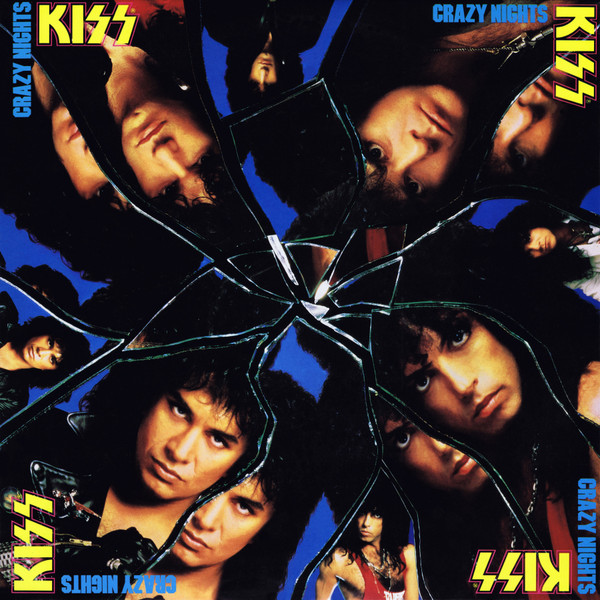
Crazy Nights
1987
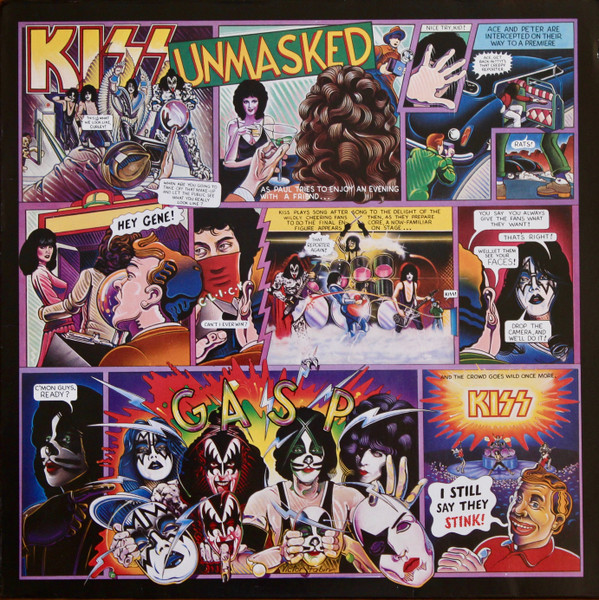
Unmasked
1980
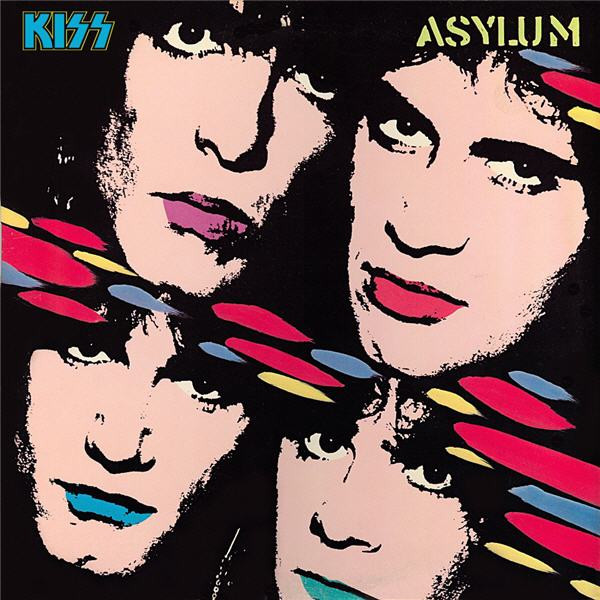
Asylum
1985

(Music From) The Elder
1981

Revenge
1992
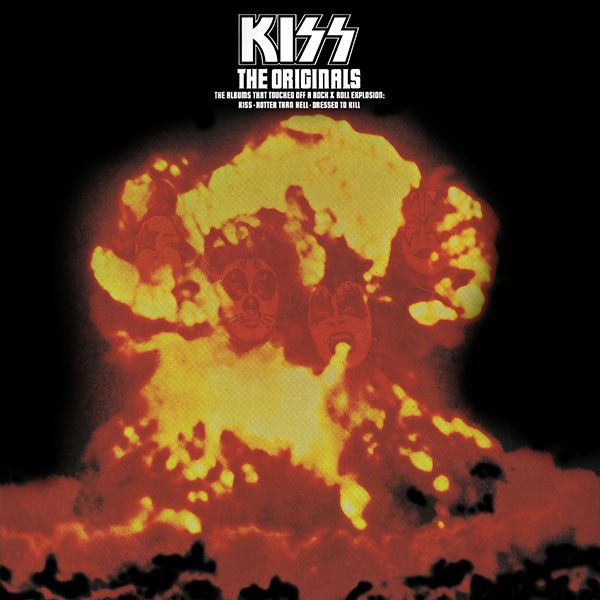
The Originals
1976

Smashes, Thrashes & Hits
1988
Related artists
Members
Frequent collaborators
Around the web
Follow every record they touch.
Start your shelf and Gatefold tracks KISS's new pressings, tour dates, and the whole discography — automatically.
Start your shelf →Free forever. Works with 10 records or 10,000.