
Artist
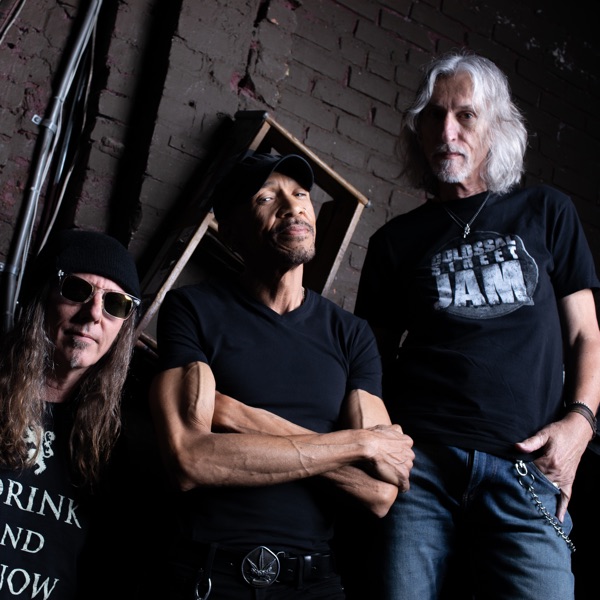
King’s X
Springfield, United States · Formed 1985
King’s X is a music group from Springfield, United States, active since 1985. Their discography on Gatefold includes 19 records.
19
Albums tracked
106
In collections
1985
Since
Biography
Sam Taylor was an Houston video producer who found three guys playing under the name Sneak Preview and decided to mold them into a spiritual heavy metal powerhouse. He didn't just produce the first few records; he acted as a fourth member, lyricist, and micromanager who demanded precision. The result was a sound that shouldn't have worked—Drop-D tuned Stratocasters, intricate Beatles-on-acid harmonies, and a rhythm section that swung harder than any of their thrash metal peers. They were too heavy for the CCM market and too soulful for the hair metal crowds at the Cat Club. By the time they signed to Atlantic, they were already the musician’s favorite band, but the industry never figured out how to sell a group that looked like a mismatched trio of session guys but played like they were summoned from a different dimension. They hit their peak with Brendan O'Brien on Dogman, trading the reverb-heavy sheen for a dry, punishing grit that finally captured how they sounded in a room together. It’s the sound of three guys realizing the industry wasn't going to save them, so they might as well get loud.
Bio from The Clerk
The Arc of King’s X
The pivots — what forced King’s X to reinvent.
The Sam Taylor Years
Under Sam Taylor’s heavy hand, the band leaned into conceptual, grandiose production that defined Out of the Silent Planet and Gretchen Goes to Nebraska. Taylor pushed for a highly polished, layered vocal approach that made them sound like a prog-rock gospel choir. This era relied on Tabor's unique Gibson Lab Series L5 amp tone to create a thick, compressed wall of sound that felt massive but contained. It was the period that built their cult following, even as the band started to feel the friction of Taylor’s creative control.
The Brendan O'Brien Shift
After the self-titled record failed to break them into the mainstream, they ditched Taylor and hired Brendan O'Brien to strip everything back for Dogman. O'Brien moved the band to Southern Tracks in Atlanta and demanded they play live in the studio with the amps cranked to ten. The shimmering choruses were replaced by a raw, aggressive stomp that showcased Pinnick’s 12-string bass as a lead instrument. It is the heaviest the band ever sounded, ditching the mysticism for a more direct, soulful punch.
The Self-Produced Independence
Following Ear Candy, the band left Atlantic and started tracking at Ty Tabor's own Alien Beans studio, beginning with Tape Head. This move gave them total autonomy but resulted in a more experimental, sometimes uneven output as they stopped chasing radio hits entirely. You hear them playing with drum loops on Manic Moonlight and revisiting old demos for Black Like Sunday, prioritizing the workflow of a working band over the pressure of a major label budget. This period turned them into a true independent unit, surviving on the road and on their own terms.
Influences
- The Beatles — Ty Tabor and Doug Pinnick have cited the Fab Four as the absolute blueprint for their three-part vocal arrangements. You hear it most clearly on 'Faith Hope Love,' where the complex, overlapping harmonies move like 'Abbey Road' over a heavy metal chassis.
- Sly & The Family Stone — Doug Pinnick frequently credits Sly Stone for the rhythmic pocket and the soulful, gospel-inflected delivery he brings to the band. The heavy funk groove in a track like 'We Are Flying' is a direct descendant of the psychedelic soul Stone pioneered in the late '60s.
- Yes — The band toured as an opening act for Yes and has often pointed to Chris Squire’s aggressive, treble-heavy bass tone as a major influence on Pinnick’s sound. The bridge sections in 'In the New Age' mirror the complex, melodic counterpoint Squire was famous for.
- ZZ Top — Being a Houston-based band, the influence of Billy Gibbons' greasy, blues-based riffing is baked into Ty Tabor's DNA. The chunky, syncopated rhythm playing on 'Summerland' owes everything to the Texas shuffle and the deceptive simplicity of the Reverend's guitar work.
- Grand Funk Railroad — Pinnick often cites the 'red album' era of Grand Funk as his introduction to the power-trio format and high-volume soul. The raw, unrefined energy of Mark Farner's trio provided the structural model for how King’s X fills space with just three players.
Discography
Their records — most-collected first.

Gretchen Goes To Nebraska
1989
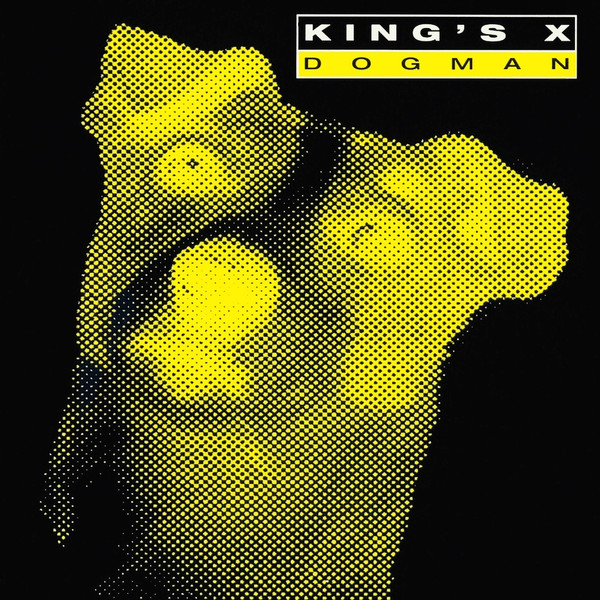
Dogman
1994

Faith Hope Love
1990
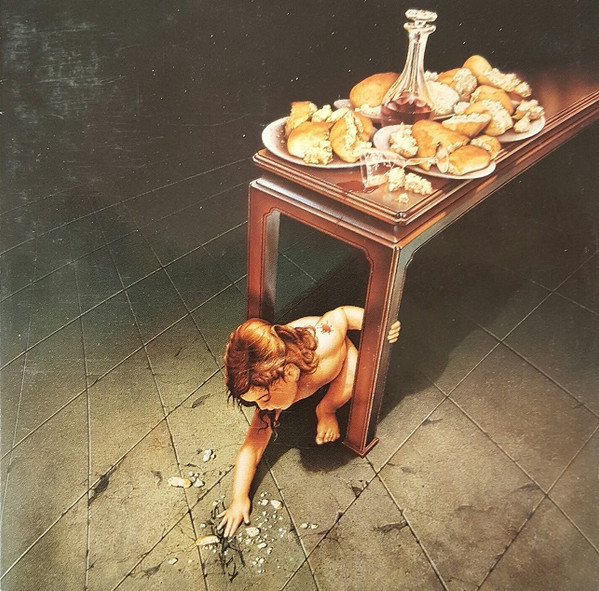
King's X
1992
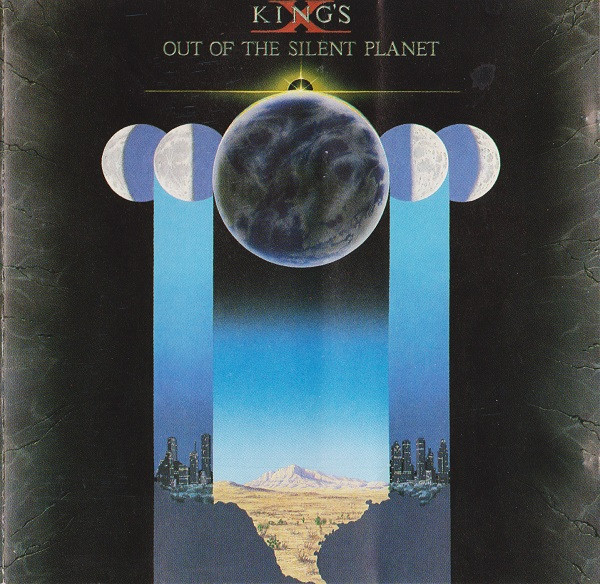
Out Of The Silent Planet
1988

Ear Candy
1996
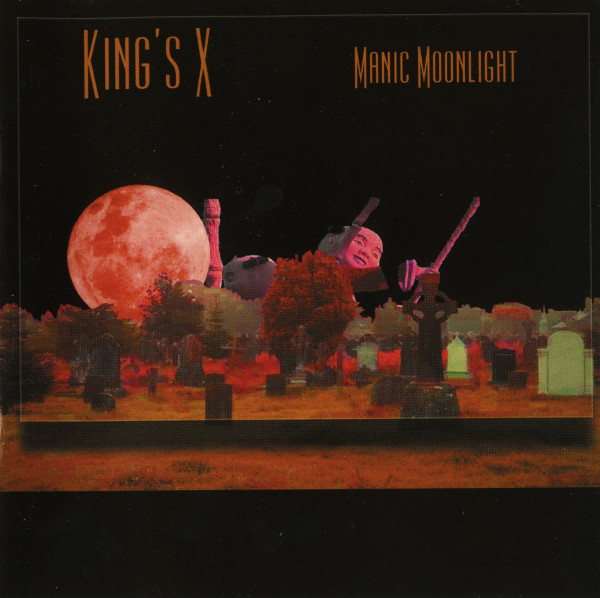
Manic Moonlight
2001

Please Come Home...Mr. Bulbous
2000

Tape Head
1998

XV
2008

Live All Over The Place
2004

Best Of
1997

Three Sides Of One
2022
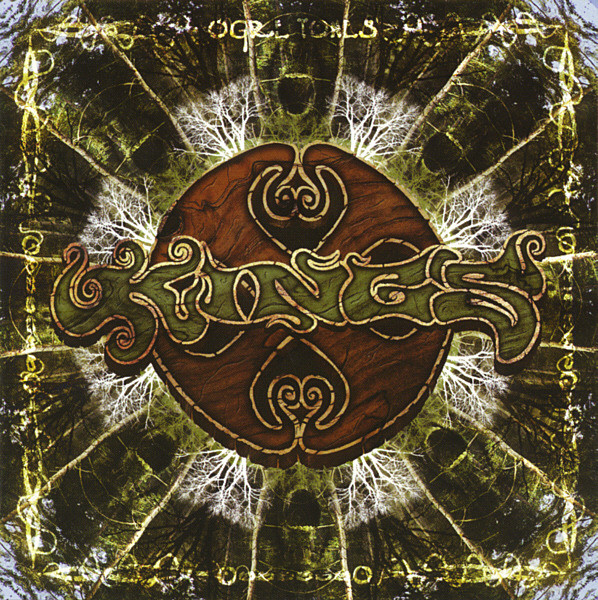
Ogre Tones
2005

It's Love
1990

Original Album Series
2013

Live Love In London
2010

In The New Age (The Atlantic Recordings 1988-1995)
2023

Black Like Sunday
2003
Related artists
Around the web
Follow every record they touch.
Start your shelf and Gatefold tracks King’s X's new pressings, tour dates, and the whole discography — automatically.
Start your shelf →Free forever. Works with 10 records or 10,000.