
Artist
King Gizzard & the Lizard Wizard
Melbourne, Australia · Formed 2010
King Gizzard & the Lizard Wizard is a music group from Melbourne, Australia, active since 2010. Their discography on Gatefold includes 24 records.

93
Albums tracked
1,765
In collections
2010
Since
Biography
Stu Mackenzie and the boys started out in Melbourne as a glorified garage party band that realized they could record entire albums on iPhones if the fuzz was thick enough. They built Flightless Records as a fuck-you to the traditional distribution cycle, moving from surf-rock tropes to high-concept westerns narrated by Ambrose’s dad. It’s a blue-collar work ethic applied to psychedelic nonsense. Most bands treat a release like a life-or-death statement, but these guys treat it like a shift at the factory. They put out five records in 2017 just to see if they could survive the pace. Some of it is undeniably filler, and the 'Gumboot Soup' era felt like clearing out the junk drawer, but when they hit—like on the infinite loop of 'Nonagon Infinity'—they’re the tightest unit on the planet. They aren't trying to be your favorite band; they're trying to be every band at once.
Bio from The Clerk
The Arc of King Gizzard & the Lizard Wizard
The pivots — what forced King Gizzard & the Lizard Wizard to reinvent.
The Mind Fuzz Pivot
After the spaghetti western experiments, the band locked into a singular, krautrock-inflected groove that defined their mid-period peak. Stu Mackenzie began obsessing over 'locked-in' rhythms, using two drummers to create a motorized, relentless pulse that made 'I’m in Your Mind Fuzz' feel like a single live take. This was the moment they stopped being a psych-rock novelty and started behaving like a disciplined, multi-headed beast. You can hear the shift in the way the bass and drums become inseparable, a wall of sound that doesn't breathe until the side flips.
The Microtonal Shift
Everything changed when the band had a custom guitar built with extra frets to explore the microtonal intervals found in Turkish Anatolian rock. Instead of just buying a sitar and playing dress-up, they modified their entire backline to play notes that don't exist in Western tuning. 'Flying Microtonal Banana' was the result of this hardware commitment, forcing them to abandon standard blues scales for something more jagged and hypnotic. It’s the sound of a band intentionally breaking their own tools to find a new vocabulary.
The Thrash Detour
The departure of Eric Moore as the second drummer coincided with the band pivoting hard into 80s thrash metal with 'Infest the Rats’ Nest.' They traded the flutes and jazz chords for Ibanez guitars and double-kick pedals, recorded largely by a stripped-down three-piece version of the group. It wasn't a parody; they tracked it with the same gear and intensity as early Metallica or Sodom. The record proved they could master a rigid, aggressive genre without losing the weirdness that makes them Gizzard.
Influences
- Can — Stu Mackenzie has explicitly cited 'Tago Mago' as a structural blueprint for their long-form jams. You hear it in the motorik beat of Michael Cavanagh and the way the band uses repetition to induce a trance state. It's the foundation for their entire 'Mind Fuzz' through 'Nonagon' run.
- Hawkwind — The band toured with Lemmy-era space rock in their DNA, specifically the driving, sci-fi propulsion of 'Silver Machine.' The heavy use of oscillating synths and spoken-word narration on 'Murder of the Universe' is a direct descendant of Hawkwind’s 'Warrior on the Edge of Time.' It's prog with a leather jacket.
- Erkin Koray — The microtonal experiments are a direct result of Mackenzie’s obsession with this Turkish psych-rock pioneer. The specific guitar phrasings and 'Eastern' scales found on 'K.G.' and 'L.W.' are lifted straight from Koray’s 1970s Anatolian rock playbook. They didn't invent that sound; they just modernized the fuzz.
- The Oh Sees — Before Gizzard broke big, they were heavily influenced by John Dwyer’s high-energy garage-psych and his use of dual drummers. The early Flightless Records aesthetic and the chaotic live shows in Melbourne were modeled on the frantic, non-stop momentum Dwyer perfected in the Bay Area. They took the template and added about ten more genres to it.
- Frank Zappa — The band’s obsession with 'conceptual continuity' and a self-referential lyrical universe—the Gizzverse—mirrors Zappa’s internal mythology. Like Zappa, they utilize a massive rotating cast of instruments and complex time signatures, turning their discography into one long, interconnected joke. It’s high-concept weirdness delivered with professional precision.
Discography
Their records — most-collected first.
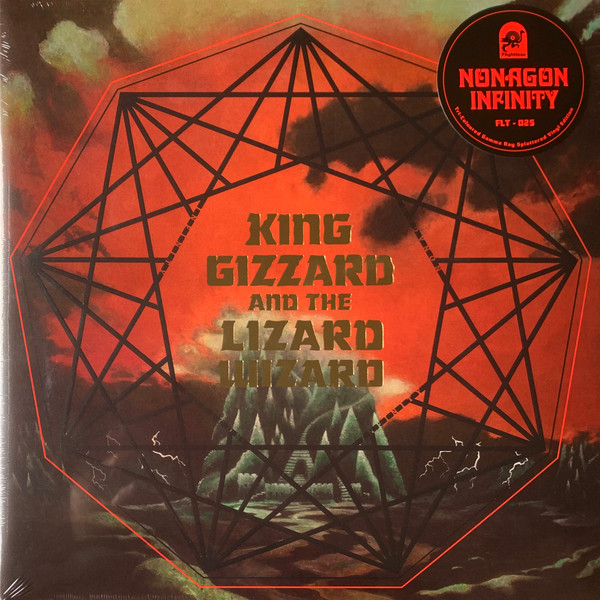
Nonagon Infinity
2016
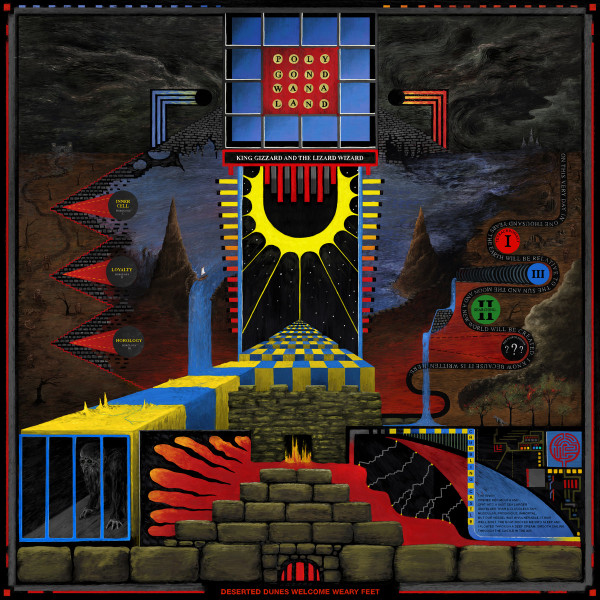
Polygondwanaland
2017
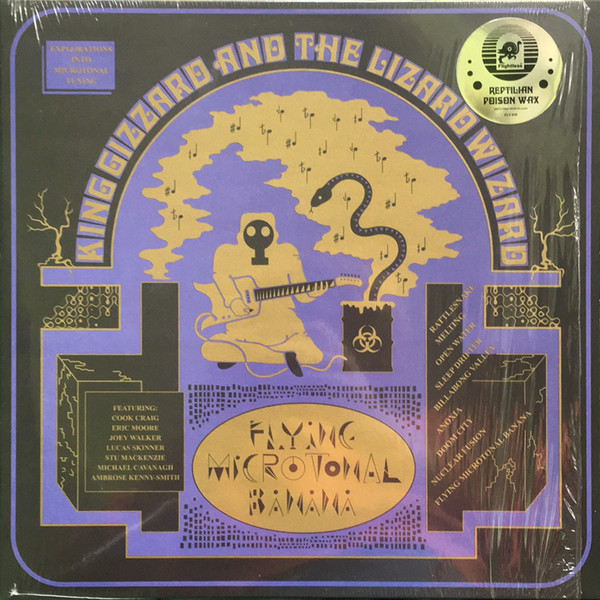
Flying Microtonal Banana (Explorations Into Microtonal Tuning Volume 1)
2017
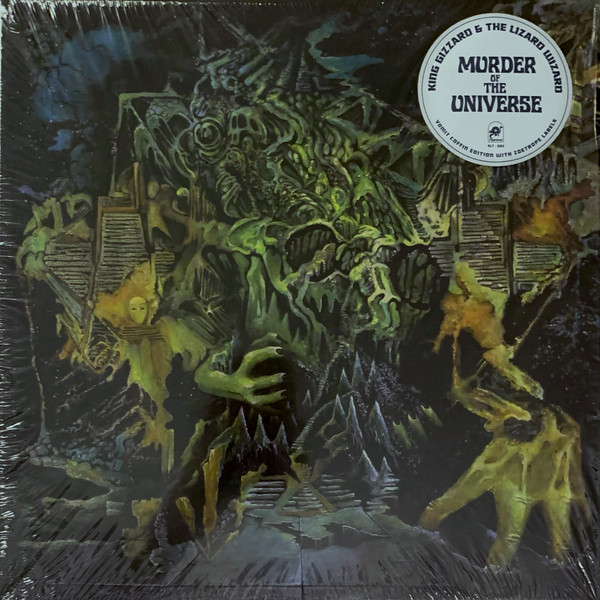
Murder Of The Universe
2017

Infest The Rats' Nest
2019

I'm In Your Mind Fuzz
2014
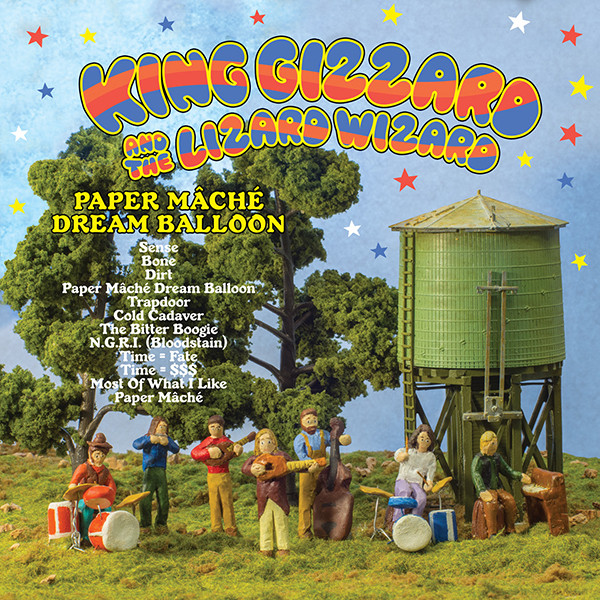
Paper Mâché Dream Balloon
2015

Petrodragonic Apocalypse; Or, Dawn Of Eternal Night: An Annihilation Of Planet Earth And The Beginning Of Merciless Damnation
2023
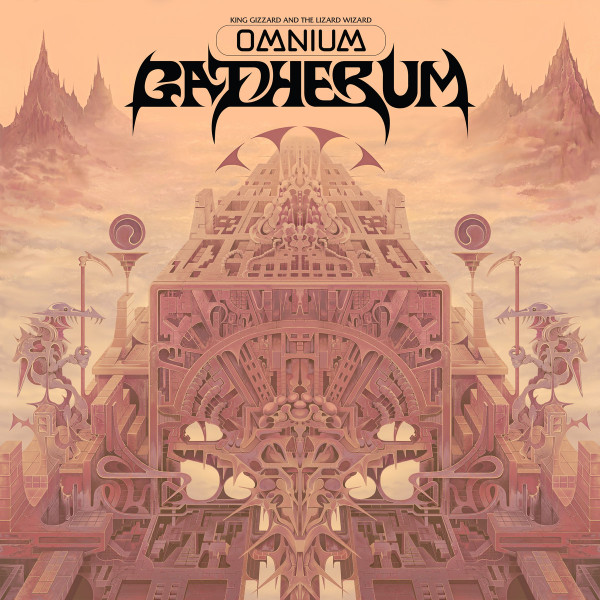
Omnium Gatherum
2022
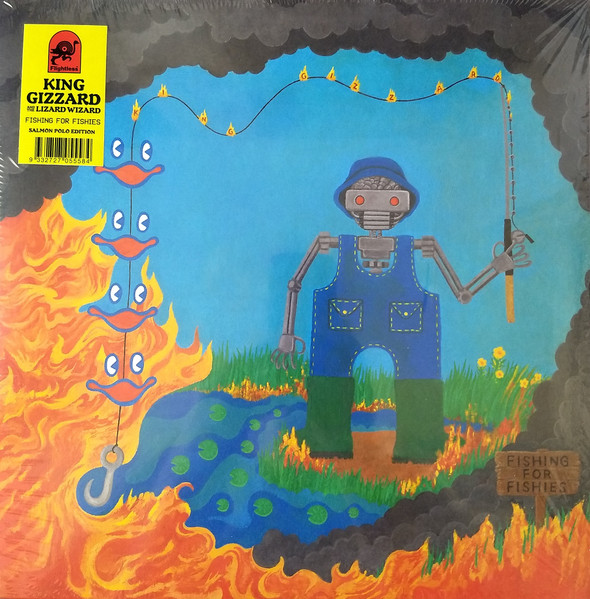
Fishing For Fishies
2019
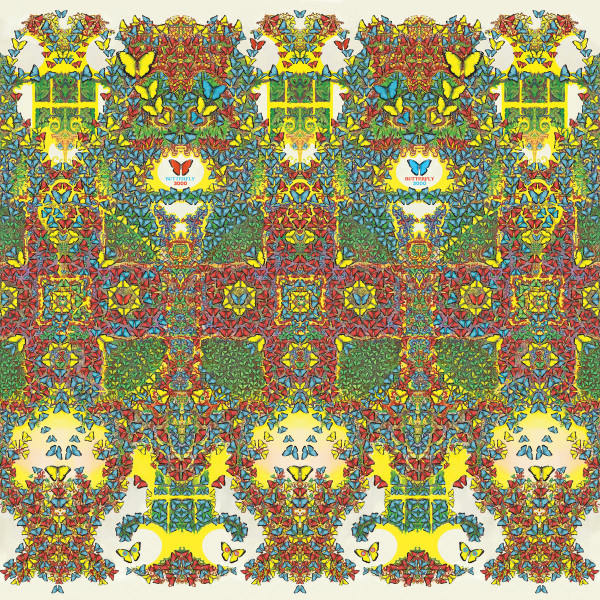
Butterfly 3000
2021
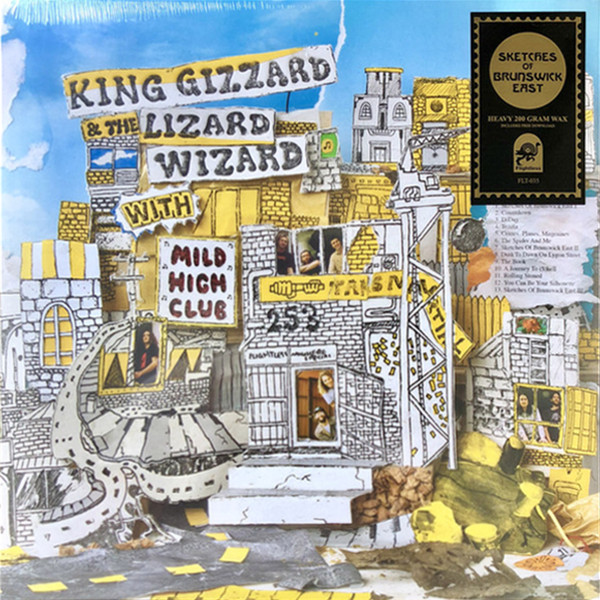
Sketches Of Brunswick East
2017

Ice, Death, Planets, Lungs, Mushrooms And Lava
2022
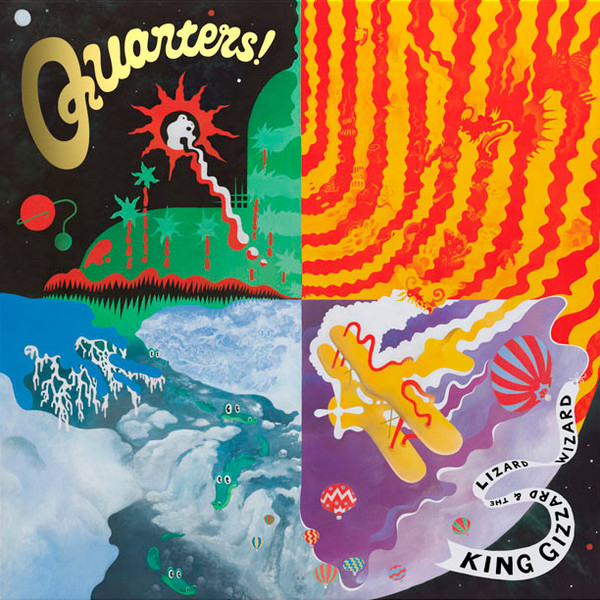
Quarters!
2015

Float Along - Fill Your Lungs
2013
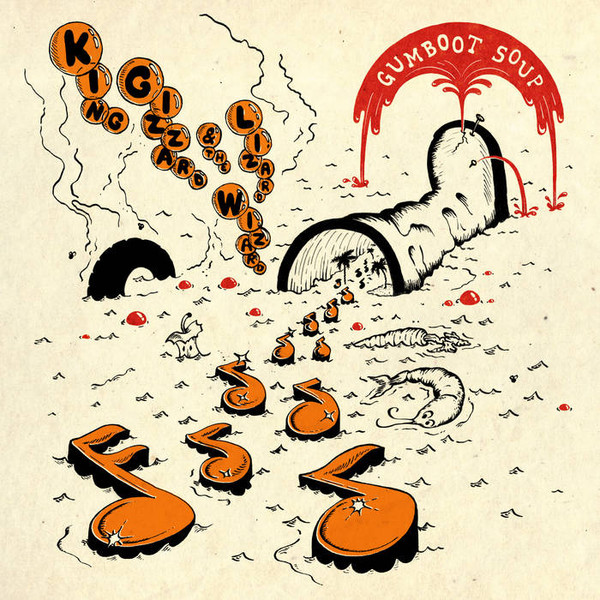
Gumboot Soup
2017
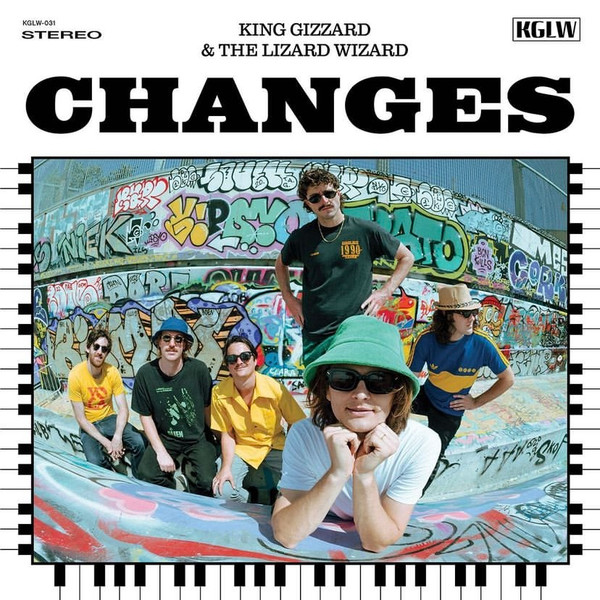
Changes
2022

L.W.
2021

K.G. (Explorations Into Microtonal Tuning Volume 2)
2020

Phantom Island
2025
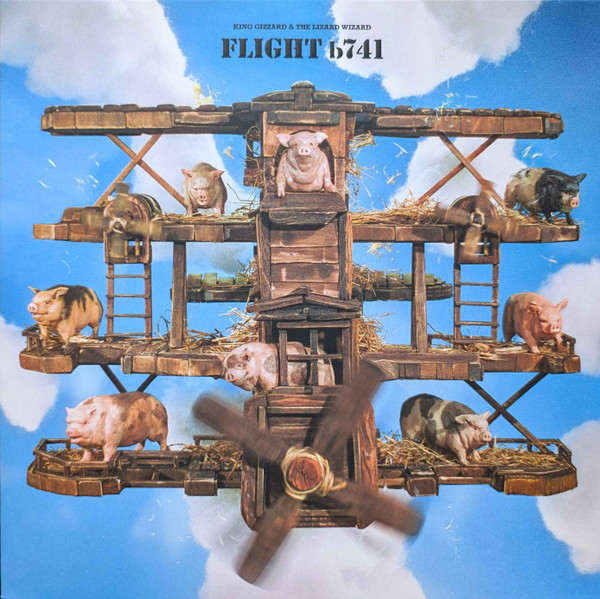
Flight b741
2024
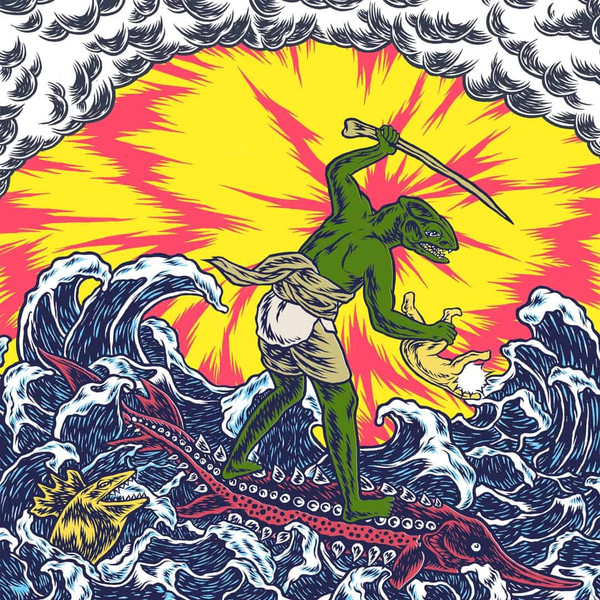
Teenage Gizzard
2020

The Silver Cord
2023

Made In Timeland
2022
Related artists
Around the web
Follow every record they touch.
Start your shelf and Gatefold tracks King Gizzard & the Lizard Wizard's new pressings, tour dates, and the whole discography — automatically.
Start your shelf →Free forever. Works with 10 records or 10,000.