
Artist
Killing Joke
Notting Hill, United Kingdom · Formed 1979
Killing Joke is a music group from Notting Hill, United Kingdom, active since 1979. Their discography on Gatefold includes 24 records.

38
Albums tracked
152
In collections
1979
Since
Biography
Jaz Coleman once dragged the band to Iceland because he was convinced the apocalypse was coming, leaving their label and the London scene wondering if they’d ever get a follow-up to Revelations. That kind of paranoid, ritualistic intensity is why their self-titled debut sounds like it was recorded in a bunker rather than a studio. Geordie Walker’s guitar tone was a happy accident of hollow-body resonance and industrial grit that nobody has successfully cloned since, mostly because nobody else is brave enough to play that loud through a Bell & Howell projector amp. They spent the mid-eighties trying to be pop stars and nearly ruined everything in the process. Chris Kimsey, the guy who engineered some of the Stones’ biggest hits, polished them up for Night Time, and while 'Love Like Blood' paid the bills, it started a drift into synth-heavy territory that felt like they were chasing the New Romantic ghost. It took a decade of infighting and the sheer force of the industrial metal explosion they helped ignite for them to find their teeth again. When they finally returned to the heavy shit, they didn't just join the fray—they showed everyone that their brand of nihilism was the original blueprint.
Bio from The Clerk
The Arc of Killing Joke
The pivots — what forced Killing Joke to reinvent.
The Malicious Damage Years
The early records were born out of the squalor of Notting Hill squats and a collective obsession with dub and heavy percussion. Paul Ferguson’s drumming wasn't just keeping time—it was a tribal assault that pushed the band away from standard punk toward something far more ominous. You hear the dub influence from Youth’s basslines fighting against Geordie’s metallic shards, creating a claustrophobic tension that peaked on 'What’s THIS For…!' before the first lineup collapse. It was ugly, rhythmic, and sounded like the end of the world.
The Polished Descent
By 1985, the band shifted toward the charts, trading the grit for big-budget production and expensive synthesizers. Working with Chris Kimsey at Berlin’s Hansa Tonstudio gave them a shimmering, gothic pop sheen that smoothed over the jagged edges of their early sound. While 'Brighter Than a Thousand Suns' had moments of grandeur, the focus shifted toward melody and atmospheric textures that alienated the old guard. It was the sound of a band trying to survive the decade by speaking the language of FM radio.
The Industrial Resurrection
After the disaster of the 'Outside the Gate' sessions—which was essentially a Jaz Coleman solo album forced into the Killing Joke name—the band snapped back with a vengeance. Bringing in Martin Atkins on drums for 'Extremities' injected a mechanical, violent energy that reclaimed their throne in the burgeoning industrial scene. This pivot culminated in the 'Pandemonium' era, where they embraced distorted vocals and Middle Eastern scales, proving they could out-heavy the very bands they had inspired. They stopped chasing the charts and started chasing the ritual again.
Influences
- Can — Jaz Coleman has explicitly cited the Krautrock giants as the primary reason for the band's focus on repetitive, hypnotic rhythms. You hear it in the locked-in groove of 'The Wait,' where the drums and bass create a motorik foundation for Geordie’s chaotic guitar. It’s the sound of precision meeting madness.
- Sex Pistols — Geordie Walker famously auditioned for the band despite never having played guitar before, inspired entirely by the raw power of the Pistols. The stripped-back, aggressive attack of 'Wardance' carries that basic punk DNA, even if Geordie eventually evolved it into something far more sophisticated. He took the 'no rules' energy and applied it to a Gibson ES-295.
- Public Image Ltd — The overlap between the early Killing Joke sound and 'Metal Box' is no coincidence, as both bands were operating in the same London post-punk vacuum. The heavy, dub-infused bass frequencies on 'Turn to Red' are a direct nod to the sonic experiments Jah Wobble was doing with PiL. It’s that same sense of space and threat.
- Led Zeppelin — Paul Ferguson’s drumming was built on the heavy-handed swing of John Bonham, which Geordie often noted was the only way to anchor his guitar style. The sheer physical weight of 'The Death and Resurrection Show' is a masterclass in Zeppelin-style thunder updated for the industrial age. No Bonham, no tribal stomp.
- King Tubby — Youth’s entire approach to the bass was informed by his obsession with Jamaican dub and the production techniques of King Tubby. This manifests in the way the early records use echo and negative space to make the heavy parts feel even more massive. They didn't just play punk; they played punk through a reverb-drenched mixing board.
Discography
Their records — most-collected first.
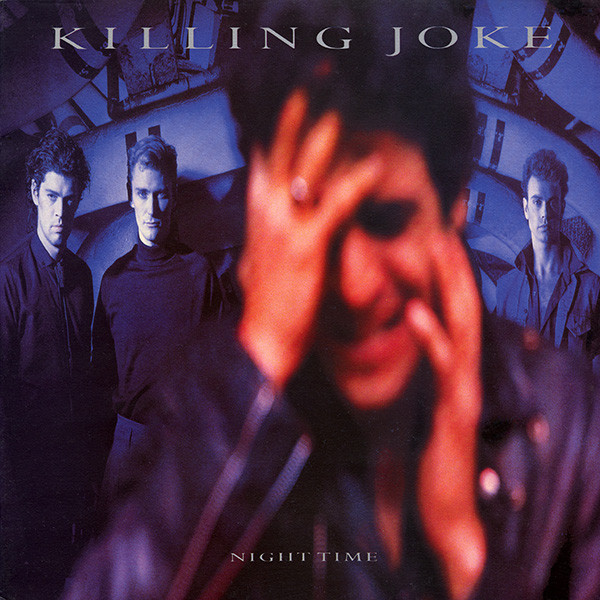
Night Time
1985
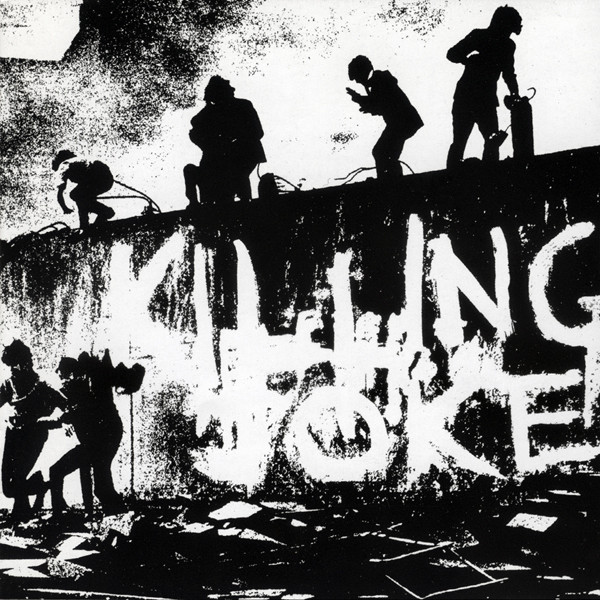
Killing Joke
1980
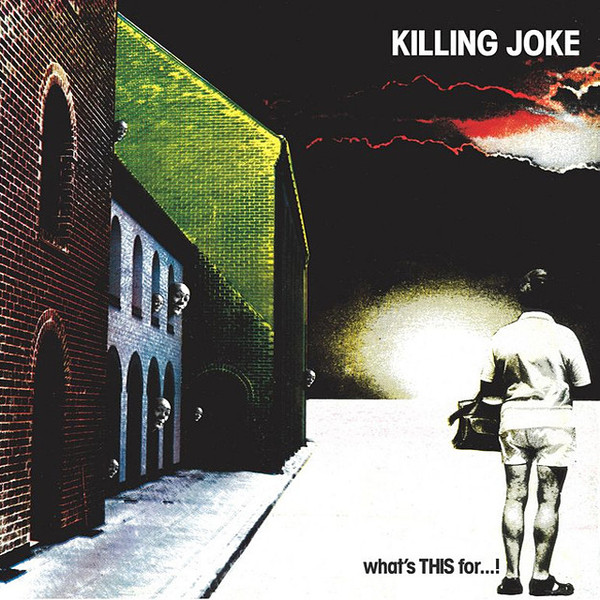
What's This For...!
1981
Revelations
1982
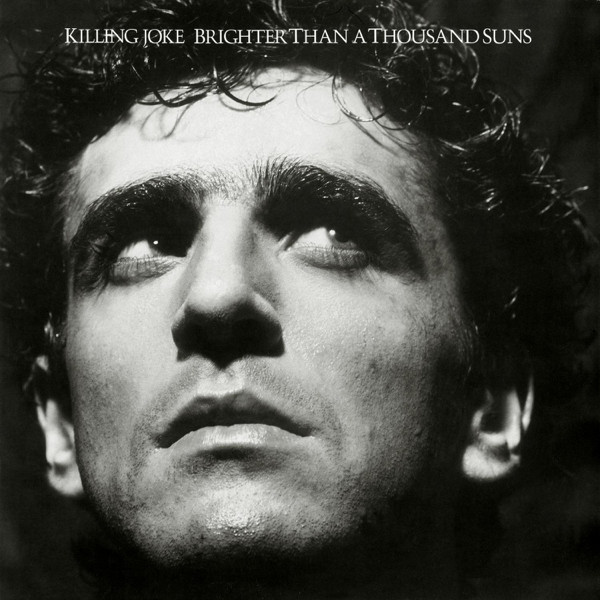
Brighter Than A Thousand Suns
1986

Killing Joke
2003
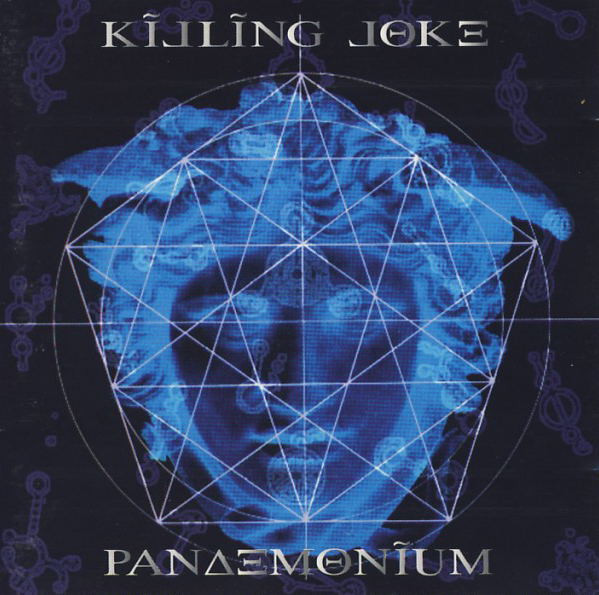
Pandemonium
1994
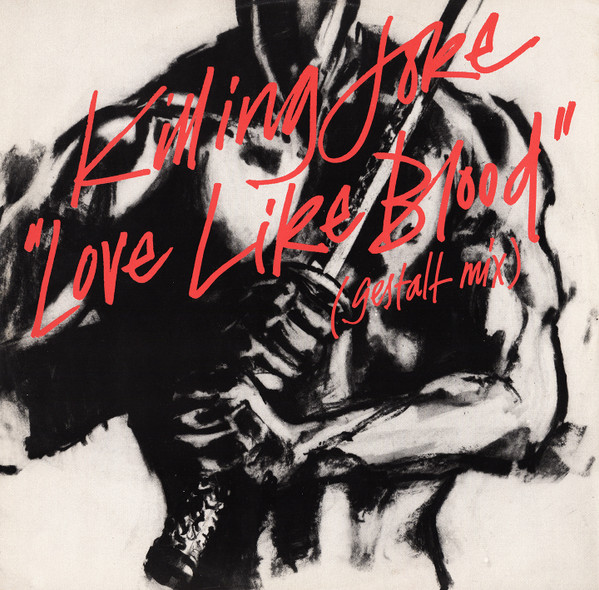
Love Like Blood
1985
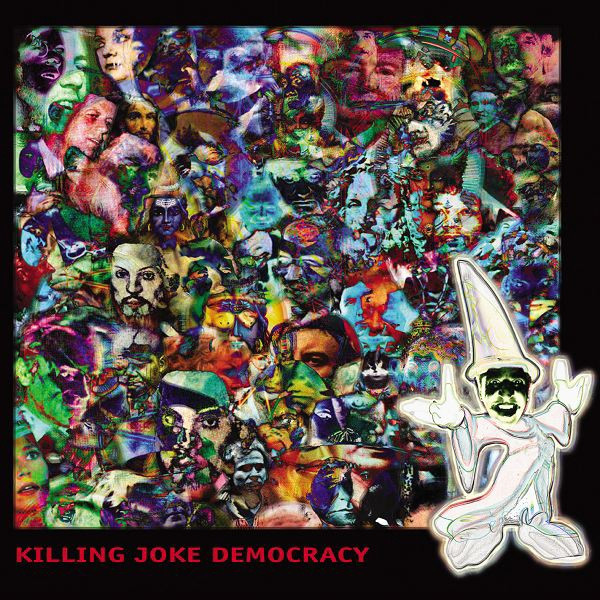
Democracy
1996

Laugh? I Nearly Bought One!
1992
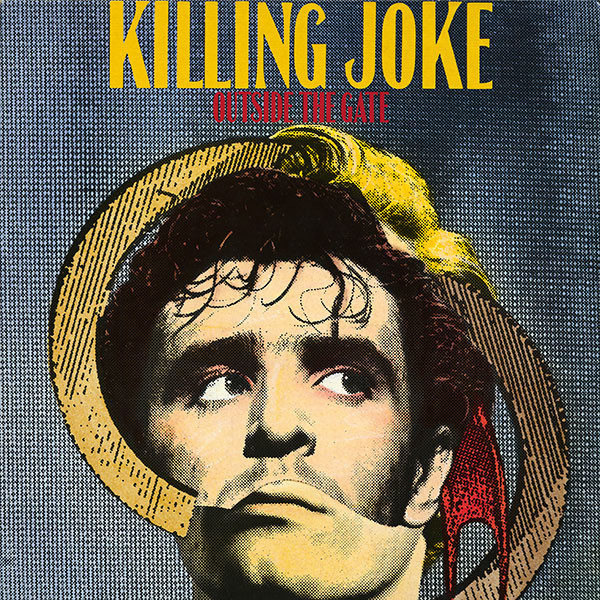
Outside The Gate
1988
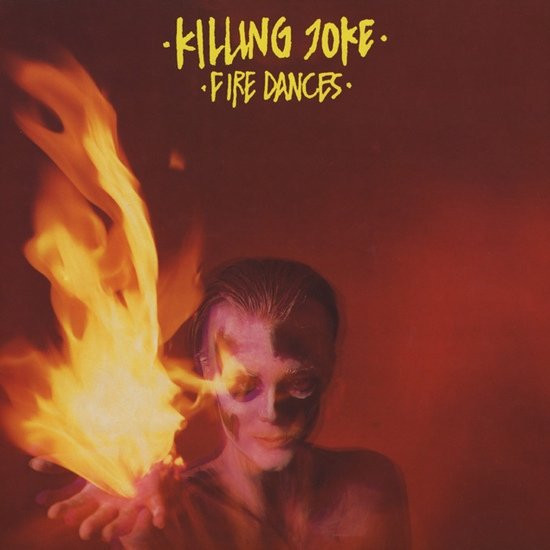
Fire Dances
1983
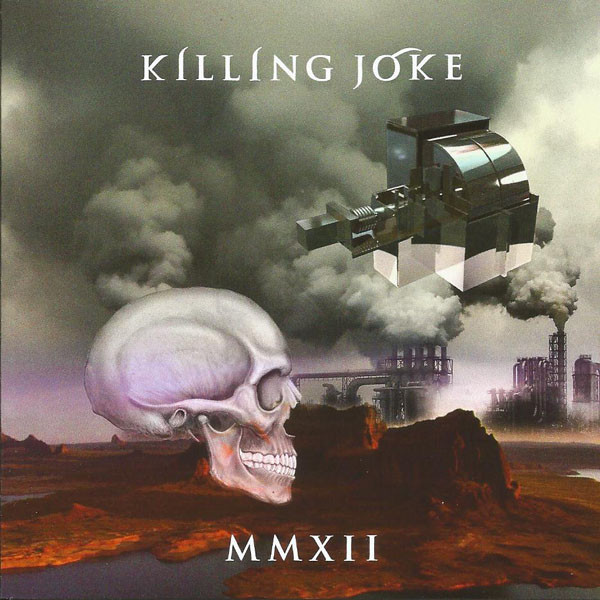
MMXII
2012
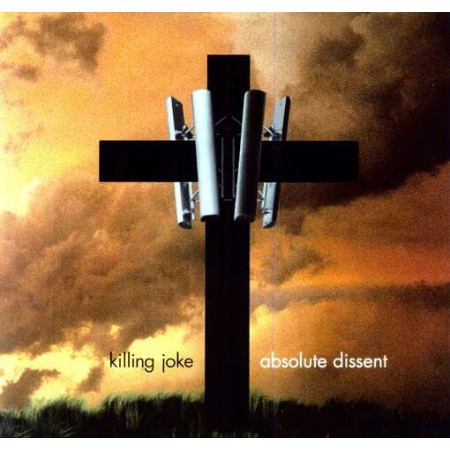
Absolute Dissent
2010
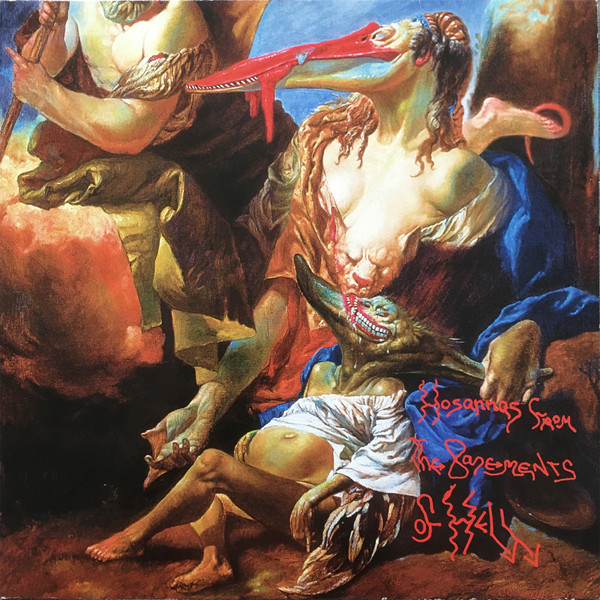
Hosannas From The Basements Of Hell
2006

Birds Of A Feather
1982

The Singles Collection 1979-2012
2013

Down By The River
2012

...No Way Out But Forward Go
2001
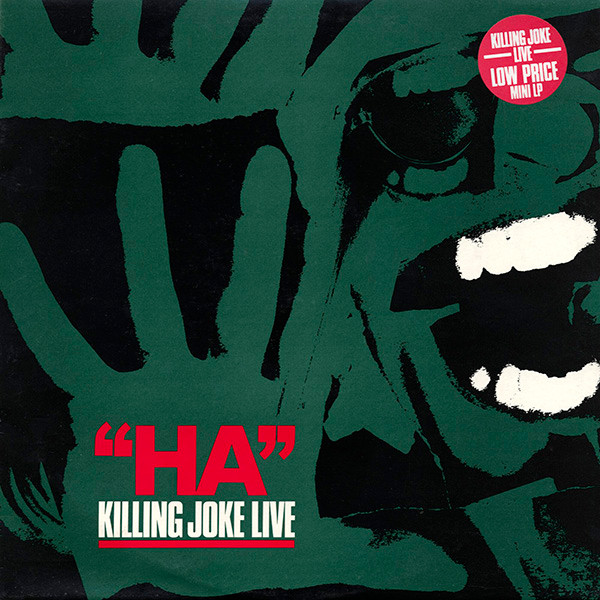
"Ha" Killing Joke Live
1982

Wardance / Pssyche
1980
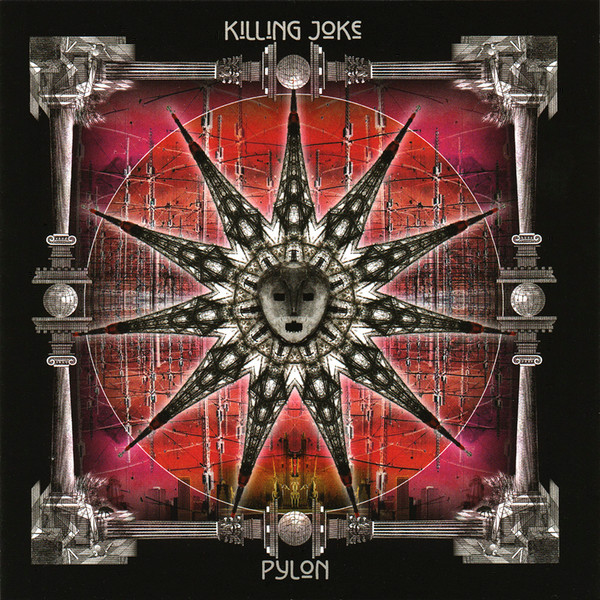
Pylon
2015

I Am The Virus
2015
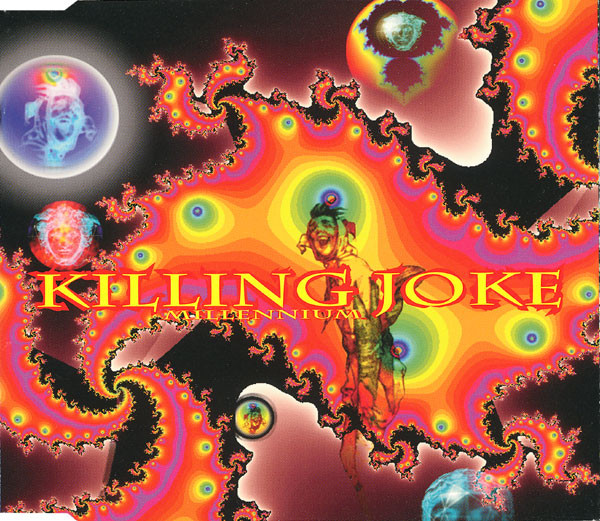
Millennium
1994
Related artists
Frequent collaborators
Around the web
Follow every record they touch.
Start your shelf and Gatefold tracks Killing Joke's new pressings, tour dates, and the whole discography — automatically.
Start your shelf →Free forever. Works with 10 records or 10,000.