
Artist
Foo Fighters
Seattle, United States · Formed 1994
Foo Fighters is a music group from Seattle, United States, active since 1994. Their discography on Gatefold includes 24 records.

45
Albums tracked
1,200
In collections
1994
Since
Biography
Dave Grohl tracked the entire 1995 debut by himself at Robert Lang Studios in Seattle, playing every instrument except for a single guitar part by Greg Dulli. He was terrified of being the frontman and just wanted to hide behind a fake band name, passing out cassette tapes like some local kid trying to get a gig at the Crocodile. The result was a raw, muscular power-pop record that didn't sound like a mourning period for Nirvana. It was the sound of a guy exorcising his own rhythmic ghosts through a fuzzed-out Gibson Trini Lopez. Then the corporate machine and the stadium tours turned them into a different beast entirely. By the time they hit the mid-2000s, they became the safest bet in rock, polished to a mirror finish by guys like Nick Raskulinecz. There were years where they felt more like a brand than a band, churning out radio anthems that lacked the twitchy, desperate energy of the early sessions. They finally regained their footing by leaning into the history they worship, dragging a mobile studio across the country or recording in Grohl’s garage to find the grit that a multi-million dollar console usually polishes away.
Bio from The Clerk
The Arc of Foo Fighters
The pivots — what forced Foo Fighters to reinvent.
The Solo Project Illusion
After Kurt died, Grohl spent six days in October 1994 sprinting through a tracklist he’d been building on a 4-track for years. Because he played everything, the debut record has this frantic, unified pocket that a real band can't always replicate. It was never meant to be a career, just a way to see if he could still function without a drum throne as his shield. You can hear the urgency in the way the fills fight the vocal melodies, a drummer’s record through and through.
The Hawkins-Mendel Engine
Bringing in Taylor Hawkins from Alanis Morissette’s touring band and Nate Mendel from Sunny Day Real Estate changed the DNA from a solo outlet to a permanent fixture. The 1997 sessions for The Colour and the Shape were a mess, with Grohl re-recording William Goldsmith’s drum parts behind his back. Once the lineup stabilized with Hawkins, the sound widened into a dual-threat rhythmic attack. This era defined the stadium-sized Foo Fighters, shifting from post-grunge angst to massive, harmonic choruses designed to hit the back row of a festival.
The Analog Retreat
By 2011, the band was tired of the digital perfection of modern rock and hauled a 24-track tape machine into Grohl’s garage for Wasting Light. They brought back Butch Vig, the man who produced Nevermind, specifically to strip away the Pro Tools safety net. Without the ability to 'fix' mistakes on a screen, the band played like they were on fire again. It’s the tightest they sounded since the 90s, proving they actually work better when they have to fight the gear.
Influences
- Hüsker Dü — Grohl has repeatedly cited Bob Mould as his primary songwriting blueprint for mixing aggressive punk tempos with sugary pop melodies. You hear it in the way 'Everlong' uses suspended chords to create tension before the release. It’s the direct lineage of the Minneapolis sound applied to high-budget production.
- Bad Brains — Before the fame, Grohl was a DC hardcore kid obsessed with the speed and precision of Earl Hudson’s drumming. He famously wore out a copy of their 1982 ROIR cassette, and that frantic, technical hardcore energy is the only reason he can play as hard as he does. It gave him the stamina to treat a guitar like a percussion instrument.
- Cheap Trick — The band covered 'Downed' and even had Rick Nielsen play on the Sound City sessions. The Foos' entire approach to power-chord hooks and multi-tracked vocal harmonies is a tribute to the Rockford, Illinois kings of power-pop. It’s the reason their songs work just as well on an acoustic guitar as they do through a cranked stack.
- The B-52's — The drum fills on 'Wattershed' are a direct, intentional lift from 'Rock Lobster.' Grohl wanted to prove that new wave dance beats could be weaponized in a heavy rock context. It’s a weirdly specific influence that explains why their mid-tempo tracks have that undeniable swing.
- Killing Joke — Grohl played drums on their 2003 self-titled album as a tribute to Geordie Walker’s dissonant, metallic guitar tone. That industrial, cold-war tension shows up every time the Foos drop the pop pretense and go for something darker. You hear the jagged edges of Killing Joke in the more aggressive tracks on 'Echoes, Silence, Patience & Grace'.
Discography
Their records — most-collected first.
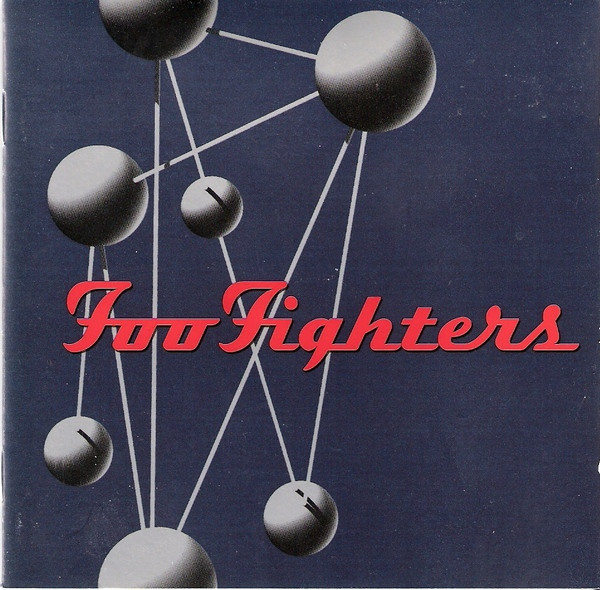
The Colour And The Shape
1997
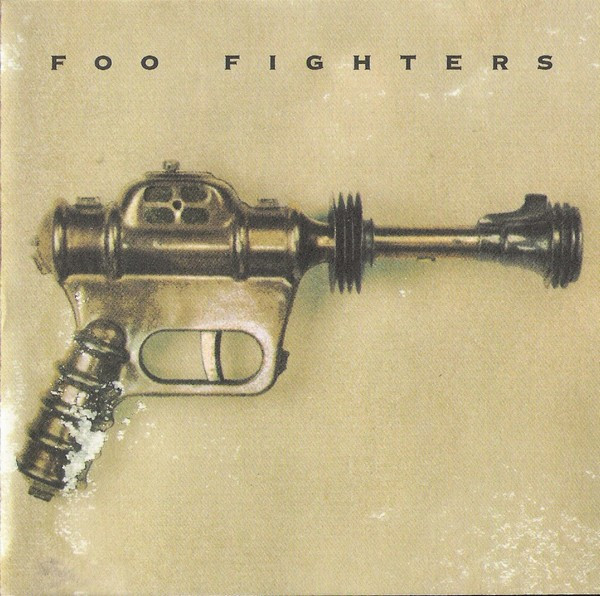
Foo Fighters
1995
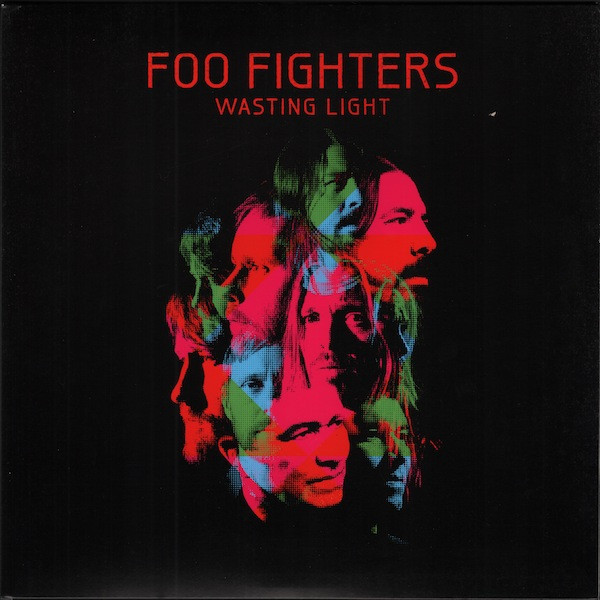
Wasting Light
2011
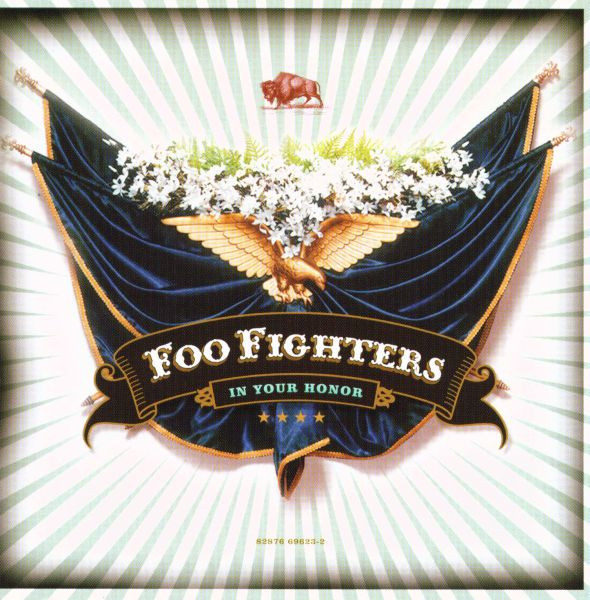
In Your Honor
2005
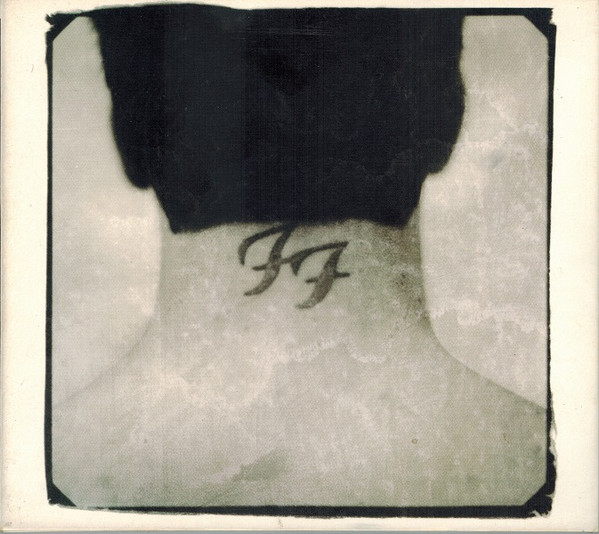
There Is Nothing Left To Lose
1999
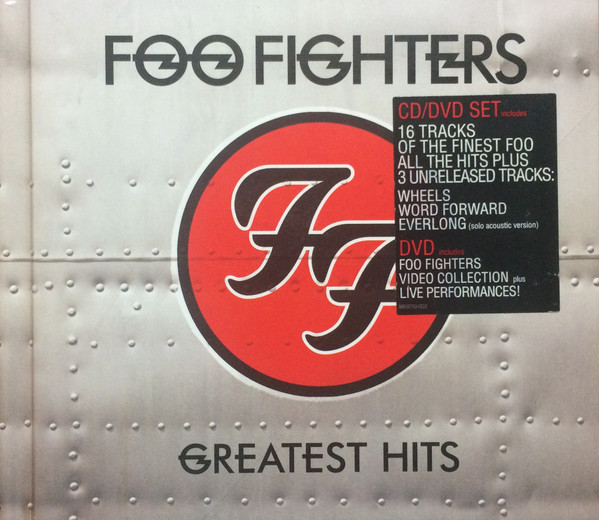
Greatest Hits
2009
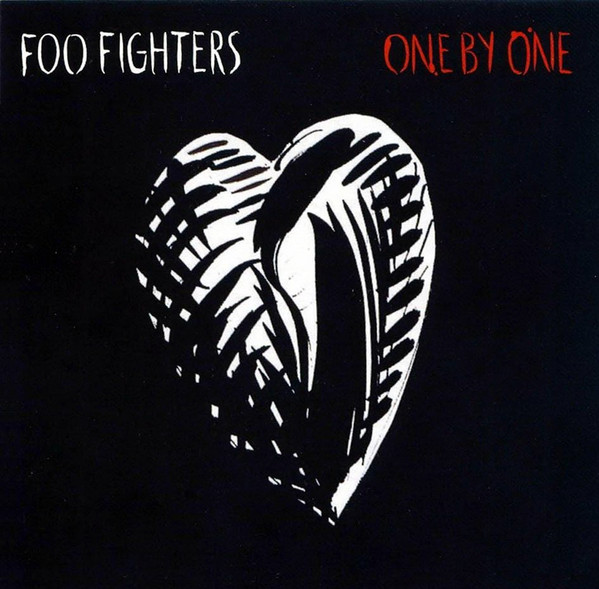
One By One
2002
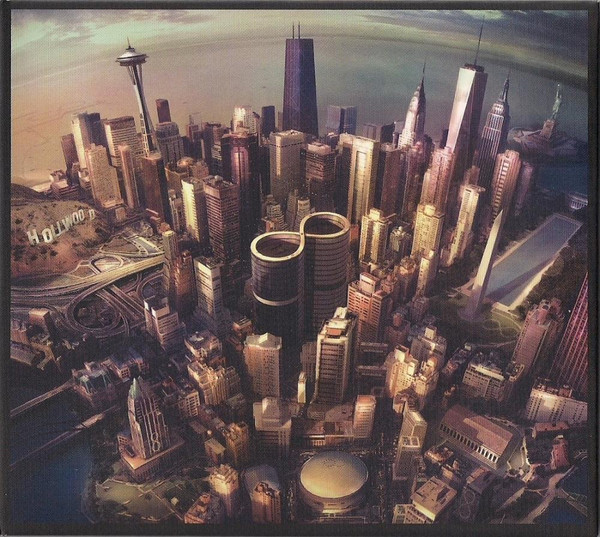
Sonic Highways
2014
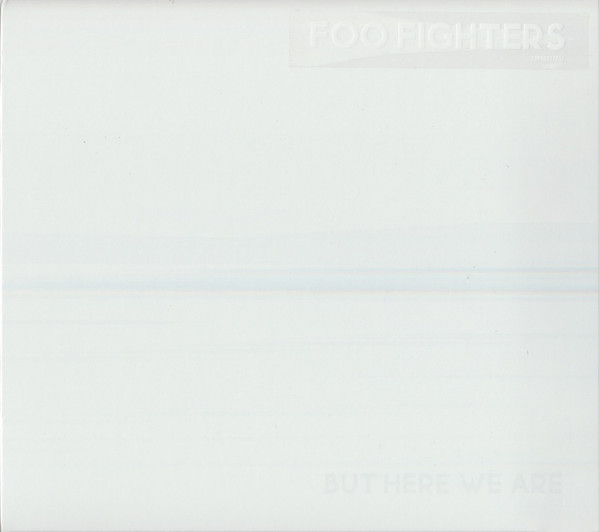
But Here We Are
2023
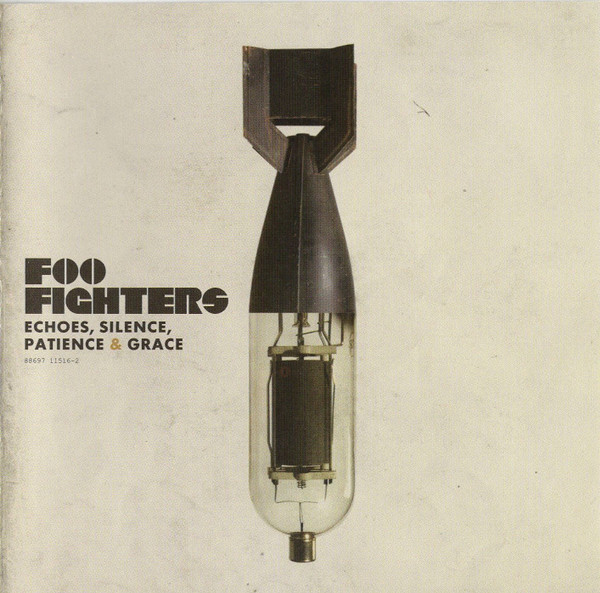
Echoes, Silence, Patience & Grace
2007
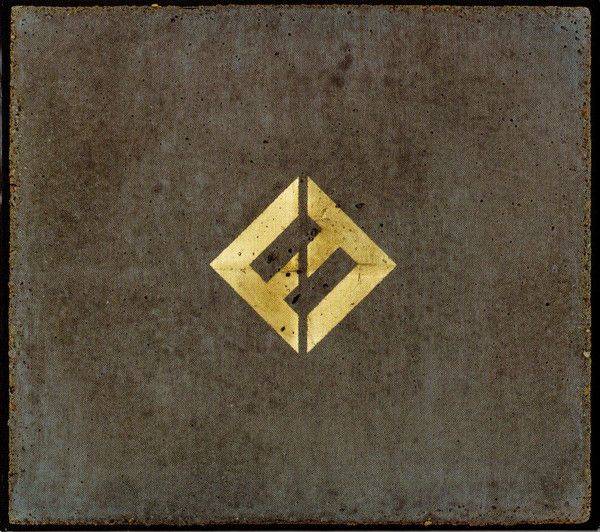
Concrete And Gold
2017
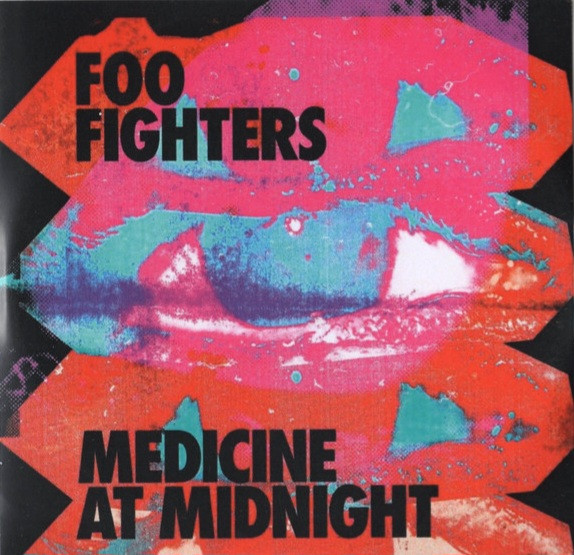
Medicine At Midnight
2020

Saint Cecilia EP
2015
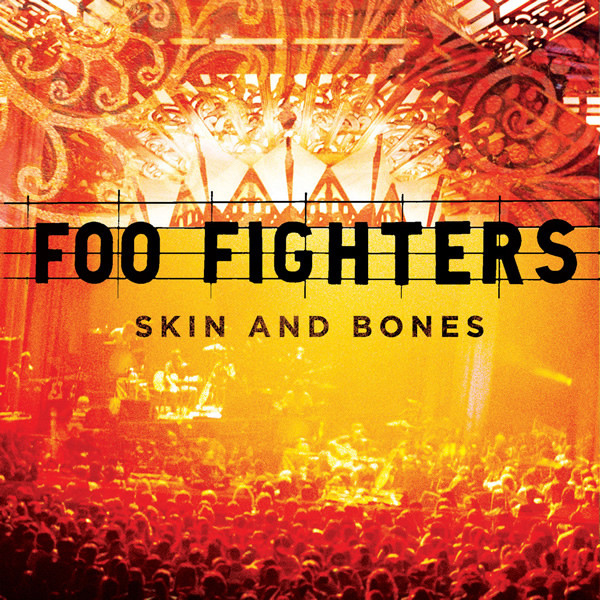
Skin And Bones
2006
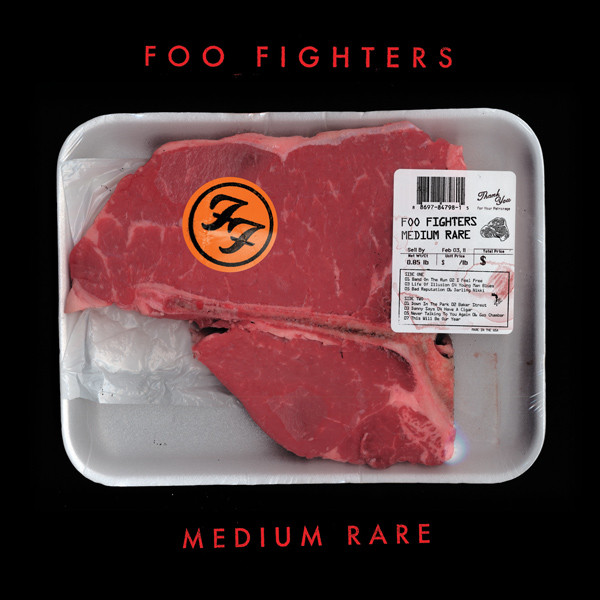
Medium Rare
2011

Your Favorite Toy
2026
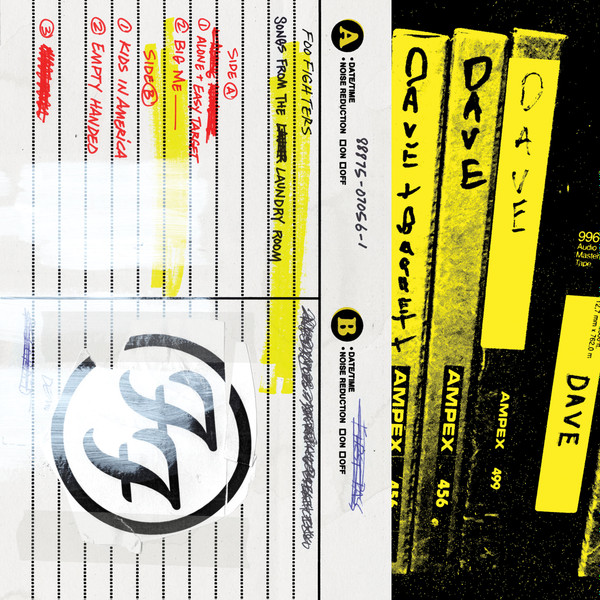
Songs From The Laundry Room
2015

Big Me
1996
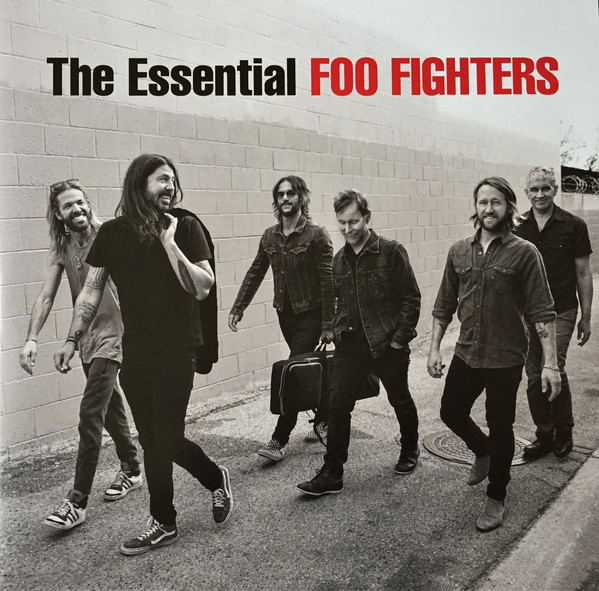
The Essential
2022
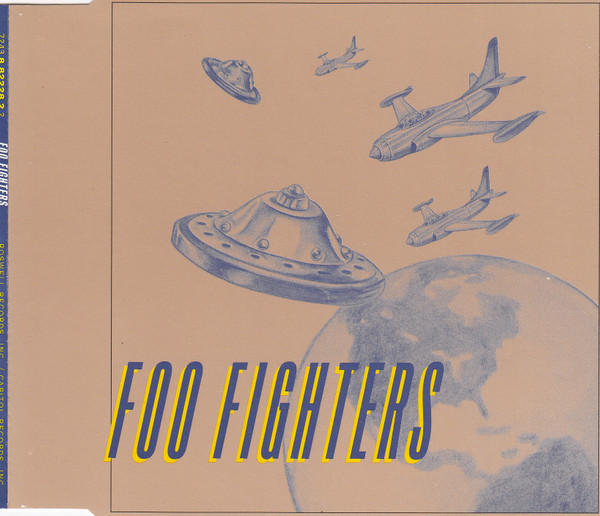
This Is A Call
1995
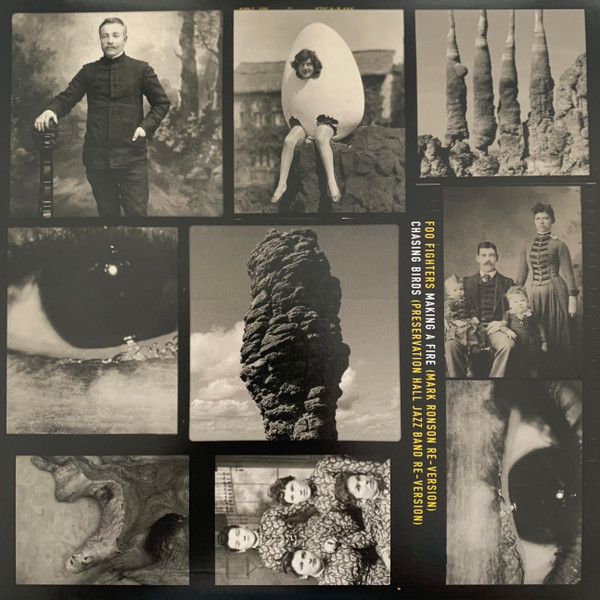
Making A Fire (Mark Ronson Re-Version) / Chasing Birds (Preservation Hall Jazz Band Re-Version)
2022

Monkey Wrench
1997
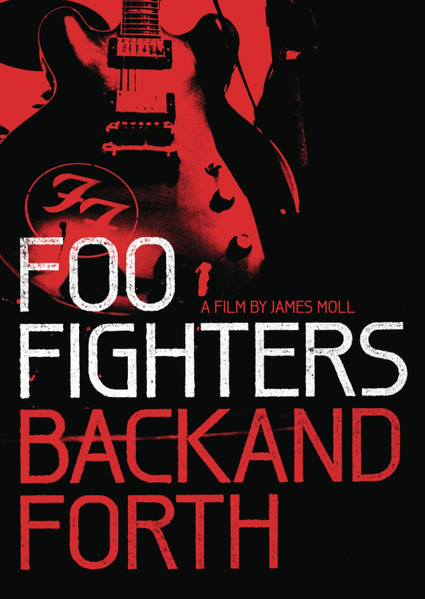
Back And Forth
2011
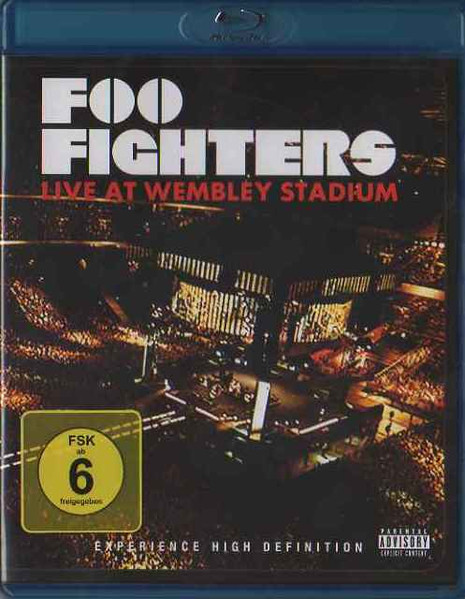
Live At Wembley Stadium
2008
Related artists
Around the web
Follow every record they touch.
Start your shelf and Gatefold tracks Foo Fighters's new pressings, tour dates, and the whole discography — automatically.
Start your shelf →Free forever. Works with 10 records or 10,000.