
Artist
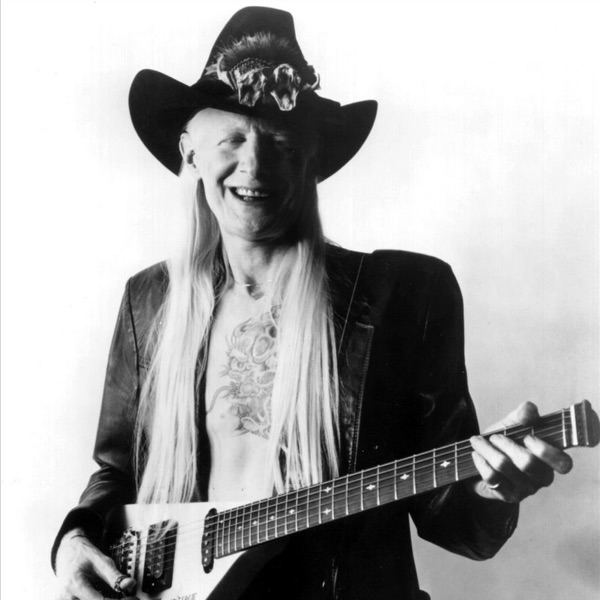
Johnny Winter
American blues/rock musician
Beaumont, United States · 1944 – 2014
Johnny Winter is a musician from Beaumont, United States, active 1944–2014. Their discography on Gatefold includes 24 records. They also recorded with Johnny Winter And.
31
Albums tracked
100
In collections
1944
Since
Biography
Columbia signed Johnny Winter for $600,000 in '69 before he’d even cut a note for them, a fucking insane sum that put a target on his back before he walked into the studio. He dragged his Texas trio—Uncle John Turner and Tommy Shannon—into the room to record the self-titled debut, but the label suits wanted a superstar polish that didn't fit a guy who played like he was trying to saw his Gibson Firebird in half. Winter was a scholar who could pull out a slide and channel Robert Johnson, but he was stuck in a era that wanted him to be the next Hendrix, leading to a weird tension where the technical brilliance usually outran the production. By the time he got to the mid-70s, the rock star treadmill almost killed him. He spent years cleaning up from a heroin habit that turned him into a ghost, but he used that survival instinct to pivot back to what mattered. Producing Muddy Waters for Blue Sky Records wasn't just a career move; it was a goddamn rescue mission for both of them. He stopped trying to compete with the arena-rockers and started focusing on the grit of the Delta, proving he was the rare white bluesman who actually understood that the silence between notes is just as heavy as the shredding.
Bio from The Clerk
The Arc of Johnny Winter
The pivots — what forced Johnny Winter to reinvent.
The Progressive Blues Experiment
Recorded in a single night at a small club in Austin, this period captures the raw, unhinged power of a trio that didn't give a fuck about radio edits. Winter used his 1964 Firebird V to cut through the room with a biting, treble-heavy tone that redefined what electric blues could sound like in a post-psychedelic world. You can hear the hunger in his version of 'Mean Town Blues,' where the speed isn't just for show—it's a high-wire act with no safety net. This era ended the second Columbia’s check cleared and the pressure to produce 'hits' started to muffle the roar.
Johnny Winter And
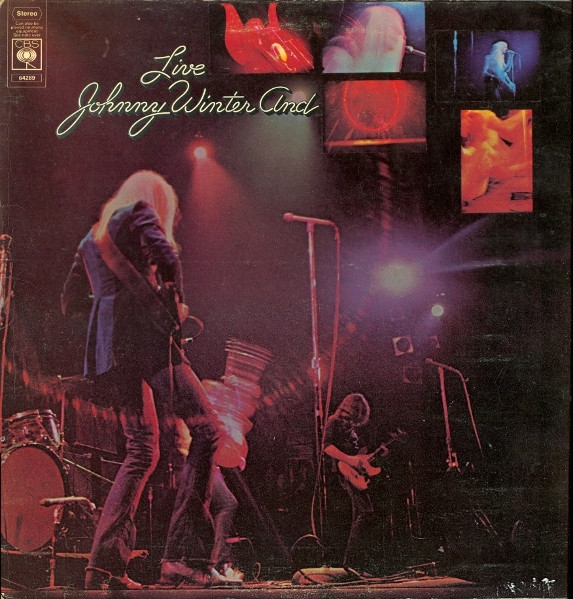
When his original trio folded, Winter poached The McCoys—including Rick Derringer—to pivot toward a hard-rock sound that could fill stadiums. This lineup brought a dual-guitar attack and tighter pop structures, resulting in the high-octane energy of 'Live Johnny Winter And,' which remains the definitive document of his technical peak. The shift was calculated to compete with the British blues-rock invasion, but the grueling tour schedule and heavy drug use turned the sessions into a blur of exhaustion. It’s the sound of a man running away from the blues and toward a rock-and-roll meltdown.
The Blue Sky Resurgence
After clawing back from addiction, Winter took the reins at Blue Sky and produced Muddy Waters' 'Hard Again,' bringing a fierce, distorted edge back to the old master’s sound. He stopped chasing the charts and started recording at the Schoolhouse in Connecticut, focusing on a raw, live-in-the-room feel that honored his Chess Records idols. This pivot saved his soul, stripping away the 70s excess in favor of deep-fried slide guitar and a renewed respect for the twelve-bar form. He spent the rest of his life in this pocket, playing exactly what he wanted and leaving the corporate bullshit to the posers.
Influences
- Muddy Waters — Winter famously covered 'I Can't Be Satisfied' on his first Columbia album as a direct homage to Muddy's Chess era. You hear it in the way Winter attacks the slide—mimicking Muddy’s heavy vibrato but cranking the velocity to a manic level. He eventually became the architect of Muddy’s late-career comeback, producing four of his final albums.
- Jimmy Reed — Winter cited Reed’s lazy, infectious shuffle as his introduction to the blues when he was a kid in Beaumont. On tracks like 'Bright Lights, Big City,' Winter mimics Reed's high-register harmonica style and laid-back vocal phrasing. It provided the rhythmic foundation that kept his fast playing from falling off the rails.
- T-Bone Walker — The influence shows up in Winter's jazzier, single-note lead lines and his choice of large-bodied hollow-point guitars in his early Texas years. Winter frequently referenced Walker’s 'Stormy Monday' as a blueprint for sophisticated blues phrasing. He took Walker's fluid, horn-like style and electrified it for the Woodstock generation.
- Robert Johnson — Winter’s acoustic work, specifically on 'Dallas' from his debut, is a direct study of Johnson’s intricate fingerpicking and thumb-driven bass lines. He possessed a near-academic knowledge of Johnson’s catalog, obsessing over the eerie, Delta-style open tunings. It’s the bridge between the 1930s porch blues and Winter's 1960s shred.
- Little Richard — Winter grew up playing sax in early bands and was obsessed with the raw vocal power of Little Richard, which informed his shredded-throat singing style. He covered 'Miss Ann' and 'Slippin' and Slidin'' throughout his career to inject that manic rock-and-roll energy into the blues. That frantic, high-octane screaming didn't come from the Delta; it came from the Specialty Records roster.
Johnny Winter — solo
Their records — most-collected first.
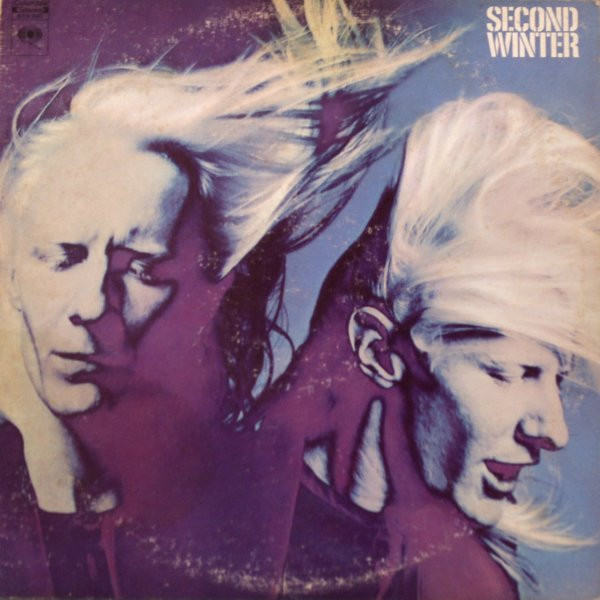
Second Winter
1969
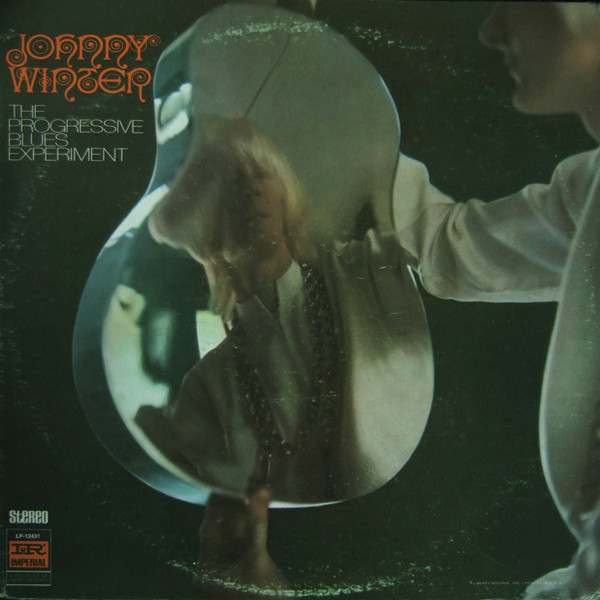
The Progressive Blues Experiment
1969
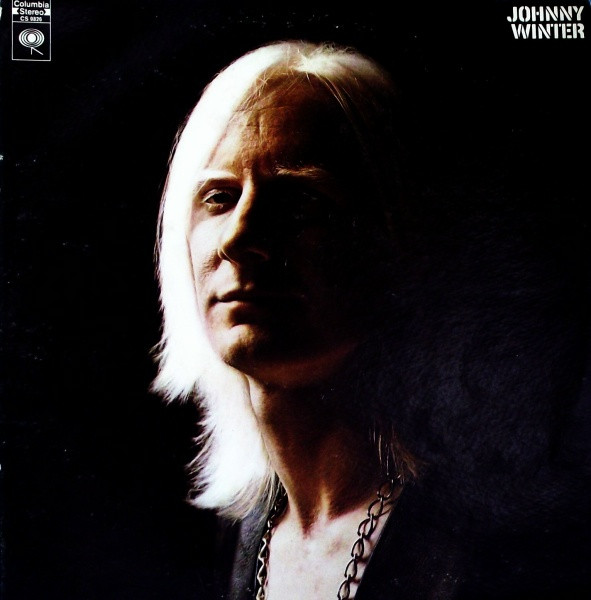
Johnny Winter
1969
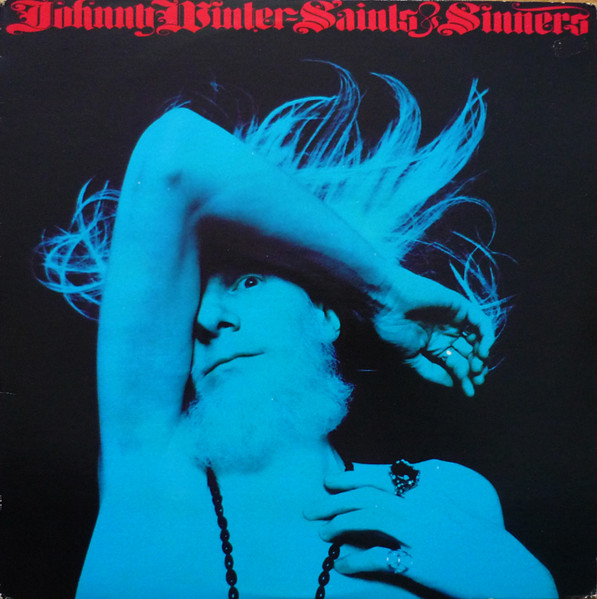
Saints & Sinners
1974
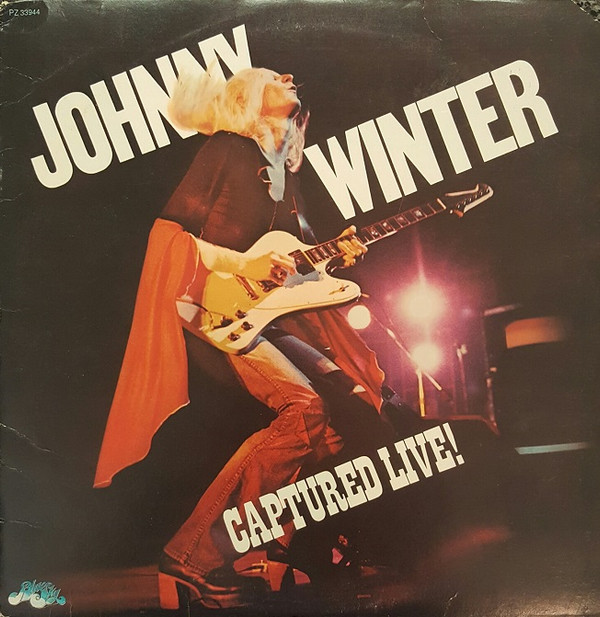
Captured Live!
1976

Still Alive And Well
1973

Step Back
2014

3rd Degree
1986

Serious Business
1985

Guitar Slinger
1984

White, Hot & Blue
1978

John Dawson Winter III
1974

Roots
2011

The Best Of Johnny Winter
2002

The Winter Of '88
1988
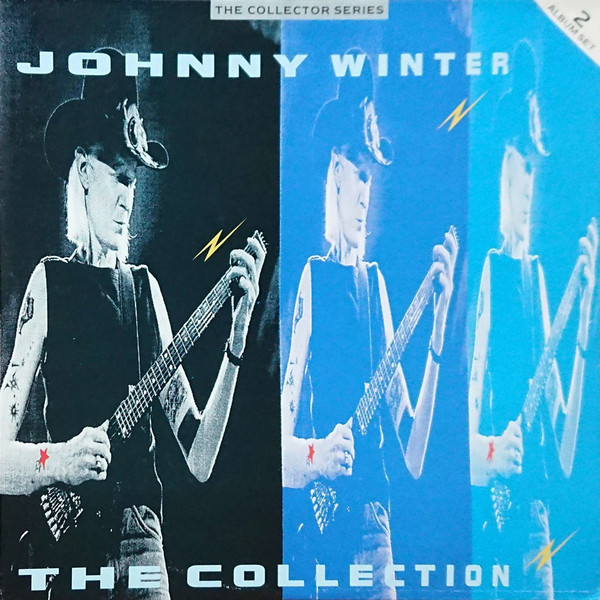
The Collection
1987
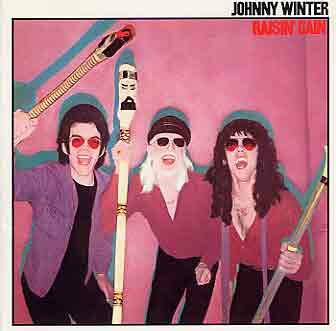
Raisin' Cain
1980
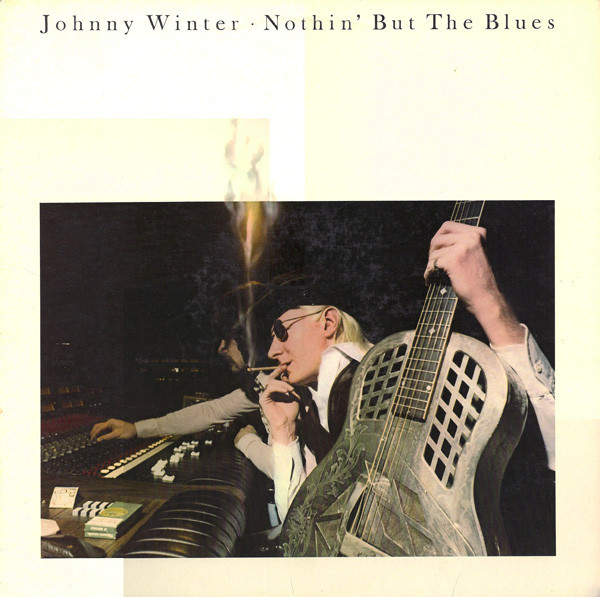
Nothin' But The Blues
1977

First Winter
1969
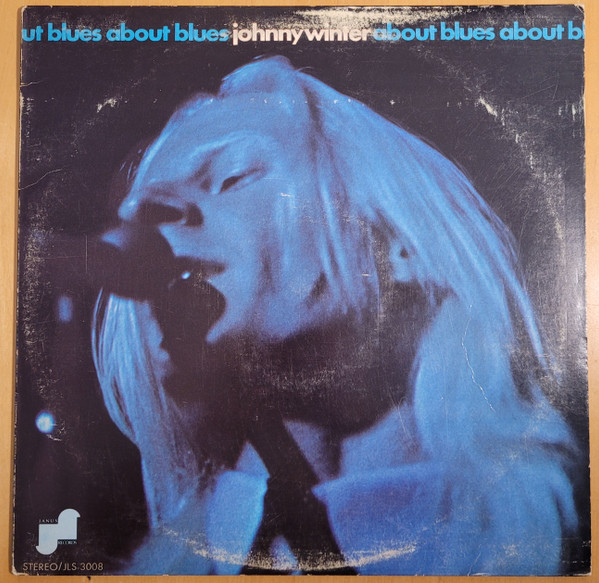
About Blues
1969

Live From Japan
2015

True To The Blues: The Johnny Winter Story
2014
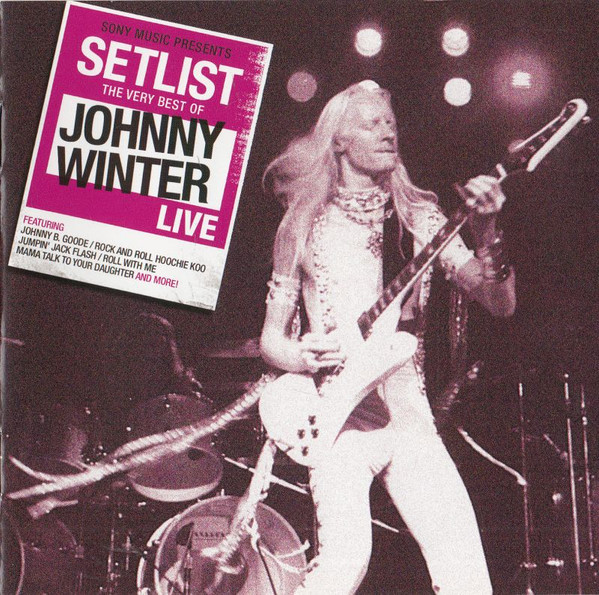
Setlist The Very Best Of Johnny Winter Live
2013

Blues Rock Legends Vol.3
2011
Johnny Winter And
A project Johnny Winter was part of. Former member.

Related artists
Frequent collaborators
Around the web
Follow every record they touch.
Start your shelf and Gatefold tracks Johnny Winter's new pressings, tour dates, and the whole discography — automatically.
Start your shelf →Free forever. Works with 10 records or 10,000.