
Artist
Canned Heat
Los Angeles, United States · Formed 1965
Canned Heat is a music group from Los Angeles, United States, active since 1965. Their discography on Gatefold includes 24 records.

45
Albums tracked
150
In collections
1965
Since
Biography
Bob Hite owned tens of thousands of 78s, and Alan Wilson was a bona fide musicologist who literally retaught Son House how to play his own pre-war open tunings. They weren't suburban kids faking a British accent to play the twelve-bar blues. They were obsessive shellac hoarders who set up amps in Topanga Canyon and turned Depression-era rural acoustic laments into blown-out, overdriven roadhouse boogies. Wilson’s reed-thin, ghostly falsetto sounded like an apparition floating above a relentless, thumping pulse, while Henry Vestine peeled the paint off the ceiling with raw, blistering fuzz lines. Then Wilson died in the woods behind Hite's house in September 1970, and the intellectual nerve center of the band was gone. Most groups would have packed it in right there. Instead, Hite and drummer Fito de la Parra dug their boots in, turned the outfit into a rotating survival vehicle, and just kept hammering the boogie groove across continents. The hits stopped coming, the seventies took their toll, and Hite collapsed backstage in '81, but the rhythm section never quit dragging that heavy freight.
Bio from The Clerk
The Arc of Canned Heat
The pivots — what forced Canned Heat to reinvent.
The Golden Age Boogie
Between 1967 and 1970, Wilson, Hite, Vestine, and bassist Larry Taylor locked into an unstoppable groove that conquered Monterey and Woodstock. Wilson adapted forgotten delta sides into generation-defining anthems like 'On the Road Again' and 'Going Up the Country' using modal drone and raw country-blues fingerpicking. Vestine pushed early solid-state amps to their absolute limits, giving their jams a terrifying, unpolished bite. It was heavy, scholarly, and completely unpretentious blues played at ear-splitting volume.
Hooker 'n Heat and the Loss of Wilson
Alan Wilson died just as the group finished tracking their dream double album backing up their ultimate hero, John Lee Hooker. Released in 1971, Hooker 'n Heat captured Hooker openly marveling at Wilson’s uncanny harmonica phrasing and deep pocket rhythm playing. The session stands as a monumental high-water mark, but it also became an elegy. Without Wilson's esoteric songwriting and slide work, the group had to lean harder into barroom muscle.
Post-Hite Road Dogs
Bob Hite's death in 1981 removed the band's booming voice and massive frontline personality, leaving drummer Fito de la Parra holding the keys to the engine. Rather than folding, Fito brought back veterans like Larry Taylor and recruited fiery gunslingers like Walter Trout to keep the tour dates rolling. The catalog shifted from psych-blues boundary-pushing to road-tested survival boogies across records like Reheated and Boogie 2000. It wasn't the counterculture anymore; it was pure, stubborn bar-band endurance.
Influences
- Tommy Johnson — They literally took their name from Johnson's 1928 track 'Canned Heat Blues.' Bob Hite built the band's identity around that kind of raw, unvarnished pre-war Mississippi Delta desperation. You hear that exact dirt-floor menace baked directly into their heaviest grooves.
- Son House — Alan Wilson was an obsessive collector who actually tracked down House in 1964 and showed him how to play his old recorded guitar parts again. Wilson lifted his modal slide technique and eerie open-D tunings straight from House's hands. That hypnotic acoustic sting drives 'Going Up the Country' and all of Wilson's slide work.
- John Lee Hooker — The group built their signature driving endless boogie rhythm on Hooker's relentless one-chord vamp. They backed him in the studio for Hooker 'n Heat, where Hooker famously said Wilson was the only white musician who understood his timing. That endless, hypnotic chug is the foundation of every single jam they ever cut.
- Floyd Jones — Wilson based their breakout smash 'On the Road Again' directly on Floyd Jones's 1953 Chicago cut 'Dark Road.' Wilson cribbed the vocal cadence, the droning guitar pattern, and the crying harmonica lick note-for-note. They simply amped it up with a driving rock backbeat and an eastern-sounding tambura drone.
- Henry Thomas — Wilson lifted the entire melody and the iconic high-register intro of 'Going Up the Country' from Thomas's 1928 ragtime-blues side 'Bull Doze Blues.' Instead of Thomas's reed quills, Wilson tracked the hook on flute with that same breathy, rural bounce. It took a forty-year-old country-blues curio and turned it into the definitive counterculture anthem.
Discography
Their records — most-collected first.
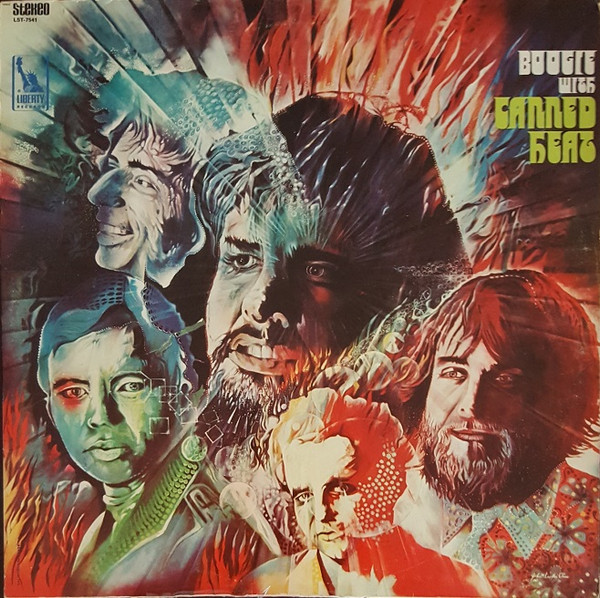
Boogie With Canned Heat
1968

Hooker ’N Heat
1971
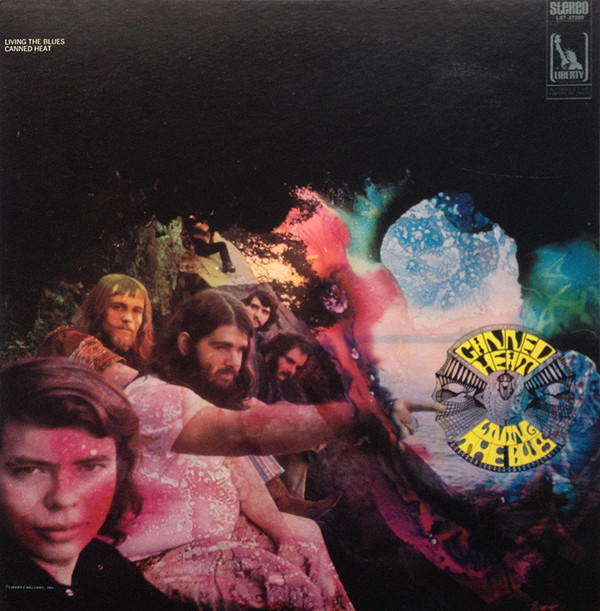
Living The Blues
1968
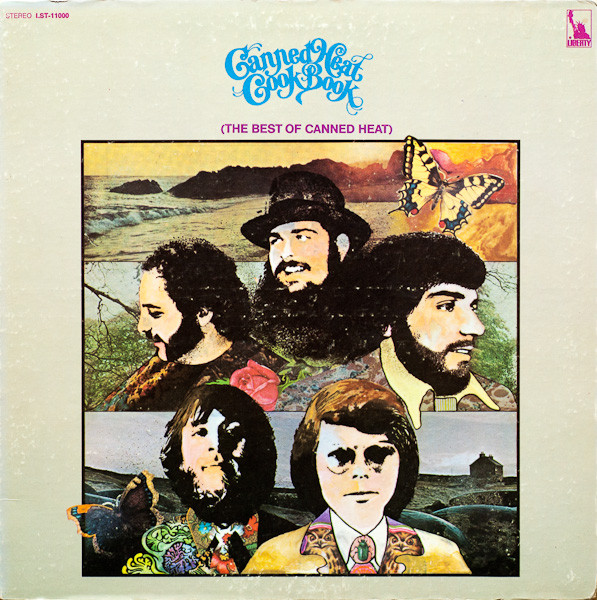
The Canned Heat Cook Book (The Best Of Canned Heat)
1969
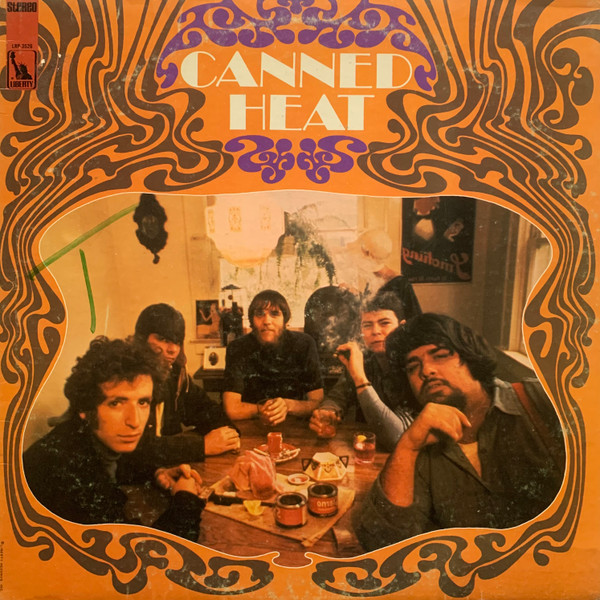
Canned Heat
1967
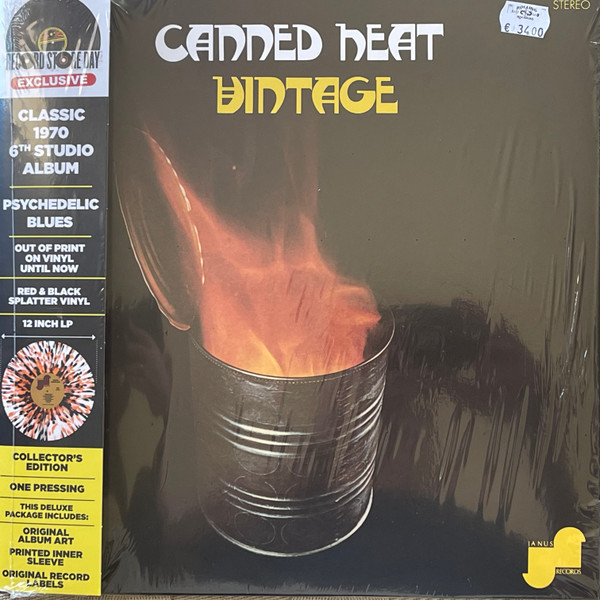
Vintage
1970

’70 Concert: Recorded Live In Europe
1970
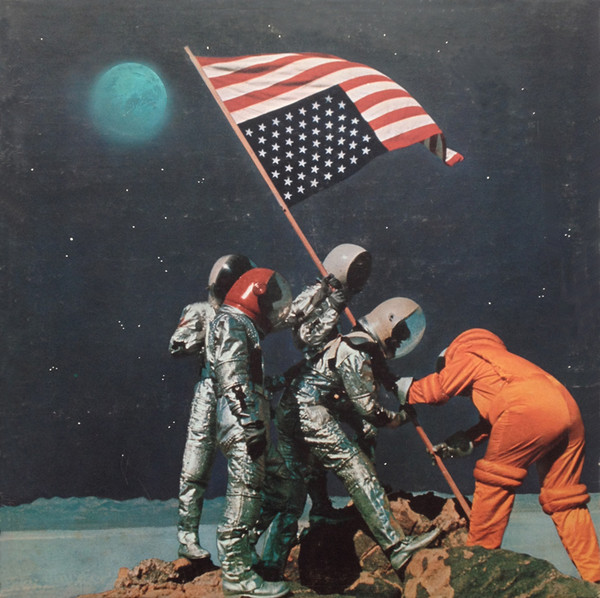
Future Blues
1970

Live At Topanga Corral
1970

The Best Of HookerNHeat
1996
The New Age
1973
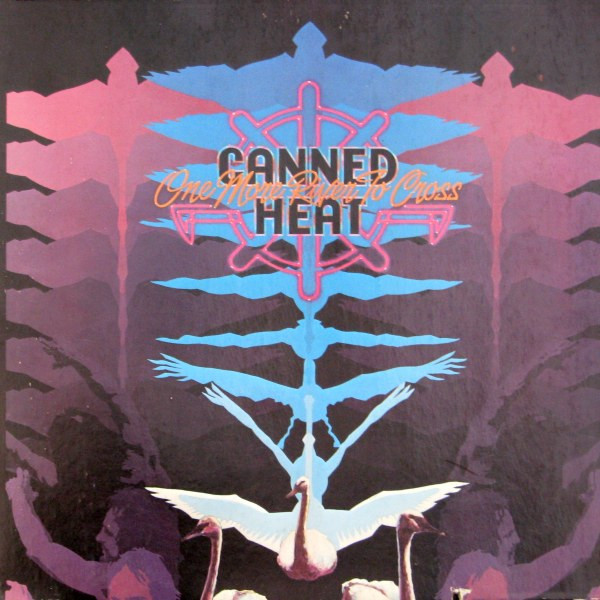
One More River To Cross
1973
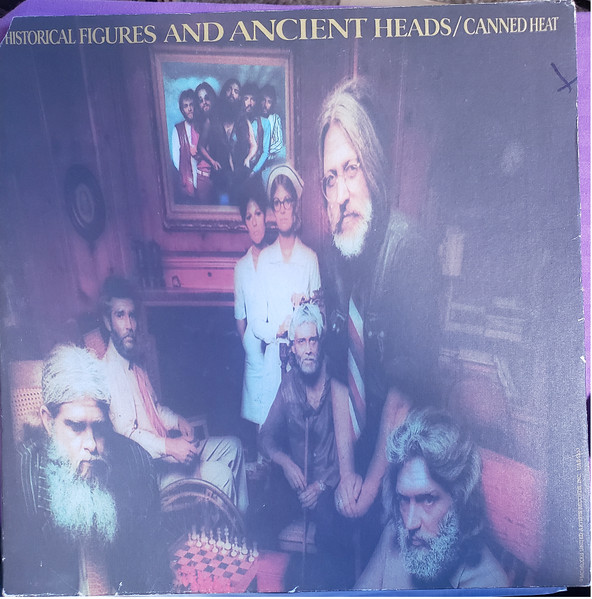
Historical Figures And Ancient Heads
1972

Hallelujah
1969
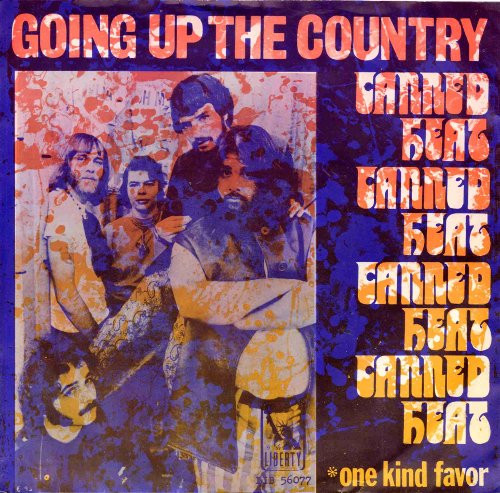
Going Up The Country
1968
Uncanned! The Best Of Canned Heat
1994

The Best Of Canned Heat
1987

On The Road Again / Time Was
1973

Collage
1969

Carnegie Hall 1971
2015

The Very Best Of Canned Heat
2005
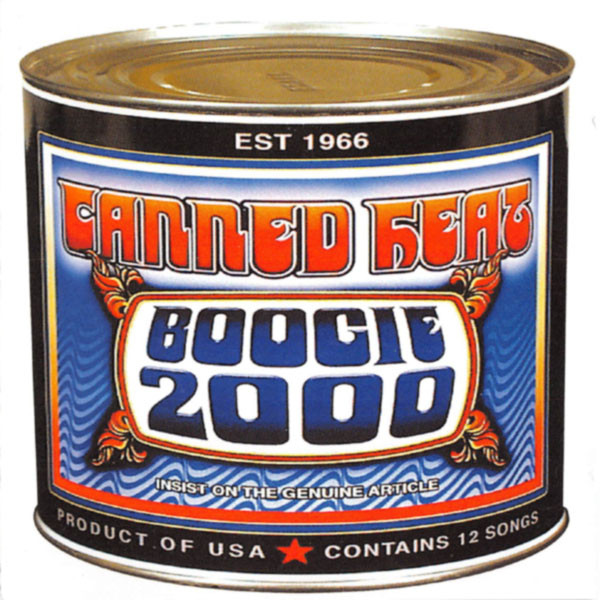
Boogie 2000
1999

The Ties That Bind
1997
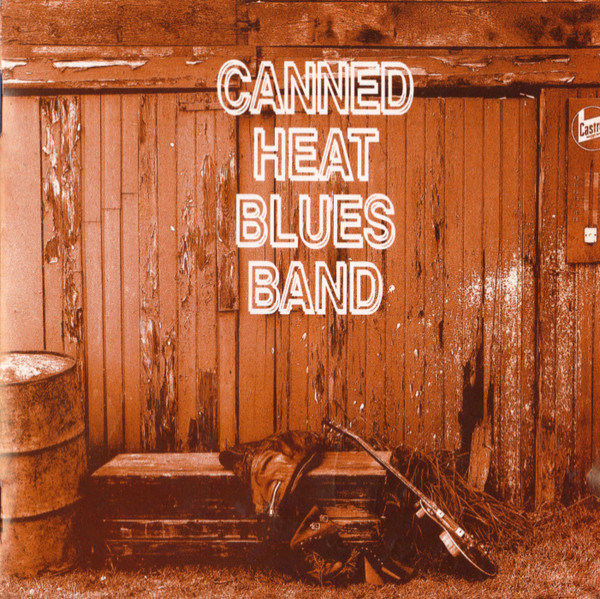
Canned Heat Blues Band
1997
Related artists
Members
Frequent collaborators
Around the web
Follow every record they touch.
Start your shelf and Gatefold tracks Canned Heat's new pressings, tour dates, and the whole discography — automatically.
Start your shelf →Free forever. Works with 10 records or 10,000.