
Artist
Jim Martin
Oakland, United States
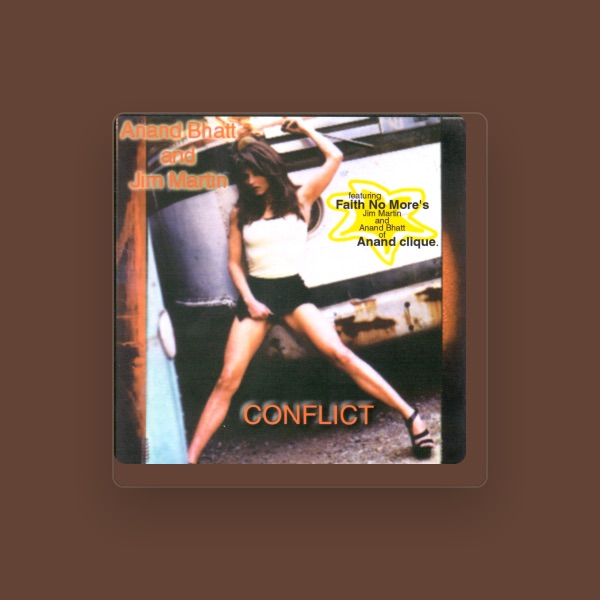
Jim Martin is a music group from Oakland, United States. Their discography on Gatefold includes 1 record.
1
Albums tracked
0
In collections
—
Since
Biography
Matt Wallace was reportedly losing his mind during the 'Angel Dust' sessions because Big Sick Ugly Jim refused to record his guitar parts in the same room as the rest of Faith No More. He ended up tracking most of that record alone or with Bill Gould just to keep the peace. You can hear that isolation in the mix—those jagged, serrated riffs cutting through the synths like a dull hacksaw. He wasn't a team player; he was a heavy metal anchor holding a bunch of art-school weirdos to the ground. He showed up to the party with EZ-Street and Agents of Misfortune alongside Cliff Burton and Mike Bordin, bringing a thrash-metal pedigree that the Bay Area scene lived and breathed. Most people think he disappeared after 1993, but the reality is more interesting. He traded the touring grind for pumpkin farming and the occasional session for guys like James Hetfield or Robert Trujillo in Infectious Grooves. He didn't lose his chops; he just lost his patience for the industry bullshit.
Bio from The Clerk
The Arc of Jim Martin
The pivots — what forced Jim Martin to reinvent.
The Bay Area Thrash Foundation
Before the chart-topping chaos, Jim was woodshedding in the East Bay hills with Cliff Burton and Mike Bordin. These early rehearsals were less about song structure and more about volume and precision, bridging the gap between Black Sabbath sludge and the speed of the emerging thrash scene. You hear this DNA in the early Faith No More records, where Jim’s Flying V provides the only real muscle against the post-punk jitter. It was a local brotherhood that shaped the heavy side of the '80s underground before it ever hit MTV.
The Angel Dust Stand-Off
By 1992, the creative divide between Jim and the rest of the band turned into a cold war during the tracking of their most ambitious record. While Patton and Gould were leaning into sampled carnival music and avant-garde arrangements, Jim retreated into his own corner with a Gibson Flying V and a stack of Marshalls. The result was a sonic friction that shouldn't have worked but gave the album its terrifying edge. His refusal to play along with the 'alt-rock' trend forced the band to find a darker, more aggressive sound that remains their peak.
The Quiet Exit and Session Work
Following his dismissal via fax in 1993, Jim effectively walked away from the limelight to focus on competitive pumpkin growing, but he never truly put down the guitar. He resurfaced for the 'Milk and Blood' solo record and lent his signature crunch to Infectious Grooves and the Voodoocult project. These recordings stripped away the synth-pop polish of his former band and focused entirely on the mid-tempo, heavy-handed riffing he favored. It was a total rejection of the '90s alternative boom in favor of pure, unadulterated heavy metal tradition.
Influences
- Black Sabbath — Jim is a self-professed devotee of Tony Iommi’s school of the heavy riff. You hear it in the downtuned, sluggish pace of tracks like 'Zombie Eaters' and 'Jizzlobber.' It’s that same sense of dread built on a pentatonic scale.
- Lynyrd Skynyrd — He’s often cited them as a primary reason for his melodic approach to soloing. On 'Epic' and 'Edge of the World,' he bypasses thrash shredding for soulful, Southern-fried phrasing. He brought a dirt-under-the-fingernails grit to a genre that was becoming too sterile.
- Ennio Morricone — The cinematic, widescreen tension in his lead work on 'King for a Day' era demos can be traced back to his love for spaghetti western scores. He liked the idea of a guitar sounding like a lonely man in a desert. It gave his metal playing a weird, lonely atmosphere.
- Metallica — The connection is personal and musical, stemming from his tight bond with Cliff Burton. The rhythmic gallop in Jim's right-hand technique mirrors the early Hetfield/Burton precision. They were all breathing the same Bay Area air when the blueprints for thrash were being drawn.
- Thin Lizzy — You can hear the twin-guitar harmony influence in the way he layered tracks with Bill Gould’s bass melodies. He respected the dual-lead attack and the blue-collar songwriting of Phil Lynott. It kept his most aggressive playing rooted in actual songs rather than just noise.
Discography
Their records — most-collected first.

Related artists
Frequent collaborators
Around the web
Follow every record they touch.
Start your shelf and Gatefold tracks Jim Martin's new pressings, tour dates, and the whole discography — automatically.
Start your shelf →Free forever. Works with 10 records or 10,000.