
Artist
Jefferson Starship
San Francisco, United States · Formed 1974
Jefferson Starship is a music group from San Francisco, United States, active since 1974. Their discography on Gatefold includes 24 records.

27
Albums tracked
136
In collections
1974
Since
Biography
Paul Kantner didn’t just wake up and decide to build a arena-rock juggernaut. He spent $100,000 of RCA’s money on the Blows Against the Empire sessions in 1970, dragging Jerry Garcia and David Crosby into Wally Heider Studios to record a sci-fi concept album about hijacking a starship. That record was the blueprint, but by 1974, the loose hippie idealism of the Airplane was dead, and the new band had to find a way to pay for the private jets. They swapped the psychedelic sprawling jams for a high-gloss, high-output production style that could cut through FM radio static. The friction between the old Haight-Ashbury guard and the new recruits like Mickey Thomas defined the back half of the seventies. You had Grace Slick fighting her own demons and Marty Balin trying to write the perfect love song while Craig Chaquico shredded over it all like his life depended on it. It’s easy to mock the '80s pop pivot, but the musicianship in the room was terrifying. You don't hire a guy like Aynsley Dunbar to play drums unless you want a rhythm section that can actually execute the complex, multi-layered arrangements that Kantner was still trying to hide inside those pop hooks.
Bio from The Clerk
The Arc of Jefferson Starship
The pivots — what forced Jefferson Starship to reinvent.
The Dragon Fly Rebirth
After the Airplane disintegrated, Kantner and Slick solidified the touring lineup from the Baron von Tollbooth sessions into a permanent unit. Bringing in 19-year-old guitar prodigy Craig Chaquico and the blues-infused violin of Papa John Creach gave the band a technical edge the previous group lacked. You hear it on 'Ride the Tiger' where the folk-rock roots get steamrolled by a harder, more disciplined rock sound. This was the moment they stopped being a collective and started being a professional touring machine.
The Mickey Thomas Transition
Marty Balin bailed after the massive success of Red Octopus, leaving a void that was filled by the soul-drenched vocals of Mickey Thomas in 1979. Producer Ron Nevison moved into the booth to polish the rough edges, leading to the Freedom at Point Zero sessions. The result was 'Jane,' a track that ditched the celestial metaphors for a straight-ahead, driving rock anthems. The transition turned them from a San Francisco legacy act into a chart-topping powerhouse capable of selling out stadiums.
The Galactic Legal War
The 1984 departure of Paul Kantner turned into a scorched-earth legal battle over the name Jefferson Starship. Kantner sued for his 'percentage of the soul' of the band, forcing the remaining members to drop the 'Jefferson' entirely and become simply Starship. This forced a hard pivot into pure synthesizers and outside songwriters like Diane Warren. The records became cleaner, the hits became bigger, and the connection to the 1967 Summer of Love was finally, legally severed.
Influences
- The Byrds — Kantner explicitly cited Gene Clark’s songwriting as his primary motivation for picking up a 12-string guitar. You hear that Rickenbacker chime buried under the heavier production of early Starship tracks like 'Caroline.' It's the DNA of the San Francisco sound they never quite shook.
- John Coltrane — Kantner often spoke about trying to replicate Coltrane's 'sheets of sound' through feedback and vocal stacking. On sprawling tracks like 'Hyperdrive,' the band attempts a modal intensity that mirrors a jazz quintet more than a standard rock outfit. They wanted that level of improvisational density even in a rock setting.
- Quicksilver Messenger Service — The dual-guitar interplay between John Cipollina and Gary Duncan was the mandatory school for any Bay Area band. Craig Chaquico’s fluid, liquid-fire leads on 'Red Octopus' are a direct evolution of that high-treble, vibrato-heavy San Francisco style. It’s the sound of the ballroom scene refined for the studio.
- The Weavers — Before the electric era, the members were folkies obsessed with the vocal harmonies of Pete Seeger's group. The multi-part vocal arrangements on 'Miracles' aren't just pop tropes; they are a direct line from the communal singing style of the 1950s folk revival. They traded the acoustic guitars for stacks of Marshalls but kept the choral structure.
- Fanny — The band toured with and championed this all-female rock group in the early 70s, even having June Millington contribute to sessions. You hear that tough, precise pocket-groove Fanny mastered reflected in the tighter, more commercial rhythmic approach of the mid-70s Starship records. They learned how to streamline the jam into a three-minute punch.
Discography
Their records — most-collected first.
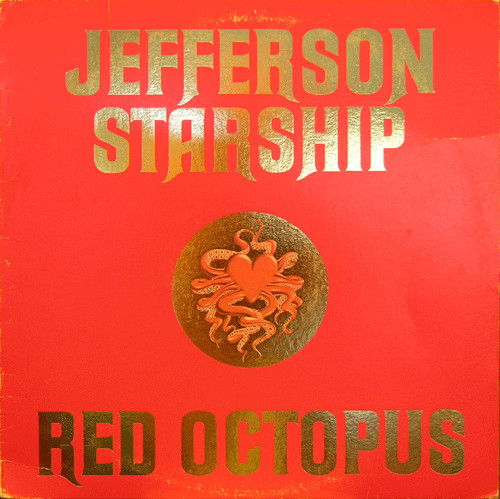
Red Octopus
1975
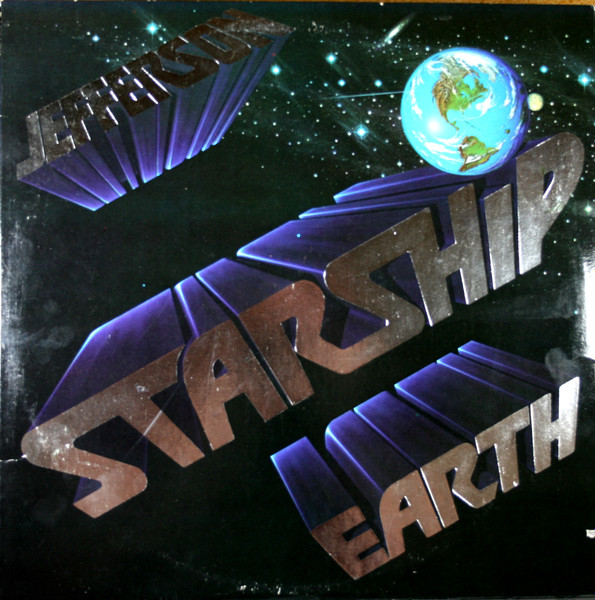
Earth
1978
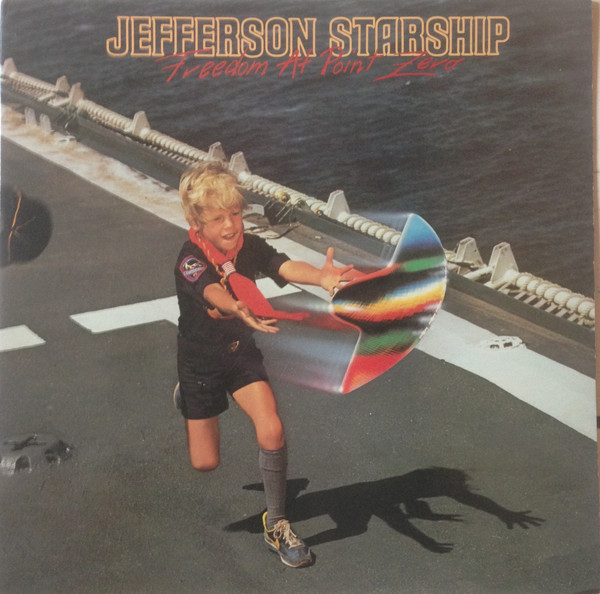
Freedom At Point Zero
1979

Spitfire
1976
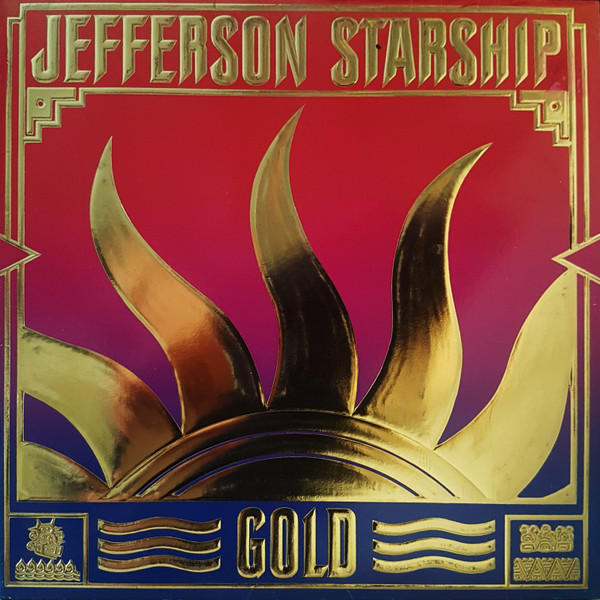
Gold
1979

Modern Times
1981
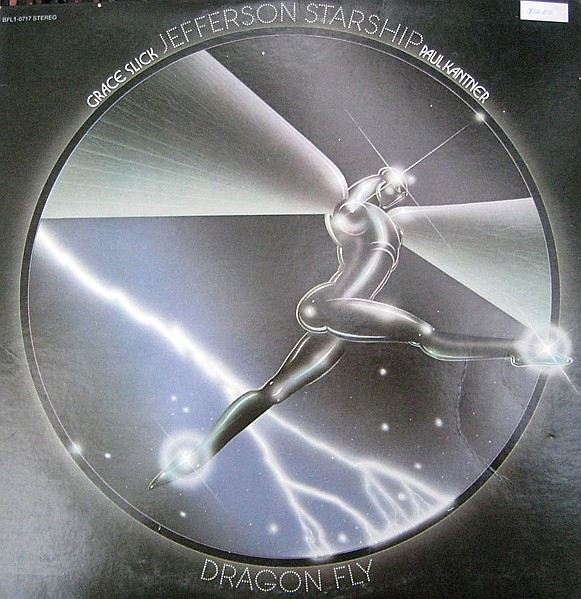
Dragon Fly
1974
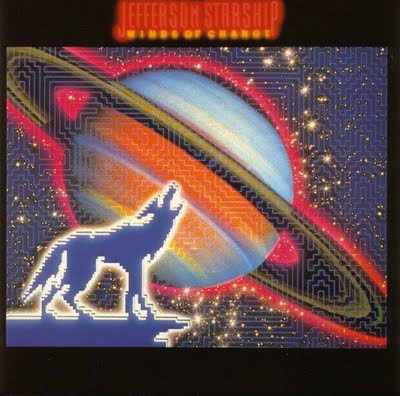
Winds Of Change
1982
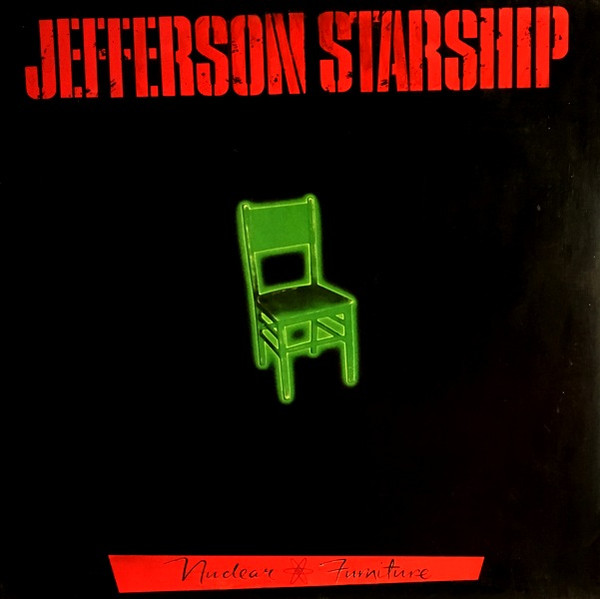
Nuclear Furniture
1984

Jane
1979

Now Playing
2024
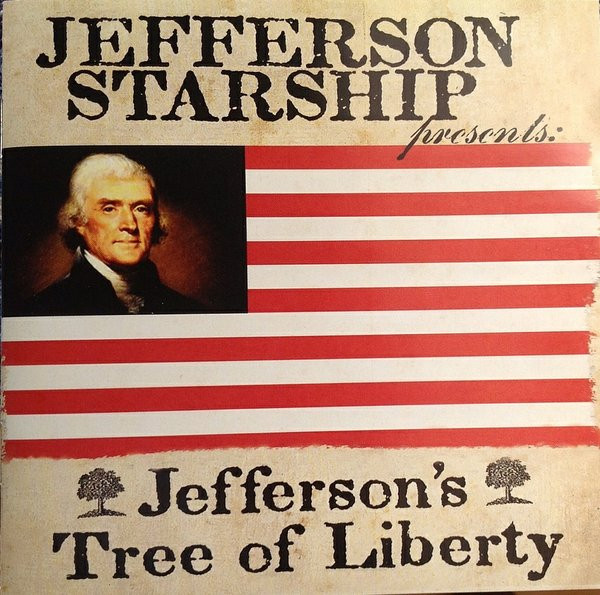
Jefferson's Tree Of Liberty
2008

Count On Me
1978

Mother of the Sun
2020

The Best Of Mick's Picks
2012
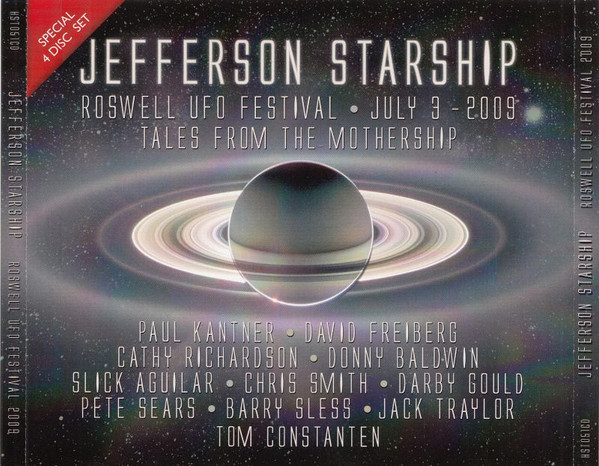
Roswell UFO Festival 2009 - Tales From The Mothership
2010

Original Album Classics
2009

Soiled Dove
2008

Platinum & Gold Collection
2003

Vinoy Park
2003

Across The Sea Of Suns
2001

Extended Versions: The Encore Collection
2000

Windows Of Heaven
1999
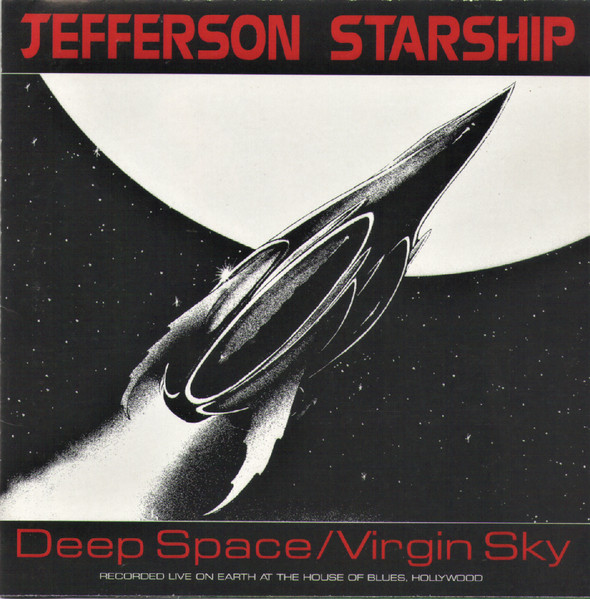
Deep Space/Virgin Sky
1995
Related artists
Members
Frequent collaborators
Around the web
Follow every record they touch.
Start your shelf and Gatefold tracks Jefferson Starship's new pressings, tour dates, and the whole discography — automatically.
Start your shelf →Free forever. Works with 10 records or 10,000.