
Artist
Jake Xerxes Fussell
Columbus, United States · b. 1981
Jake Xerxes Fussell is a musician from Columbus, United States, active since 1981. Their discography on Gatefold includes 6 records.

6
Albums tracked
20
In collections
1981
Since
Biography
William Tyler hauled him into a Nashville room in 2014, backed him with seasoned players like Chris Scruggs and fiddle master Hoot Hester, and forced a dedicated field archivist to finally commit his voice to tape. Fussell didn't treat traditional songcraft like museum pieces preserved under heavy glass. He treated forgotten broadsides, fish-monger calls, and mill-town blues like living, breathing machinery that just needed fresh oil. Paradise of Bachelors pressed that 2015 debut, and suddenly the guy wasn't just transcribing southern field recordings—he was giving them weight and pulse. He doesn't showboat. His fingerpicking rolls with a loose, steady Georgia thumb that avoids flash, making the songs sound lived-in rather than performed. By the time James Elkington stepped behind the board, Fussell started letting horns, strings, and his own original instrumentals edge into the frame without breaking the spell. It is tough, patient work that cuts right through the sea of precious neo-folk nonsense.
Bio from The Clerk
The Arc of Jake Xerxes Fussell
The pivots — what forced Jake Xerxes Fussell to reinvent.
The Nashville Field Exhumation
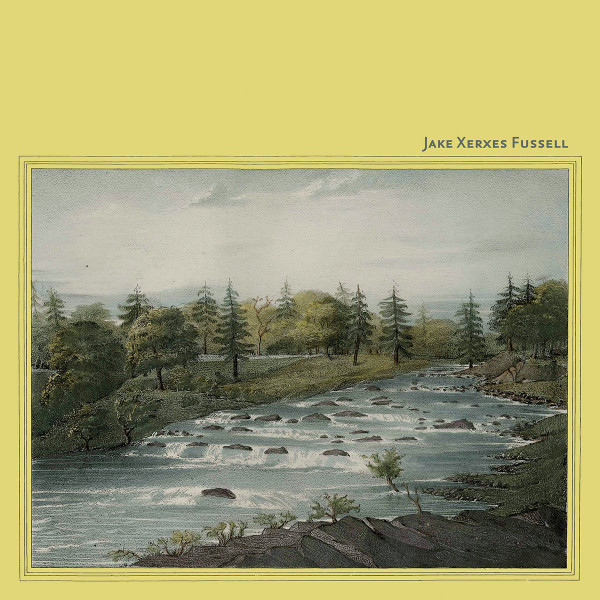
William Tyler produced the 2015 self-titled debut in Nashville, pulling Fussell out of pure archival obscurity and setting his acoustic fingerpicking against veterans Chris Scruggs and Hoot Hester. The arrangements on both 'Jake Xerxes Fussell' and 2017's 'What in the Natural World' treat Southern vernacular tunes not as academic study, but as lived experience. Fussell's gravelly vocal delivery and swinging Piedmont-inflected cadence immediately stood out on the Paradise of Bachelors roster. You hear a guy deliberately stripping all tourist nostalgia out of 19th-century American songwriting.
Full Ensemble Expansion
By 2019's 'Out of Sight', the bare-bones folk architecture expanded into a full, dynamic ensemble sound. Working with a dedicated rhythm section, Fussell let sea shanties and coal-camp ballads stretch out into rolling, hypnotic grooves. The record proved his thumb-picked guitar could easily drive a loud room rather than just quiet front porches. It cleared out the rustic dust in favor of punchy, textured indie-folk muscle.
The Elkington Chamber Sessions
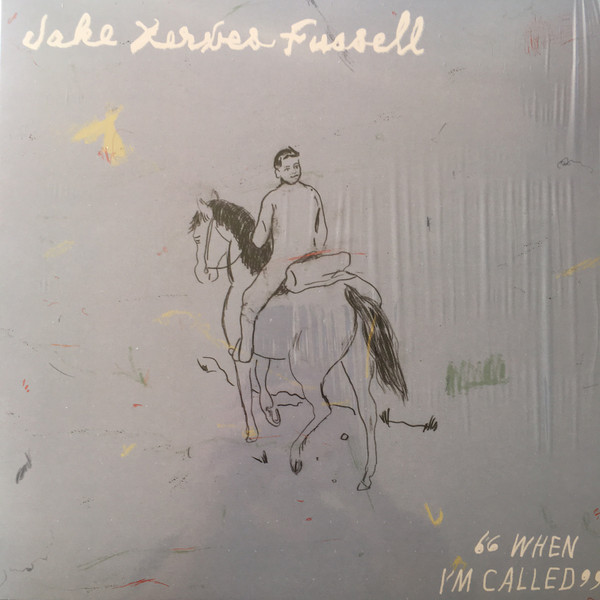
Pairing up with producer and guitarist James Elkington for 2022's 'Good and Green Again' broke Fussell's longstanding rule against recording original compositions. Elkington brought subtle brass charts, string accents, and quiet woodwinds to frame Fussell's first batch of self-penned instrumentals alongside the old songs. The jump to Fat Possum for 2024's 'When I'm Called' doubled down on that partnership, locking in bassist Ben Whiteley and drummer Joe Westerlund with vocal touches from Joan Shelley and Robin Holcomb. The production became lush without smothering the dry grit at the center of the tunes.
Cinematic Scoring and Self-Reliance
Teaming back up with Elkington, Fussell took his compositional side into cinema, co-scoring Max Walker-Silverman's 2025 film 'Rebuilding'. Shifting from archival reinterpretation to long-form instrumental scoring pushed his melodic phrasing into wide open, atmospheric terrain. That momentum fed directly into 2026's 'The Old Beloved Path', an album produced and mixed by his touring bassist Ben Whiteley. Stripping away outside studio polish, Whiteley captured Fussell's road band with immediate, unvarnished bite.
Influences
- Precious Bryant — Fussell spent years accompanying the Georgia country-blues master as her regular rhythm guitarist on tour and at home. You can hear her hypnotic, rolling Piedmont fingerpicking directly in his open-string thumb work. It is the bedrock groove underneath everything he tracks.
- Art Rosenbaum — Rosenbaum was an obsessive folklorist and traditional banjo player who took Fussell along on field recording trips across rural Georgia from an early age. Fussell absorbed Rosenbaum's field-method ethics and unvarnished vocal storytelling directly at the source. It saved him from ever treating old folk songs like polite period pieces.
- Georgia Yellow Hammers — Fussell has frequently cited this 1920s Georgia string band in interviews and explicitly adapted their ragged hill-country arrangements on his records. Their rough-edged, unpolished attack informs the clattering, rhythmic bounce on his uptempo tunes. He borrows their grit without sanding down the original weirdness.
- Doc Watson — Watson's crisp North Carolina flatpicking and plainspoken, dry baritone vocal delivery are clear forebears of Fussell's delivery. You hear it across all his Paradise of Bachelors sides in the deliberate clarity of every single picked note. Neither Watson nor Fussell ever used reverb as a crutch.
- Etta Baker — Baker's relaxed, syncopated North Carolina two-finger picking style is central to the Piedmont regional sound Fussell studied for years. You hear her easy, unhurried timekeeping echoed in the patient instrumental passages on 'Good and Green Again'. It's playing that breathes instead of showing off.
Discography
Their records — most-collected first.




Around the web
Follow every record they touch.
Start your shelf and Gatefold tracks Jake Xerxes Fussell's new pressings, tour dates, and the whole discography — automatically.
Start your shelf →Free forever. Works with 10 records or 10,000.