
Artist
Grachan Moncur III
trombonist
New York City, United States · 1937 – 2022
Grachan Moncur III is a musician from New York City, United States, active 1937–2022. Their discography on Gatefold includes 6 records. They also recorded with Jackie McLean Quintet and The 360 Degree Music Experience.
8
Albums tracked
19
In collections
1937
Since
Biography
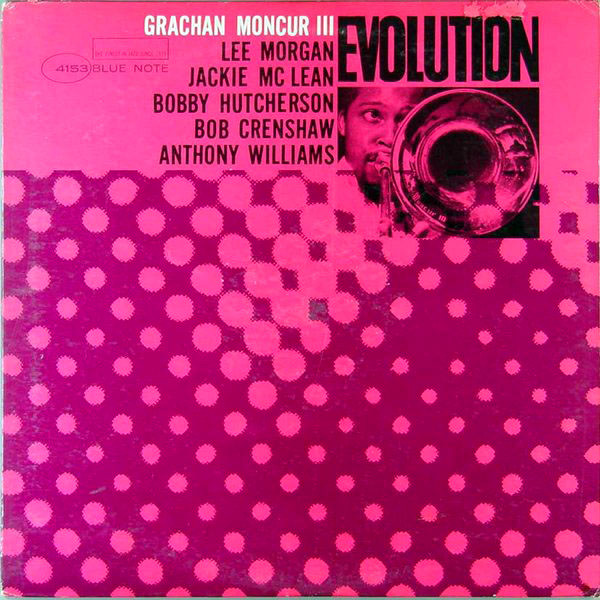
The Blue Note brass didn’t know what the fuck to do with a trombone player who wrote like a ghost story. Moncur showed up to Van Gelder’s studio in '63 not to play slides or party music, but to dismantle the hard bop grid from the inside. He wasn't interested in the technical gymnastics that defined the instrument's past. He wanted space, shadows, and chords that felt like they were hanging off a cliff. Evolution Evolution and Some Other Stuff are the high-water marks of the label’s 'New Thing' era, mostly because Moncur had the balls to let the silence do the heavy lifting. He wasn't a soloist who needed to burn through scales to prove he belonged. He was a composer who treated a quintet like a chamber orchestra, forcing guys like Lee Morgan and Bobby Hutcherson to play with a restraint that probably drove them crazy at the time. By the time he moved to BYG Actuel in the late '60s, the industry had moved on to fusion and funk, leaving his cerebral, brooding structures to the crate-diggers and the avant-garde lifers.
Bio from The Clerk
The Arc of Grachan Moncur III
The pivots — what forced Grachan Moncur III to reinvent.
The McLean Connection
Jackie McLean gave Moncur the keys to the kingdom by bringing him into the quintet for the One Step Beyond sessions in '63. It was a symbiotic hijacking where Moncur’s compositions essentially redefined McLean's post-bop sound into something far more skeletal and haunting. You hear it in the way the trombone and alto sax lock together on 'Ghost Town,' creating a hollow, eerie timbre that blew the doors open for Moncur to lead his own dates. This wasn't just a gig; it was the birth of a specific, dark-hued vocabulary that Blue Note hadn't heard before.
The Paris Avant-Garde
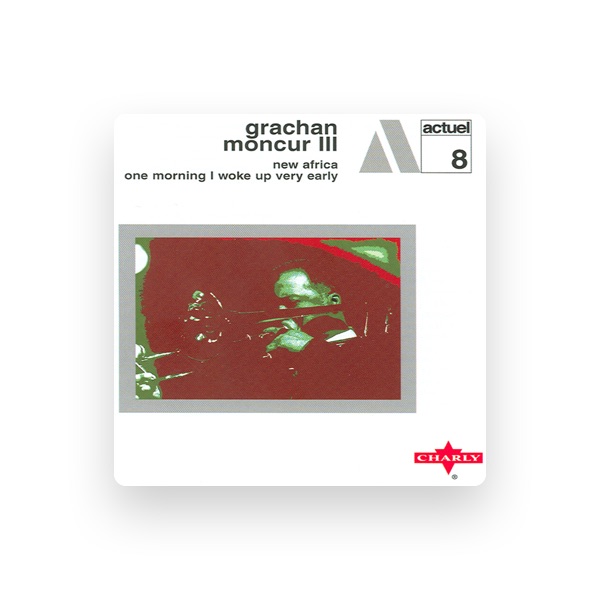
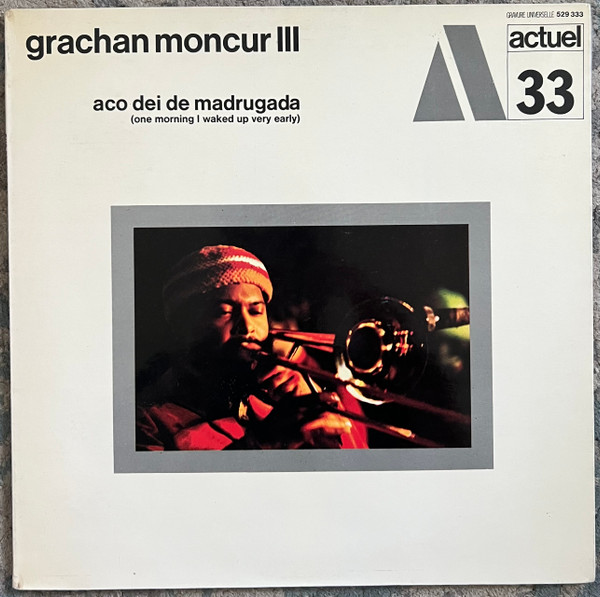
When the American jazz economy cratered in the late '60s, Moncur followed Archie Shepp to Paris to record for the BYG Actuel label. The sessions for New Africa were a massive departure from the tight, mathematical structures of his early work, leaning into the radical politics and free-form explosions of the era. The production was raw and the room was chaotic, trading the pristine Van Gelder sound for a dense, spiritual urgency. This shift saw him moving away from being a structured composer toward becoming a texturalist in the thick of the free jazz firestorm.
Influences
- Grachan Moncur II — His father was the bassist for the Savoy Sultans and kept the house filled with professional players during the swing era. The exposure to the grind of the big band circuit gave Moncur a fundamental understanding of rhythm sections that he would later deconstruct. You hear that lineage in his rock-solid sense of timing, even when the melodies go completely off the rails.
- J.J. Johnson — Johnson was the undisputed king of the bebop trombone and Moncur’s primary technical benchmark before he went avant-garde. While Moncur eventually rejected Johnson's 'speed-at-all-costs' approach, he retained the clean, articulate slide technique that Johnson mastered. It's the reason Moncur sounds so intentional even when he's playing the most dissonant shit imaginable.
- Thelonious Monk — Moncur frequently cited Monk as a primary influence for his approach to space and rhythmic displacement. You can hear the 'Monkish' use of silence and unexpected intervals all over the arrangements on Evolution. He treats the trombone like Monk treated the piano—less as a lead voice and more as a percussive tool for shaping the composition.
- Benny Carter — Carter was Moncur's uncle and a master of sophisticated jazz arranging who actually gave the kid his first instrument. The DNA of Carter’s complex, multi-voiced orchestration is what allowed Moncur to write such dense charts for his Blue Note sextets. He took Carter’s structural logic and applied it to the far more aggressive 'New Thing' scene.
- Art Farmer — Moncur spent a formative stint in the Jazztet, co-led by Farmer and Benny Golson, right before he broke out on his own. Farmer’s lyrical, almost vocal quality on the flugelhorn rubbed off on Moncur’s phrasing. Even at his most abstract, Moncur maintains a singing quality in his tone that he pulled directly from those Jazztet frontlines.
Grachan Moncur III — solo
Their records — most-collected first.


Jackie McLean Quintet
A project Grachan Moncur III was part of.

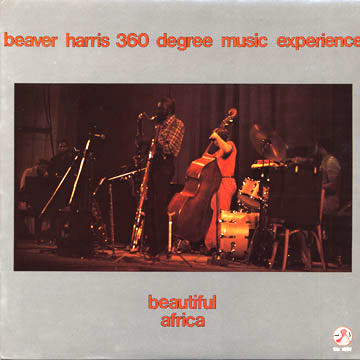
The 360 Degree Music Experience
A project Grachan Moncur III was part of.
Related artists
More projects
Frequent collaborators
Around the web
Follow every record they touch.
Start your shelf and Gatefold tracks Grachan Moncur III's new pressings, tour dates, and the whole discography — automatically.
Start your shelf →Free forever. Works with 10 records or 10,000.