
Artist
Frank Ocean
Long Beach, United States · b. 1987
Frank Ocean is a musician from Long Beach, United States, active since 1987. Their discography on Gatefold includes 13 records. They also recorded with Odd Future.

14
Albums tracked
243
In collections
1987
Since
Biography
Hurricane Katrina took out his New Orleans studio and forced him to pack his life into a suitcase and head to L.A. with nothing but a hard drive. He wasn't some industry plant; he was a songwriter-for-hire for Justin Bieber and John Legend, grinding in the ghostwriting trenches until he fell in with the Odd Future kids. That association gave him the cover to drop a mixtape that sampled the Eagles and Coldplay without clearing a single thing. Def Jam didn't know what to do with him until he'd already stolen the internet's attention with a Tumblr link. The real story is the heist he pulled on the way out. He owed the label one more record and gave them the visual album Endless to fulfill the contract, then dropped Blonde independently 24 hours later. It was a brutal, genius move that let him keep the masters and the lions share of the profit. He went from the kid scrubbing toilets after the storm to the guy who out-negotiated the biggest label in the world. He hasn't released a full-length since, and honestly, with that level of leverage, he might never have to again.
Bio from The Clerk
The Arc of Frank Ocean
The pivots — what forced Frank Ocean to reinvent.
The Ghostwriting Hustle
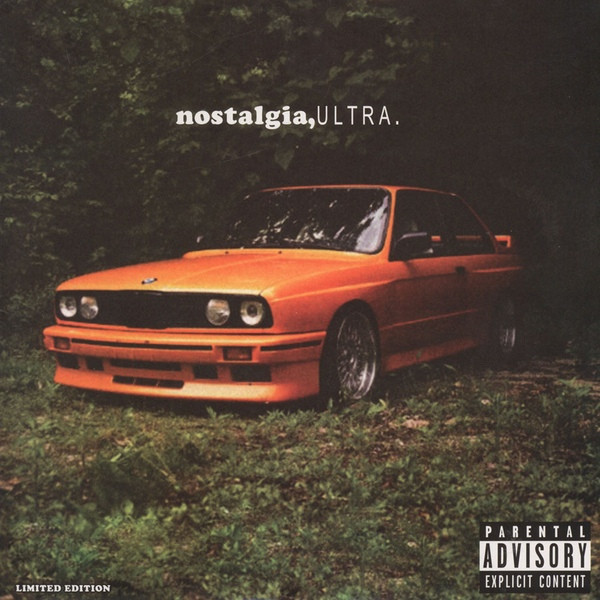
Before the spotlight, Christopher Breaux was a factory worker in the songwriting industry under the name Lonny Breaux. He spent years in L.A. studios crafting radio-ready hooks for pop stars, a period that polished his melodic instincts even while he hated the corporate process. You can hear that tension on the nostalgia,ULTRA. mixtape, where he treats commercial structures as a playground to be dismantled. It was the sound of a guy who knew the rules well enough to break them with a cheap microphone and a laptop.
The Malay Sessions
When it came time for his debut LP, Frank locked himself in EastWest Studios with producer Malay and a massive list of session players including Pharrell and John Mayer. They moved away from the sample-heavy collage of the mixtape toward a widescreen, psychedelic R&B sound that utilized vintage Rhodes and live strings. Channel Orange turned him into a superstar, but it also proved he could handle the pressure of a major label budget without losing his weird, narrative-heavy edge. The record felt like a collection of short stories, proving R&B didn't need to be about the club to sell units.
The Independent Heist
After years of silence and label disputes, the 2016 pivot remains the ultimate power move in modern music history. He built a staircase on a live stream for days as part of the Endless project just to burn off his Def Jam deal, then immediately pivoted to the release of Blonde on his own Boys Don't Cry imprint. Blonde ditched the lush orchestration of the previous record for minimalist guitar loops and pitch-shifted vocals, much of it recorded in a frantic sprint across studios in London and Paris. It was the sound of a man who finally owned his own masters and didn't care about a radio single anymore.
Influences
- Prince — Frank has cited Prince as a primary inspiration for his vocal arrangements and his choice to frequently use pitch-shifting to create multiple characters. You hear it most clearly on 'Nikes' and the 'Self Control' outro, where the manipulated vocals mimic the Camille persona Prince used in the late eighties. He was the blueprint for a black artist refusing to be boxed into a single genre.
- The Beatles — He famously interpolated the lyrics from 'Here, There and Everywhere' on the track 'White Ferrari.' The influence shows up in his penchant for non-linear song structures and the way he uses the studio as an instrument rather than just a recording space. It's the Abbey Road philosophy applied to modern R&B.
- Stevie Wonder — Frank covered 'Close to You' as a tribute to Stevie's legendary talk-box performance on the 1972 TV special 'The David Frost Show.' The DNA of Stevie’s 1970s run is all over the Rhodes-heavy arrangements on Channel Orange. He took Stevie's chord complexity and brought it into the digital era.
- Beach Boys — He’s gone on record praising Brian Wilson's 'God Only Knows' as one of his favorite songs, and you can hear that influence in the layered, choral vocal stacks on 'Pink + White.' The focus on harmonic density and summer-tinged melancholy is pure Pet Sounds. He’s chasing that same 'symphony to God' energy in a much darker room.
- Lauryn Hill — Frank sampled 'Zion' and has frequently cited The Miseducation of Lauryn Hill as the record that taught him how to blend vulnerability with technical rapping. The raw, unplugged feel of the second half of Blonde mirrors the intimacy of Hill's MTV Unplugged session. Both artists share that same refusal to play the industry game on anyone else's terms.
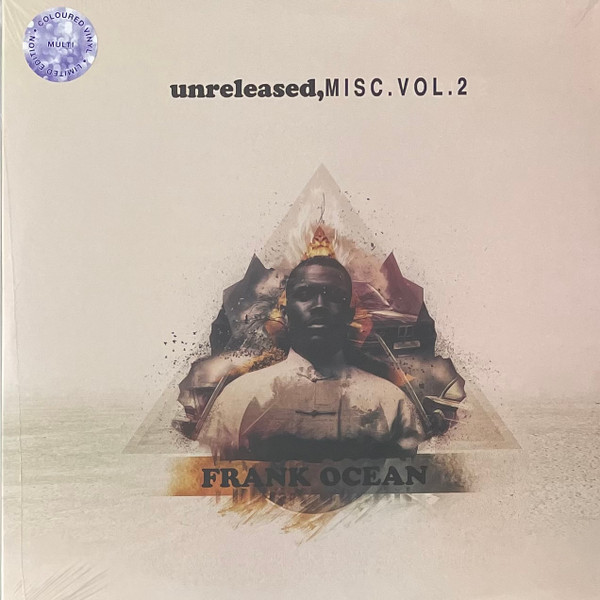
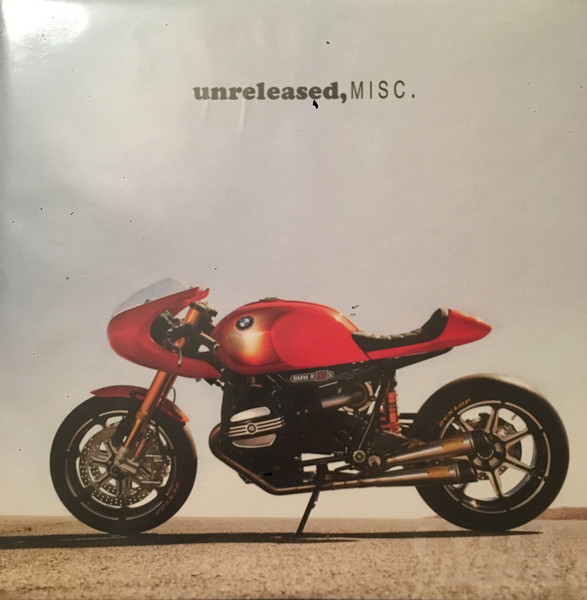
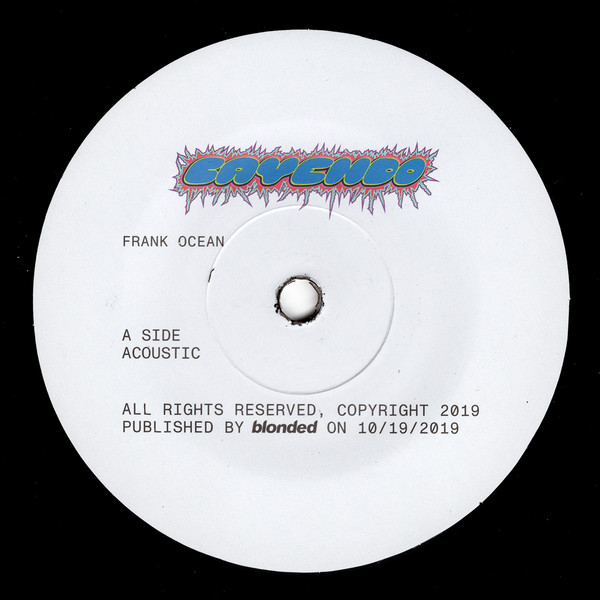
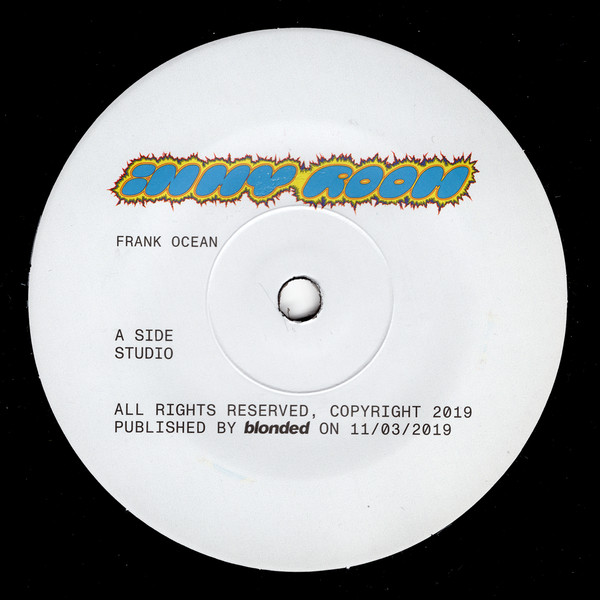
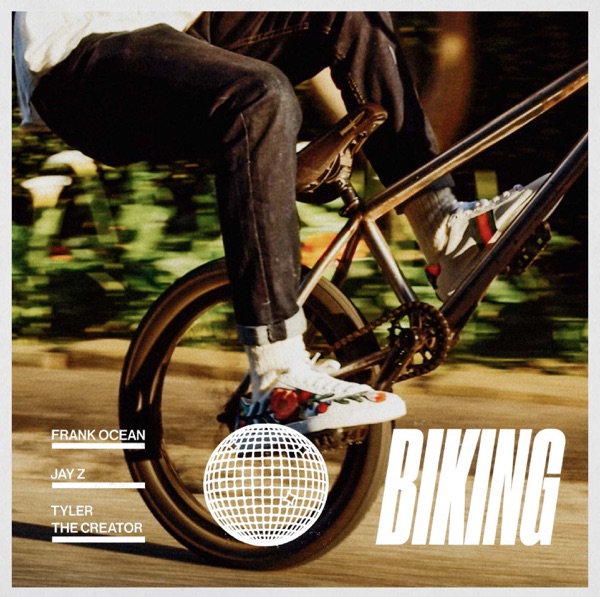
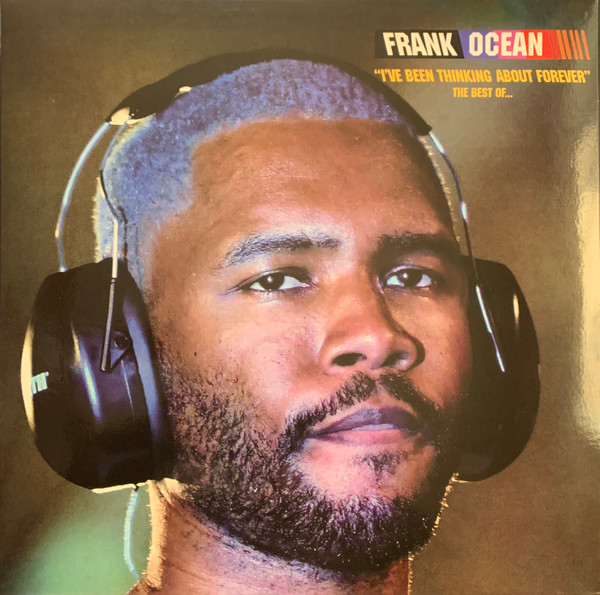
Frank Ocean — solo
Their records — most-collected first.





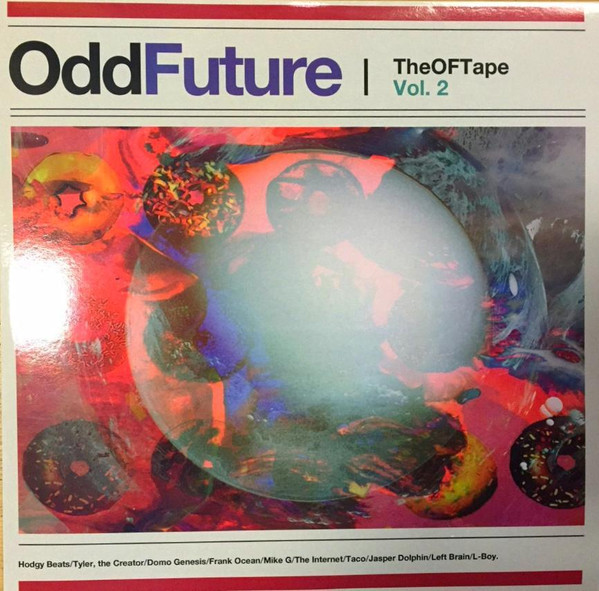
Odd Future
A project Frank Ocean was part of.
Related artists
Frequent collaborators
Around the web
Follow every record they touch.
Start your shelf and Gatefold tracks Frank Ocean's new pressings, tour dates, and the whole discography — automatically.
Start your shelf →Free forever. Works with 10 records or 10,000.