
Artist
France Gall
12th arrondissement of Paris, France · 1947 – 2018
France Gall is a musician from 12th arrondissement of Paris, France, active 1947–2018. Their discography on Gatefold includes 24 records.

48
Albums tracked
13
In collections
1947
Since
Biography
Alain Goraguer had the orchestra pinned against the wall at Studio Blanqui in 1965, hammering out the furiously fast arrangement for 'Poupée de cire, poupée de son' while Serge Gainsbourg watched from the glass. Gall was seventeen, terrified, and singing flat during rehearsals. She won Eurovision anyway by brute-forcing a punk tempo onto a room full of stiff session players who hated the song. The industry treated her like a wind-up toy, and Gainsbourg exploited her naivety until the humiliation of 'Les Sucettes' blew up in her face and wrecked her early momentum. She didn't stay a casualty. She walked away from the French puppet-masters, spent years cutting weird kraut-pop in Germany, and then dragged herself into Michel Berger's orbit in 1973. Together, they built sleek, sophisticated French synth-pop that dominated European radio for two decades without relying on yé-yé gimmicks.
Bio from The Clerk
The Arc of France Gall
The pivots — what forced France Gall to reinvent.
The Gainsbourg Yé-Yé Gauntlet
Signed to Philips as a teenager, Gall became the clean face of the French yé-yé boom through sheer vocal grit and high-energy teen beat records. Gainsbourg fed her increasingly twisted, double-entendre compositions like 'Laisse tomber les filles' and 'Les Sucettes' while Goraguer layered brass-heavy garage-pop beneath her tracks. The run made her a superstar across Europe, but the creepy industry machinery burned her out fast. Once she realized the explicit adult jokes being made at her expense on 'Les Sucettes,' she broke off the partnership entirely.
The German Wilderness
Blacklisted by French radio tastemakers and disgusted with the domestic scene, Gall decamped to West Germany and signed with Teldec. Producer Giorgio Moroder stepped in to cut tracks like 'Ich liebe dich – so wie du bist,' introducing squelchy synth textures and motorik pulses to her sound. The material swung wildly from lightweight schlager to surprisingly hard-edged psych-pop like 'Der Computer Nr. 3.' It kept the lights on, but more importantly, it let her experiment outside the Parisian fishbowl.
The Berger Renaissance and Synth Dominance
Gall cornered songwriter Michel Berger in 1973, refusing to sing fluff and demanding material with weight. Berger retooled her delivery completely, stripping out the bubblegum squeak for dry, percussive piano lines, slick rhythm sections, and sharp New Wave production. Records like 'Dancing Disco' and 1987's monster hit 'Babacar' turned her into an untouchable stadium-level pop force. Tracks like 'Débranche !' and 'Ella, elle l'a' balanced razor-sharp Rhodes chords with massive synth hooks, cementing one of pop's greatest creative partnerships.
Influences
- Édith Piaf — Gall's father, lyricist Robert Gall, wrote 'Les Amants merveilleux' for Piaf in 1960 and brought that high-drama vocal standard into the household. You hear the crisp, aggressive French diction in Gall's early vocal attack on 'N'écoute pas les idoles.' It gave her a sharp edge other teen-pop singers couldn't match.
- Ella Fitzgerald — Gall obsessively spun jazz records from her father's collection before ever setting foot in a recording booth. Her 1987 chart-topper 'Ella, elle l'a' is a literal tribute to Fitzgerald's rhythmic phrasing and swing. You can hear that syncopated jazz swing all over 1964's 'Jazz à gogo.'
- Charles Aznavour — Aznavour was a close family friend who gave a teenage Gall direct advice on breath control and phrasing before her first Philips demo session. Gall directly cut his composition 'La Plus Belle pour aller danser' early in her career. His punchy, narrative-driven delivery shaped how she attacked up-tempo chanson.
- The Ronettes — The Wall of Sound imports hit Paris record stores right as Gall signed her first contract, completely altering French pop production. Arranger Alain Goraguer explicitly built her 1964 tracks like 'Ne sois pas si bête' around the booming, cavernous backbeats of early 60s American girl groups. Gall matched Ronnie Spector's bright, forceful lead presence note for note.
- Stan Getz — Getz's cool-jazz phrasing and bossa nova crossovers were constantly spinning on the Gall family turntable throughout the late fifties. Gall deliberately imported those airy, understated vocal cadences into her quieter mid-sixties numbers like 'Pense à moi.' It taught her how to sit behind the beat instead of chasing it.
Discography
Their records — most-collected first.
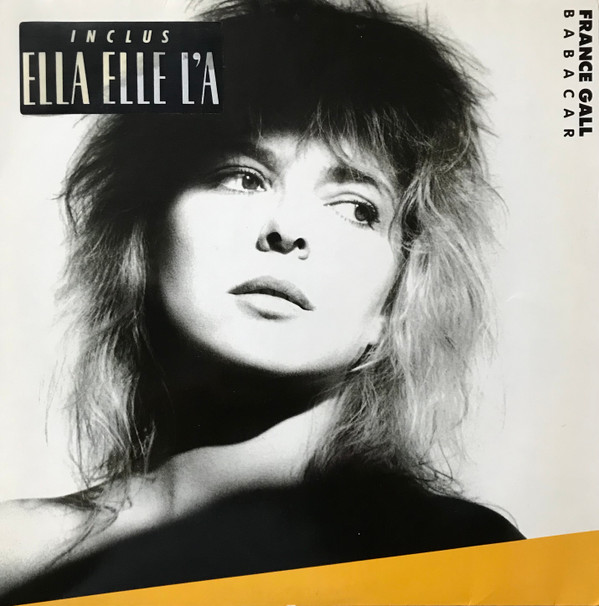
Babacar
1987

Ella Elle L'A
1987
France Gall
1988
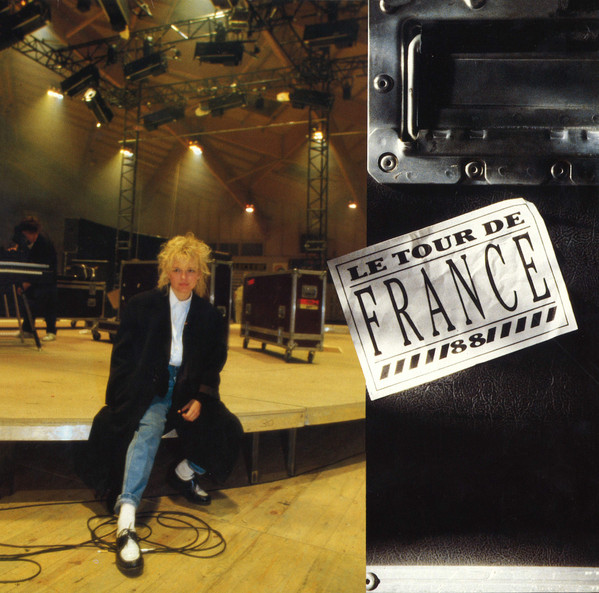
Le Tour De France 88
1988

Débranche !
1984
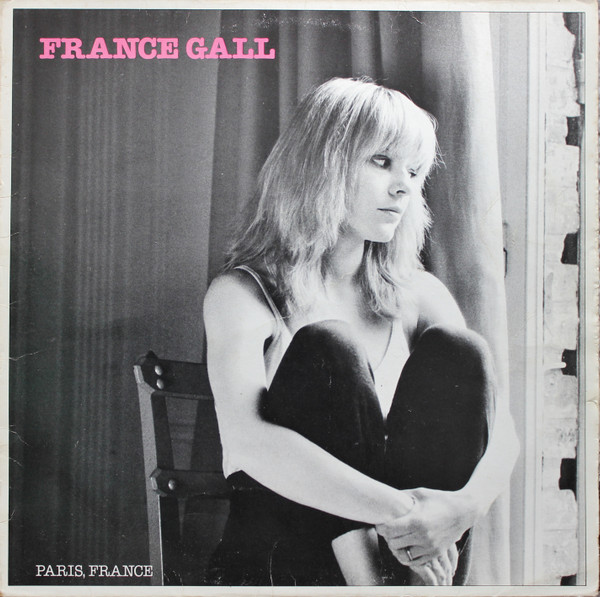
Paris, France
1980

Dancing Disco
1977

Poupée De Cire Poupée De Son
1965

N'écoute Pas Les Idoles
1964
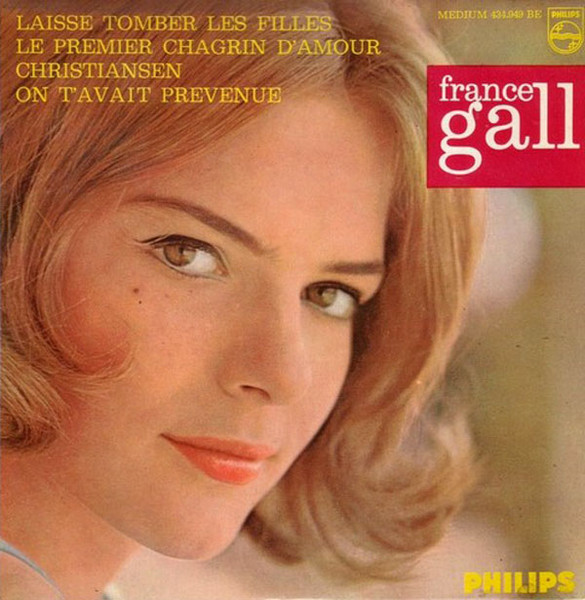
Laisse Tomber Les Filles
1964
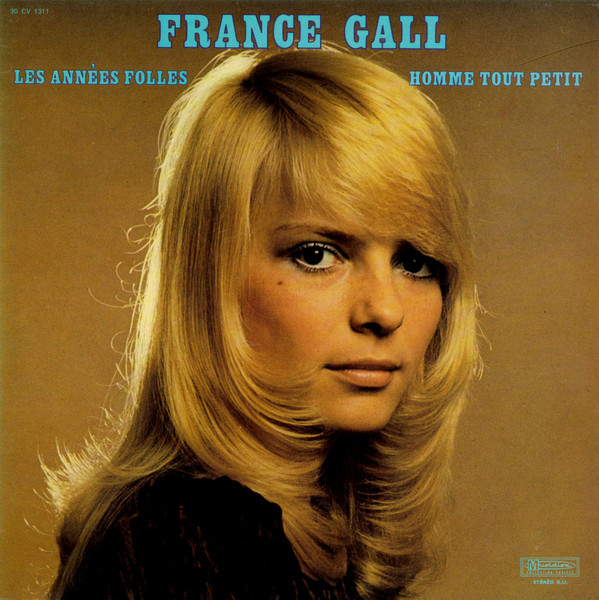
Les Années Folles / Homme Tout Petit

Plus Haut
2024

Made In France : France Gall's Baby Pop
2012

Viens Je T'Emmène
2008
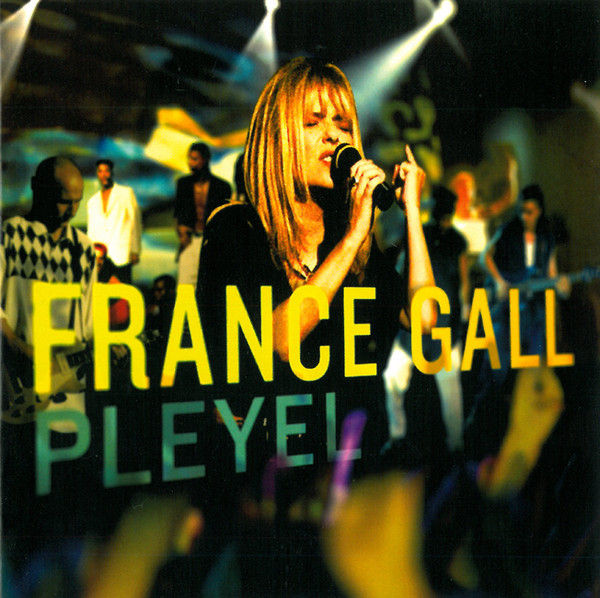
Pleyel
2005
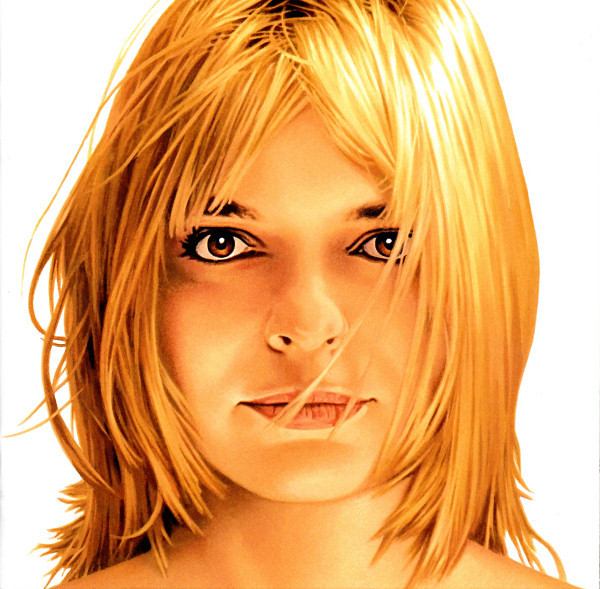
Évidemment
2004

Tendres Années 60
2003

Poupée De Son
2001
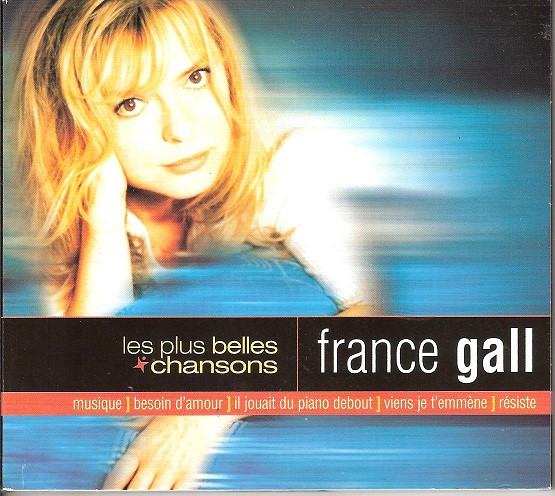
Les Plus Belles Chansons
1998
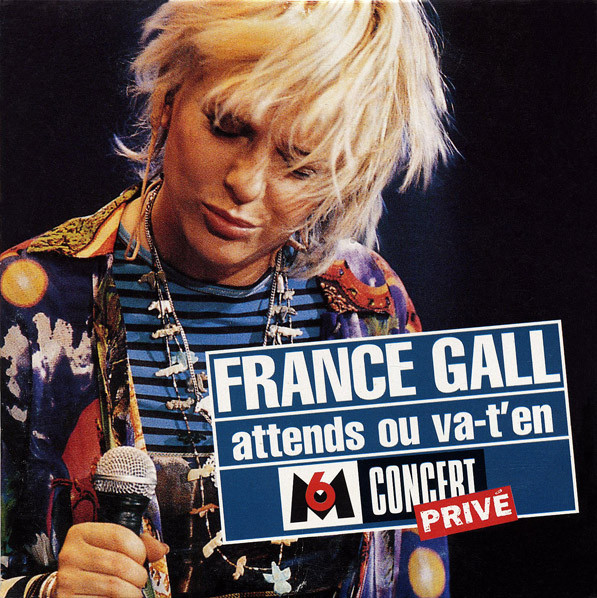
Attends Ou Va-T'En
1997

Laisse Tomber Les Filles / Poupée De Cire, Poupée De Son / Les Sucettes
1995
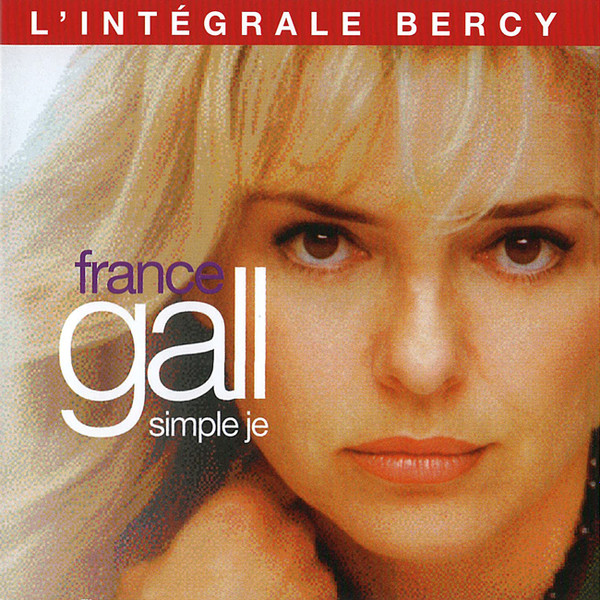
Simple Je (L'intégrale Bercy)
1994

Greatest Hits
1994
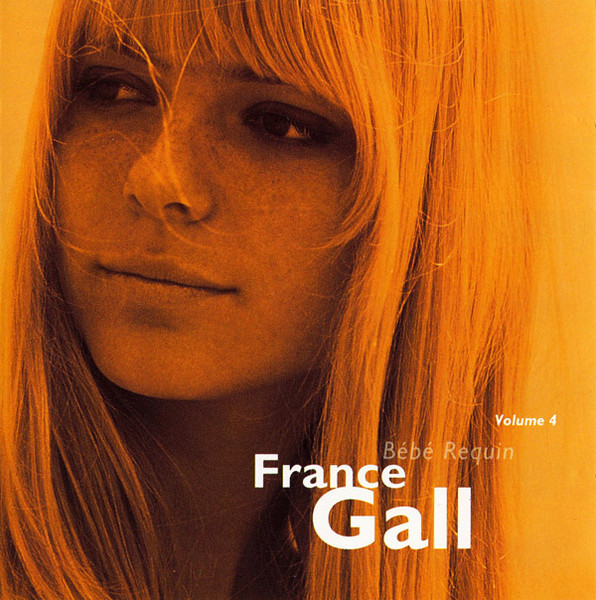
Volume 4: Bébé Requin
1992
Related artists
Frequent collaborators
Around the web
Follow every record they touch.
Start your shelf and Gatefold tracks France Gall's new pressings, tour dates, and the whole discography — automatically.
Start your shelf →Free forever. Works with 10 records or 10,000.