
Artist
Foreigner
New York City, United States
Foreigner is a music group from New York City, United States. Their discography on Gatefold includes 24 records.

34
Albums tracked
467
In collections
—
Since
Biography
Mick Jones was already a road-hardened pro playing for Johnny Hallyday and Spooky Tooth before he pulled together a bunch of session guys in New York to form this band. He knew exactly how to build a commercial engine, pairing Ian McDonald’s multi-instrumentalist chops from King Crimson with Lou Gramm’s upstate New York grit. They recorded the debut at The Hit Factory and Atlantic Studios with Gary Lyons, and the result was so surgically precise that it made everyone else in 1977 look like they were playing in the dirt. The friction between Jones and Gramm is what made it work, but it’s also what eventually bled the band dry of its rock edge. Gramm wanted to keep it heavy, but Jones had his eyes on the ballads and the synth-heavy polish of the eighties. By the time they hit the mid-80s, they were basically a vehicle for massive radio anthems, shedding original members until it was just a high-gloss production unit. It’s some of the most calculated rock ever pressed to wax, but when Gramm’s voice hits that top register, you stop caring about the corporate sheen and just listen to the phrasing.
Bio from The Clerk
The Arc of Foreigner
The pivots — what forced Foreigner to reinvent.
The Atlantic Precision Era
After the self-titled debut and Double Vision blew up, the band stayed in the pocket by refining a formula of high-stakes guitar hooks and Roy Thomas Baker’s glossy production on Head Games. They moved through the late seventies as a six-piece unit that could out-muscle most arena acts while keeping a tight, radio-friendly grip on the bridge and chorus. You hear it in the way Ian McDonald’s keys and Mick Jones’s Les Paul trade space without ever tripping over each other. It was the peak of their collaborative muscle before the lineup started to fracture.
The Mutt Lange Strip-Down
By 1981, the band had trimmed down to a quartet and brought in Robert John 'Mutt' Lange to produce the album 4 at Electric Lady Studios. Lange applied the same obsessive, track-by-track perfectionism he’d just used on AC/DC, turning Foreigner into a lean, rhythmic machine that dominated the early MTV era. This is where the synths started taking over the lead lines, especially with a young Thomas Dolby providing the texture on hits like Urgent. The sound shifted from a heavy rock band to a futuristic, syncopated hit factory that couldn't miss.
The Ballad Pivot
The massive success of I Want to Know What Love Is in 1984 fundamentally broke the band’s internal balance. Mick Jones pushed for a more atmospheric, keyboard-driven sound on Agent Provocateur and Inside Information, leaning heavily into gospel choirs and lush arrangements that pushed Lou Gramm’s rock instincts to the curb. Gramm eventually bailed to do his solo thing, and though he came back later, the band never really recovered that gritty swagger they had in the seventies. It’s the sound of a band winning the charts but losing their soul in the process.
Influences
- Spooky Tooth — Mick Jones was a member of this heavy blues-rock outfit right before starting Foreigner. You can hear that heavy, organ-driven grit on tracks like Long, Long Way From Home. It provided the blueprint for the hard rock foundation that Jones eventually polished for American radio.
- King Crimson — Ian McDonald was a founding member of Crimson and brought that same multi-instrumental versatility to the first three Foreigner records. He played everything from sax to flute to keyboards, giving the early arrangements a depth that most standard bar-band rockers couldn't touch. His departure after Head Games is exactly why the band’s sound flattened out into 4.
- Free — Lou Gramm has cited Paul Rodgers as his primary vocal blueprint, focusing on that soulful, bluesy rasp that feels like it’s coming from the back of the throat. You hear that influence in Gramm's phrasing on Feel Like the First Time. It gave a British-style blues edge to a band that was otherwise very New York-centric.
- The Beatles — Mick Jones spent years in France working with Tommy Brown and Johnny Hallyday, where he learned the art of the three-minute pop hook. He’s gone on record saying the Beatles taught him that every part of a song—not just the chorus—needs a hook. You can hear that discipline in the bridge of Cold as Ice, where everything is serving the melody.
- Black Sabbath — It sounds weird until you listen to the main riff of Double Vision, which Jones admits was his attempt at writing something in the vein of Tony Iommi. He wanted that heavy, ominous drone to anchor the track before the pop production took over. It’s that slight touch of doom that kept their early stuff from floating away into soft rock territory.
Discography
Their records — most-collected first.
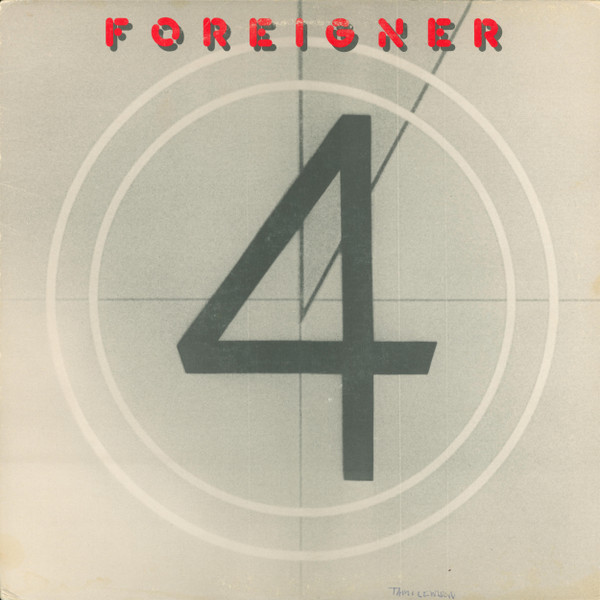
4
1981
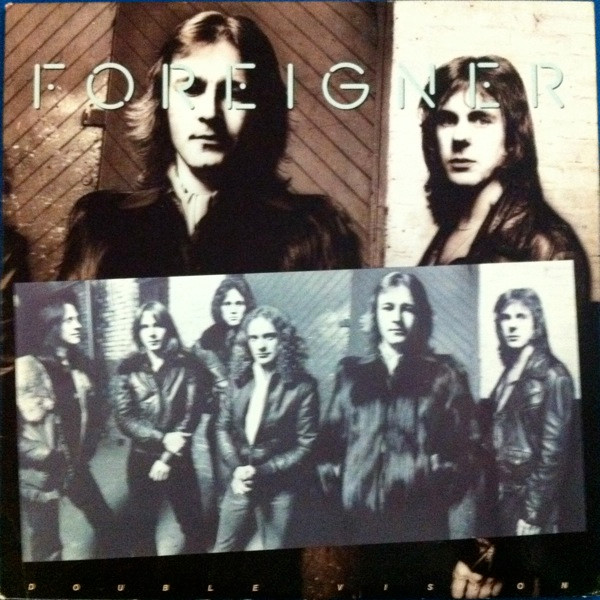
Double Vision
1978
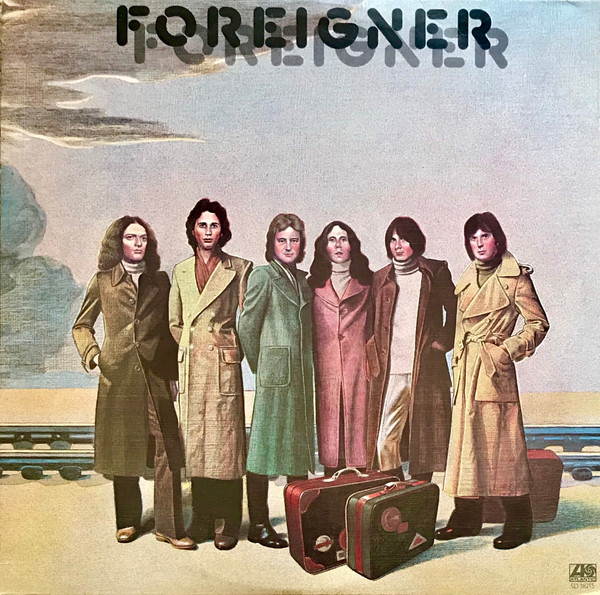
Foreigner
1977

Agent Provocateur
1984
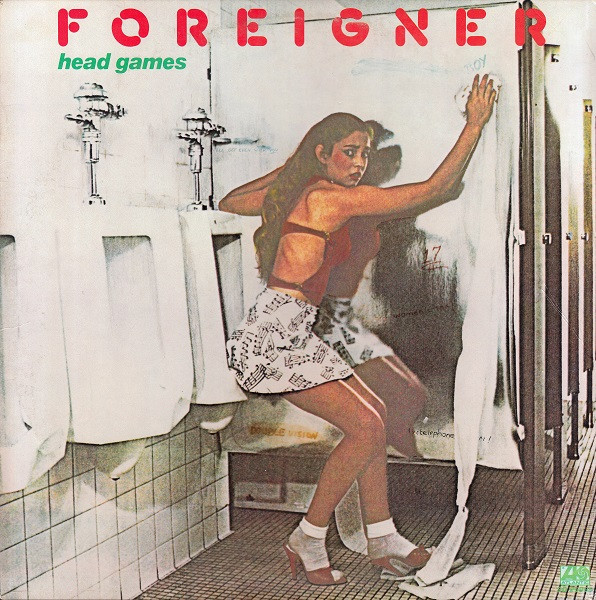
Head Games
1979
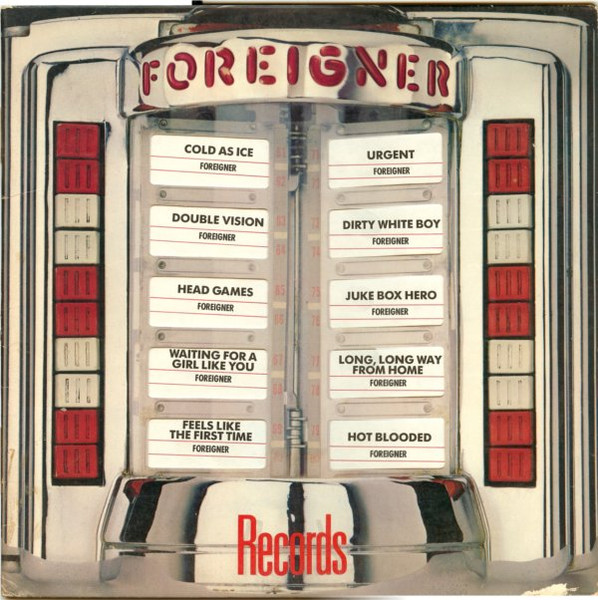
Records
1982

Inside Information
1987
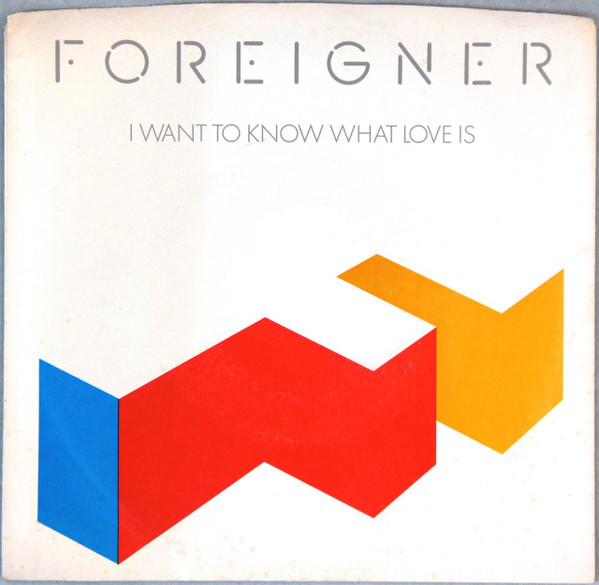
I Want To Know What Love Is
1984

40
2017
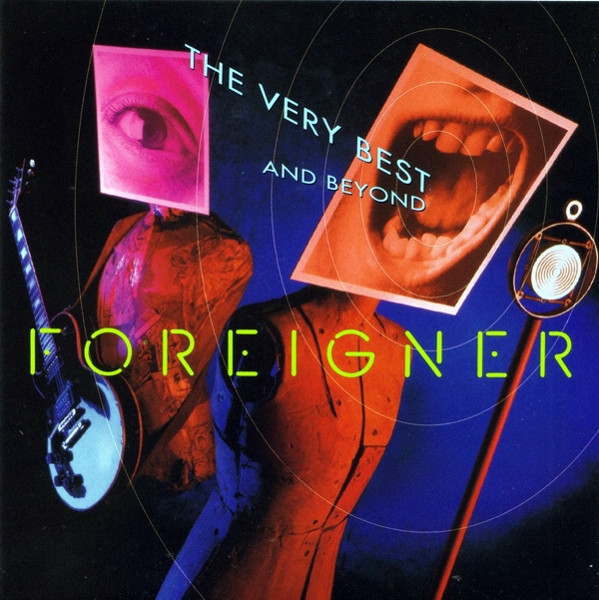
The Very Best...And Beyond
1992
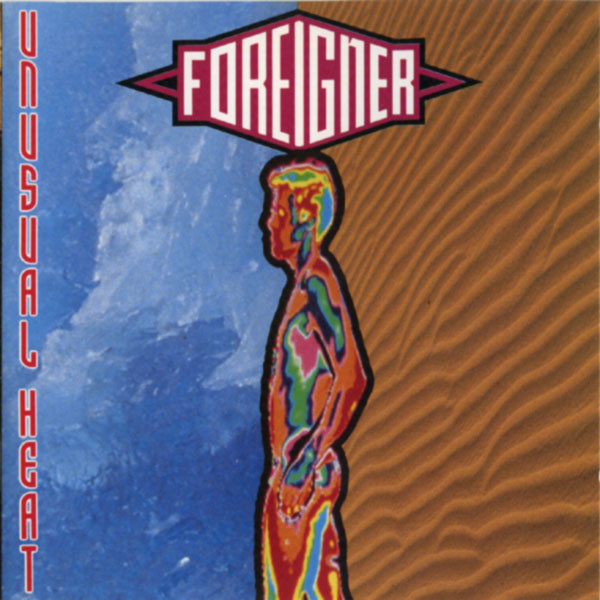
Unusual Heat
1991

Foreigner 4 Live Tour
2026
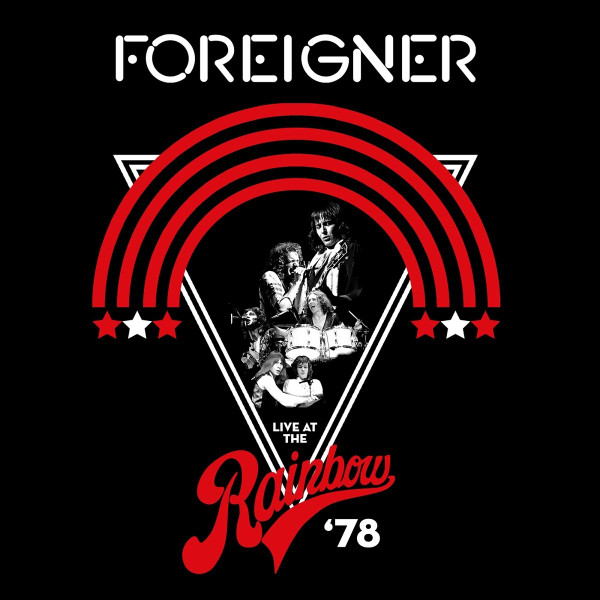
Live At The Rainbow '78
2019
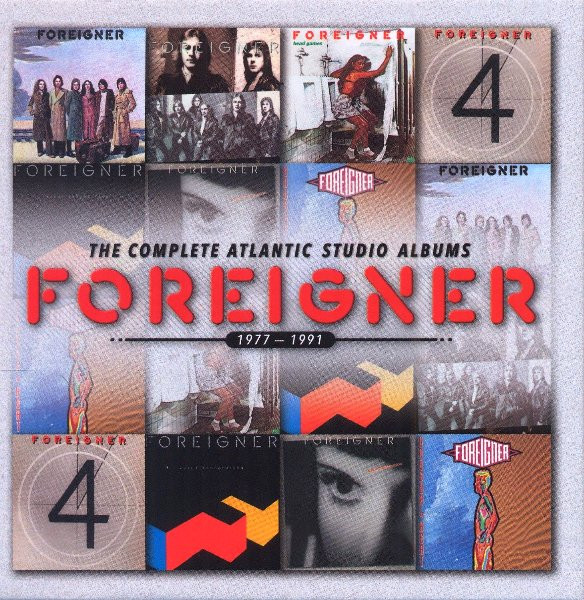
The Complete Atlantic Studio Albums 1977 - 1991
2014

Juke Box Heroes
2011
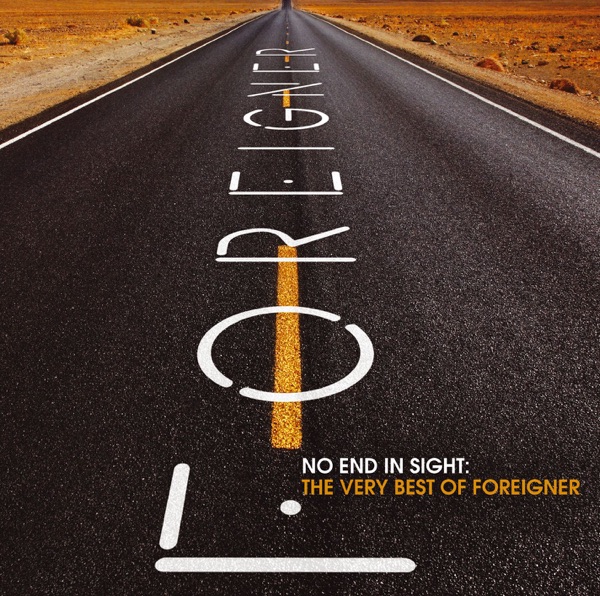
No End In Sight: The Very Best Of Foreigner
2008

Mr. Moonlight
1994
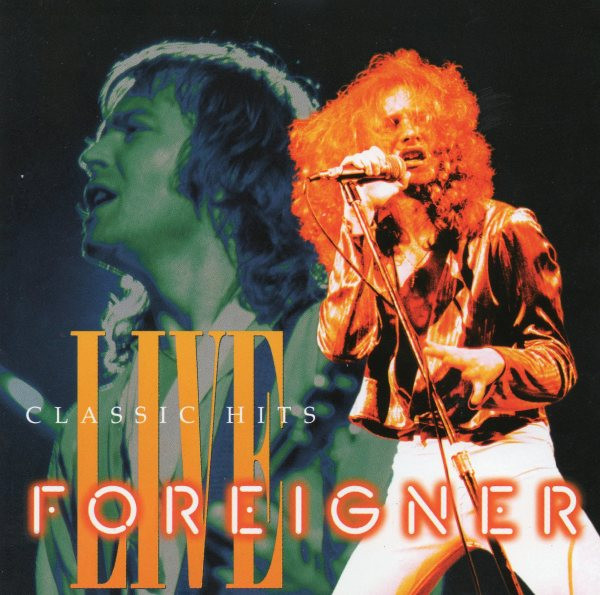
Classic Hits Live
1993

Urgent
1981

Double Vision / Hot Blooded
1979

Cold As Ice
1977
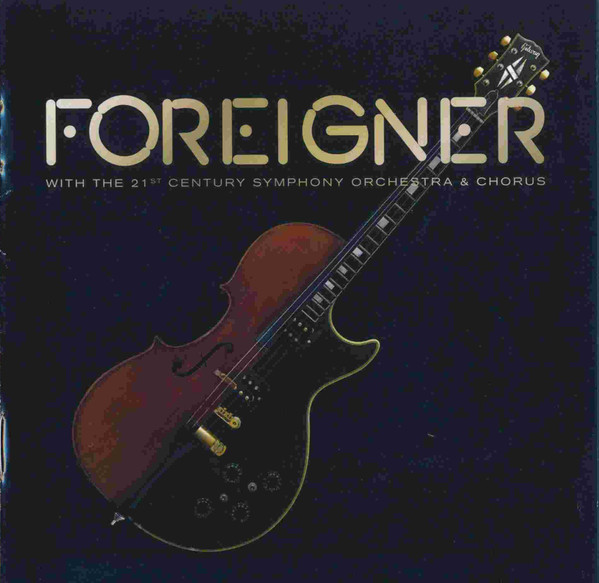
Foreigner With The 21st Century Symphony Orchestra & Chorus
2018
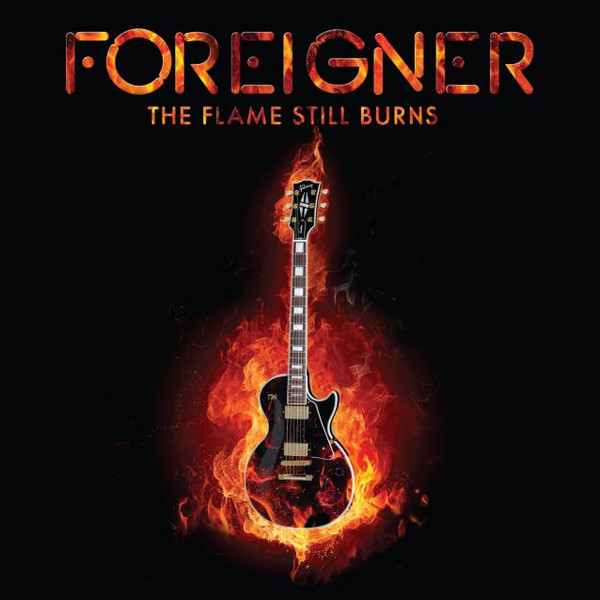
The Flame Still Burns
2016

The Best Of Foreigner 4 & More
2014
Related artists
Around the web
Follow every record they touch.
Start your shelf and Gatefold tracks Foreigner's new pressings, tour dates, and the whole discography — automatically.
Start your shelf →Free forever. Works with 10 records or 10,000.