
Artist
War
US funk/rock band
Long Beach, United States · 1969 – 1994
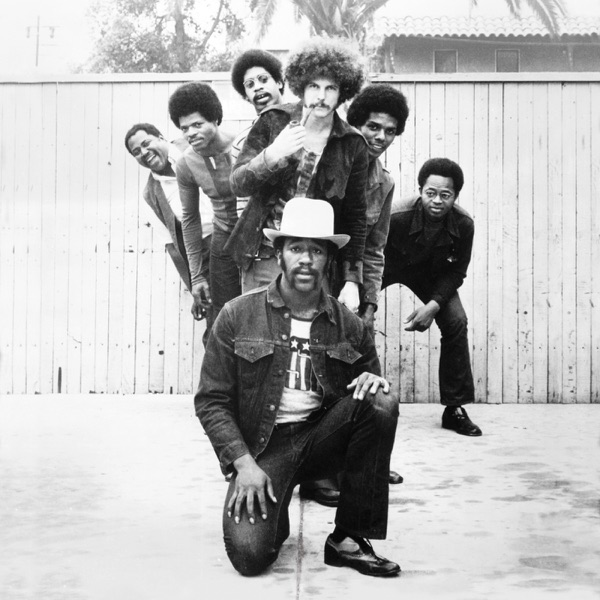
War is a music group from Long Beach, United States, active 1969–1994. Their discography on Gatefold includes 24 records.
30
Albums tracked
208
In collections
1969
Since
Biography
Jerry Goldstein heard a bunch of Long Beach session players backing football star Deacon Jones at the Rag Doll in North Hollywood and immediately saw the angle. Eric Burdon was exhausted from the Animals and needed a band that could actually groove without falling apart. What he got was Harold Brown's locked-in pocket, Papa Dee Allen's congas, and Lee Oskar blowing unhinged Danish blues harp over Charles Miller's tenor sax. Burdon took top billing, but the engine was entirely theirs. When Burdon collapsed from exhaustion mid-tour in 1971, the band didn't fold. They dropped the frontman and stripped the blues-rock fat off their sound. That pivot gave us The World Is a Ghetto, cut with Goldstein behind the board at Wally Heider's. Lonnie Jordan worked the organ, B.B. Dickerson laid down low-slung basslines, and Howard Scott brought raw street-level guitar chops. It wasn't slick radio pop—it was deep, polyrhythmic Latin-funk built for lowriders and block parties that accidentally became the best-selling album of 1973. By the late seventies, the cohesion cracked. Disco squeezed the arrangements, Miller was murdered in 1980, and the core lineup drifted into nasty trademark fights that left Jordan touring under the name alone. But you cannot erase the run from '71 to '76. Hip-hop producers spent the next three decades stripping their catalog for parts because nobody else had drum breaks that heavy or horns that soulful.
Bio from The Clerk
The Arc of War
The pivots — what forced War to reinvent.
The Eric Burdon Incubation
Burdon pulled the Nightshift out of the Valley clubs and rebranded them as War for 1970's Eric Burdon Declares 'War'. Goldstein produced, aiming to capture raw jam-band energy pinned against Burdon's howling blues vocals. You hear the collision on 'Spill the Wine,' where Oskar's harmonica and Allen's Afro-Cuban percussion carry the entire track. It put them on the charts, but the band was too disciplined to stay in anyone's shadow.
The Imperial Ghetto Run
Burdon walked away mid-tour, forcing the band to step up to the vocal mic collectively. The result was a stunning four-year run on United Artists, hitting its absolute peak on 1972's The World Is a Ghetto and 1975's Why Can't We Be Friends?. They dropped rigid song structures in favor of sprawling, cinematic street funk driven by Miller's sax and Dickerson's walking basslines. It was political, hypnotic, and utterly inescapable on AM and FM radio alike.
The MCA Disco Drift and Fractures
Moving to MCA for 1977's Galaxy saw the band trade organic street-corner grit for synthesizers and four-on-the-floor club tempos. Goldstein pushed for disco polish, diluting the polyrhythmic interplay between Brown and Allen. Key members started departing, and the tragic 1980 murder of saxophonist Charles Miller gutted the band's sonic identity. They still dropped tight grooves on 'Outlaw' in '82, but the golden-era magic was slipping away.
Influences
- Sly and the Family Stone — Sly pioneered the multi-ethnic, multi-genre collective model in the late sixties that directly inspired War's formation. You hear the shared vocal trading and tight horn arrangements all over 'Slippin' into Darkness.' Sly proved a street band could dominate pop radio without softening the message.
- Santana — Carlos Santana's 1969 debut proved that Latin percussion and blues guitar could crack mainstream American rock. Papa Dee Allen's relentless conga work directly adapted that Afro-Latin rhythmic framework into War's funk foundations. The heavy polyrhythms on tracks like 'Ballero' come right out of that West Coast Latin-rock explosion.
- Ray Charles — Lonnie Jordan repeatedly credited Charles's Wurlitzer electric piano and gospel-infused chord phrasing as his primary stylistic foundation. You hear that dirty, soulful keyboard underpinning beneath the grooves of 'All Day Music.' Charles gave them the blueprint for mixing jazz harmony with raw soul.
- Sonny Boy Williamson II — Lee Oskar built his harmonica approach directly on Sonny Boy's amplified, vocalized blues harp style before migrating to the US. That dirty, acoustic Chicago tone drives the lead melody on 'Spill the Wine' instead of a traditional lead guitar. Oskar took Williamson's phrasing and dropped it straight into a Latin funk pocket.
- Mongo Santamaria — Santamaria's crossover hit 'Watermelon Man' in 1963 laid the exact groundwork for combining hard boop, R&B, and Afro-Cuban percussion. Harold Brown and Papa Dee Allen modeled their locked drum-and-conga syncopation directly after Santamaria's band. That rhythm section dynamic is the entire spine of 'Low Rider.'
Discography
Their records — most-collected first.
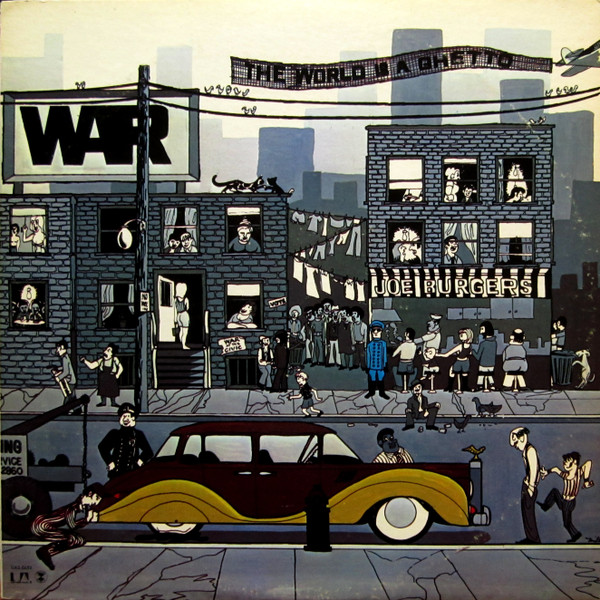
The World Is A Ghetto
1972
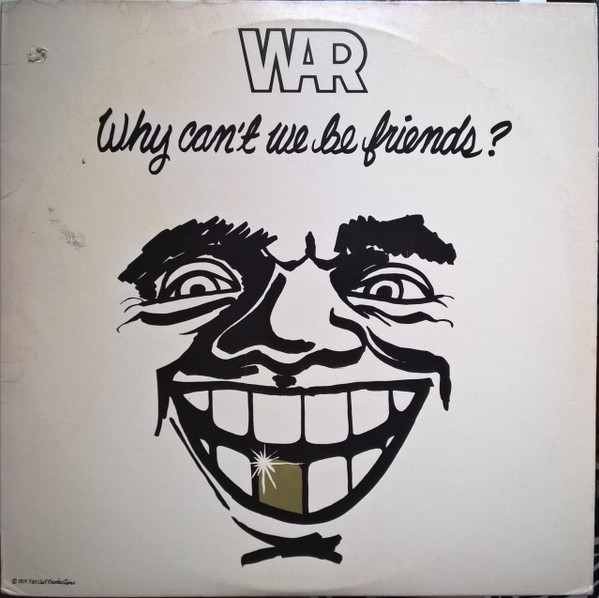
Why Can't We Be Friends?
1975

Greatest Hits
1976
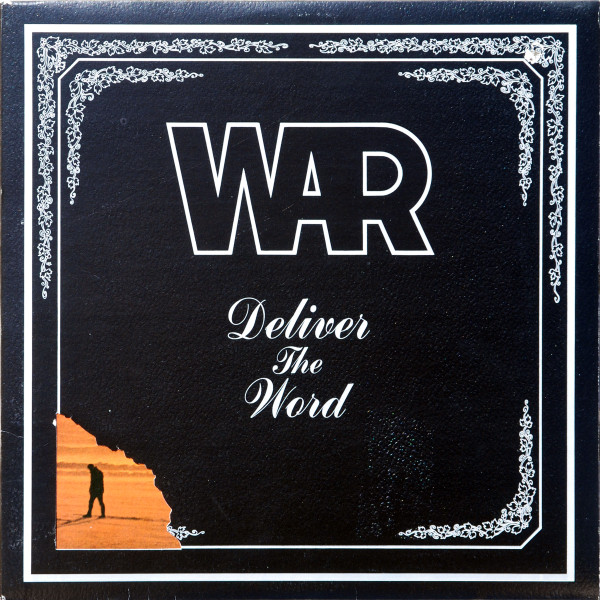
Deliver The Word
1973

All Day Music
1971
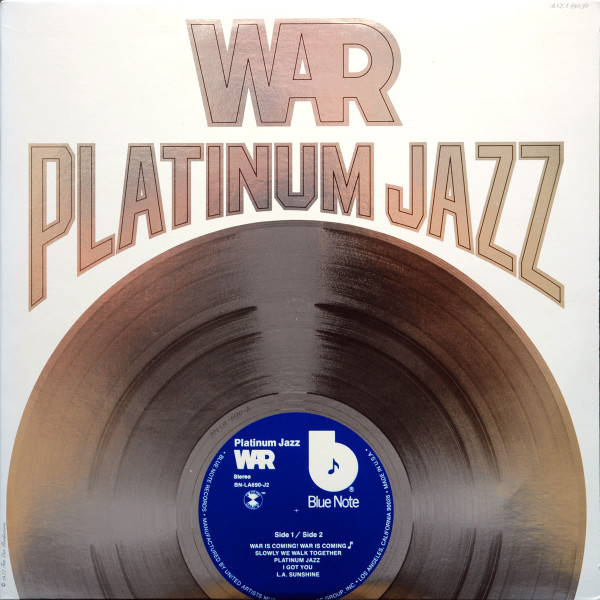
Platinum Jazz
1977
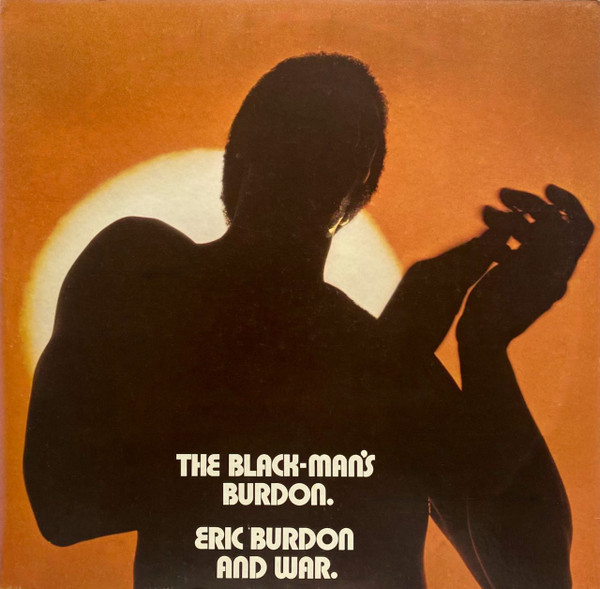
The Black-Man's Burdon
1970
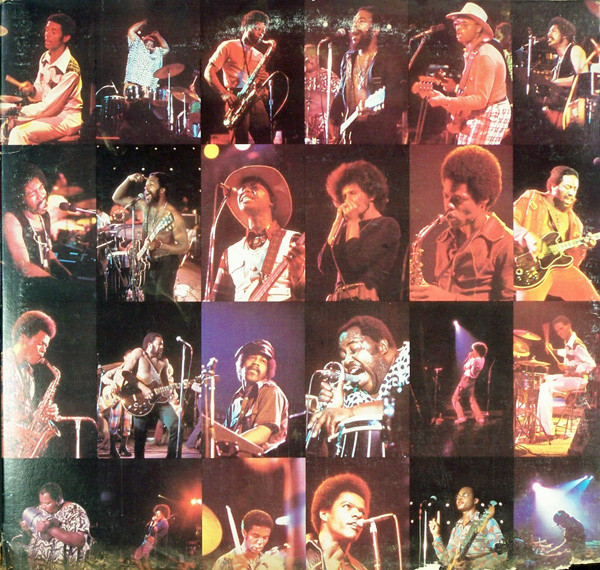
War Live
1973
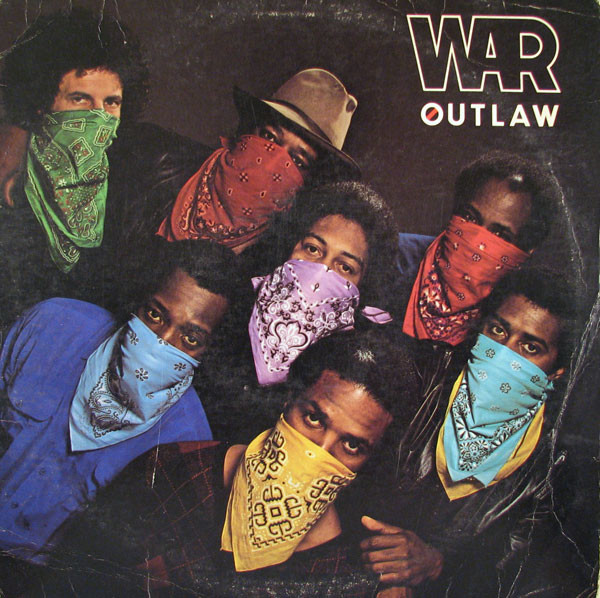
Outlaw
1982

The Best Of War And More
1987
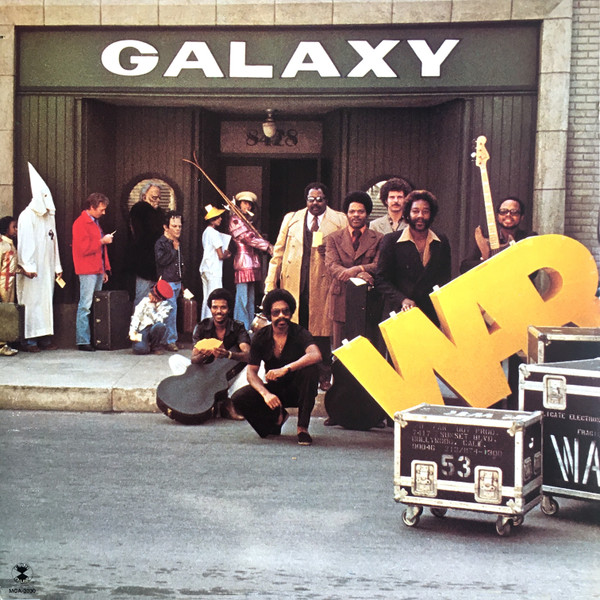
Galaxy
1977

War
1971
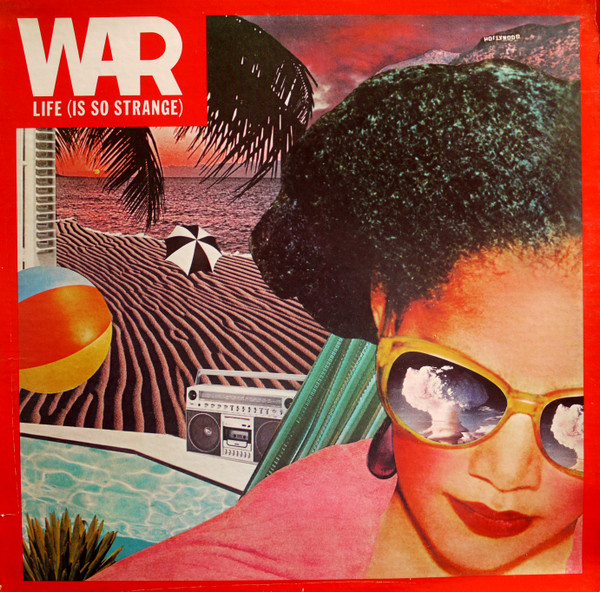
Life (Is So Strange)
1983
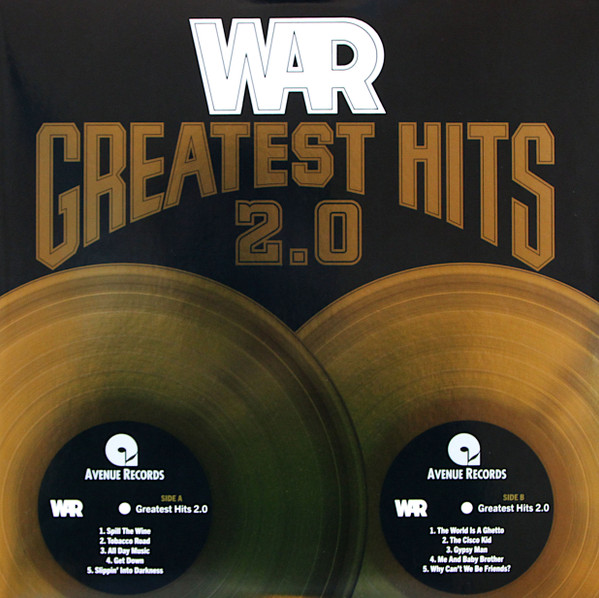
Greatest Hits 2.0
2021
The Music Band
1979

The Music Band 2
1979

The Music Band Jazz
1983

The Best Of The Music Band
1982

The Music Band Live
1980

The Other Side Of War Warms Your Heart

Live In Japan 1974
2025

The Vinyl: 1977-1994
2024
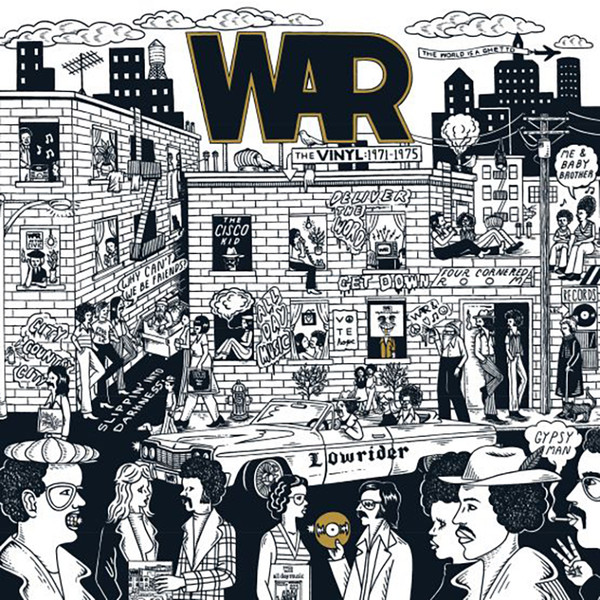
The Vinyl: 1971-1975
2021
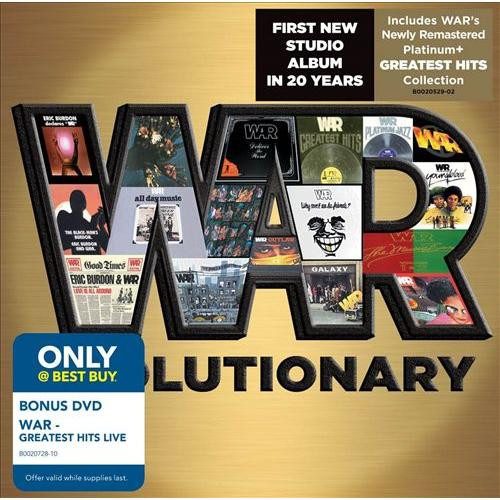
Evolutionary
2014
Related artists
Members
Frequent collaborators
Around the web
Follow every record they touch.
Start your shelf and Gatefold tracks War's new pressings, tour dates, and the whole discography — automatically.
Start your shelf →Free forever. Works with 10 records or 10,000.