
Artist
Electronic
Manchester, United Kingdom · 1989 – 1998
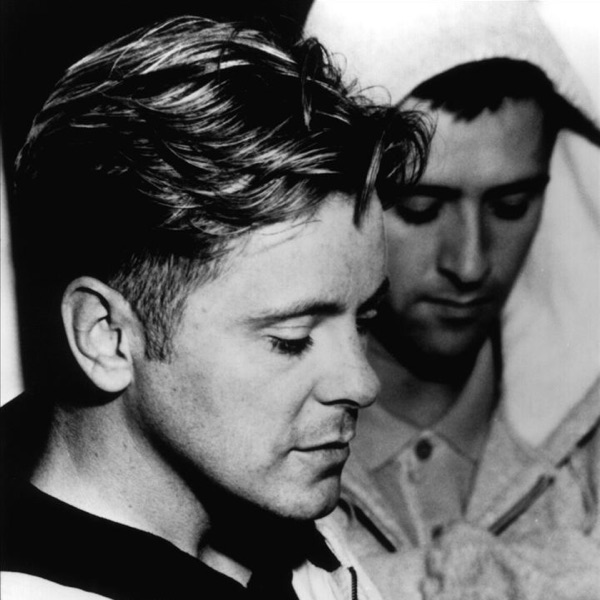
Electronic is a music group from Manchester, United Kingdom, active 1989–1998. Their discography on Gatefold includes 11 records.
11
Albums tracked
74
In collections
1989
Since
Biography
Bernard Sumner and Johnny Marr started this thing because they were both fucking exhausted by the heavy weather of their main gigs. Sumner was drowning in the ego-clashes and logistical nightmares of New Order, and Marr was fresh out of The Smiths, looking for a way to ditch the 'guitar god' mantle for a minute. They retreated to Marr’s home studio in Cheshire with a pile of sequencers and a shared obsession with Italian House music. It wasn't some calculated industry supergroup move—it was two guys hiding from their own reputations by playing with drum machines and synths. By the time they hit the mid-90s, the spark got a bit buried under the weight of major label expectations and the bloated production of the era. Raise the Pressure was a slog, famously taking nearly two years to finish because they got lost in the tech and the perfectionism. They eventually clawed it back by stripping things down for Twisted Tenderness, rediscovering that the project worked best when it was just a high-end pop lab. It’s the sound of the Hacienda's DNA being re-coded into something you could actually play on a car radio without losing the grit.
Bio from The Clerk
The Arc of Electronic
The pivots — what forced Electronic to reinvent.
The Clear Slate Sessions
The 1989 formation was a direct reaction to the suffocating dynamics of New Order and the messy aftermath of The Smiths. Sumner and Marr obsessed over the Pet Shop Boys' minimalism and the blooming Manchester rave scene, deciding to prioritize the groove over traditional rock structures. Getting Neil Tennant and Chris Lowe into the studio for 'Getting Away with It' provided the final layer of polish that defined their early run. You hear that relief in the tracks—a bright, synthesized optimism that neither of their primary bands would have allowed.
The Labored Pivot
The honeymoon ended when they moved to Clear Studios to track Raise the Pressure in '96, a session that became notorious for its agonizingly slow pace. Karl Bartos of Kraftwerk fame joined the fold, but the spontaneous energy of the debut was replaced by dense, over-engineered layers of MIDI and guitar tracking. The result was a record that felt heavy and processed, lacking the dancefloor agility that made them essential in the first place. It was the sound of a band trying to engineer a hit rather than just catching one in the room.
The Guitar-Pop Reset
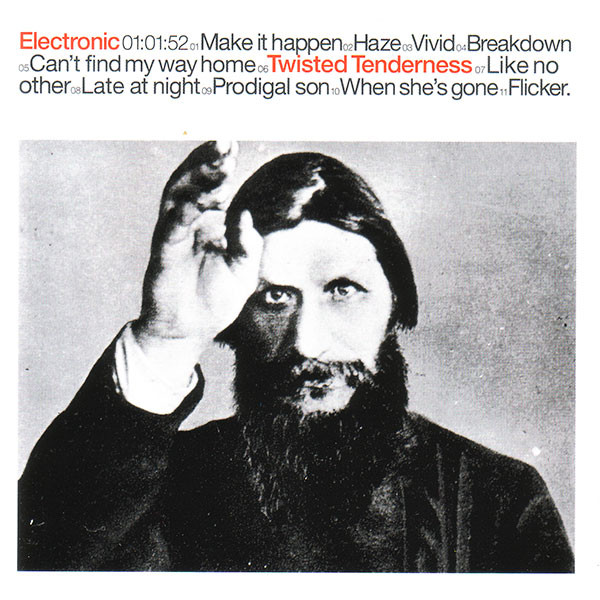
For 1999's Twisted Tenderness, the duo finally stopped fighting their instincts and brought the guitars back to the front of the mix. Producer Arthur Baker, who had worked with Sumner since the 'Confusion' days, helped them find a balance between their electronic roots and the mid-tempo rock shuffle Marr was born to play. It was their most cohesive work since the debut, leaning into a moody, psychedelic atmosphere that felt like a proper farewell. They walked away from the project right after, realizing they’d finally exhausted the specific chemistry that brought them together a decade earlier.
Influences
- Kraftwerk — Sumner and Marr both cited the German group as the ultimate blueprint for 'man-machine' music, even recruiting Karl Bartos for their second album. You hear the rhythmic precision and the cold, melodic synth lines all over their self-titled debut. It’s the foundation for their entire approach to sequencing.
- Pet Shop Boys — The collaboration on 'Getting Away with It' wasn't just a guest spot; Neil Tennant served as a mentor for Sumner's vocal delivery and pop sensibilities. The track's disco-inflected strings and deadpan lyrics are a direct extension of the 'West End Girls' aesthetic. It gave the band the commercial backbone they needed to survive the charts.
- The Velvet Underground — Marr has repeatedly pointed to the Velvets as his primary inspiration for the jangly, drone-heavy guitar textures that sit beneath Electronic's synth pads. You can hear that 'All Tomorrow's Parties' shimmer on tracks like 'Get the Message.' It’s the art-school grit that keeps the pop from getting too sugary.
- Ennio Morricone — The cinematic scale of Marr’s guitar arrangements, specifically the tremolo and reverb-heavy parts, was a direct homage to Morricone’s spaghetti western scores. This influence is most obvious on 'Soviet,' where the atmosphere takes over completely. It provides the widescreen feel that elevated them above standard club music.
- Italo House (various artists) — The early 12-inch singles from labels like Discomagic were the primary soundtrack in the studio during the first album's sessions. The piano-driven hooks and upbeat tempos of the genre were lifted directly into the DNA of their early club hits. It was the sound of the Hacienda being translated for the radio.
Discography
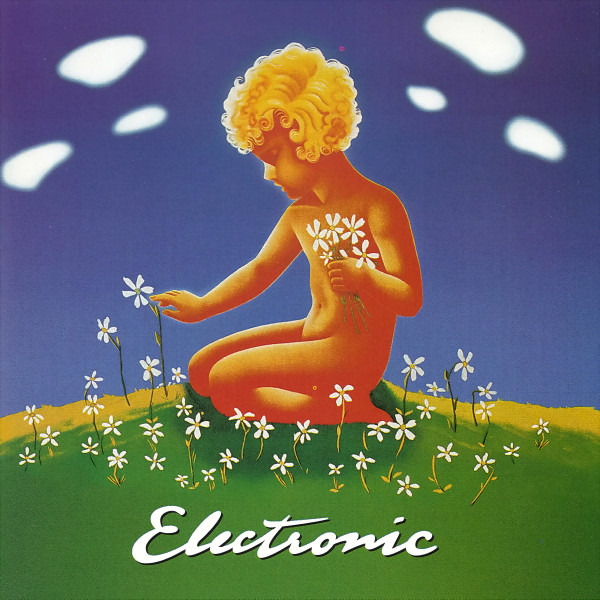
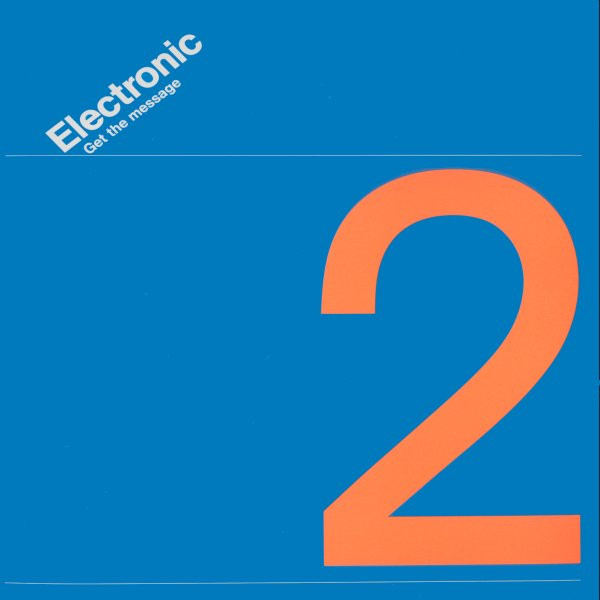
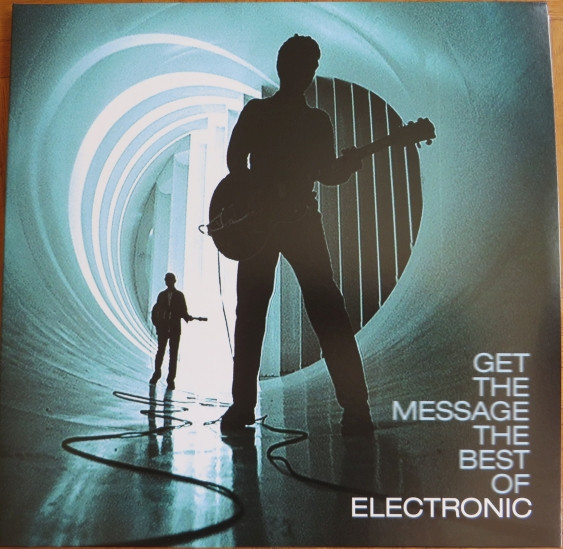
Their records — most-collected first.






Related artists
Members
Frequent collaborators
Around the web
Follow every record they touch.
Start your shelf and Gatefold tracks Electronic's new pressings, tour dates, and the whole discography — automatically.
Start your shelf →Free forever. Works with 10 records or 10,000.