
Artist
A Certain Ratio
English post-punk band
Manchester, United Kingdom · Formed 1977
A Certain Ratio is a music group from Manchester, United Kingdom, active since 1977. Their discography on Gatefold includes 24 records.

26
Albums tracked
15
In collections
1977
Since
Biography
Martin Hannett didn't know what to do with them at first, so he ran Simon Topping's vocals through a digital delay unit and told the band to play like a broken machine. They were teenagers in Manchester who wanted to sound like Parliament-Funkadelic but only had the gear to sound like Velvet Underground. That tension is the entire magic of their early Factory Records run. It was cold, gray, and completely danceable, recorded in damp studios with Hannett turning their instruments into isolated, ghostly echoes. They didn't stay in the post-punk freezer for long. Once Donald Johnson joined on drums, the rhythm section unlocked a serious, heavy funk groove that most British indie bands of the era were too scared to touch. They swapped the gloomy overcoats for gym shorts, brought in Martha Tilson to sing, and started buying Latin percussion instruments. The purists hated it. Factory Records purists are the absolute worst anyway, but the band didn't care because they were busy trying to turn the Haçienda into a Brooklyn loft party. By the late eighties, the wheels came off when they signed to A&M. Big budget studios and major label polish killed the dirt that made them great in the first place. They ended up sounding like a polite, sterile acid jazz band instead of the street-level groove unit they actually were. It took them decades to strip back the corporate gloss, but they eventually figured out how to grow old without losing the sweat.
Bio from The Clerk
The Arc of A Certain Ratio
The pivots — what forced A Certain Ratio to reinvent.
The Hannett Ice Age
Between 1979 and 1981, producer Martin Hannett took the band's raw, jagged ideas and froze them solid. In the studio for 'The Graveyard and the Ballroom' and 'To Each...', Hannett used space, tape delay, and extreme instrument isolation to create a claustrophobic, skeletal dub-punk sound. You hear it in the way Peter Terrell's guitar lines don't chords but rather slash through the mix like razor blades. This was the sound of a band trapped in a Manchester winter, desperate to dance but too cold to move.
The Brass and Percussion Shift
By 1982's 'Sextet', the band took production duties into their own hands and let their obsession with Latin jazz and Afrobeat take over. They added trumpets, congas, and Martha Tilson's ethereal vocals to the mix, abandoning the bleak post-punk template entirely. The basslines got thicker, the rhythms got polyrhythmic, and tracks like 'Knife Slits Water' proved they could compete with New York's No Wave dance scene. It was a massive pivot from the grey Factory aesthetic into something genuinely tropical and sweaty.
The Major Label Gloss
The signing to A&M Records in 1989 for the 'Good Together' album nearly destroyed their identity. The label pushed for slick, commercial synth-pop production, burying Donald Johnson's live drum grooves under quantized drum machines and digital keyboards. While the band was trying to engage with the emerging Madchester rave scene, the sterile studio environment stripped away their trademark grit. The result was a record that sounded like a desperate bid for chart success rather than the cult street funk they excelled at.
Influences
- Parliament-Funkadelic — Bass player Jez Kerr has repeatedly cited Bootsy Collins and George Clinton as the primary blueprints for his heavy, slap-adjacent bass style. You hear this massive bottom-end obsession anchoring the otherwise sparse, icy groove of 'Do the Du'. It was Detroit funk filtered through a bleak Northern English filter.
- Velvet Underground — Before they found the funk, the band's early live sets were dominated by three-chord drone and feedback. Their early guitar style, particularly on 'The Graveyard and the Ballroom', directly mimics the deadpan, relentless rhythm guitar work of Lou Reed. It is the primitive, amateurish art-rock foundation that kept their later funk experiments from sounding too slick.
- Kraftwerk — The band watched Kraftwerk perform in Manchester on their 1981 tour, which solidified their desire to incorporate rigid, electronic sequencing into their live rhythm section. This influence manifest on tracks like 'Dirty Boy', where the electronic percussion sits in a perfect, cold grid. It gave their street-level funk a futuristic, industrial spine.
- Fela Kuti — The band began collecting imported Afrobeat records in the late seventies, which directly inspired them to buy congas and agogô bells. You can hear Fela's massive, interlocking horn charts and endless percussion jams written all over the arrangements on 'Sextet'. They took the dense polyrhythms of Lagos and jammed them into a post-punk club context.
- Chic — Nile Rodgers and Bernard Edwards revolutionized dance music production, and Donald Johnson's drumming was a direct attempt to capture that precise, clean disco pocket. On tracks like 'Shack Up', the rhythm section tries to lock into the elegant, tight groove of 'Good Times'. They took the uptown NYC disco polish and dragged it down into the Manchester mud.
Discography
Their records — most-collected first.

Early
2002
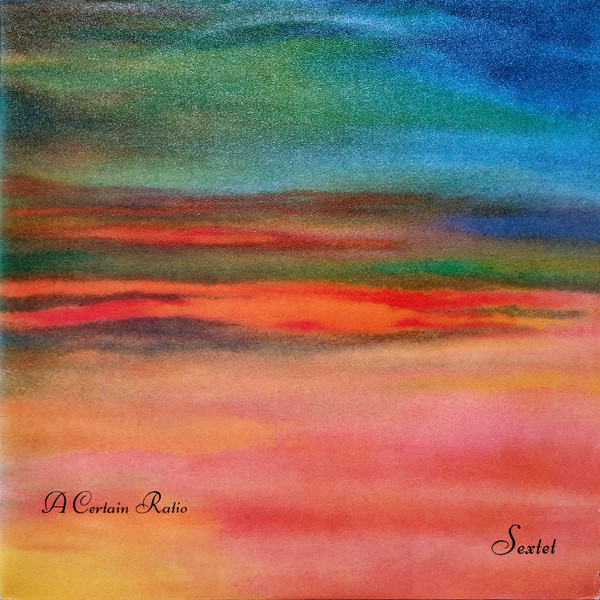
Sextet
1982

Shack Up
1980

ACR:EPR
2021

ACR Loco
2020

acr:set
2018

Mind Made Up
2008

Four For The Floor
1990
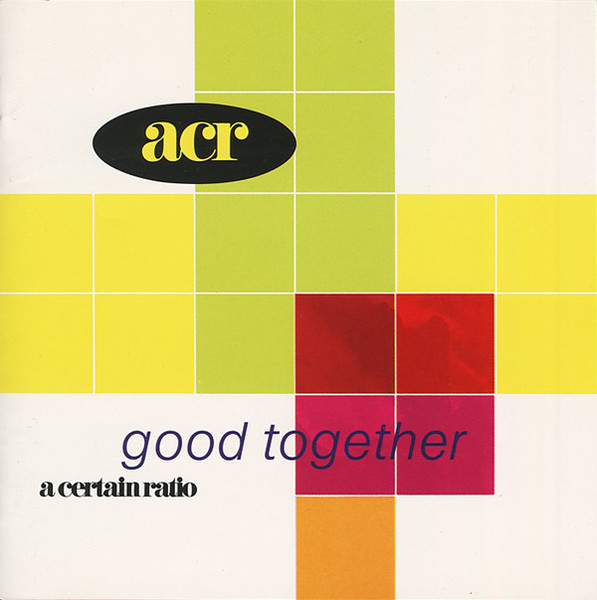
Good Together
1989

The Big E
1989
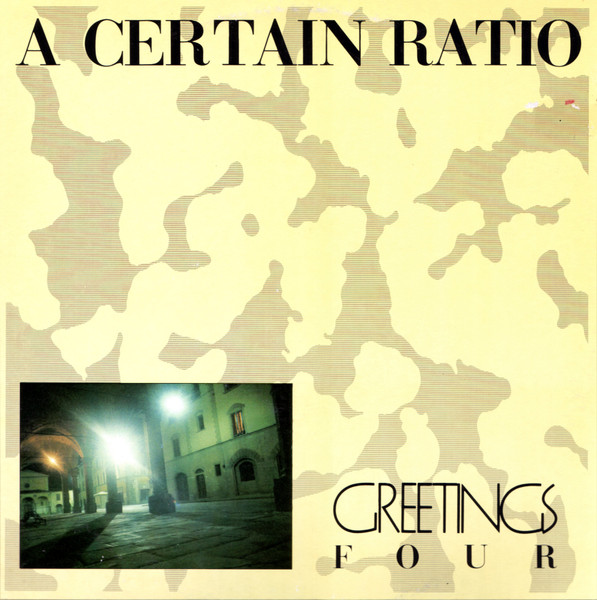
Greetings Four
1986
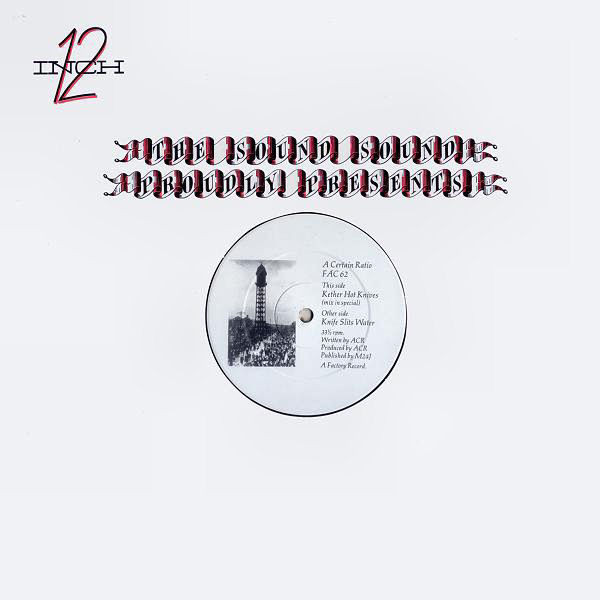
Knife Slits Water
1982

It All Comes Down To This
2024
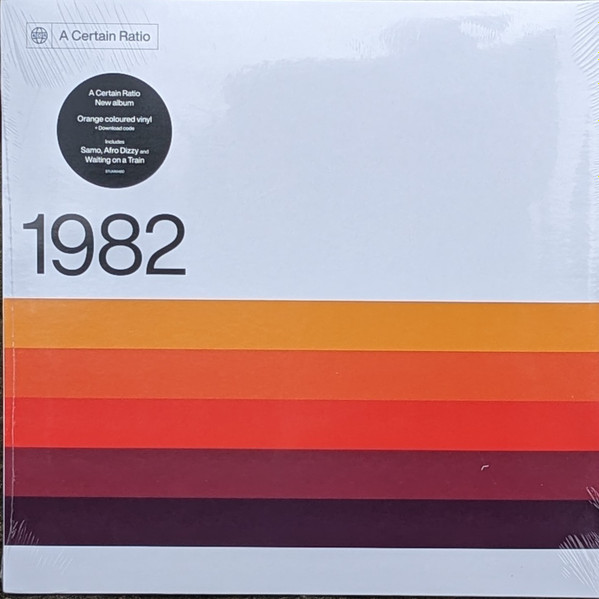
1982
2023
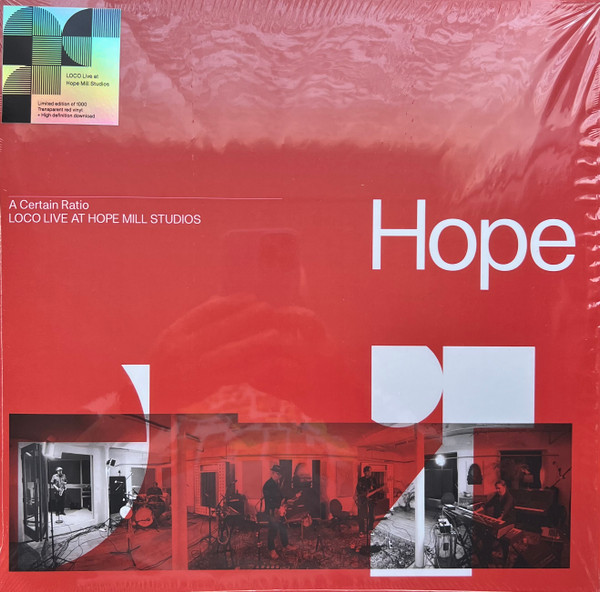
Loco Live At Hope Mill Studios
2022

ACR:EPC
2021

ACR:EPA
2021

Dirty Boy & Shack Up Remixed
2019
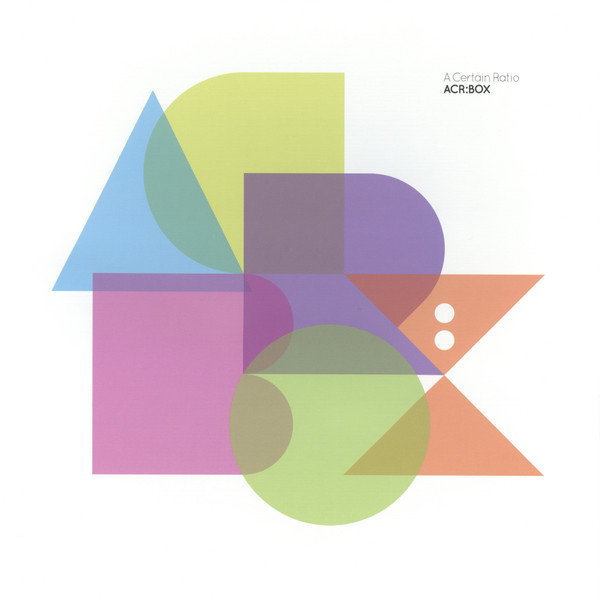
ACR:BOX
2019

Up In Downsville
1992

acr:mcr
1990

The Old & The New
1986
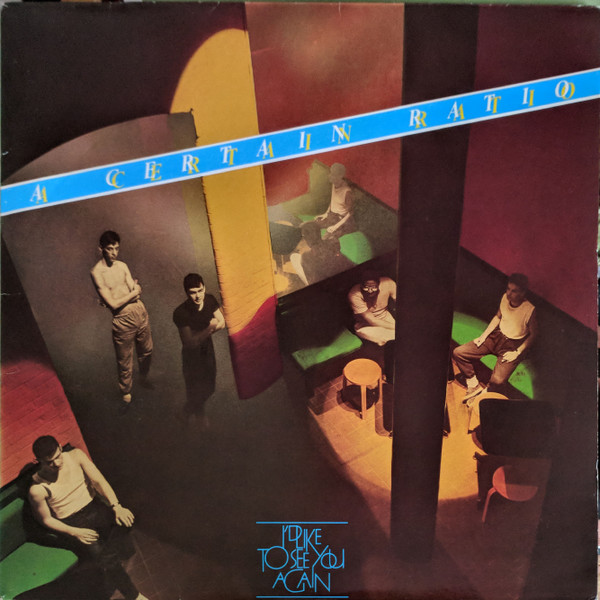
I'd Like To See You Again
1982
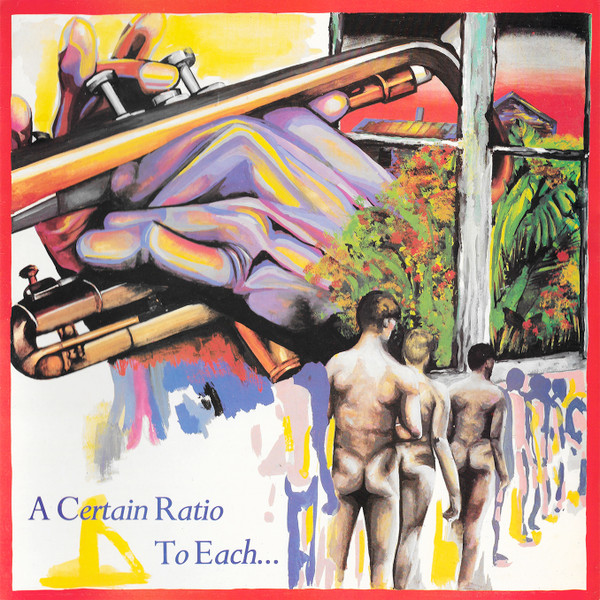
To Each...
1981
Related artists
Members
Frequent collaborators
Around the web
Follow every record they touch.
Start your shelf and Gatefold tracks A Certain Ratio's new pressings, tour dates, and the whole discography — automatically.
Start your shelf →Free forever. Works with 10 records or 10,000.