
Artist
EELS
American rock band
Los Feliz, United States · Formed 1995
EELS is a music group from Los Feliz, United States, active since 1995. Their discography on Gatefold includes 24 records.

34
Albums tracked
273
In collections
1995
Since
Biography
Mark Oliver Everett spent 1993 getting dropped by Polydor after two solo records went nowhere. He crawled into a basement, rebranded as a band called EELS, and signed to DreamWorks as their first ever act. Beautiful Freak was the result—a weirdly polished mix of trip-hop loops and suburban misery that felt like a suicide note played over a drum machine. It’s the sound of a guy trying to make a pop record while his life is falling apart in real time. Then the real tragedy hit and the music got heavy. He watched his sister and mother die in quick succession and responded by making Electro-Shock Blues. Most labels would have buried a record that opens with a track about a hospital bed, but E forced them to put it out. It’s a masterpiece of grief that effectively killed his chance at being a radio star. He spent the next twenty years rotating through bandmates like The Chet and Koool G Murder, alternating between lo-fi garage rock and sprawling double-album meditations on god and dogs. He’s the most consistent misanthrope in the bins.
Bio from The Clerk
The Arc of EELS
The pivots — what forced EELS to reinvent.
The DreamWorks Shiny Freak Era
After the solo failures of 'A Man Called E,' Everett pivoted to a group dynamic with Tommy Walter and Butch to hide his singer-songwriter DNA behind a wall of 90s dust-loop production. This era peaked with 'Novocaine for the Soul,' where Jon Brion’s chamber-pop influence met the grit of a thrift-store sampler. It was the only time EELS felt like they belonged on MTV, even if the lyrics were too dark for the beach. You hear it in the weird juxtaposition of glockenspiels and distorted vocals that defined the mid-90s alternative boom.
The John Parish Grit
By 2001, the whimsical hip-hop beats were trashed in favor of the 'Souljacker' sessions, driven by PJ Harvey collaborator John Parish and his jagged guitar work. E grew a massive beard, stopped caring about melody for a second, and leaned into a dirty, distorted blues-rock sound that felt like it was recorded in a desert shack. This wasn't the sad guy in his bedroom anymore; it was a man making a noise record to drown out the silence. The Chet joined during this pivot, marking the start of the longest-running partnership in the band’s rotating door lineup.
The Concept Trilogy and Beyond
Starting with 'Hombre Lobo' in 2009, E committed to a rapid-fire release schedule of three albums in a year and a half, each exploring a different psychic state from desire to divorce. He moved away from the sprawling, cinematic orchestrations of 'Blinking Lights' and toward a tighter, more functional studio sound. These records feel more like journals than grand statements, often recorded quickly with his touring band to capture a specific, lived-in fatigue. It’s the sound of a veteran worker punch-clocking his way through the heavy shit because he doesn’t know what else to do.
Influences
- The Beatles — E covered 'Strawberry Fields Forever' and 'Help!' live, but the real receipt is the Mellotron-heavy production on 'Daisies of the Galaxy.' You hear the ghost of McCartney’s 'Ram' in the way he stacks toy pianos and kitchen-sink percussion. He’s a melody obsessive disguised as a grouch.
- Randy Newman — Everett has cited Newman as his favorite songwriter and eventually got him to play on 'Last Stop: This Town.' The DNA is in the cynical, third-person character sketches and the use of orchestral arrangements to mask devastating lyrics. It’s the 'Sail Away' school of songwriting where the narrator is rarely the hero.
- Tom Waits — The shift toward junk-shop percussion and distorted megaphones on 'Souljacker' is a direct nod to the 'Bone Machine' era. Both guys treat the recording studio like a scrapyard where the ugliest sound is usually the right one. It's about finding the beauty in a broken circuit board.
- Neil Young — Everett’s 'Blinking Lights' is his version of a sprawling Young epic, and he’s frequently covered 'Cinnamon Girl' and 'After the Gold Rush.' You hear it in the fragile, high-register vocals and the refusal to fix a 'bad' take if it feels honest. Both of them would rather be ragged than fake.
- Prince — Despite the indie-rock label, E is a Minneapolis-obsessed multi-instrumentalist who often records entire tracks alone in his basement studio. He’s a noted superfan who wrote about Prince in his autobiography, 'Things the Grandchildren Should Know.' The influence shows up in the tight, programmed funk of the 'Shootenanny!' b-sides.
Discography
Their records — most-collected first.
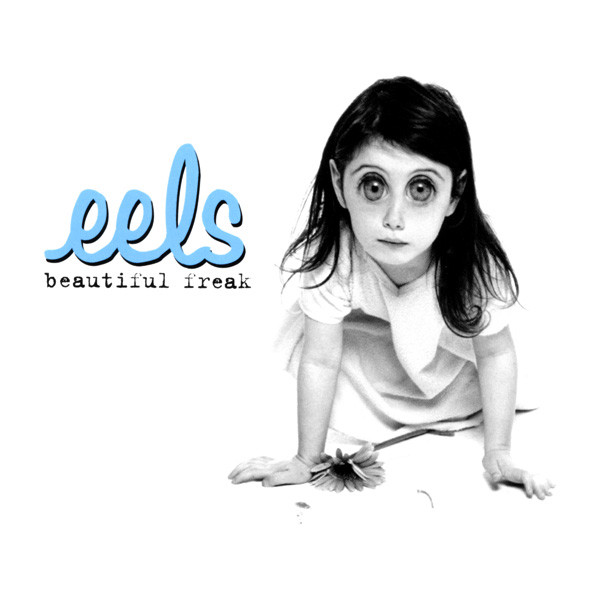
Beautiful Freak
1996
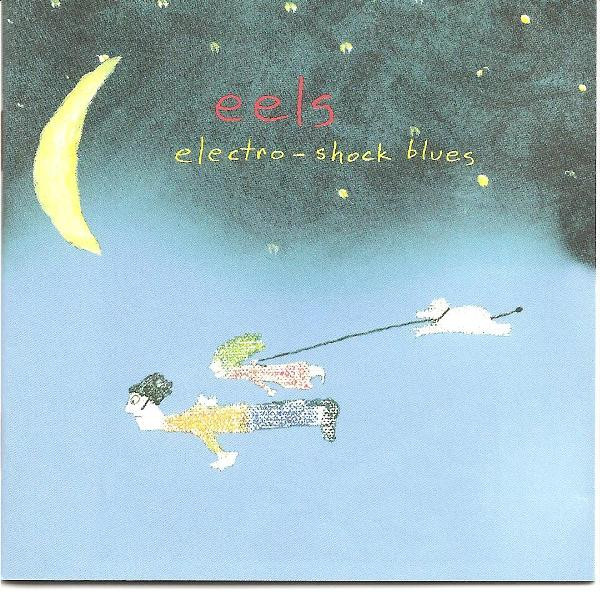
Electro-Shock Blues
1998

Daisies Of The Galaxy
2000
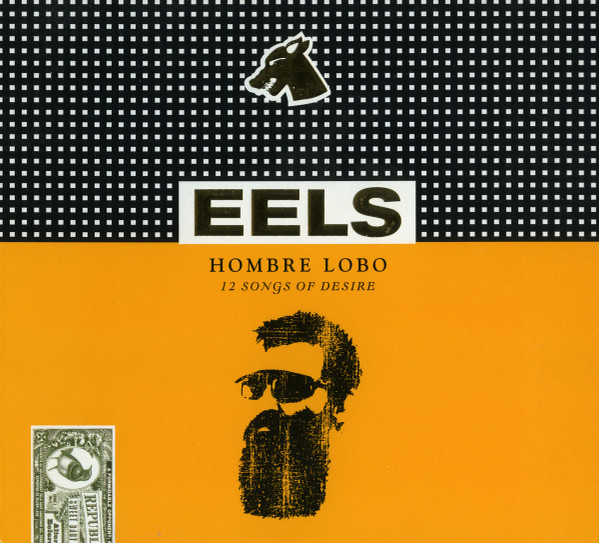
Hombre Lobo (12 Songs Of Desire)
2009

End Times
2010

Souljacker
2001
Blinking Lights And Other Revelations
2005
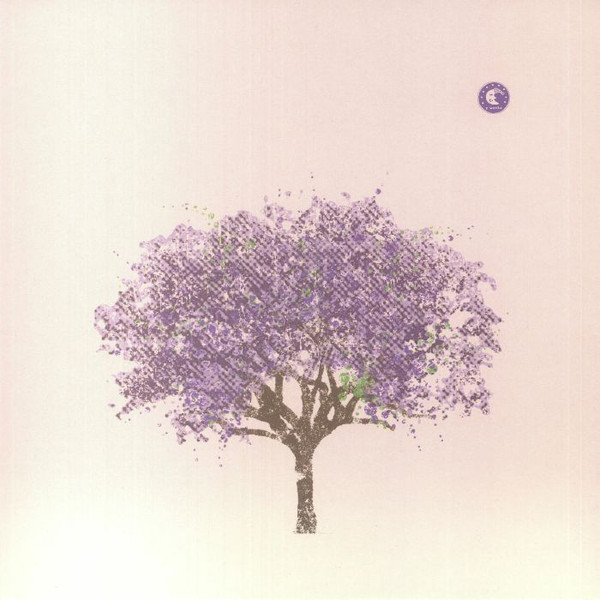
Tomorrow Morning
2010
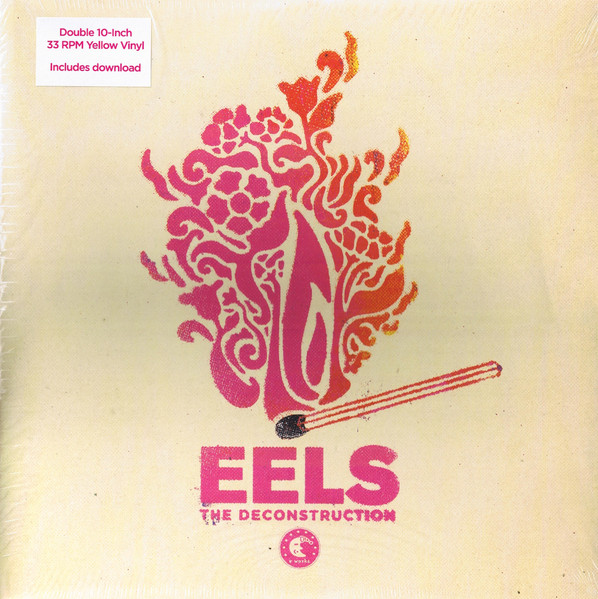
The Deconstruction
2018
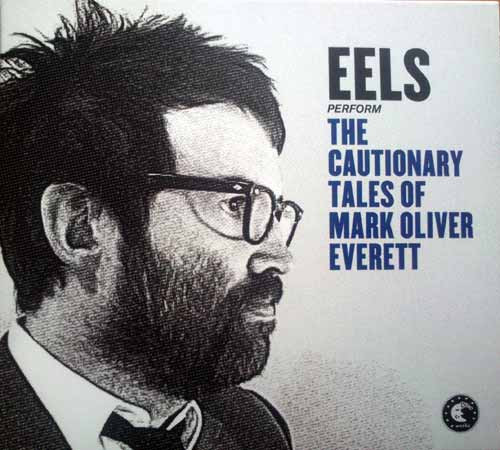
The Cautionary Tales Of Mark Oliver Everett
2014

Earth To Dora
2020

Shootenanny!
2003
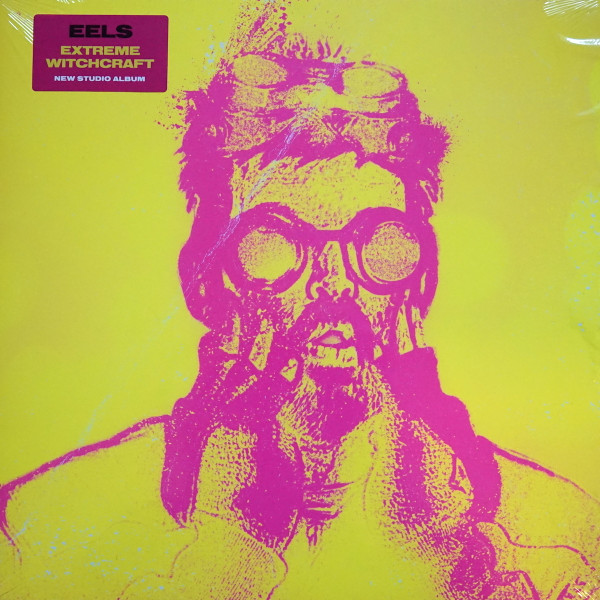
Extreme Witchcraft
2022
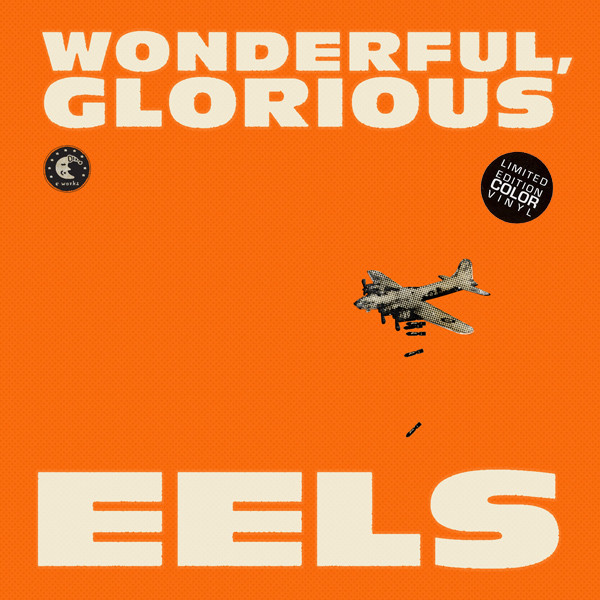
Wonderful, Glorious
2013

Eels Time!
2024

Eels So Good (Essential Eels Vol. 2 (2007-2020))
2023
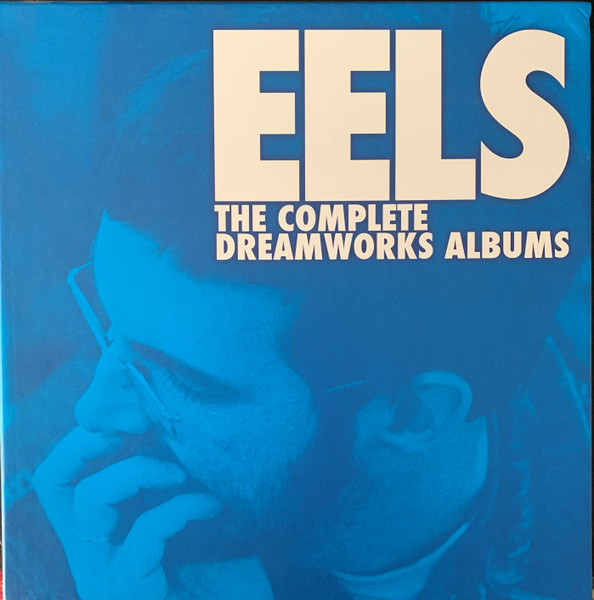
The Complete Dreamworks Albums
2015

Transmissions Session 2009
2009

Eels With Strings - Live At Town Hall
2006

Mr E's Beautiful Blues
2000
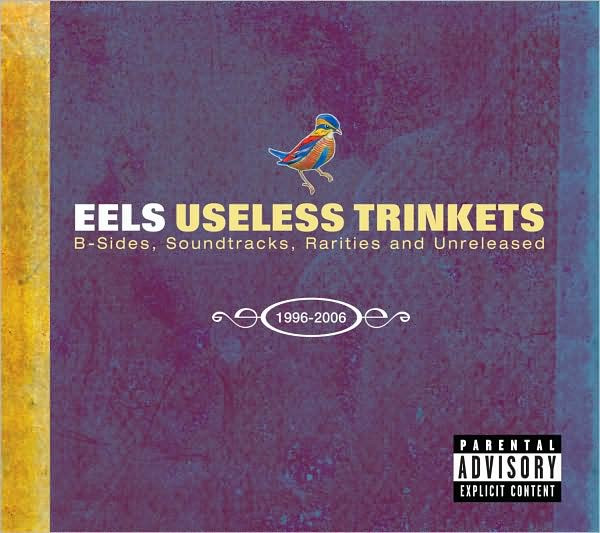
Useless Trinkets B-Sides, Soundtracks, Rarities And Unreleased 1996-2006
2008

Hey Man (Now You're Really Living)
2005

Electro-Shock Blues Show
2002

Gentle Souls 2021 KCRW Session
2021
Related artists
Members
Frequent collaborators
Around the web
Follow every record they touch.
Start your shelf and Gatefold tracks EELS's new pressings, tour dates, and the whole discography — automatically.
Start your shelf →Free forever. Works with 10 records or 10,000.