
Artist
Delroy Wilson
Kingston, Jamaica · 1948 – 1995
Delroy Wilson is a musician from Kingston, Jamaica, active 1948–1995. Their discography on Gatefold includes 24 records.

35
Albums tracked
21
In collections
1948
Since
Biography
Clement "Coxsone" Dodd put a microphone in front of a thirteen-year-old kid in 1962 because he needed a weapon to fight back against Prince Buster's sound system dominance. That kid was Delroy Wilson, and the weapon was "Joe Liges," a direct lyrical assault on Buster recorded at Studio One. He did not get to ease into a career. He was thrown straight into the Kingston sound system wars as a teenage prodigy, carrying the weight of Studio One's reputation on his vocal cords before he was even old enough to buy a drink. He transitioned from the frantic, brass-heavy ska of his youth into rocksteady and reggae with a ease that most of his peers couldn't match. The voice was smooth but carryed a desperate, raspy edge at the top of his register. That grit kept him from sounding too sweet, even when he was singing about heartbreak or politics. By the mid-seventies, he was cutting some of the heaviest roots and early lovers rock tunes in Kingston, working with every top-tier producer from Bunny Lee to Sonia Pottinger. He got used and abused by the Jamaican record industry, chasing session fees while labels pressed and repressed his hits without paying him a dime.
Bio from The Clerk
The Arc of Delroy Wilson
The pivots — what forced Delroy Wilson to reinvent.
The Studio One Boy Wonder
At Studio One, Coxsone Dodd used Wilson's teenage voice to cut diss tracks targeting rival sound systems. Tracks like "Spit in the Sky" and "I Shall Not Remove" were built on driving ska beats with Wilson delivering raw, aggressive vocals that belied his age. You can hear the physical strain in these early sessions, recorded on rudimentary one-track equipment where the band and singer had to balance themselves in the room. This era established his reputation as a street-level fighter before he ever recorded a standard love song.
The Rocksteady Shift
As the frantic pace of ska slowed down to the cool, bass-heavy groove of rocksteady in 1966, Wilson adapted instantly. He cut "Dancing Mood" for Dodd, a tune that redefined his entire vocal approach from shouting youth to soulful crooner. The brass sections took a backseat to the prominent basslines of Jackie Jackson and the steady drumming of Hugh Malcolm. This shift saved his career, proving he was more than just a novelty act for Coxsone's sound system dubplates.
The Political Campaign
In 1971, Wilson teamed up with producer Bunny Lee to record "Better Must Come," a song that became the literal soundtrack to Jamaica's political landscape. Michael Manley's People's National Party adopted the track as their official campaign anthem, catapulting Wilson into a dangerous level of national prominence. The music was lean, early reggae, anchored by the Aggrovators' driving rhythms and stripped of the lush arrangements of his late-sixties work. It proved that Wilson's voice could carry political weight just as easily as it did romantic longing.
The Cool Operator of Lovers Rock
By the late 1970s, Wilson transitioned into the burgeoning lovers rock scene, working with Lloyd Charmers and cutting smooth, soul-infused reggae. Albums like "Sarge" and "Mr. Cool Operator" featured slicker production values, relying on synthesized keyboards and polished horn charts. He was covering American soul hits with a laid-back, late-night vibe that became massive in the UK blues party scene. You can hear him leaning back on the beat, letting his seasoned, slightly weathered voice do the heavy lifting over easy-going rhythms.
Influences
- The Tams — Wilson loved American vocal groups and directly covered their 1964 hit "I've Been Hurt" during his rocksteady era. You can hear their smooth, southern soul phrasing mapped onto his Jamaican vocal delivery. He took their harmony-heavy style and translated it into a solo performance over a lazy rocksteady beat.
- The Isley Brothers — Wilson did a massive cover of their hit "This Old Heart of Mine" for producer Clement Dodd. He adopted Ronald Isley's desperate, pleading vocal style, especially when pushing his voice into his upper register. That mix of pain and sweetness in the delivery became Wilson's signature move.
- Sam Cooke — Cooke's smooth, effortless control was the blueprint for Wilson's transition out of the shouty ska era. You hear it clearly on "Dancing Mood," where Wilson mimics the clean, precise diction and warm vocal runs that Cooke popularized in the early sixties. He took Cooke's gospel-pop delivery and anchored it to a heavy reggae bassline.
- The Temptations — Wilson recorded covers of Motown material throughout his career, including "Get Ready" which became the title track of his 1976 album. The driving, rhythmic delivery of the Temptations' lead singers influenced how he stayed on top of fast-paced rocksteady beats. He kept that Detroit soul urgency even when the Kingston riddims slowed down.
- Lord Creator — The Trinidadian-born calypso and ska singer was one of the early stars at Studio One when Wilson arrived as a kid. Creator's sophisticated, crooning style on tracks like "Independent Jamaica" showed a young Wilson how to sing with polish. He learned how to command a microphone in a crowded, single-mic studio setup by watching older artists like Creator work the room.
Discography
Their records — most-collected first.
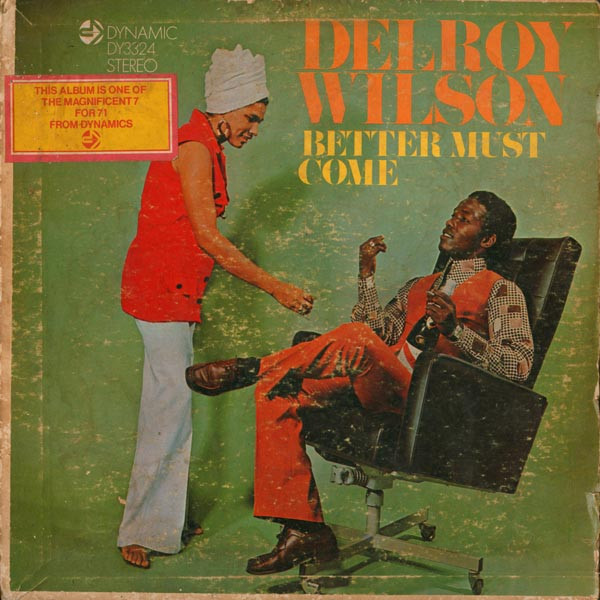
Better Must Come
1971
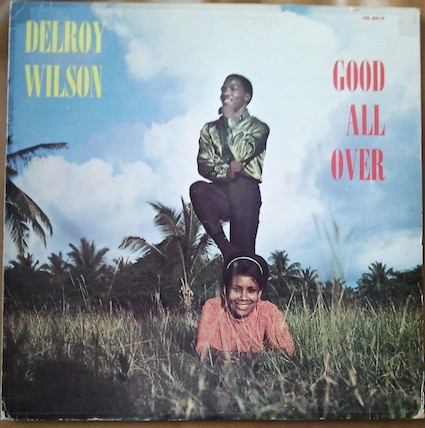
Good All Over
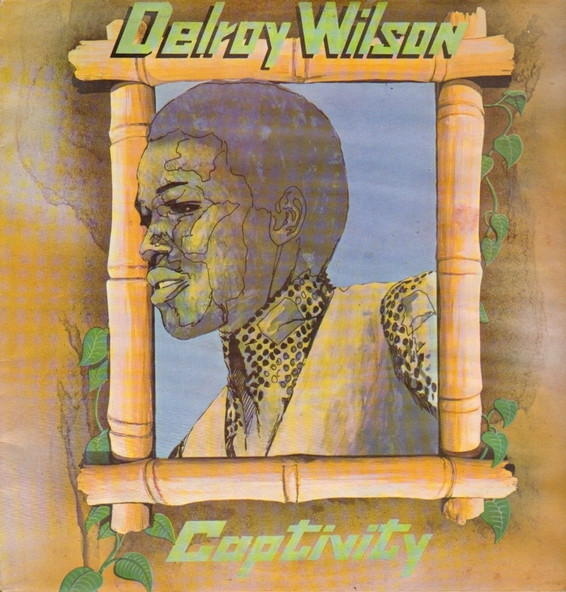
Captivity
1973

The Cool Operator
2024

Ease Up
1988

Reggae Classics
1984

Suspicion
1983

Money
1979

I'll Never Hurt You
1978

Sarge
1977

I'm Still Waiting
1976

Feel Good All Over / Moments
1968
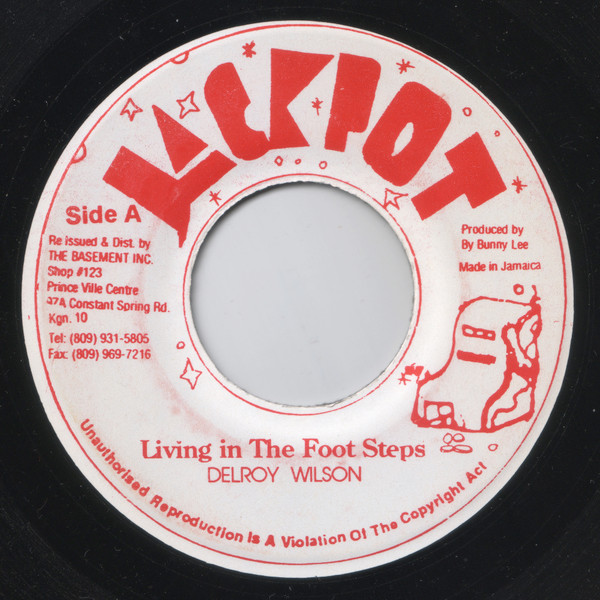
Living In The Foot Steps

Super Mix Hits
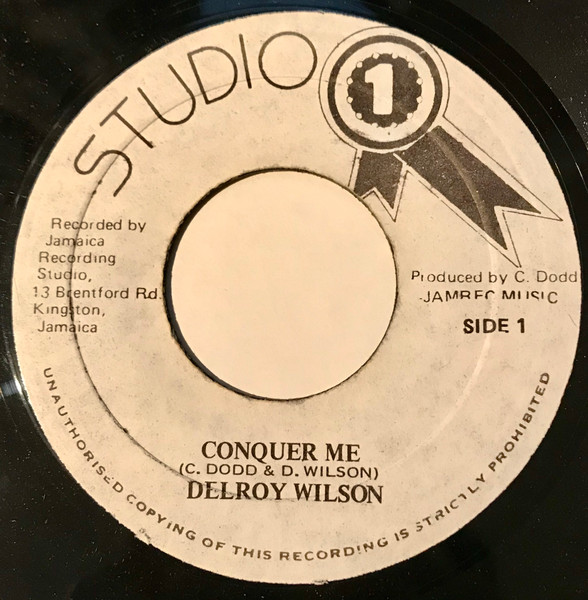
Conquer Me

Prophesy Must Fulfill

Here Come The Heartaches
2017

Resurrection
2004

Better Must Come - The Anthology
2004

Memorial
1996
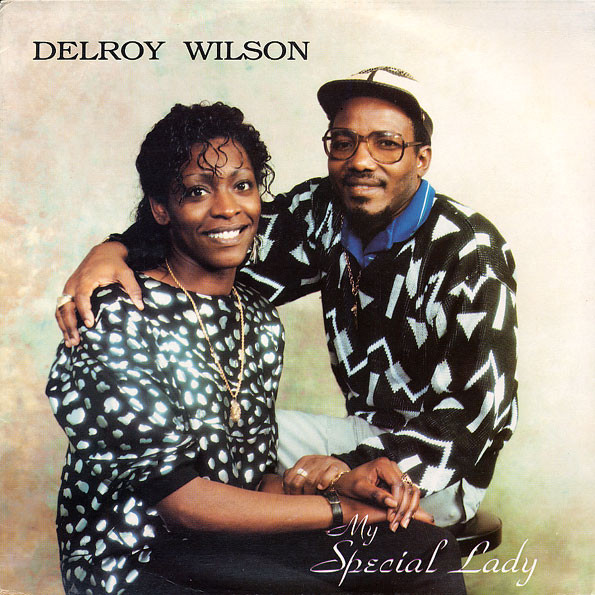
My Special Lady
1989

Gold Busters In Reggae
1985

The Dean Of Reggae
1985

Go Away Dream
1982
Related artists
Around the web
Follow every record they touch.
Start your shelf and Gatefold tracks Delroy Wilson's new pressings, tour dates, and the whole discography — automatically.
Start your shelf →Free forever. Works with 10 records or 10,000.