
Artist
Daryl Hall & John Oates
Philadelphia, United States · 1967 – 2024
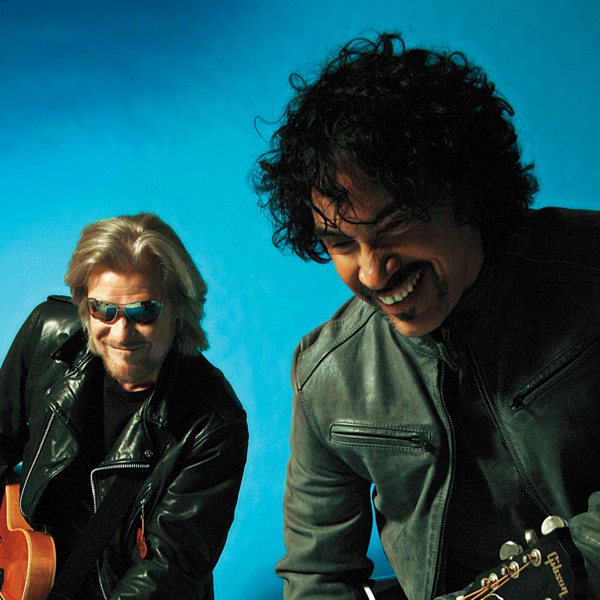
Daryl Hall & John Oates is a music group from Philadelphia, United States, active 1967–2024. Their discography on Gatefold includes 24 records.
36
Albums tracked
242
In collections
1967
Since
Biography
Daryl and John met in a service elevator at the Adelphi Ballroom in '67 because two rival gangs started shooting during a band competition. That Philly street grit is the only reason they didn't end up as just another soft-rock footnote. They spent years wandering through experimental folk and blue-eyed soul until they hit the late 70s and realized they could use the same Sigma Sound polish to sell something much tighter and more cynical. By the time they hit the early 80s, they weren't just a duo; they were a goddamn hit factory backed by G.E. Smith and T-Bone Wolk. People forget how weird those records actually are because they were played to death on the radio. They were obsessing over the Roland TR-808 and Linn LM-1 drum machines before the pop world knew what to do with them. It’s Philly soul frozen in a digital block of ice, and it’s a hell of a lot smarter than the 'yacht rock' label suggests.
Bio from The Clerk
The Arc of Daryl Hall & John Oates
The pivots — what forced Daryl Hall & John Oates to reinvent.
The Arif Mardin Folk-Soul Years
After their debut tanked, they hooked up with legendary producer Arif Mardin to find a middle ground between singer-songwriter vulnerability and the Atlantic Records R&B machine. These sessions resulted in Abandoned Luncheonette, a record that sounds like a rainy afternoon in a Philadelphia basement with better microphones. You can hear Mardin's touch in the sophisticated string arrangements and the way he pulls a jazz-inflected vocal performance out of Daryl that the duo would never quite replicate once the synths took over.
The Todd Rundgren Detour
War Babies is the sound of two guys trying to sabotage their own careers by letting Todd Rundgren drag them into a prog-rock fever dream at Secret Sound Studios. It’s loud, it’s ugly, and it’s absolutely brilliant for how much it pisses off the people who just wanted more acoustic ballads. This was the moment they realized they could be a rock band, shedding the polite folk-pop skin for something weirder and more aggressive that paved the way for their later experimentation.
The Electric 80s Empire
The pivot to Voices in 1980 happened because they finally started producing themselves and brought in T-Bone Wolk to anchor the low end. They stripped the arrangements down to minimalist New Wave skeletons and layered them with massive, airtight vocal harmonies that sounded like they were cut with a diamond. This era is defined by the tension between live musicianship and the cold precision of early sequencing, turning their R&B roots into a high-gloss, neon-lit brand of pop that dominated the decade.
Influences
- The Delfonics — They came up in the same Philly scene and Daryl frequently cites William Hart as a primary vocal architect. You hear it in the way Hall stacks his falsetto on 'Sara Smile' and those early mid-tempo ballads. It’s the blueprint for their entire approach to harmonic structure.
- The Temptations — John Oates has explicitly stated that their group choreography and vocal interplay were modeled after the Motown giants they watched at the Apollo. The call-and-response on 'Adult Education' is a direct line back to that 60s soul geometry. It kept them grounded in a tradition that most white pop acts of the era completely fumbled.
- Curtis Mayfield — Mayfield’s social consciousness and high-register vocal delivery are all over the duo's early 70s output. Daryl has called Mayfield one of the most important figures in his development as a songwriter. The scratching guitar work and urban tension in 'I'm Just a Kid (Don't Make Me Feel Like a Man)' is a pure Mayfield tribute.
- Todd Rundgren — He didn't just produce them; he showed them how to use the studio as an instrument during the War Babies sessions. His DIY ethos and obsession with technology convinced the duo to take over their own production. Without Todd's influence, they never would have had the guts to lean so hard into the electronic textures of the 80s.
- The Righteous Brothers — Bill Medley and Bobby Hatfield proved that white vocalists could command the R&B charts without it sounding like a cheap imitation. The duo covered 'You've Lost That Lovin' Feelin' on the Voices record as a literal nod to their predecessors. It’s the foundation of the blue-eyed soul category they eventually mastered.
Discography
Their records — most-collected first.
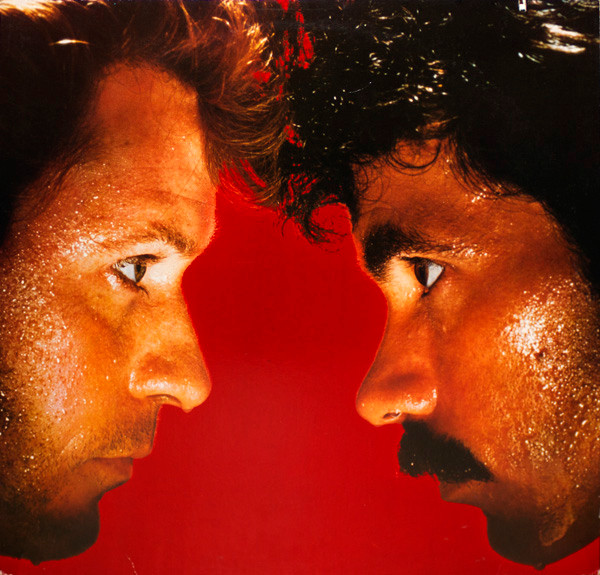
H₂O
1982
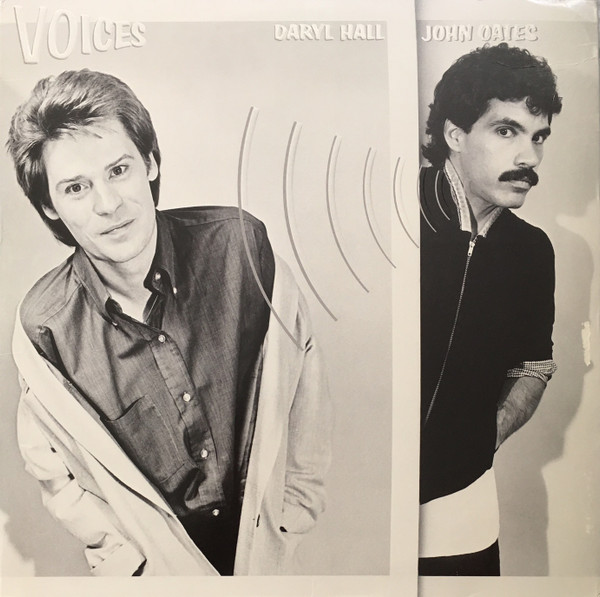
Voices
1980
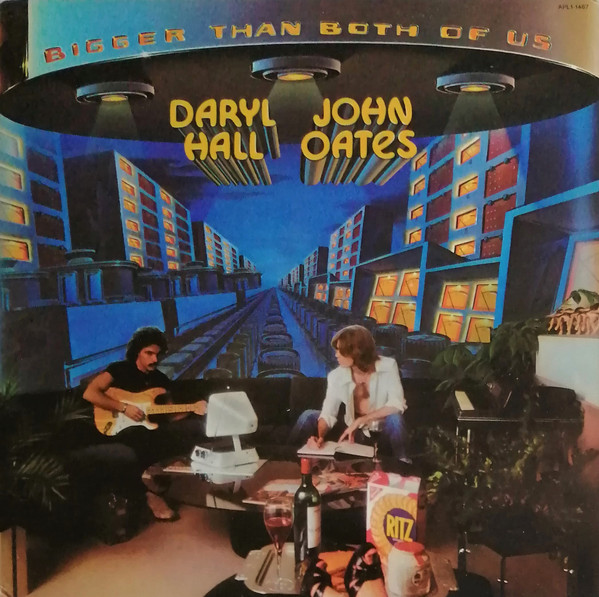
Bigger Than Both Of Us
1976
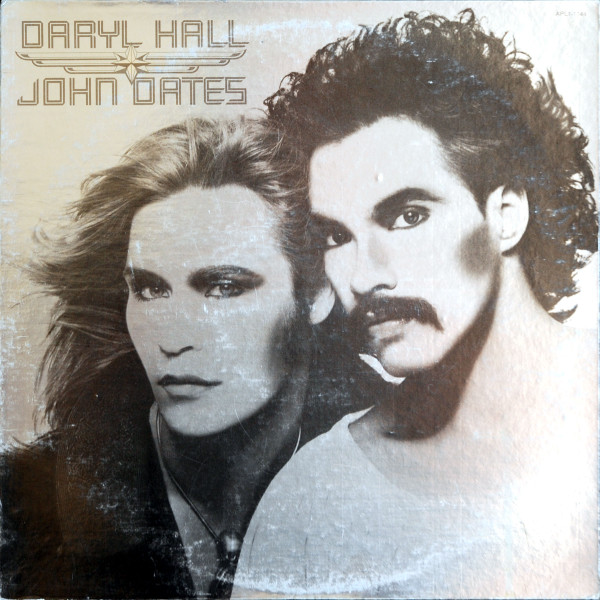
Daryl Hall & John Oates
1975
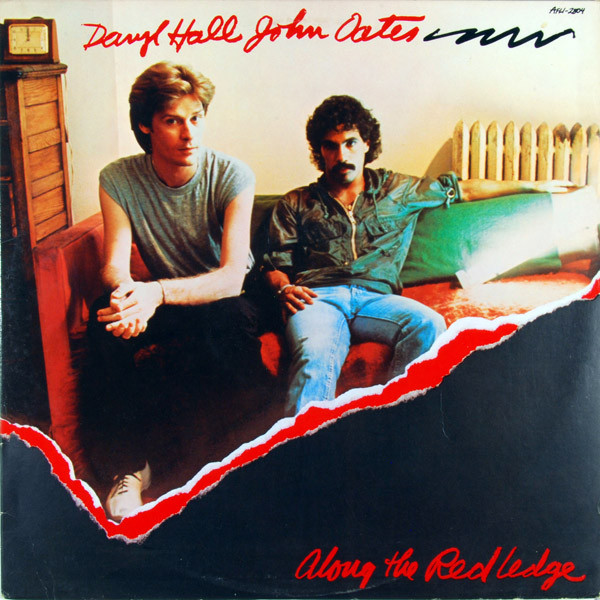
Along The Red Ledge
1978

Live At The Apollo
1985

X-Static
1979
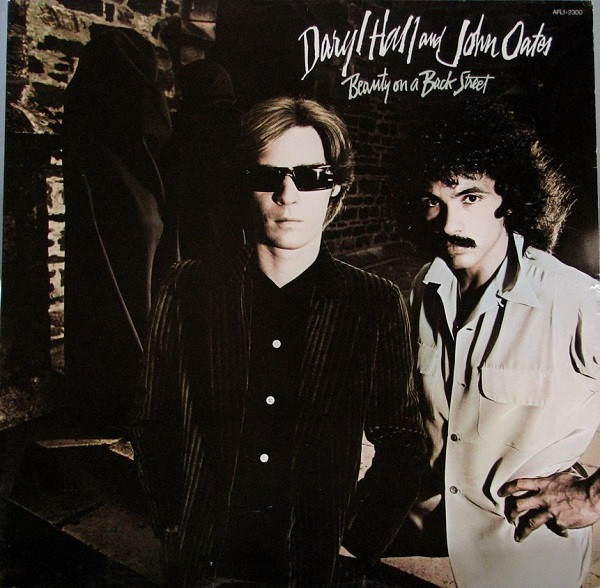
Beauty On A Back Street
1977
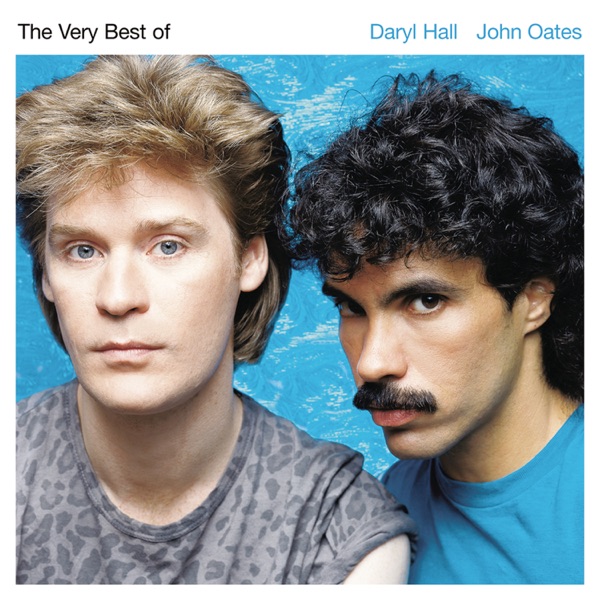
The Very Best Of Daryl Hall & John Oates
2001
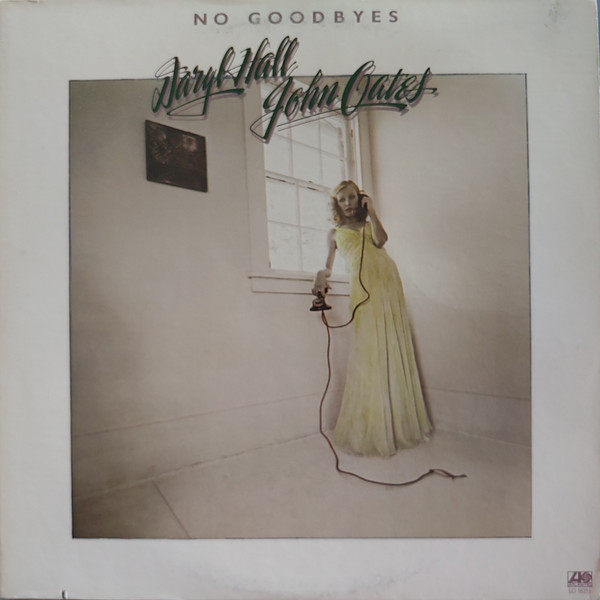
No Goodbyes
1977
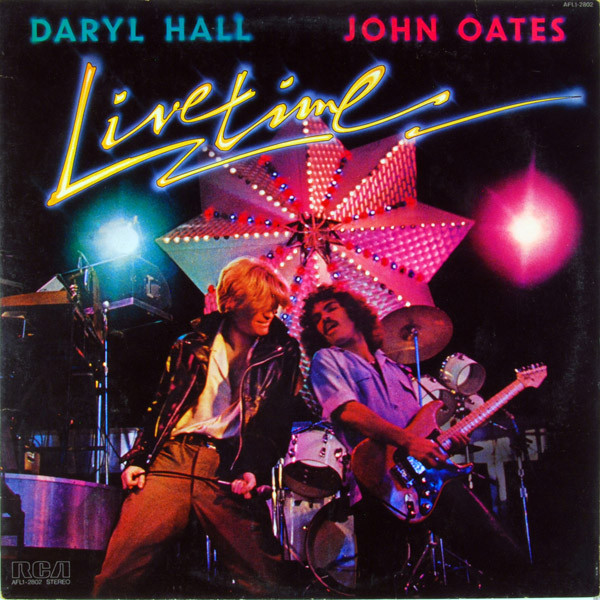
Livetime
1978
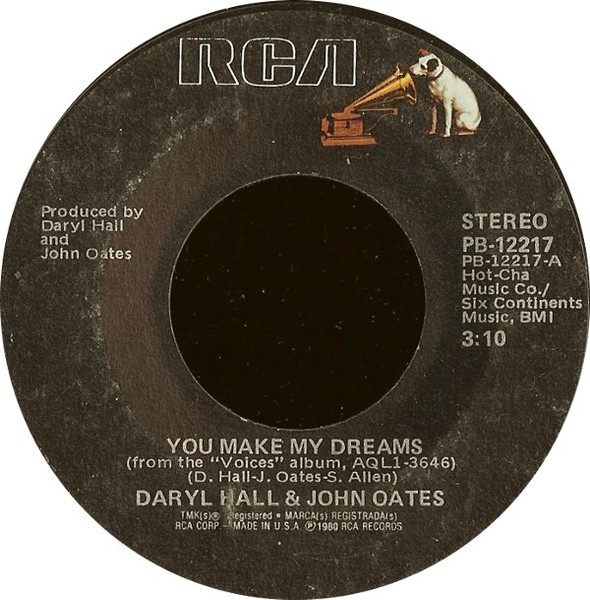
You Make My Dreams
1980

Whole Oats
1972

Top 40 Daryl Hall & John Oates (Their Ultimate Top 40 Collection)
2020

The Best Of Daryl Hall & John Oates: Looking Back
1991

Rich Girl
1976

She's Gone
1973
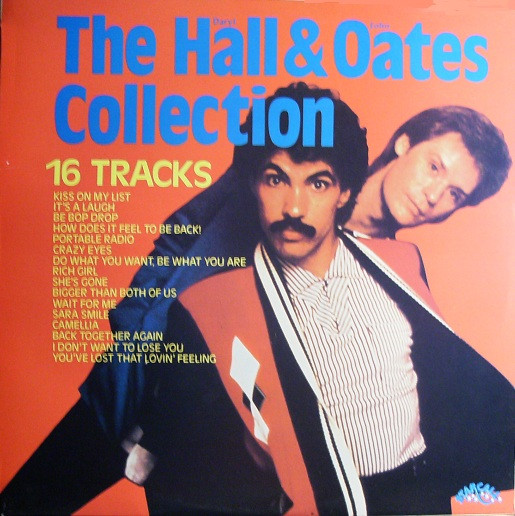
The Hall & Oates Collection
1981

Post-Static
1979

Ecstasy On The Edge
2001
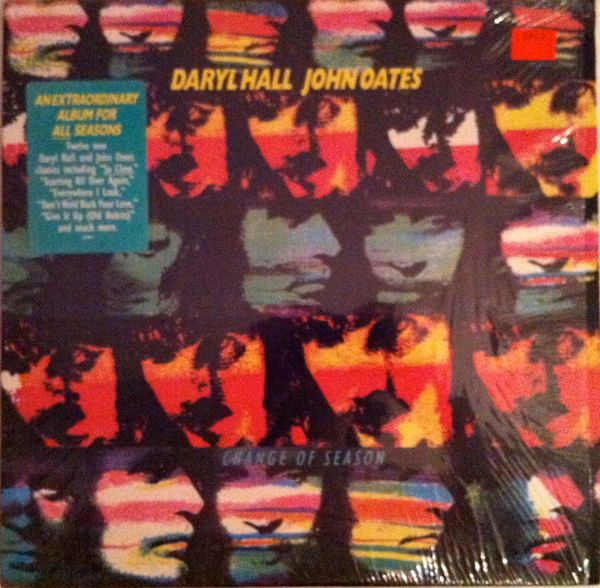
Change Of Season
1990

A Nite At The Apollo Live!
1985

Method Of Modern Love
1984
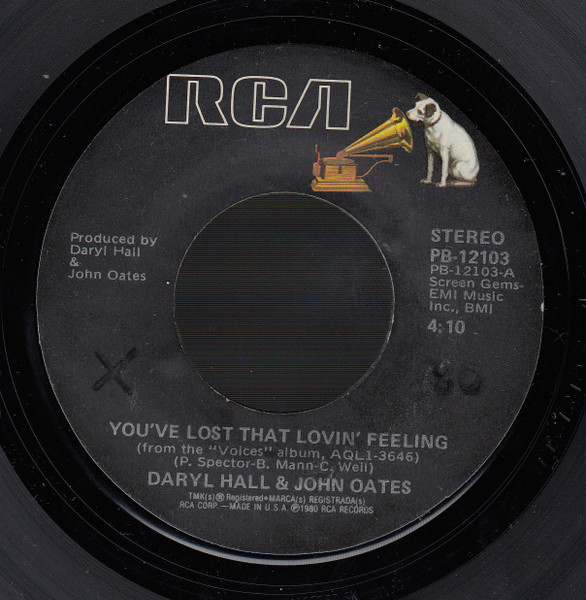
You've Lost That Lovin' Feelin'
1980
Related artists
Frequent collaborators
Around the web
Follow every record they touch.
Start your shelf and Gatefold tracks Daryl Hall & John Oates's new pressings, tour dates, and the whole discography — automatically.
Start your shelf →Free forever. Works with 10 records or 10,000.