
Artist
Dan Fogelberg
Peoria, United States · 1951 – 2007
Dan Fogelberg is a musician from Peoria, United States, active 1951–2007. Their discography on Gatefold includes 24 records.

33
Albums tracked
133
In collections
1951
Since
Biography
Joe Walsh had to drag Dan out of the gate by producing Souvenirs at Record Plant because the debut didn't move the needle. He wasn't some coffeehouse strummer—he was a multi-instrumentalist who could track almost every damn part himself when he felt like it. Most people write him off as the king of the grocery store aisle, but the guy was obsessed with the precision of the studio. He spent more time agonizing over a string arrangement in Colorado than most bands spent on entire tours. He had this weird, stubborn streak where he'd oscillate between high-gloss soft rock and deep-dive bluegrass sessions. One minute he’s working with the Eagles’ inner circle, the next he’s making instrumental flute records with Tim Weisberg. He didn't care about being cool, which is why he was so successful and so easy to hate. He leaned into the earnestness so hard it bordered on arrogance, but the session work doesn't lie—the man was a technician.
Bio from The Clerk
The Arc of Dan Fogelberg
The pivots — what forced Dan Fogelberg to reinvent.
The Walsh Intervention
After his debut Home Free sank without a trace, Joe Walsh stepped in to produce Souvenirs and toughen up the edges with the California session elite. Graham Nash and Glenn Frey showed up for backing vocals, turning a folk-singer’s sketches into the template for the high-end 70s West Coast sound. You can hear Walsh’s slide guitar influence everywhere, grounding Dan’s feather-light melodies with some actual dirt. It shifted him from a Nashville outlier to a centerpiece of the Laurel Canyon adjacent hit machine.
The Orchestral Peak
By the time he hit Nether Lands and The Innocent Age, he was moving away from standard rock setups and treating the studio like a conservatory. He started using massive string sections and sprawling conceptual themes that made the label nervous about the budget. These records are dense, ornate, and borderline prog-folk in their ambition. It was a massive gamble on his own sincerity that resulted in a double-album blockbuster that basically defined the early 80s adult contemporary radio dial.
The Bluegrass Pivot
In 1985, he shocked the system by dropping High Country Snows, a straight-up bluegrass record recorded with titans like Ricky Skaggs and Jerry Douglas. He stopped chasing the Top 40 pop polish of Windows and Walls to return to the acoustic roots he’d been flirting with since the Peoria days. The shift felt less like a career move and more like a guy finally using his capital to play with his heroes. It’s the most relaxed he ever sounded on tape, stripped of the heavy reverb and 80s production glitz.
Influences
- Buffalo Springfield — Dan cited them as the reason he started playing folk-rock, specifically the harmony structures and Stephen Stills' acoustic guitar attack. You hear the Springfield DNA in the way he stacks vocal layers on Captured Angel. He basically took their blueprint and sanded off the garage-rock grit.
- Gordon Lightfoot — The influence shows up in his phrasing and the narrative songwriting style he used on tracks like 'Same Old Lang Syne.' Fogelberg admitted to obsessing over Lightfoot’s ability to anchor a song with just a 12-string guitar and a baritone vocal. It’s that Northern folk austerity translated to a Colorado mountain setting.
- Crosby, Stills & Nash — He spent his early years trying to replicate the three-part harmony of their debut, which led to him eventually recruiting Nash for session work. The vocal arrangements on 'Part of the Plan' are a direct homage to the vocal stack on 'Suite: Judy Blue Eyes.' It's the sound of a student hiring his teachers to prove he learned the lesson.
- The Beatles — Fogelberg was vocal about the Revolver-era production being his ultimate studio benchmark. He used George Martin-style string arrangements and Paul McCartney-influenced bass lines to elevate his 70s tracks beyond standard folk. He wasn't just a songwriter; he was a student of the four-track era's possibilities.
- The Byrds — The Rickenbacker jangle and the country-rock transition seen on Sweetheart of the Rodeo was Fogelberg's North Star for his mid-70s output. He took the pedal steel and 12-string textures and smoothed them out for the FM radio era. Without Chris Hillman’s influence on the genre, Dan would’ve just been another guy in a tuxedo.
Discography
Their records — most-collected first.

Souvenirs
1974

Greatest Hits
1982
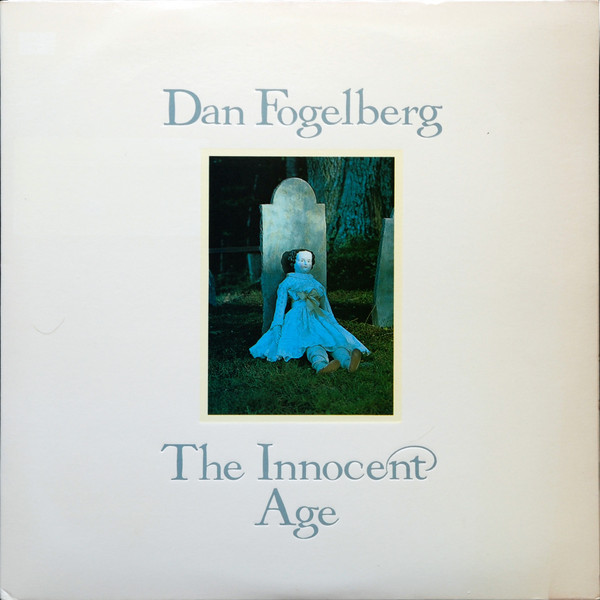
The Innocent Age
1981
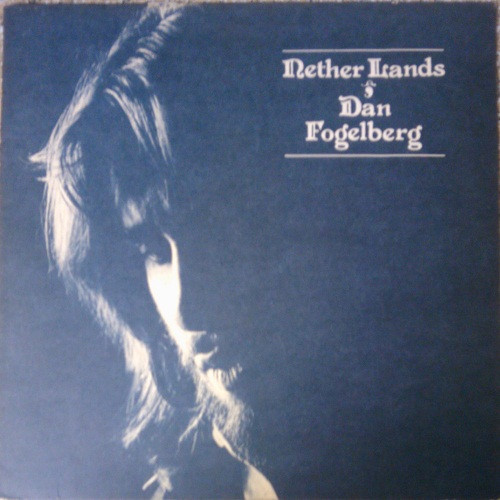
Nether Lands
1977

Phoenix
1979

Twin Sons Of Different Mothers
1978

Captured Angel
1975

Windows And Walls
1984
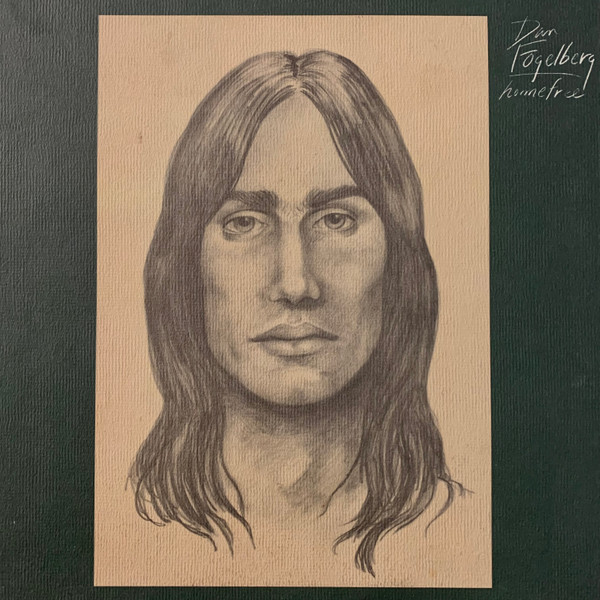
Home Free
1972

Exiles
1987
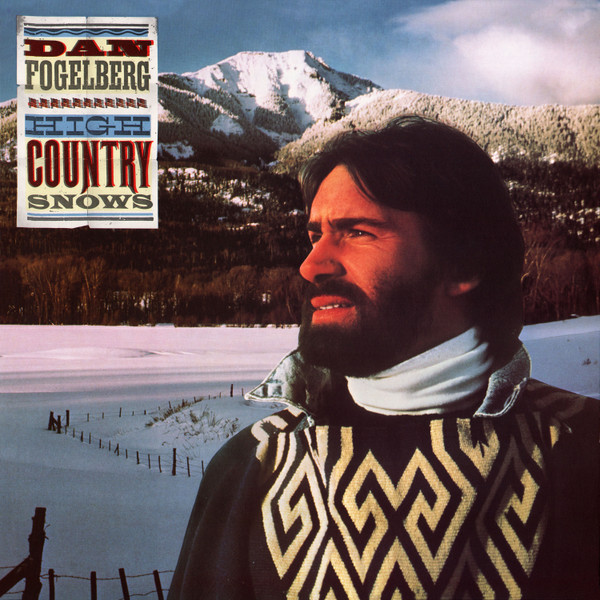
High Country Snows
1985

Longer
1979

Twin Sons Of Different Mothers / Phoenix
2011

Leader Of The Band
1982

Run For The Roses
1981

Live At Carnegie Hall
2017

Playlist: The Very Best Of Dan Fogelberg
2009

The Essential Dan Fogelberg
2003

Full Circle
2003

The First Christmas Morning
1999

Super Hits
1998

Portrait The Music Of Dan Fogelberg
1997

Promises
1997

Definitive Collection
1995
Related artists
Frequent collaborators
Around the web
Follow every record they touch.
Start your shelf and Gatefold tracks Dan Fogelberg's new pressings, tour dates, and the whole discography — automatically.
Start your shelf →Free forever. Works with 10 records or 10,000.