
Artist
Jimmy Buffett
Pascagoula, United States · 1946 – 2023
Jimmy Buffett is a musician from Pascagoula, United States, active 1946–2023. Their discography on Gatefold includes 24 records.

43
Albums tracked
311
In collections
1946
Since
Biography
Before he was slinging frozen margaritas to drunk dentists in Hawaiian shirts, Jimmy Buffett was a failed Nashville folkie who couldn't sell a thousand copies of his debut to save his life. Down to Earth dropped in 1970 and tanked hard enough to run him entirely out of Tennessee. He hopped in a car with Jerry Jeff Walker, hit the end of the road in Key West, and realized nobody was writing songs for the drifters, dope runners, and barflies washing out on the docks. That early run between 1973 and 1978 is sharp, cynical, and soaked in salt water. He was a ruthless observer of human decay disguised as a good-time beach bum. Then the branding engine swallowed the artist whole. By the mid-eighties, the sly character studies got paved over for resort merchandise, tropical escapism, and stadium-sized tailgate parties. The records turned into glossy, corporate party fuel, full of steel drums and synths, making him insanely wealthy while gutting the literary bite that made him matter in the first place. You have to tune out four decades of casino-grade kitsch to hear it, but underneath the branded blenders was one of the sharpest narrative songwriters America ever produced.
Bio from The Clerk
The Arc of Jimmy Buffett
The pivots — what forced Jimmy Buffett to reinvent.
The Key West Exile
Getting booted out of Nashville forced him south to the end of the Overseas Highway, ditching polite coffeehouse folk for dockside country. Cut between 1973 and 1974, records like A White Sport Coat and a Pink Crustacean and A1A established his voice using tight acoustic tracking, pedal steel, and dark humor. He wasn't pandering yet; he was chronicling the con men, smugglers, and sunburned dropouts of the Florida Keys. The writing on tracks like 'A Pirate Looks at Forty' carries the precise, literary weight of a Guy Clark tune.
The Hit and the Machine
Changes in Latitudes, Changes in Attitudes landed in 1977 and handed him a pop juggernaut that completely dictated the rest of his career. 'Margaritaville' shifted him from cult coastal songwriter to mainstream chart asset, bringing slicker studio production and arena expectations. He followed it through Son of a Son of a Sailor and Volcano, polishing the rough edges off the Coral Reefer Band to satisfy radio programmers. The acoustic grit was officially dialed back in favor of glossy, upbeat tropical radio pop.
The Nashville Return
Decades after the Florida resort empire replaced his reputation as a serious songwriter, he circled all the way back to Music Row in 2004 with License to Chill. The move was catalyzed by his massive collaborative hit with Alan Jackson, throwing him into rooms with heavyweights like George Strait. The arrangements stripped away the synthetic island fluff in favor of straight-ahead modern country session playing. It was pure industry calculation, but it finally proved his songs could sit comfortably in the country mainstream that rejected him thirty years earlier.
Influences
- Jerry Jeff Walker — Walker drove Buffett down to Key West in his Packard in late 1971 after Buffett's Nashville career stalled out, practically handing him his entire aesthetic. You hear Walker's gonzo, loose-strummed Texas country DNA running through the arrangements on A White Sport Coat and a Pink Crustacean. Without Walker playing chauffeur, there is no Parrothead empire.
- Bob Dylan — Buffett cut his teeth in the Greenwich Village and Nashville folk circuits obsessing over Dylan's stream-of-consciousness narrative framing. The breathless, verse-heavy character portraits across 1970's Down to Earth are straight Dylan worship before he found his own voice. He stole the rambling storytelling chops, even if he eventually traded the protest placards for patio drinks.
- Harry Belafonte — Belafonte's massive calypso recordings in the late 1950s provided the foundational rhythm tracks Buffett raided to create his signature Gulf and Western sound. The percussion breaks, horn charts, and breezy syncopation on Changes in Latitudes lift directly from Belafonte's pop-calypso playbook. It gave country storytelling an entirely foreign, island bounce.
- Hank Williams — Buffett regularly cited Williams as the gold standard for cutting right to the bone of everyday working-class miseries and honky-tonk humor. You hear that direct, unpretentious, three-chord country spine holding up tracks like 'Why Don't We Get Drunk' and 'Grapefruit - Juicy Fruit'. Strip the tropical tropes off his best songs and you're left with pure Hank.
- Lord Burgess — Burgess wrote the calypso standards Belafonte popularized, and Buffett studied his songbooks relentlessly to understand Caribbean folk lyricism. The melodic cadences across tracks on Havaña Daydreamin' mirror Burgess's structural balance between upbeat rhythm and island folklore. It was the crucial non-country ingredient in his entire catalog.
Discography
Their records — most-collected first.
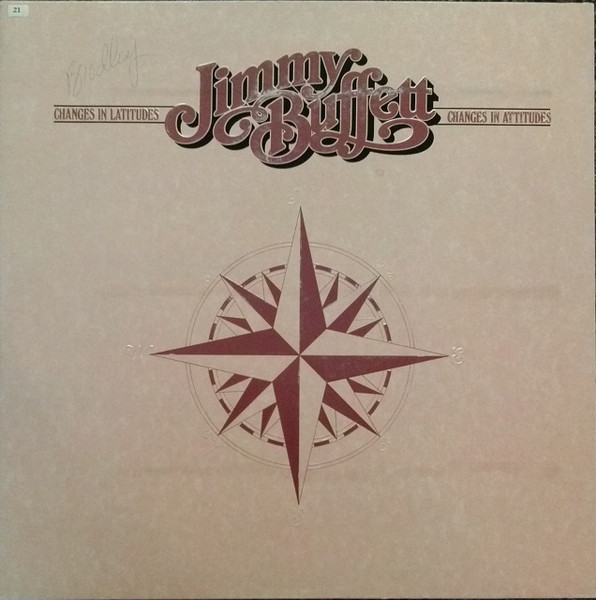
Changes In Latitudes, Changes In Attitudes
1977
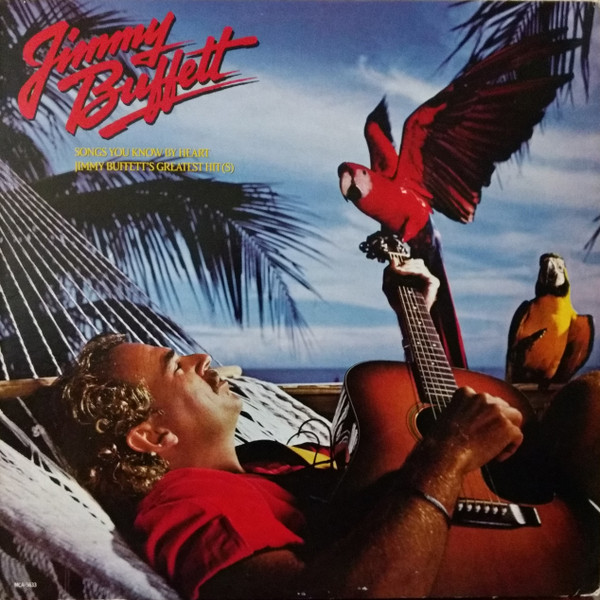
Songs You Know By Heart - Jimmy Buffett's Greatest Hit(s)
1985

Son Of A Son Of A Sailor
1978

Living And Dying In 3/4 Time
1974

Volcano
1979

Havaña Daydreamin'
1976

A1A
1974

A White Sport Coat And A Pink Crustacean
1973
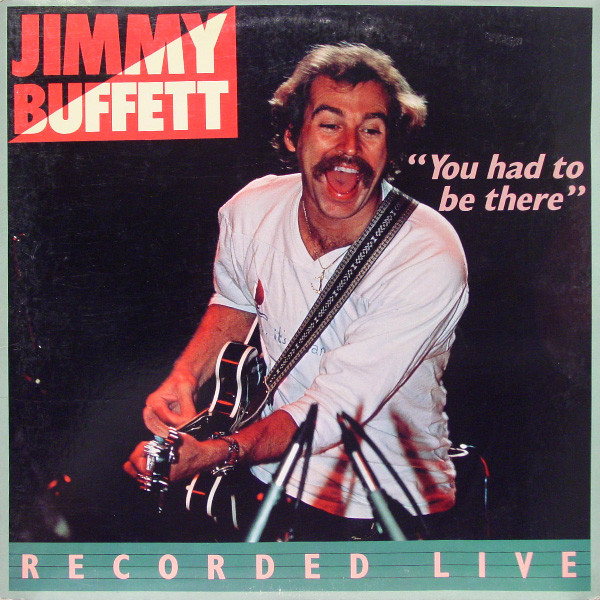
"You Had To Be There" - Recorded Live
1978
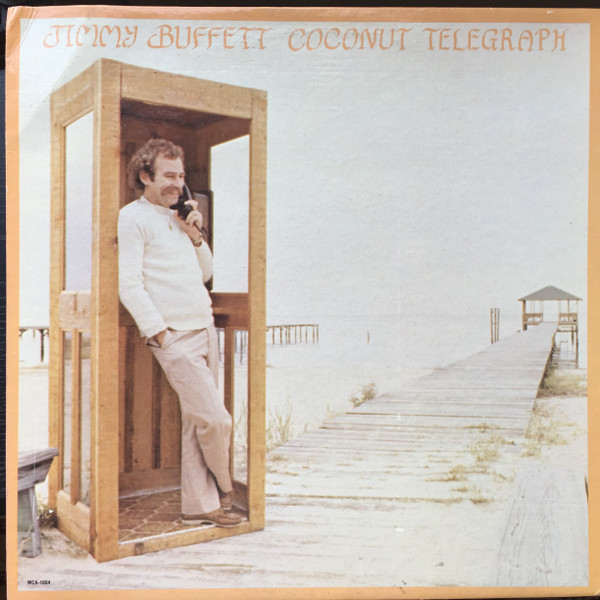
Coconut Telegraph
1980

One Particular Harbour
1983

Somewhere Over China
1981

Off To See The Lizard
1989

Last Mango In Paris
1985

Riddles In The Sand
1984

Banana Wind
1996

Fruitcakes
1994

Hot Water
1988
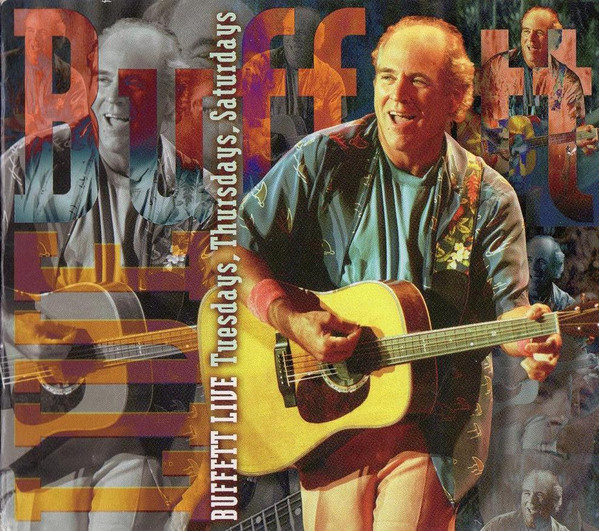
Buffett Live • Tuesdays, Thursdays, Saturdays
1999

Christmas Island
1996
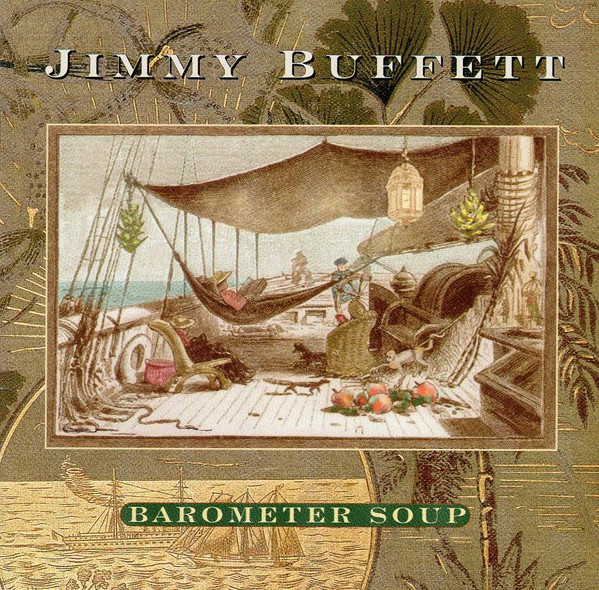
Barometer Soup
1995

License To Chill
2004
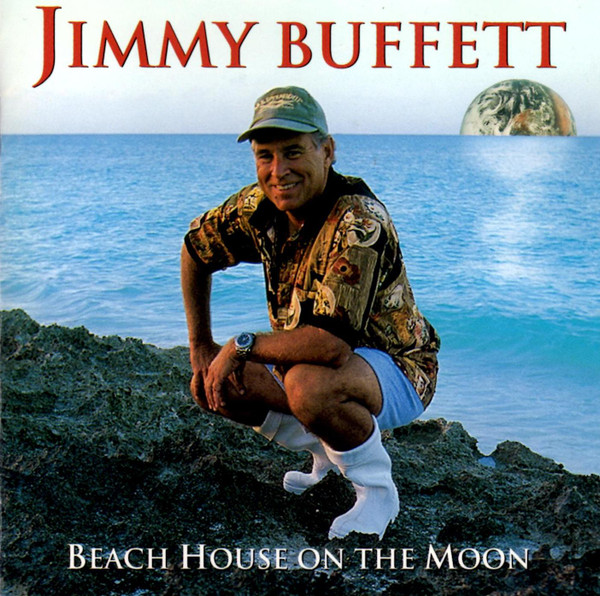
Beach House On The Moon
1999

All The Great Hits
1994
Related artists
Around the web
Follow every record they touch.
Start your shelf and Gatefold tracks Jimmy Buffett's new pressings, tour dates, and the whole discography — automatically.
Start your shelf →Free forever. Works with 10 records or 10,000.