
Artist
Blondie
New York City, United States
Blondie is a music group from New York City, United States. Their discography on Gatefold includes 24 records.

62
Albums tracked
623
In collections
—
Since
Biography
Richard Gottehrer produced their first two records on a shoestring budget for Private Stock and Chrysalis. He was an old-school Brill Building guy who wanted them to sound like a 1960s girl group wrapped in CBGB dirt. Jimmy Destri’s Farfisa organ sounded thin. Chris Stein’s guitar lines were scrappy. But Clem Burke was already playing like a runaway train. They were a pop band disguised as punk bums. The Bowery scene didn't know what to make of them. Then Mike Chapman came in for Parallel Lines in '78. He was a ruthless Australian pop perfectionist who absolutely tortured them in the studio to get clean takes. He made Burke play to a click. He did endless vocal takes with Deborah Harry until her pitch was laser-focused. It was grueling, miserable work that nearly broke the band. It also yielded one of the tightest, sharpest pop-rock records ever pressed. They weren't selling out. They were just better at writing hooks than the rest of the punk crowd. By the time they cut Autoamerican in 1980, the wheels were coming off. They abandoned the power-pop blueprint entirely to chase whatever was happening on the streets of New York. Producer Mike Chapman hated the shift but tracked it anyway. You get orchestral pop next to early rap next to reggae covers. The Hunter in '82 was a disaster because the band was physically exhausted, drug-addled, and Chris Stein was incredibly sick. They imploded because they ran out of gas, not because they ran out of ideas.
Bio from The Clerk
The Arc of Blondie
The pivots — what forced Blondie to reinvent.
The CBGB Garage Years
Before they were international stars, they were a messy five-piece trying to survive the NYC underground. Richard Gottehrer captured this raw, garage-rock energy on their self-titled debut and Plastic Letters. Gary Valentine’s driving basslines kept tracks like X Offender grounded while Harry delivered deadpan, street-smart vocals. It was a cheap, analog sound characterized by bleeding microphones and Destri's cheap-sounding organ. This was the band as a scrappy, highly cynical unit.
The Mike Chapman Boot Camp
In 1978, Chrysalis brought in producer Mike Chapman to whip the band into commercial shape. Chapman was a taskmaster who demanded absolute precision, forcing the band into grueling multi-hour sessions to nail the arrangements for Parallel Lines. Frank Infante was brought in on guitar to beef up the studio sound alongside Stein, while Nigel Harrison took over bass duties. The result was a massive, sparkling wall of sound that turned raw punk energy into pristine radio gold. You can hear this iron-fisted discipline on the relentless drum track of Hanging on the Telephone.
The Genre-Hopping Experiment
Flushed with success, the band completely abandoned their power-pop roots for 1980’s Autoamerican, recorded in Los Angeles with Chapman still at the board. They decided to paint a portrait of the late-seventies New York dial, dragging jazz, rap, and reggae into the mix. This was the era of Fab 5 Freddy introducing Harry to the uptown hip-hop scene, leading directly to the tracking of Rapture. The clean guitars of their pop years were replaced with horns, string sections, and experimental dub delays.
Influences
- The Shangri-Las — Deborah Harry openly cited the group's tough-girl attitude and streetwise melodrama as her primary vocal blueprint. You hear this influence directly in the spoken-word intro of Out in the Streets, which Blondie covered during their early sessions. It gave their punk aesthetic a classic 1960s pop foundation.
- The Velvet Underground — Blondie regularly covered Femme Fatale during their early gigs at CBGB and Max's Kansas City. The influence is all over the dark, repetitive, drone-like guitar lines Chris Stein brought to early tracks like Rip Her to Shreds. They took Lou Reed's gritty NYC realism and dressed it up in pop clothes.
- The New York Dolls — Before forming Blondie, Chris Stein and Deborah Harry were fixtures at Dolls shows, absorbing the band's trashy glam-punk energy. Drummer Billy O'Connor and bassist Fred Smith were part of the early scene that directly mirrored the Dolls' sloppy, high-energy live presentation. You hear that chaotic, corner-cutting garage rock energy all over Blondie's 1976 debut.
- The Iggy Pop — Blondie toured as the opening act for Iggy Pop’s 1977 tour, where David Bowie was playing keyboards in the backing band. Watching Iggy's confrontational, physical performance style night after night pushed Harry to develop her own icy, commanding stage persona. The frantic, driving rhythm of Clem Burke's drumming on Plastic Letters owes a massive debt to the Stooges' raw power.
- Donna Summer — Producer Mike Chapman and songwriter Chris Stein have both stated that Giorgio Moroder's work on Donna Summer's I Feel Love was the direct sonic inspiration for Heart of Glass. They wanted to replicate that driving, electronic pulse using a real drummer synchronized with a Roland drum machine. It was a conscious effort to hijack Euro-disco and inject it into the downtown rock scene.
Discography
Their records — most-collected first.
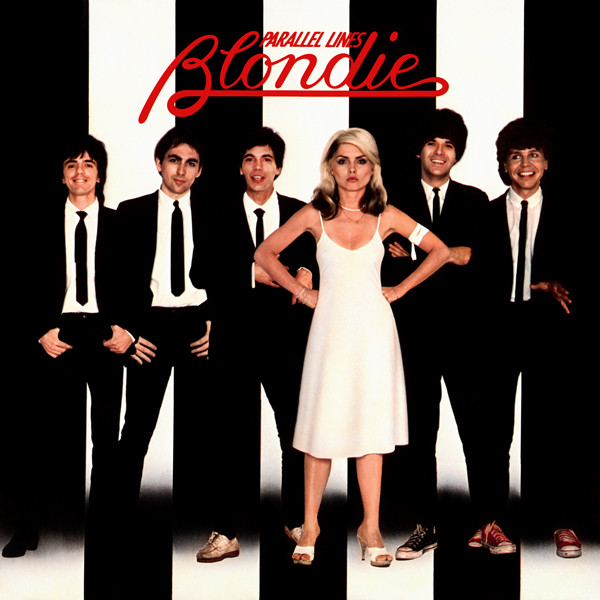
Parallel Lines
1978
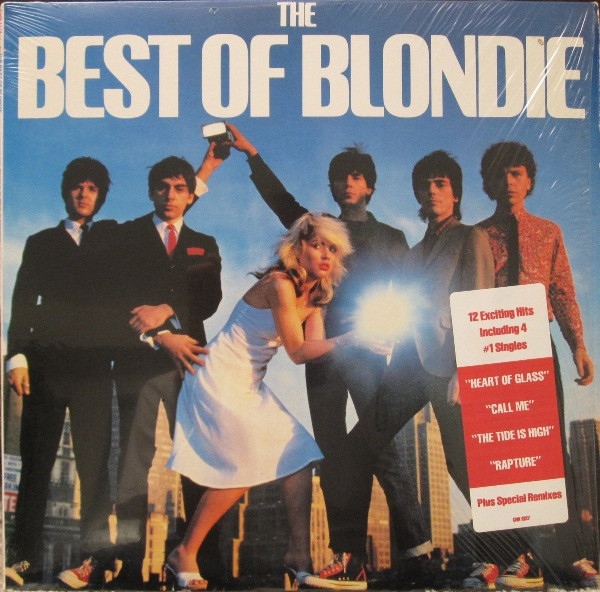
The Best Of Blondie
1981

Autoamerican
1980
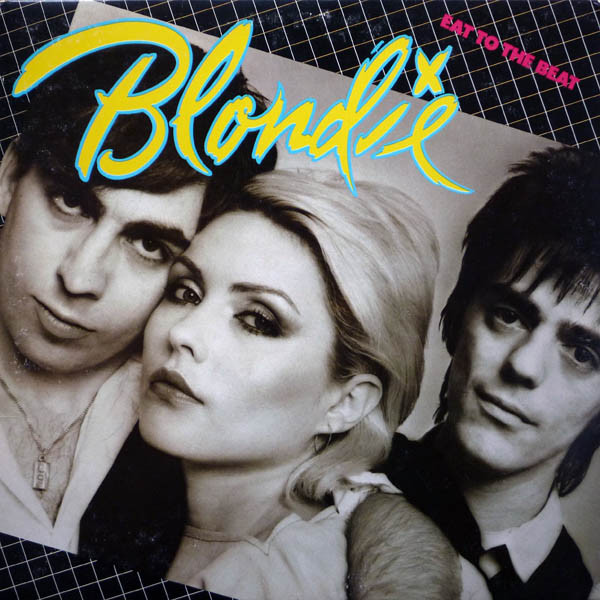
Eat To The Beat
1979
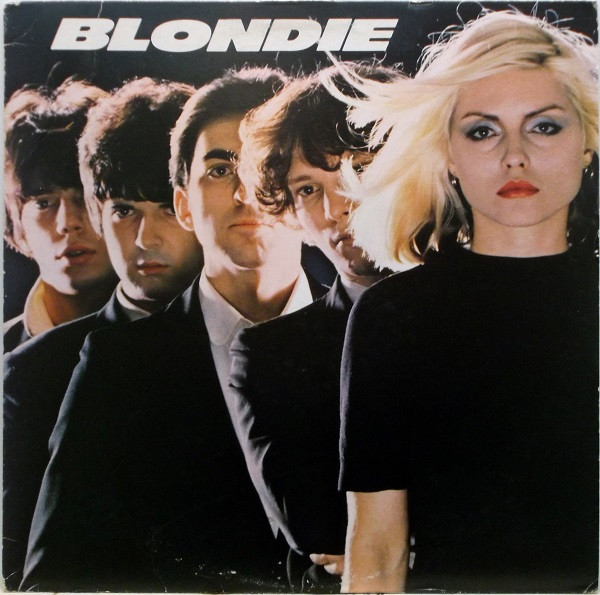
Blondie
1977
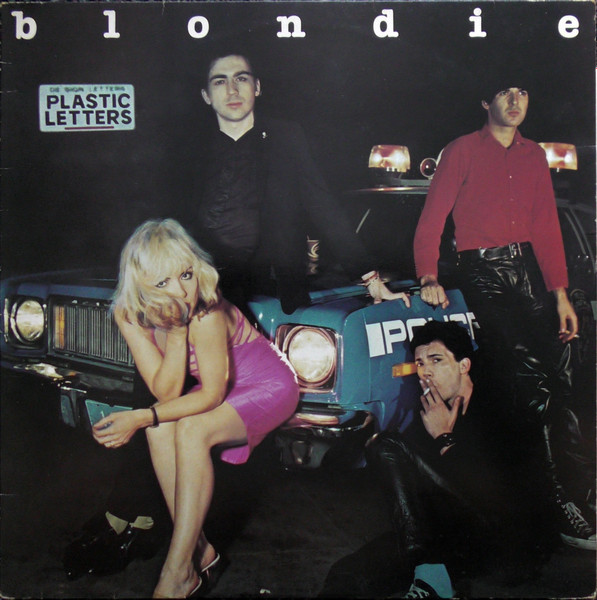
Plastic Letters
1978
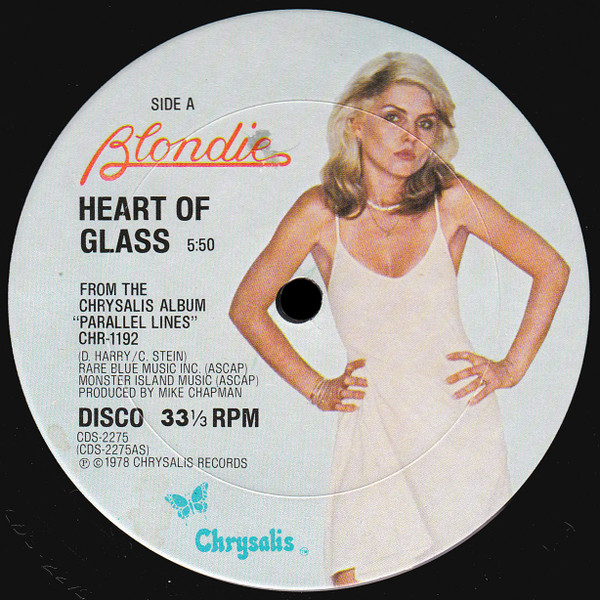
Heart Of Glass
1978
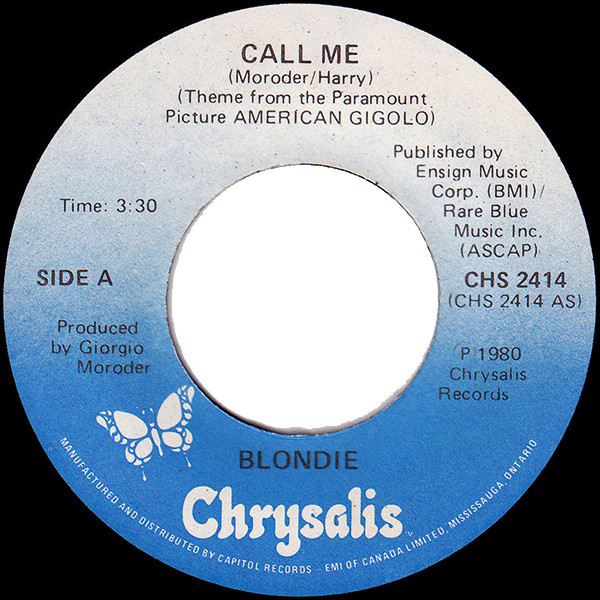
Call Me
1980
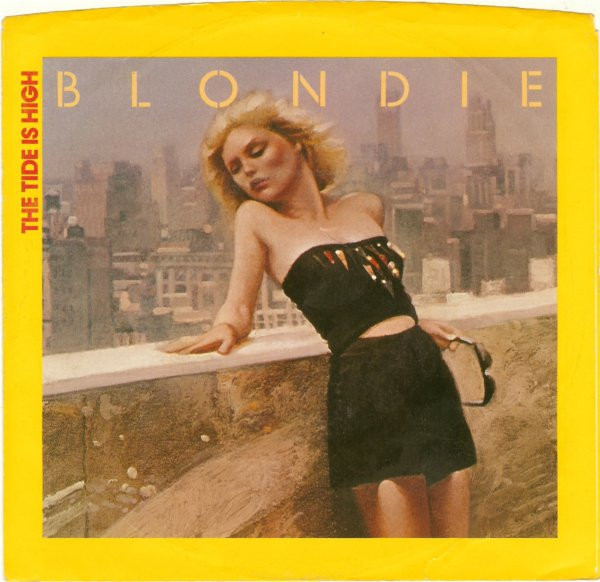
The Tide Is High
1980
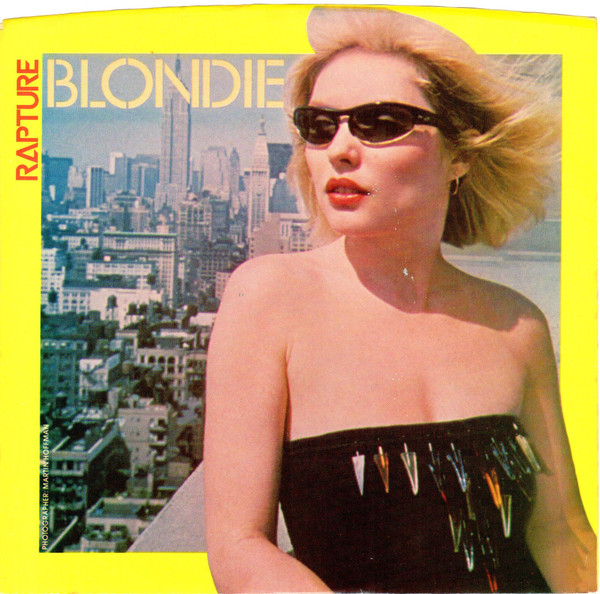
Rapture
1981
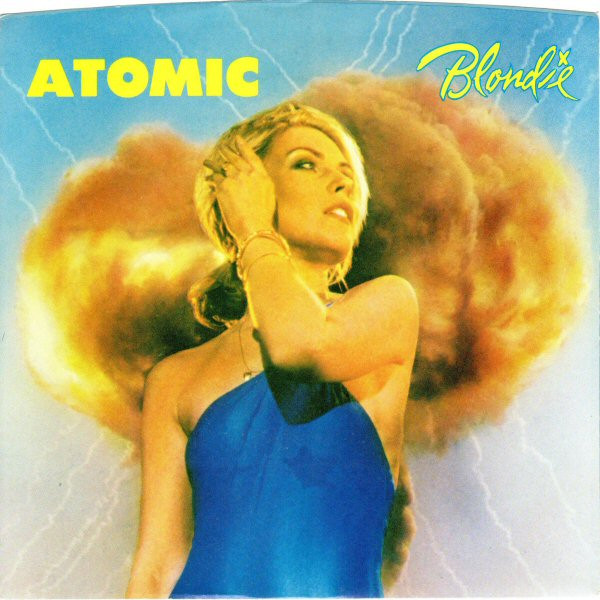
Atomic
1980
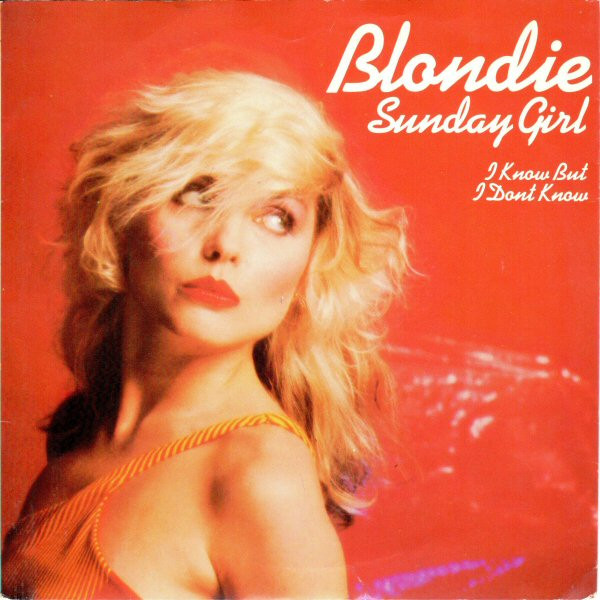
Sunday Girl
1978
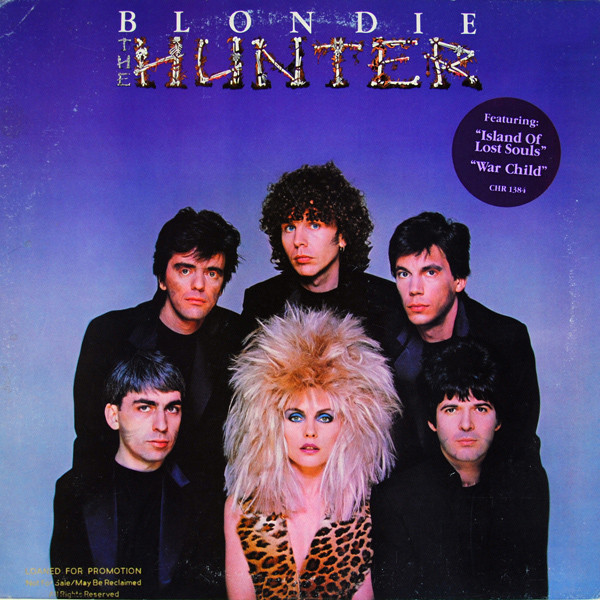
The Hunter
1982
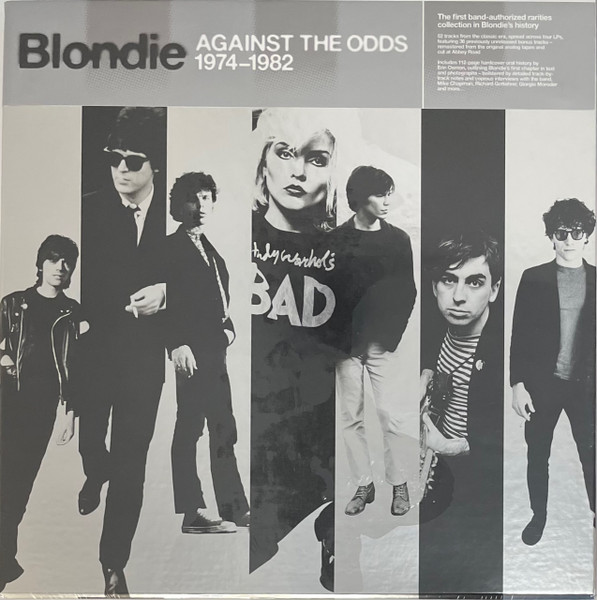
Against The Odds 1974-1982
2022
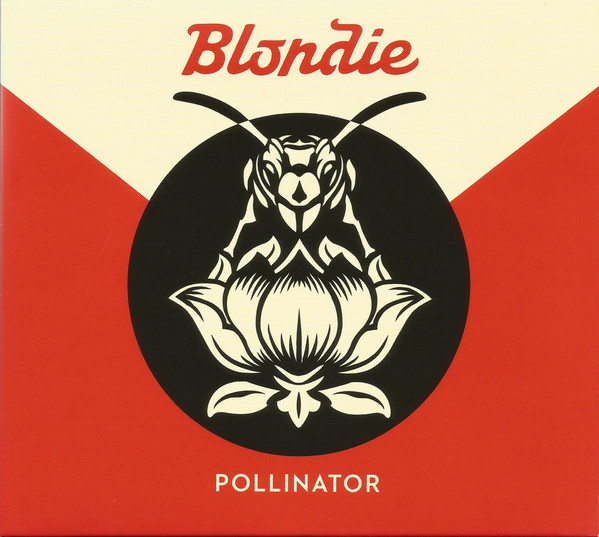
Pollinator
2017

Greatest Hits
2002
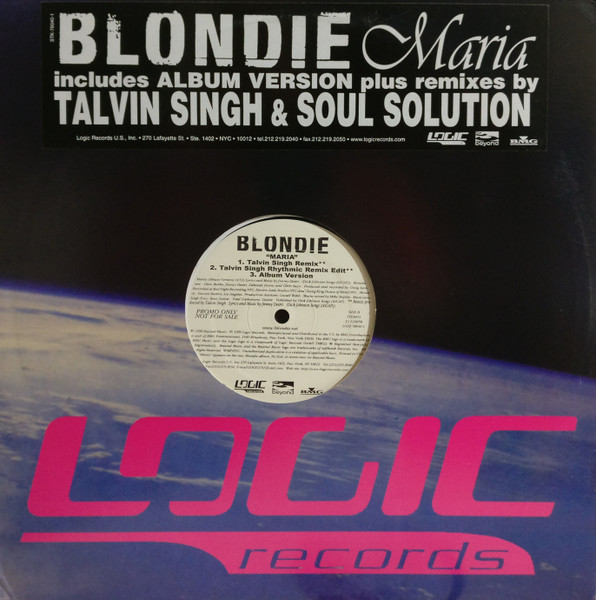
Maria
1999
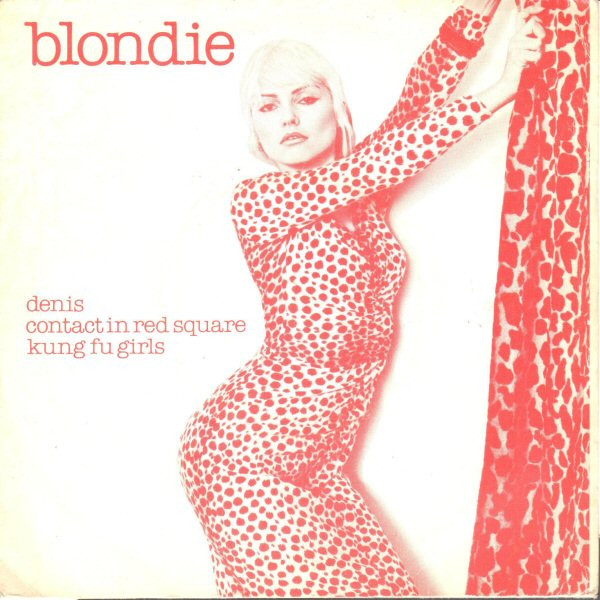
Denis
1978

No Exit
1999
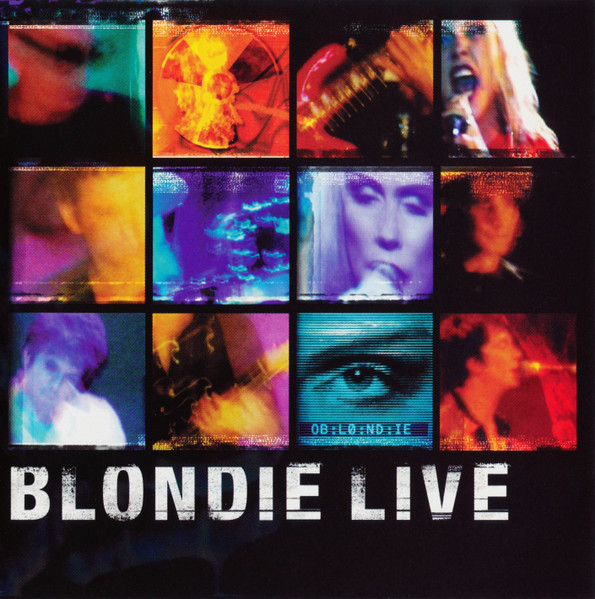
Live
1999

Dreaming
1979
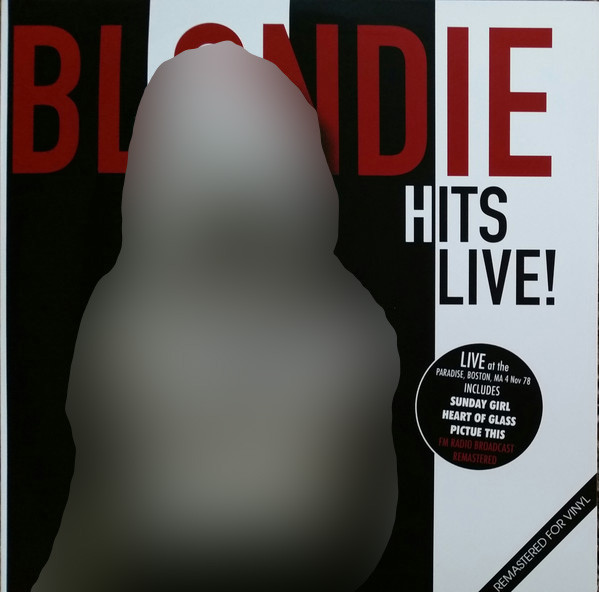
Hits Live!
2017
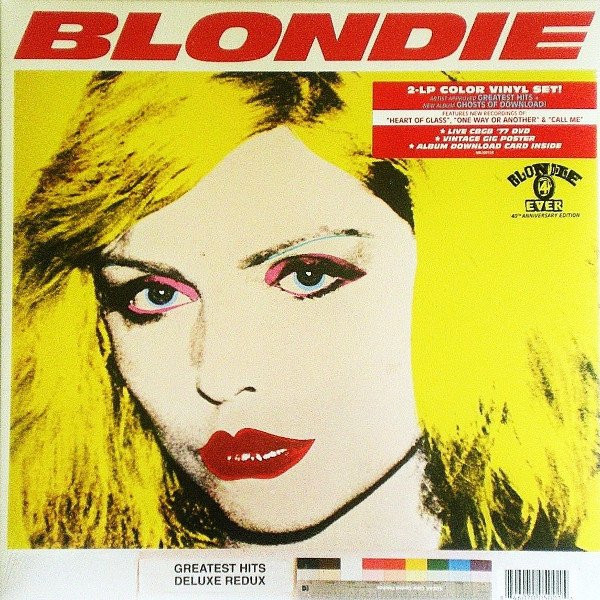
Greatest Hits: Deluxe Redux / Ghosts Of Download
2014
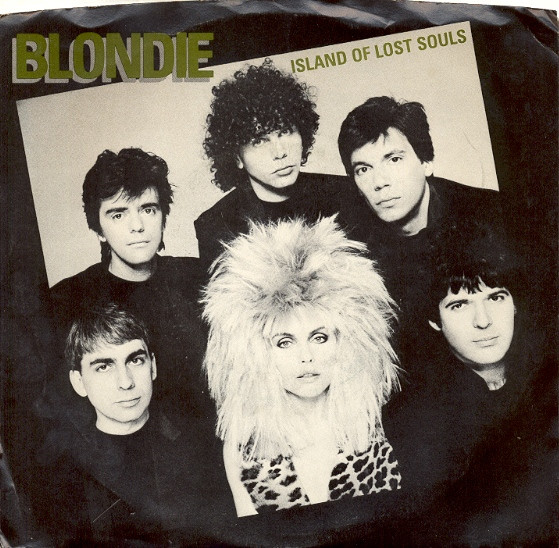
Island Of Lost Souls
1982
Related artists
Members
Frequent collaborators
Around the web
Follow every record they touch.
Start your shelf and Gatefold tracks Blondie's new pressings, tour dates, and the whole discography — automatically.
Start your shelf →Free forever. Works with 10 records or 10,000.