
Artist
Belle and Sebastian
Glasgow, United Kingdom · Formed 1996
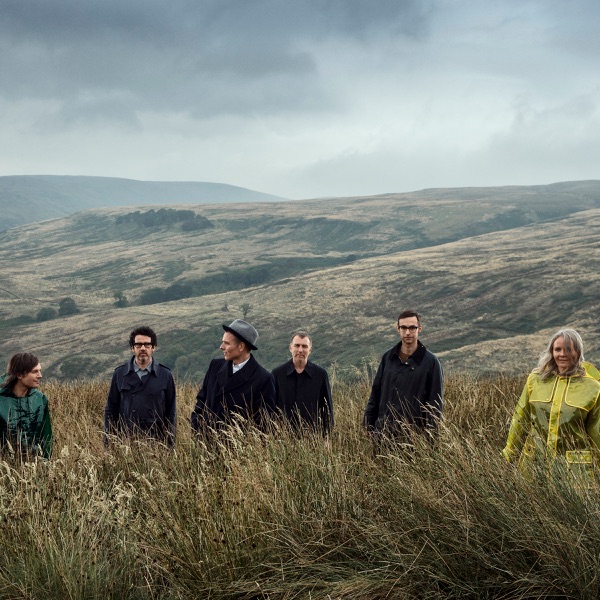
Belle and Sebastian is a music group from Glasgow, United Kingdom, active since 1996. Their discography on Gatefold includes 24 records.
28
Albums tracked
324
In collections
1996
Since
Biography
Stuart Murdoch was on government unemployment benefits in Glasgow when he got the green light to record Tigermilk for a college label project. The deal was 1,000 copies of vinyl and nothing else. That first lineup wasn't even a real band yet—just a bunch of people Murdoch recruited from a local cafe and a church hall. They tracked those songs in five days because that’s all the time the school gave them. It sounds like it, too. It's fragile, hissy, and sounds like it might collapse if you turn the volume up too high. By the time they hit the C86-revival peak with If You're Feeling Sinister, they were the most secretive band in Britain. They didn't do press photos. They didn't do interviews. They just let the mythology of the Glasgow scene do the heavy lifting while the Jeepster label tried to figure out how to market a band that refused to show its face. The departure of Isobel Campbell and Stuart David later on stripped away that precious, chamber-pop symmetry, forcing them to actually become a touring rock band rather than a reclusive art collective.
Bio from The Clerk
The Arc of Belle and Sebastian
The pivots — what forced Belle and Sebastian to reinvent.
The Jeepster Enigma
Murdoch and his revolving door of Glasgow students recorded their first three albums with almost zero outside interference or commercial ambition. They worked almost exclusively with producer Tony Doogan to capture a hushed, literary sound that felt like a private conversation. The lack of promotion turned the band into a cult phenomenon, where the music was inseparable from the mystery of the people making it. You hear it in the way the cello and flute arrangements aren't polished—they're just there to serve the lyric.
The Trevor Horn Shine
Everything changed in 2003 when they jumped to Rough Trade and hired Trevor Horn—the man who polished Yes and Frankie Goes to Hollywood—to produce Dear Catastrophe Waitress. It was a calculated move to kill the 'twee' label once and for all. Horn pushed the drums to the front of the mix and demanded professional takes that the band had never bothered with before. The result was a high-fidelity pop record that traded the lo-fi charm for Thin Lizzy guitar harmonies and Motown backbeats.
The Synth-Pop Pivot
After years of being the quintessential indie-folk outfit, the band headed to Atlanta in 2014 to work with Ben H. Allen, a guy known for his work with Gnarls Barkley and Animal Collective. They ditched the acoustic guitars for Roland synths and disco grooves on Girls in Peacetime Want to Dance. This wasn't just a slight shift; it was a full-blown embrace of the dancefloor that polarized the fans who still wanted 1996. The production became glossy and rhythmic, proving they were tired of being the band you only listened to while it rained.
Influences
- The Velvet Underground — Murdoch has explicitly cited the 'After Hours' vocal style of Maureen Tucker as the blueprint for his early delivery. You hear it in the deadpan, unadorned honesty of the Tigermilk tracks. It's that specific New York minimalism transplanted to a rainy Scottish basement.
- Nick Drake — The band covered 'Pink Moon' during their early sessions and channeled his hushed, finger-picked vulnerability across their first two LPs. The way Sarah Martin’s flute lines weave through the acoustic arrangements is a direct nod to Robert Kirby’s orchestrations for Drake. It’s folk music for people who don’t like the outdoors.
- Love — Arthur Lee's Forever Changes is the DNA for the band's brass and string flourishes. The trumpet parts on 'The Boy Done Wrong Again' are a straight lift from the baroque-pop sensibilities of the 1967 Los Angeles scene. They traded the psychedelia for Glasgow grit but kept the horn charts.
- Felt — Lawrence’s obsession with clean, interlocking guitar lines and short, punchy album runtimes heavily dictated the band’s aesthetic. Stevie Jackson’s guitar work often mirrors the jangle-pop precision found on The Strange Idol's Pattern and Other Short Stories. It’s the sound of being too smart for your own good.
- The Left Banke — The 'Baroque Pop' tag gets thrown at them because of 'Walk Away Renée' and the way that band used classical instrumentation in a pop context. Murdoch’s songwriting often mimics their structure, using harpsichords and woodwinds to dress up what are essentially simple teenage heartbreaks. It’s all about the drama in the arrangement.
Discography
Their records — most-collected first.
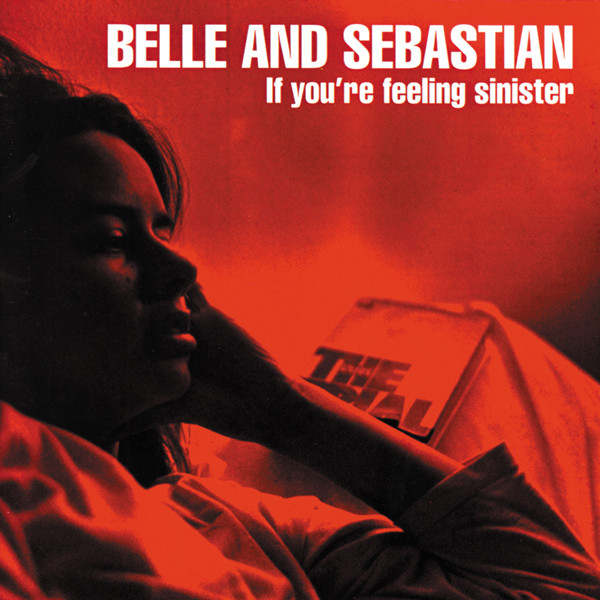
If You're Feeling Sinister
1996

The Boy With The Arab Strap
1998

Tigermilk
1996
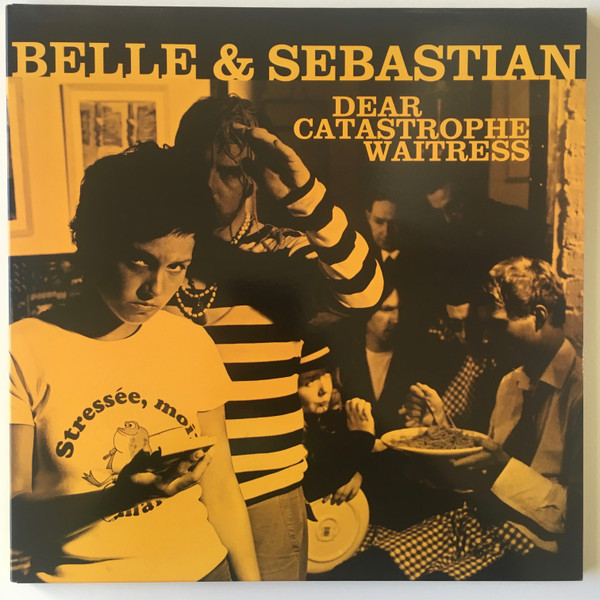
Dear Catastrophe Waitress
2003
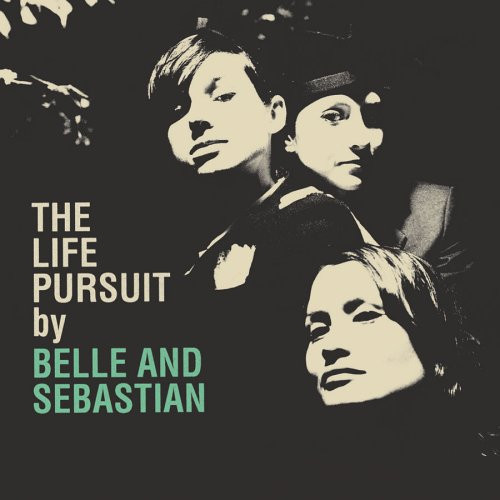
The Life Pursuit
2006

Fold Your Hands Child, You Walk Like A Peasant
2000
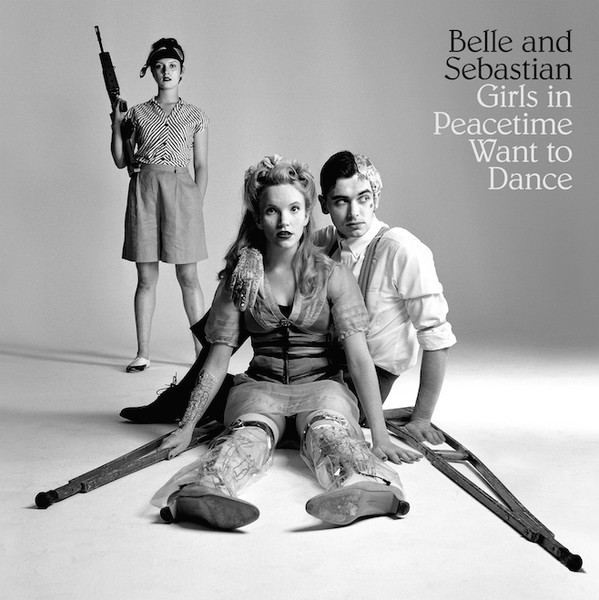
Girls In Peacetime Want To Dance
2015
Push Barman To Open Old Wounds
2005
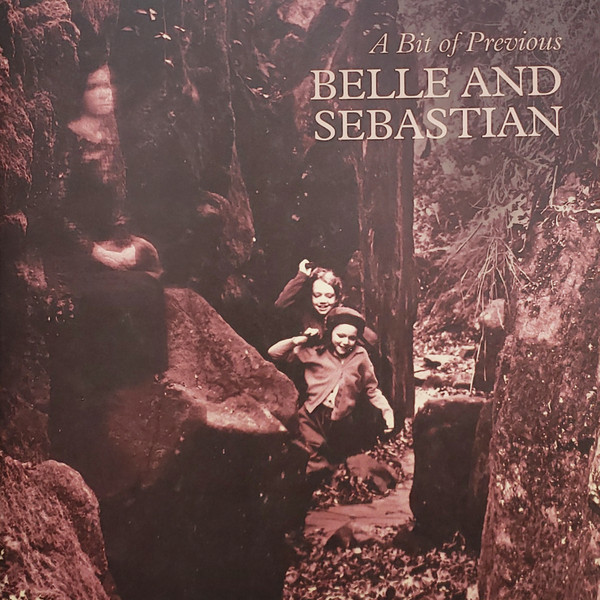
A Bit Of Previous
2022
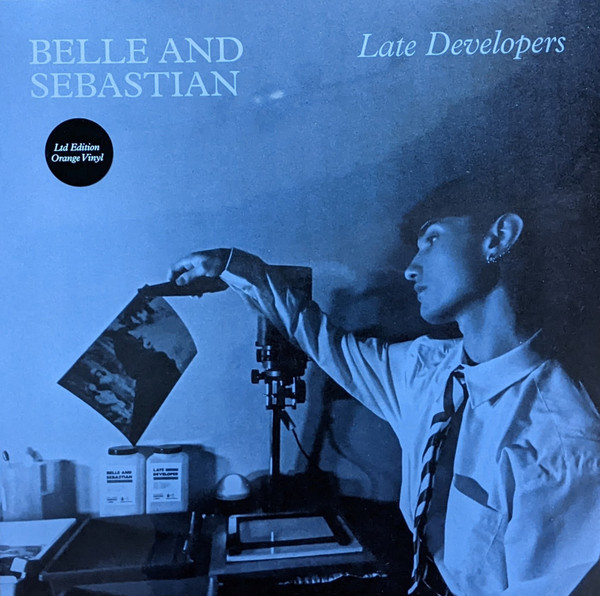
Late Developers
2023

What To Look For In Summer
2020
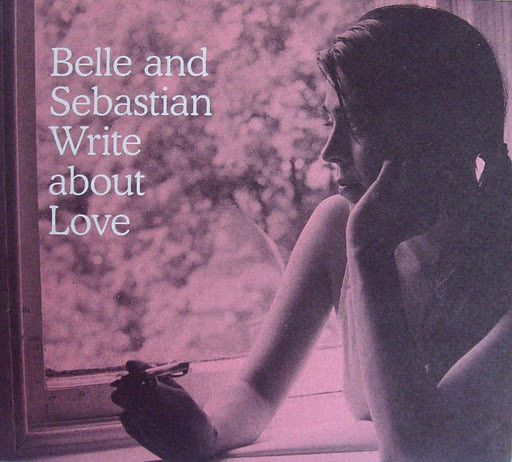
Write About Love
2010
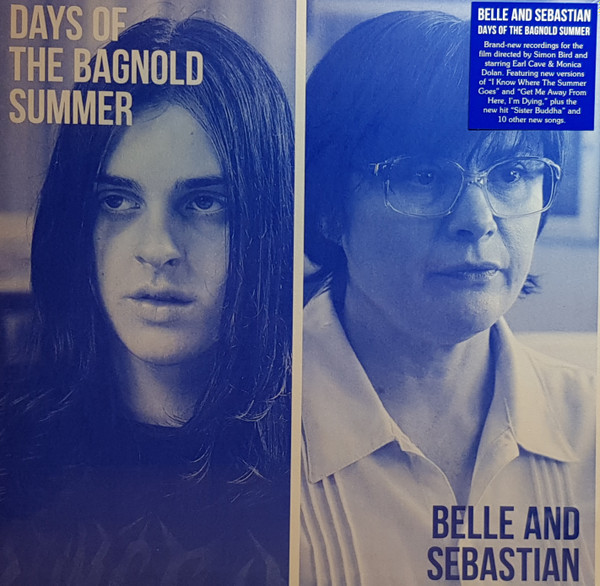
Days Of The Bagnold Summer
2019

The Blues Are Still Blue
2006

How To Solve Our Human Problems
2018

The BBC Sessions
2008
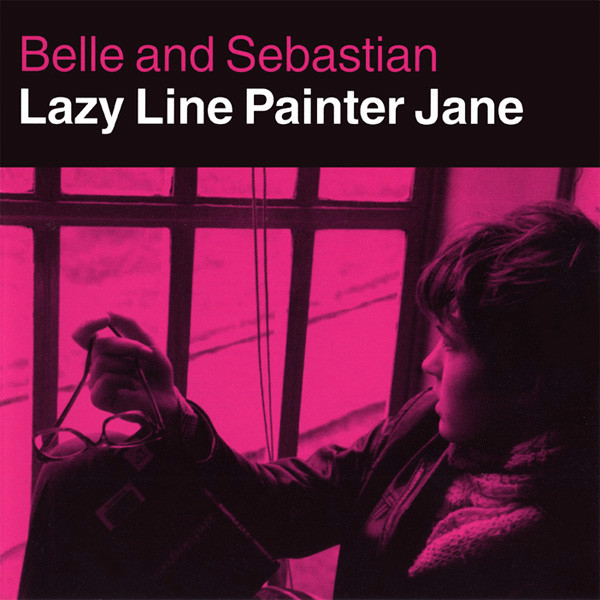
Lazy Line Painter Jane
1997
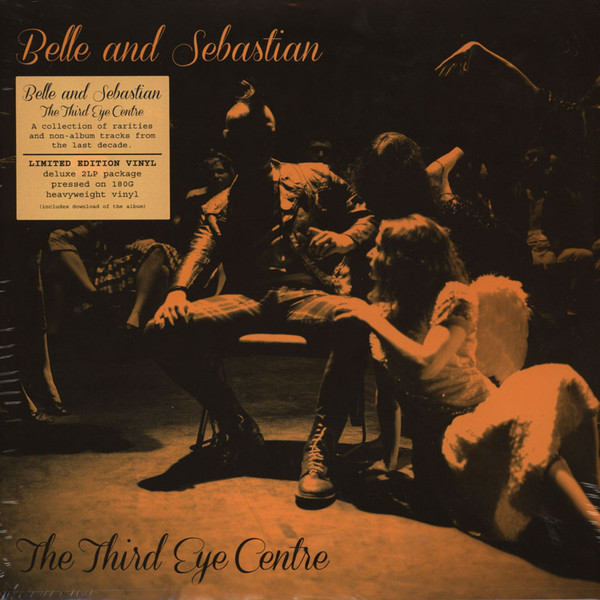
The Third Eye Centre
2013

Funny Little Frog
2006

The White Collar Boy
2006
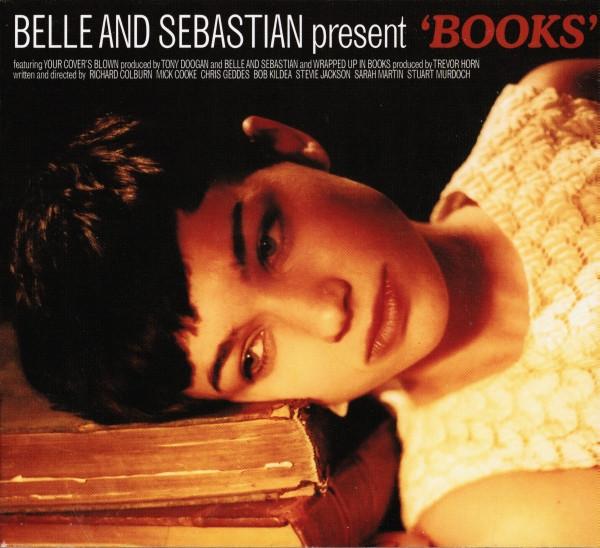
Books
2004

Legal Man
2000
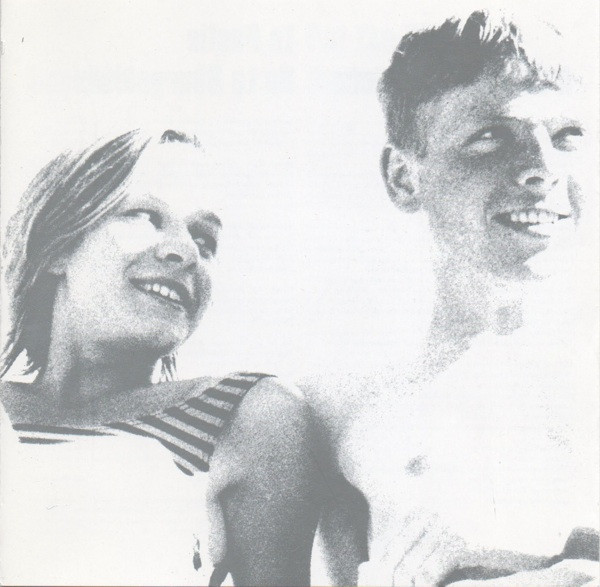
3.. 6.. 9 Seconds Of Light
1997

I'm A Cuckoo
2004
Related artists
Around the web
Follow every record they touch.
Start your shelf and Gatefold tracks Belle and Sebastian's new pressings, tour dates, and the whole discography — automatically.
Start your shelf →Free forever. Works with 10 records or 10,000.