
Artist
Beastie Boys
New York City, United States · 1979 – 2014
Beastie Boys is a music group from New York City, United States, active 1979–2014. Their discography on Gatefold includes 24 records.

47
Albums tracked
1,210
In collections
1979
Since
Biography
They started as a snotty hardcore band playing to empty rooms in CBGB before Rick Rubin dragged them into a studio, handed them a 808 drum machine, and told them to act like complete assholes. That frat-boy rap shtick on Licensed to Ill sold millions of copies but almost ruined them creatively. They had to flee New York, sue Def Jam, and completely reinvent themselves on the West Coast just to escape the monster they created. What saved them was locking themselves in a house in Los Angeles with the Dust Brothers and a massive pile of obscure vinyl. Instead of relying on Rick Rubin's heavy metal guitar loops, they built a dense, psychedelic collage of samples that changed hip-hop production forever. They went from punchlines to absolute crate-digging royalty because they stopped trying to please the radio and started playing their own instruments again.
Bio from The Clerk
The Arc of Beastie Boys
The pivots — what forced Beastie Boys to reinvent.
The Def Jam Frat-Rap Explosion
Rick Rubin pushed the group away from their punk roots by pairing heavy Run-D.M.C. style drum beats with classic rock guitar riffs. The transition was defined by cheap beer, juvenile jokes, and massive commercial success that quickly turned into a creative trap. You hear the transition clearly on Rock Hard, where they sampled AC/DC without permission and got sued into oblivion.
The Dust Brothers Sampling Masterclass
Fleeing the Def Jam contract dispute, the trio relocated to Los Angeles and teamed up with production duo the Dust Brothers. They abandoned traditional song structures to build dense, multi-layered sample collages using everything from Johnny Ryall to Sly and the Family Stone. The resulting album, Paul's Boutique, was a commercial flop upon release but became a holy grail for crate diggers.
The G-Son Basement Jam Era
The band built their own G-Son studio in Atwater Village, set up a basketball hoop, and picked up their physical instruments for the first time in a decade. Producer Mario Caldato Jr. captured their raw, live punk-funk jams alongside heavy hip-hop breakbeats. The sound on Check Your Head was defined by distorted vocals, fuzz bass, and Money Mark's greasy Hammond organ grooves.
Influences
- Bad Brains — Before the rap transition, the group was a hardcore punk band modeled directly after these DC legends. You hear the blistering speed and raw aggression on the 1982 Polly Wog Stew EP. MCA openly credited bassist Darryl Jenifer with teaching him how to play the instrument.
- Run-D.M.C. — The group shared management under Russell Simmons and toured as the opening act on the 1985 Raising Hell tour. The aggressive, stripped-down vocal delivery on Licensed to Ill is a direct copy of the Run-D.M.C. call-and-response style. They even shared songwriting credits on early singles.
- The Clash — The punk-to-hip-hop bridge was built on a shared appreciation for dub and reggae. The Beasties covered 'Brand New Cadillac' live and sampled 'The Magnificent Seven' heavily in their early DJ sets. That attitude of genre-smashing is the blueprint for their entire career.
- Sly and the Family Stone — The group sampled 'Into My Own Thing' and 'Loose Booty' to construct the dense funk foundations of Paul's Boutique. You hear the influence in the way they traded lead vocals like a collective rather than a traditional group. It shaped their transition back to playing live instruments.
- Led Zeppelin — Rick Rubin used John Bonham's massive drum beats to give the trio their heaviest rap tracks. 'Rhymin & Stealin' famously loops the drum intro from 'When the Levee Breaks' alongside Black Sabbath guitar riffs. It established the rap-rock template that defined their early career.
Discography
Their records — most-collected first.
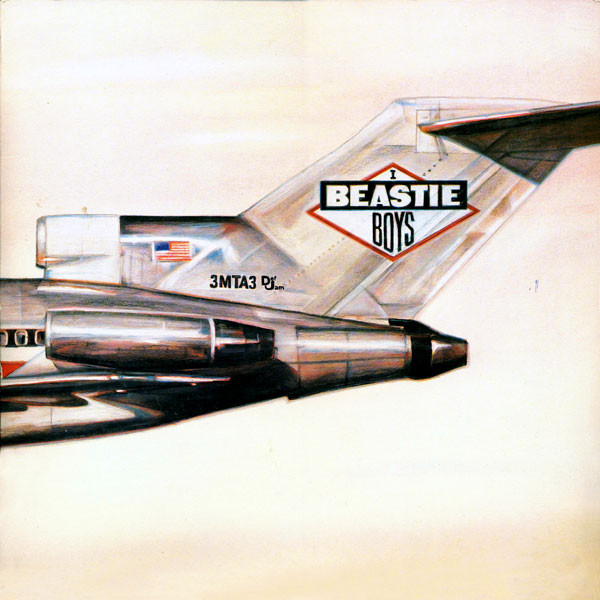
Licensed To Ill
1986
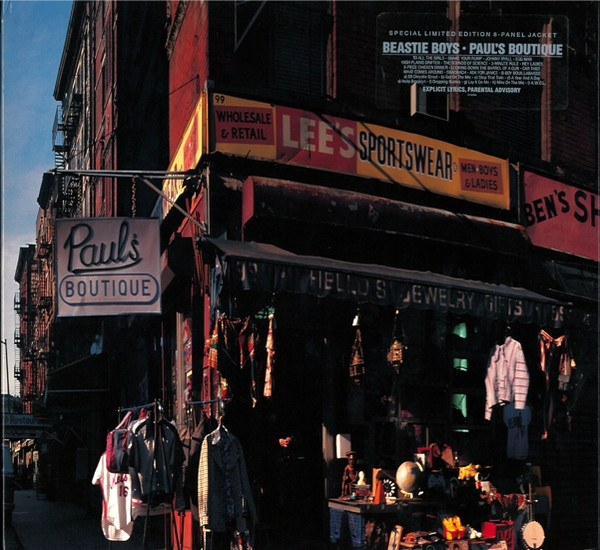
Paul's Boutique
1989
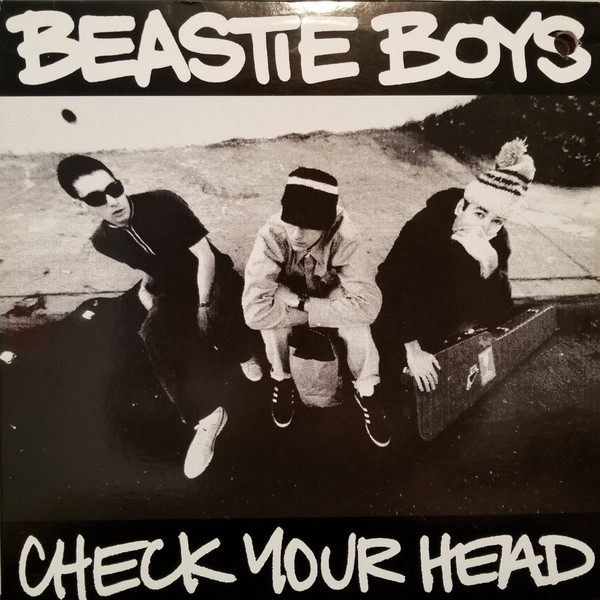
Check Your Head
1992
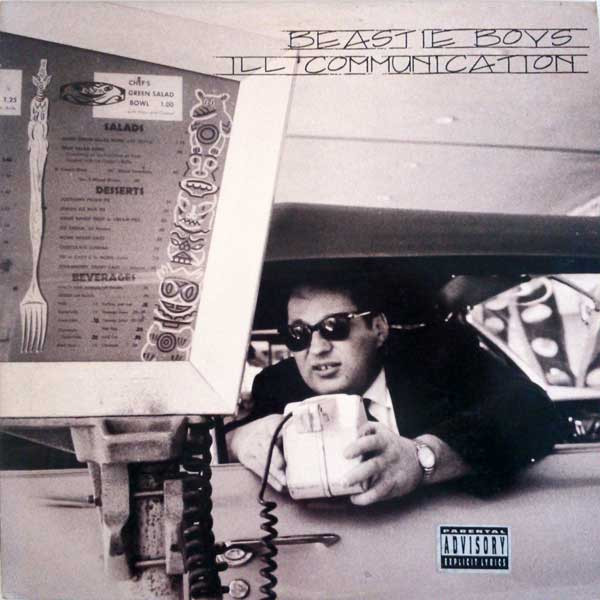
Ill Communication
1994
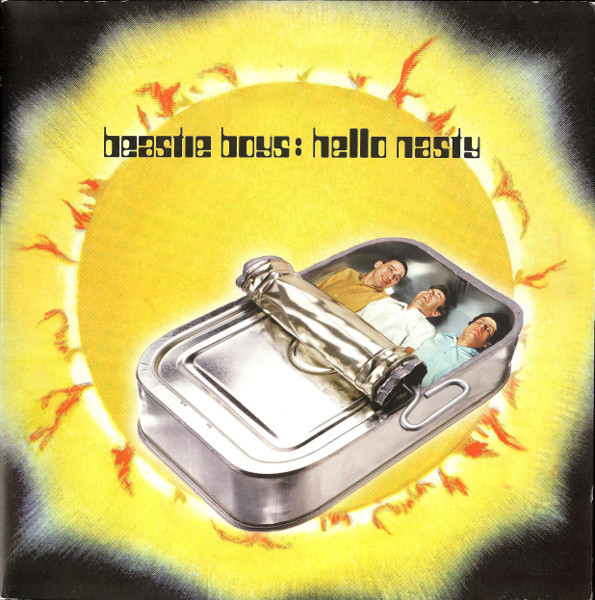
Hello Nasty
1998
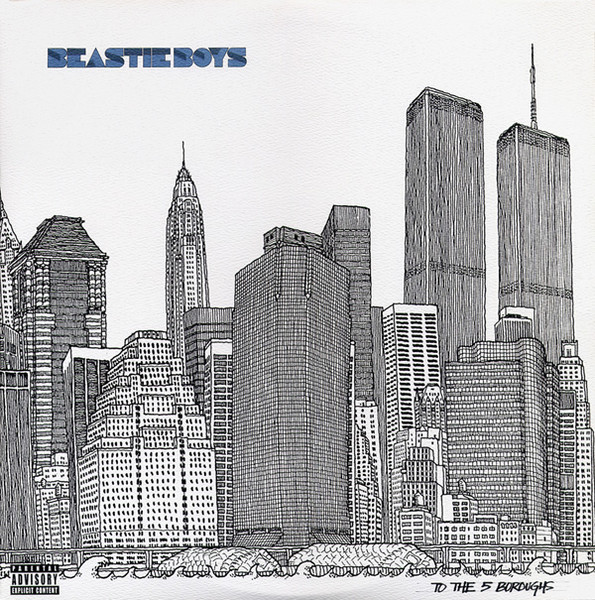
To The 5 Boroughs
2004

Hotsaucecommitteeparttwo
2011

The In Sound From Way Out!
1996
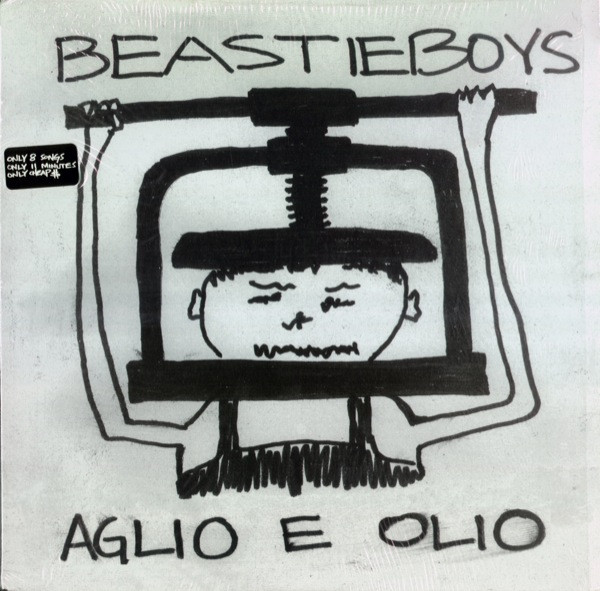
Aglio E Olio
1995
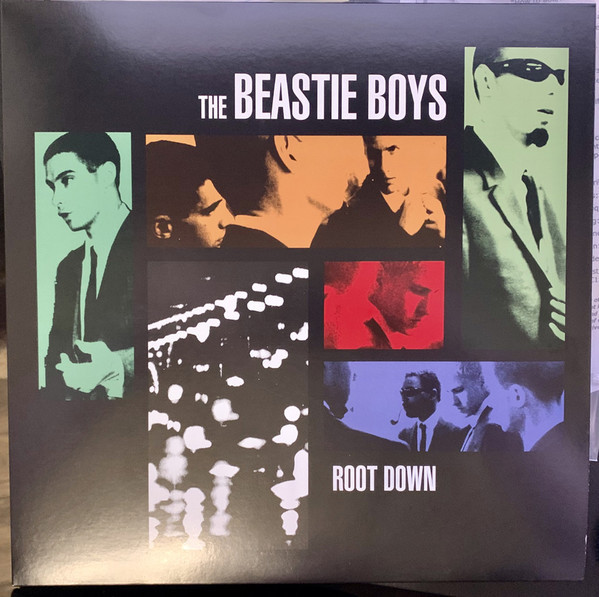
Root Down
1995

Solid Gold Hits
2005
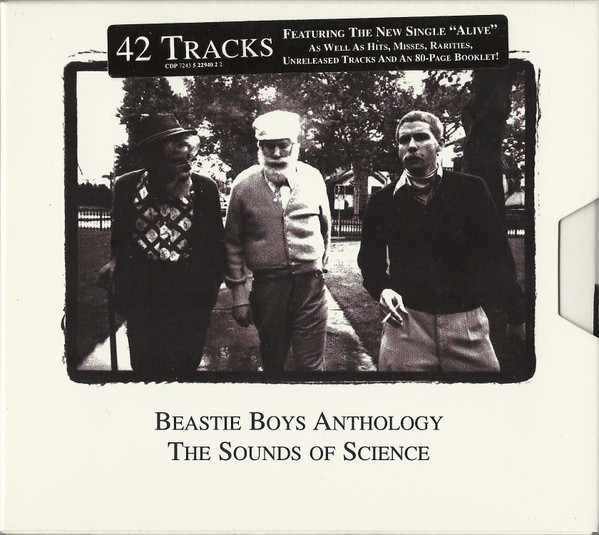
Anthology: The Sounds Of Science
1999
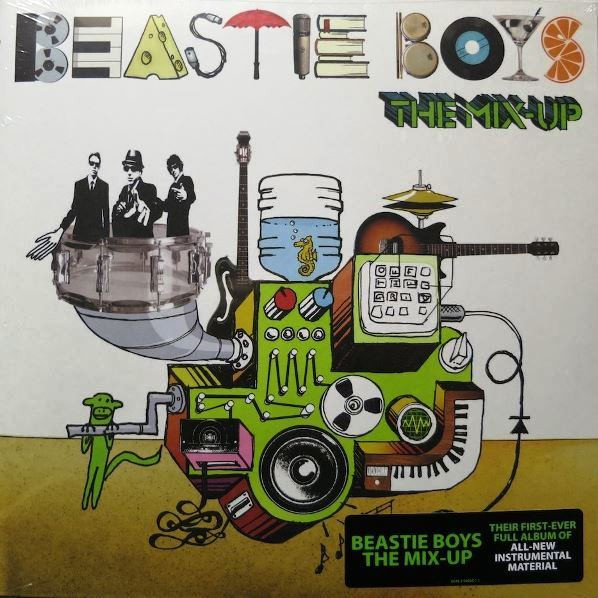
The Mix-Up
2007

Some Old Bullshit
1994
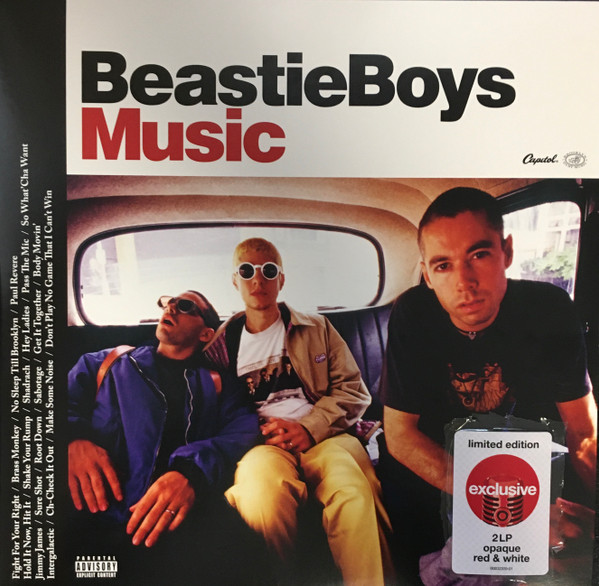
Beastie Boys Music
2020
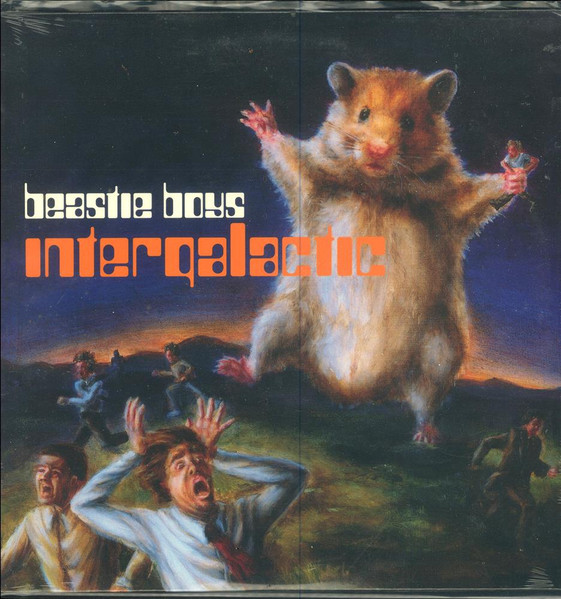
Intergalactic
1998

Sure Shot
1994

Love American Style EP
1989
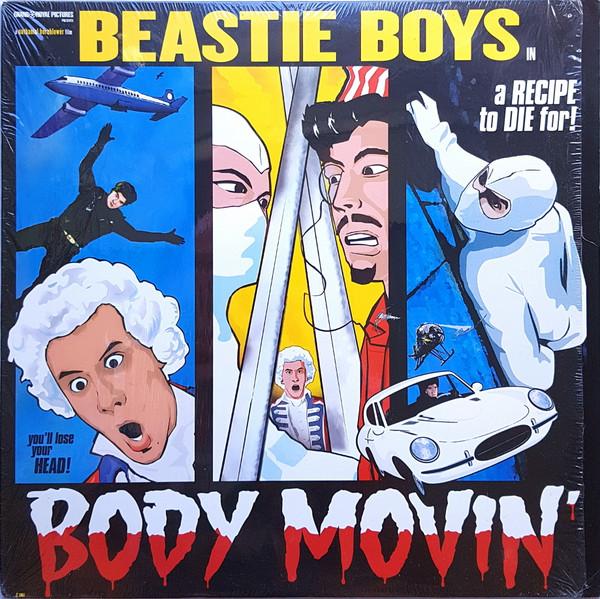
Body Movin'
1999
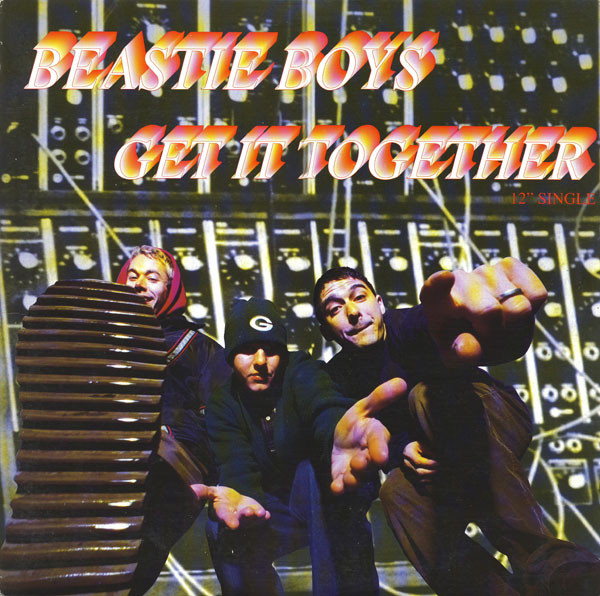
Get It Together
1994

She's On It
1985
Awesome - I Fuckin' Shot That!
2006
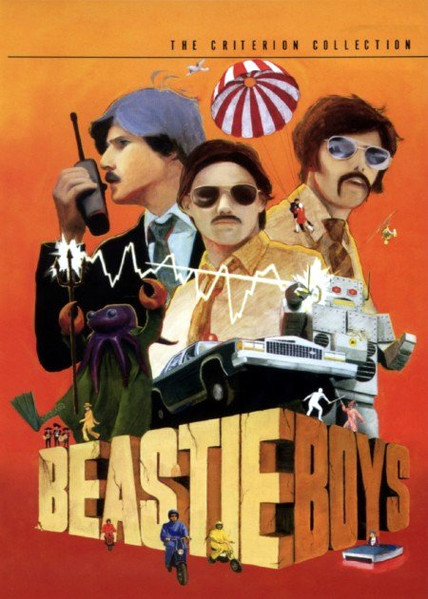
Video Anthology
2000
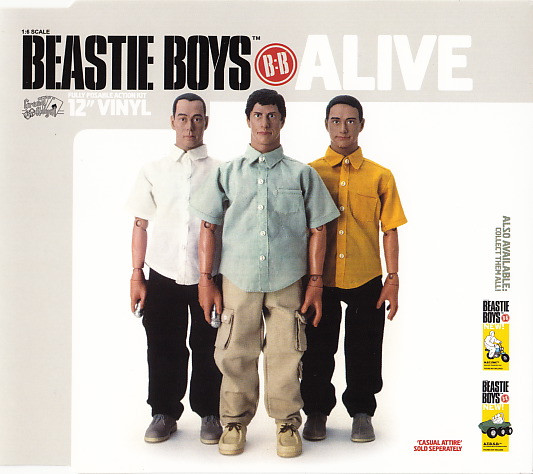
Alive
1999
Related artists
Members
Frequent collaborators
Around the web
Follow every record they touch.
Start your shelf and Gatefold tracks Beastie Boys's new pressings, tour dates, and the whole discography — automatically.
Start your shelf →Free forever. Works with 10 records or 10,000.