
Artist
Joe Henderson
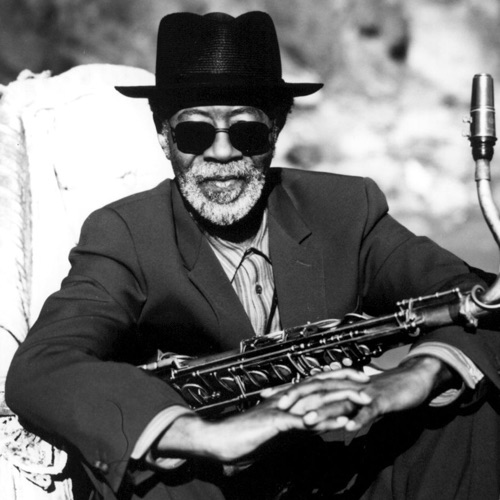
US jazz tenor saxophonist
Lima, United States · 1937 – 2001
Joe Henderson is a musician from Lima, United States, active 1937–2001. Their discography on Gatefold includes 24 records. They also recorded with Blood, Sweat & Tears and McCoy Tyner Quartet.
52
Albums tracked
335
In collections
1937
Since
Biography
Kenny Dorham knew what was up when he brought a twenty-six-year-old Joe Henderson into Englewood Cliffs in 1963 to record Una Mas. Joe wasn't some soft-toned traditionalist or a screaming avant-garde copycat. He arrived with a fully formed, gritty tenor tone that sounded like he'd been chewing on gravel and velvet. When Alfred Lion signed him to Blue Note off that session, it launched one of the most ridiculous runs of the decade, both as a leader and as the ultimate secret weapon for guys like Lee Morgan, Andrew Hill, and Herbie Hancock. Then the seventies hit, and things got weird. He left the Blue Note safety net, moved to San Francisco, and signed with Milestone, where he started plugging his horn into effects pedals and messing with overdubbed multi-instrumental setups. A lot of purists completely lost their minds, but Joe didn't care. He was chasing a heavy, politically charged fusion of modal jazz and electronics that most people didn't catch up to for another thirty years. When the major labels finally came back sniffing around in the nineties, he didn't coast on past glory. He just played the standards with the same razor-sharp, off-kilter phrasing he used back in the sixties, proving the suits were the ones who had lost their way, not him.
Bio from The Clerk
The Arc of Joe Henderson
The pivots — what forced Joe Henderson to reinvent.
The Blue Note Workhorse
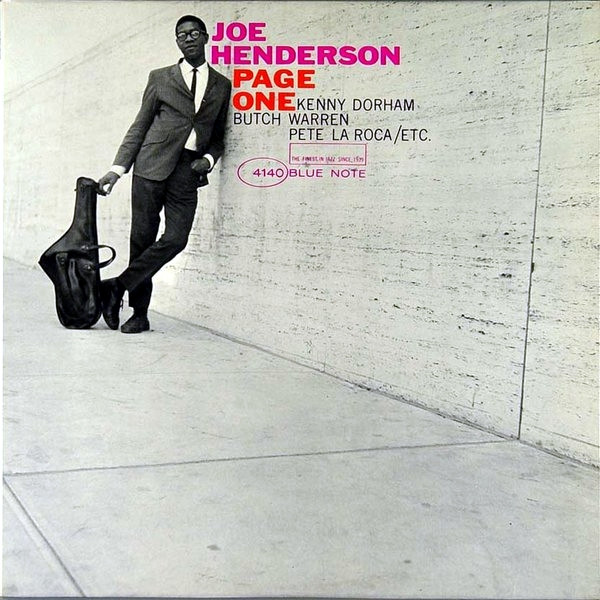
From 1963 to 1966, Henderson practically lived at Rudy Van Gelder's studio, cutting absolute monster sessions like Page One and Inner Urge. He was Alfred Lion's go-to guy because he could bridge the gap between hard bop muscle and the emerging post-bop avant-garde without breaking a sweat. You hear it in his interaction with McCoy Tyner and Elvin Jones, where his inside-outside lines cut right through the rhythm section's massive wall of sound. He wasn't just a player during this run. He was the literal architecture of the mid-sixties Blue Note sound.
The Milestone Electronic Experiments
By 1969, the acoustic jazz market was cratering, and Henderson pivoted hard by leaning into electronic studio production and Afrocentric modal fusion on the Milestone label. He brought in electric keyboards, plugged his tenor into a Maestro echoplex on albums like Multiple, and started overdubbing himself on flute and soprano sax. The crowning achievement of this trip was 1974's The Elements, where Alice Coltrane's harp and Michael White's violin turned his compositions into cosmic, psychedelic meditations. It was a massive departure from the hard bop bins, trading tight structures for dense, swirling layers of sound.
The Verve Late-Career Renaissance
After spending the eighties mostly gigging on the international circuit and recording for smaller European and Japanese labels, Verve producer Richard Seidel signed him for a major-label comeback starting with 1992's Lush Life. Instead of chasing modern production trends, the label put him in focused, thematic settings dedicated to composers like Billy Strayhorn and Antonio Carlos Jobim. It worked perfectly because his tone had grown even darker and more enigmatic over the decades. The records sold like crazy, won Grammys, and put an aging master right back at the center of the acoustic jazz conversation.
Influences
- Lester Young — Henderson frequently cited Young's horizontal approach to improvisation as the foundation of his own melodic logic. You can hear this influence in Joe's ability to construct long, relaxed, singing phrases even over incredibly fast tempos, prioritizing storytelling over pure technical display.
- Coleman Hawkins — The big, muscular tenor sound that Henderson deployed on his early Blue Note sessions directly traces its lineage back to Hawkins's robust tone. On tracks like 'Homestretch' from Page One, Henderson's aggressive attack and rich lower register carry the exact same weight Hawkins brought to the instrument in the thirties.
- John Coltrane — While Henderson avoided copying Coltrane directly, he studied Coltrane's early sixties modal innovations intensely to develop his own complex harmonic substitutions. The influence is unmistakable on Henderson's 'Inner Urge,' where he navigates a dense, restless chord progression with the same frantic, searching energy Coltrane used on 'Giant Steps.'
- Sonny Rollins — Rollins's thematic style of improvising, where a single tiny musical fragment is dissected and rebuilt over several choruses, is a cornerstone of Henderson's soloing strategy. When Joe plays a solo on 'Isotope'—a tune he wrote as a direct tribute to Rollins—you can hear him obsessively chewing on short, rhythmic ideas just like Sonny.
- Charlie Parker — Henderson learned his bebop vocabulary by transcribing Parker's alto saxophone solos note-for-note as a teenager. That quick-footed, chromatic phrasing is baked directly into his finger memory, popping up during his most complex double-time runs on uptempo standards like 'Cherokee.'
Joe Henderson — solo
Their records — most-collected first.
Page One
1963

Inner Urge
1966
Mode For Joe
1966
Power To The People
1969

Multiple
1973
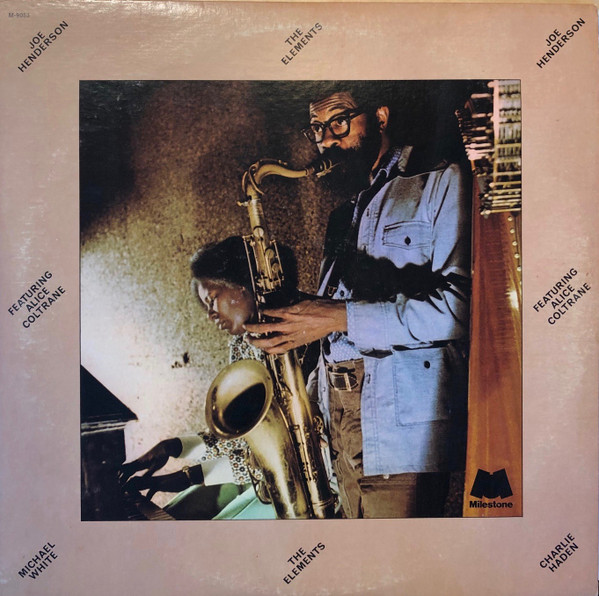
The Elements
1974

Tetragon
1968

Our Thing
1964
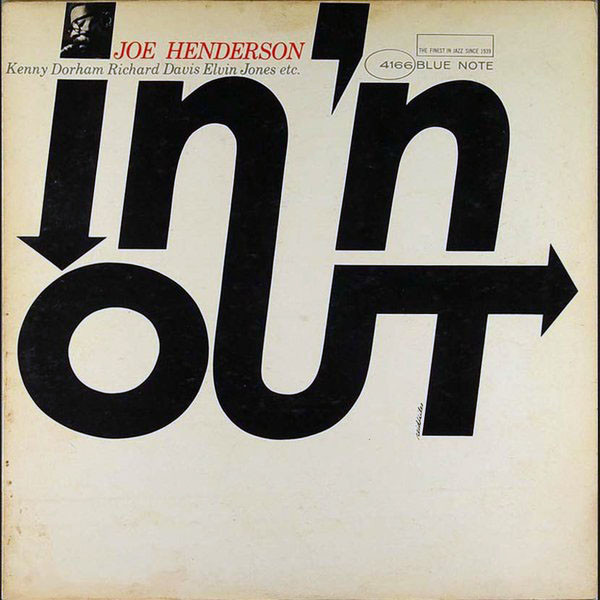
In 'N Out
1965

The State Of The Tenor • Live At The Village Vanguard • Volume 1
1986

Mirror, Mirror
1980
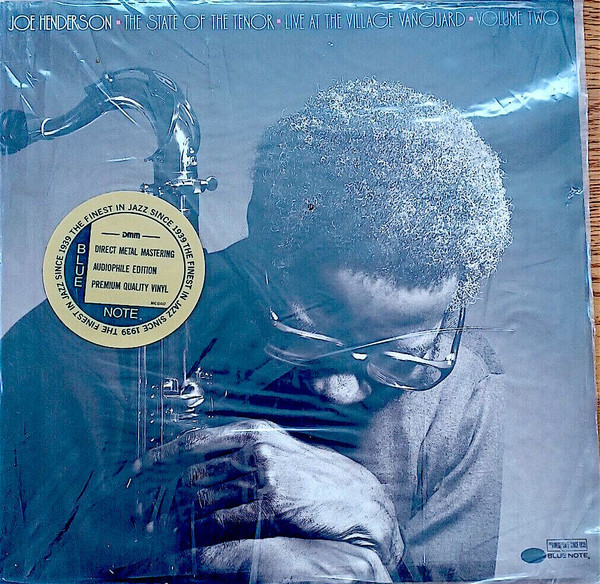
The State Of The Tenor • Live At The Village Vanguard • Volume Two
1987

Lush Life (The Music Of Billy Strayhorn)

Consonance: Live At The Jazz Showcase
2026

Porgy & Bess
1997
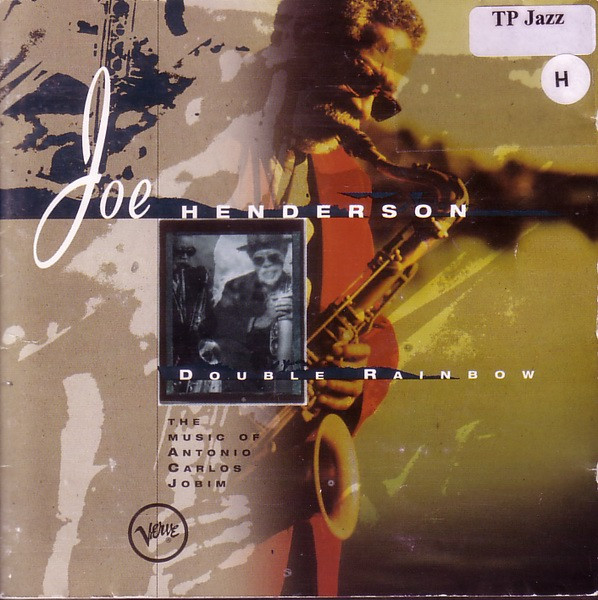
Double Rainbow - The Music Of Antonio Carlos Jobim
1995

So Near, So Far (Musings For Miles)
1993

Ballads & Blues
1997
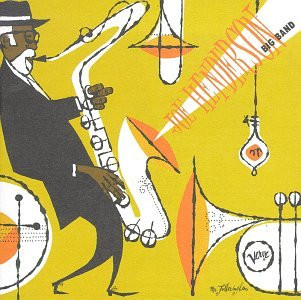
Big Band
1996
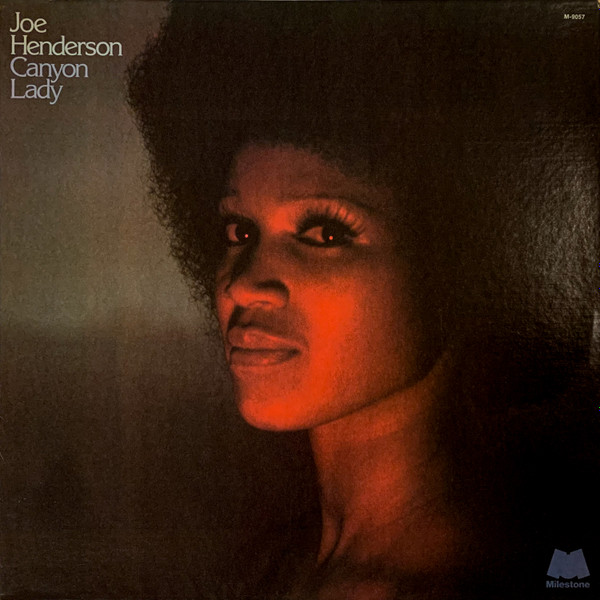
Canyon Lady
1975
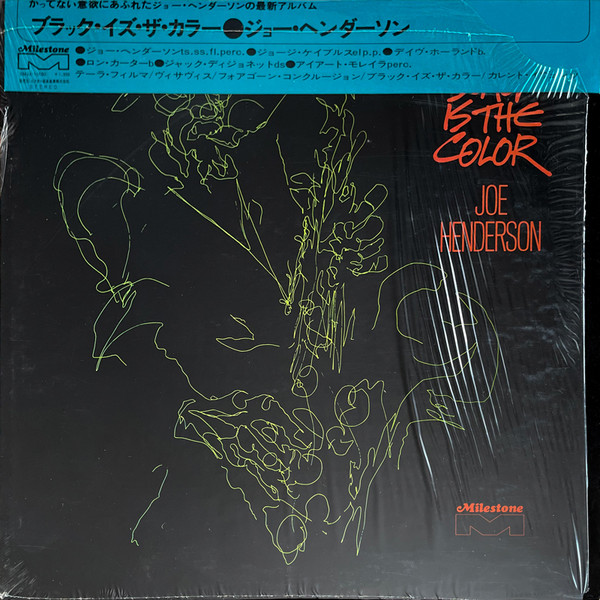
Black Is The Color
1972
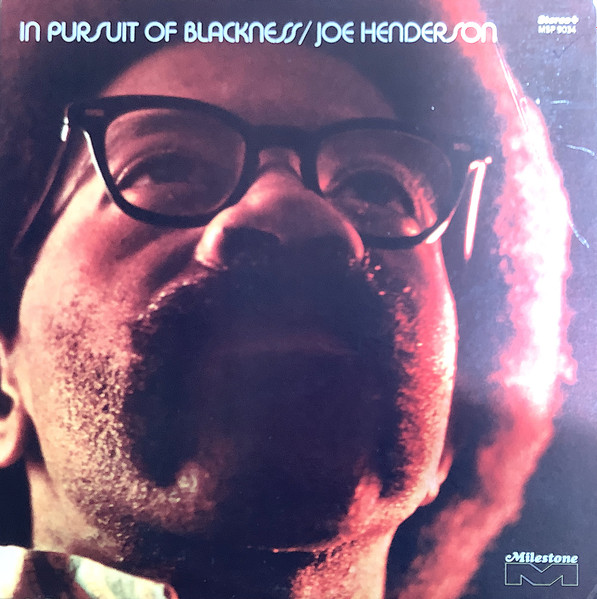
In Pursuit Of Blackness
1971

5 Original Albums
2016

Milestone Profiles
2006
Blood, Sweat & Tears
A project Joe Henderson was part of. Former member.
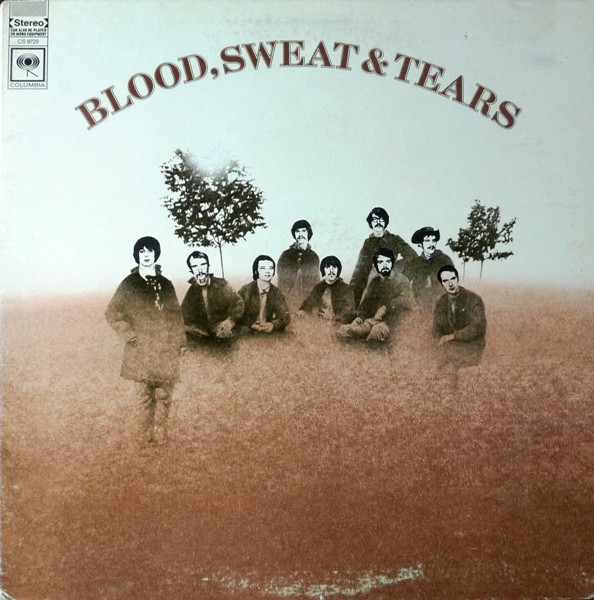
Blood, Sweat And Tears
1969
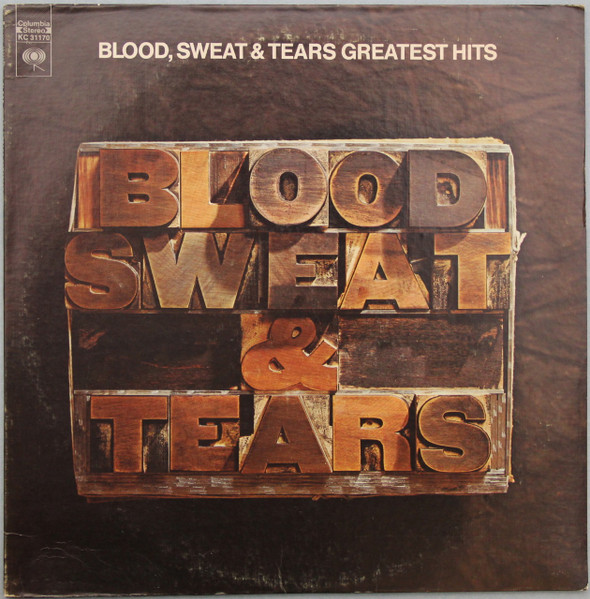
Blood, Sweat & Tears Greatest Hits
1972

Blood, Sweat & Tears 3
1970
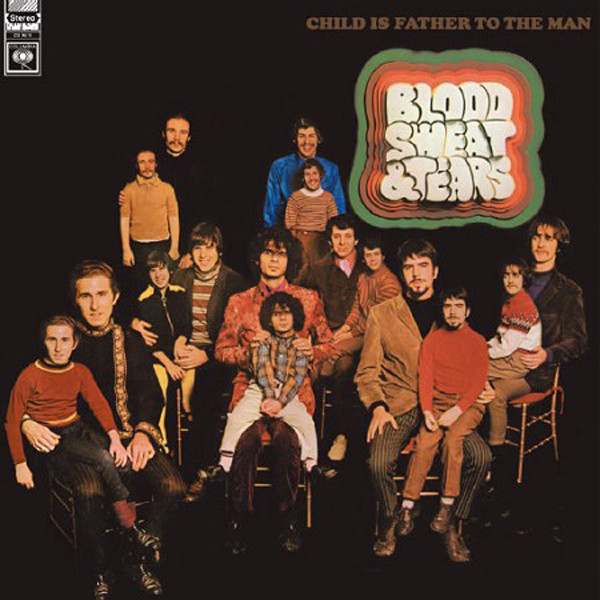
Child Is Father To The Man
1968
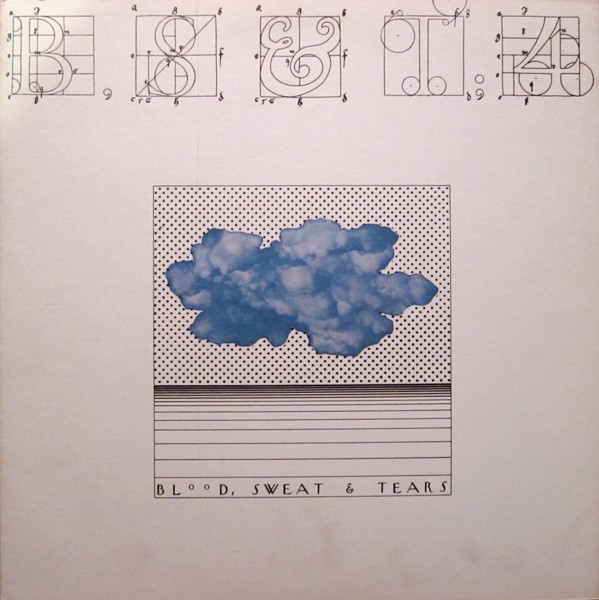
B, S & T 4
1971

New Blood
1972
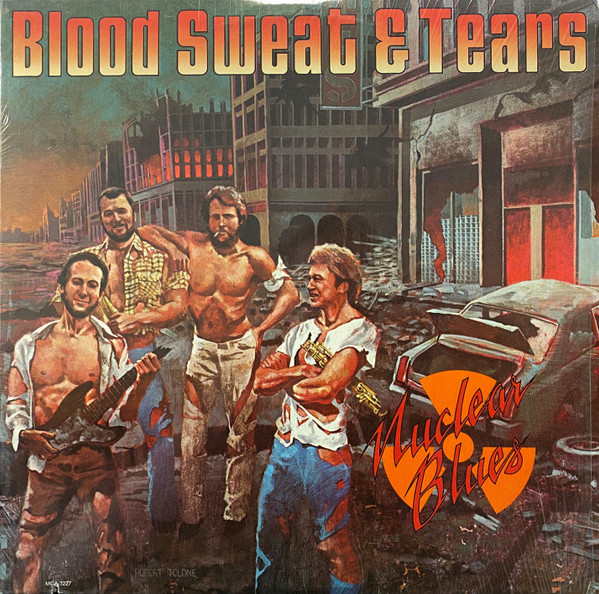
Nuclear Blues
1980
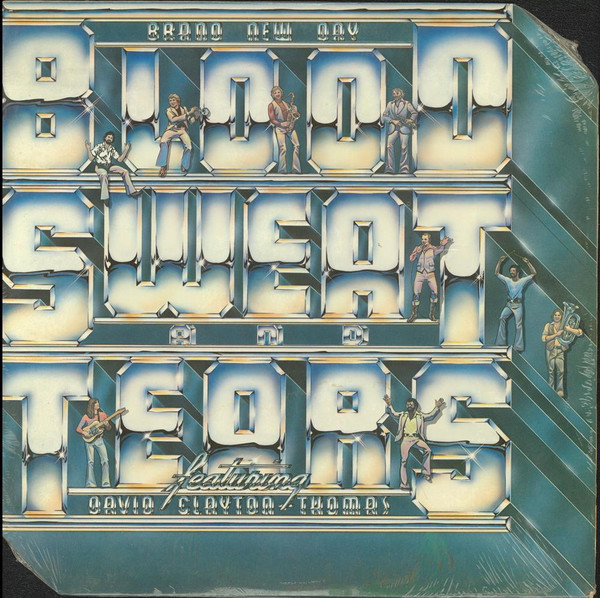
Brand New Day
1977
You've Made Me So Very Happy
1969
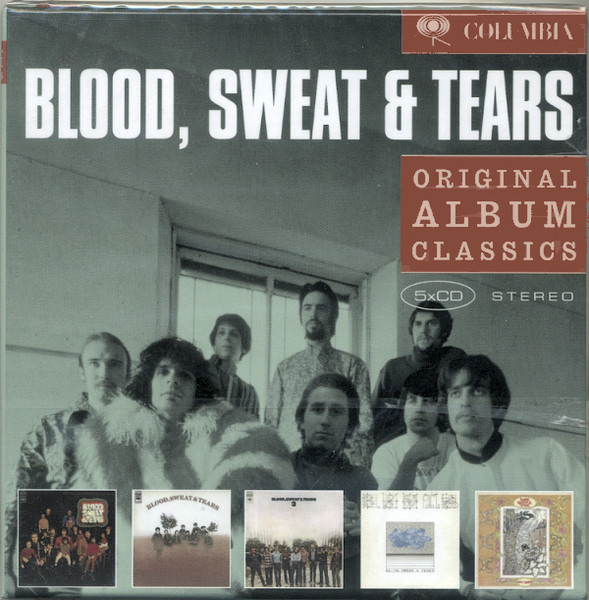
Original Album Classics
2009

Spinning Wheel - The Best Of Blood, Sweat & Tears
2007

Mirror Image
1974

Bloodlines
2017

Playlist: The Very Best Of Blood, Sweat & Tears
2014

Found Treasures
1982

Highlights
McCoy Tyner Quartet
A project Joe Henderson was part of.

Related artists
More projects
Around the web
Follow every record they touch.
Start your shelf and Gatefold tracks Joe Henderson's new pressings, tour dates, and the whole discography — automatically.
Start your shelf →Free forever. Works with 10 records or 10,000.