
Artist
Alain Chamfort
11th arrondissement of Paris, France · b. 1949
Alain Chamfort is a musician from 11th arrondissement of Paris, France, active since 1949. Their discography on Gatefold includes 13 records.

13
Albums tracked
5
In collections
1949
Since
Biography
Claude François basically treated him like a house pet at Flèche Records, forcing him to churn out sugary bubblegum for the teenybopper set. Chamfort had the keyboard chops from his days with Le Système Crapoutchik, but he was trapped in a tailored suit singing fluff while his brain was elsewhere. It was a gold-plated cage that almost killed his credibility before he even hit thirty. He had to burn the whole thing down to survive. Everything changed when he pivoted to Los Angeles and hooked up with the West Coast elite to find a colder, sharper sound. He stopped chasing the charts and started chasing a specific kind of synthetic elegance, trading the cabaret vibes for Roland drum machines and Serge Gainsbourg’s cynical pen. He became the premier dandy of French pop, a guy who could make a mid-life crisis sound like a high-fashion editorial. Even the late-career move to work with Sébastien Tellier proves he’s still looking for the weirdness underneath the polish.
Bio from The Clerk
The Arc of Alain Chamfort
The pivots — what forced Alain Chamfort to reinvent.
The Flèche Puppet Years
Under the iron thumb of Claude François, Chamfort was marketed as a harmless heartthrob on the Flèche label. He was cranking out lightweight hits like 'L'Amour en France' that hid his actual musicality behind layers of orchestral schmaltz. You can hear the frustration in the recordings—perfectly executed pop that feels like it’s wearing a straightjacket. It wasn't until he broke away from the François machine that he started taking the risks that defined him.
The Gainsbourg Shift
The 1979 album Poses marks the moment he traded the bubblegum for a synthesizer and a collaboration with Serge Gainsbourg. Recording in Los Angeles at Sound Lab with top-tier session guys gave him a dry, expensive sound that shifted his entire aesthetic. Gainsbourg provided the bite in the lyrics for 'Manureva,' turning a disco-adjacent track into a dark, haunting massive hit. This era saw him abandon the variety-show circuit for something much more detached and sophisticated.
Amour Année Zéro
By 1981, he was fully leaning into the cold-wave and synth-pop textures of the early eighties. Working again with Gainsbourg but pushing the electronics further, he created a minimalist masterpiece that felt lightyears away from his 1973 debut. The production became more skeletal and the vocals more whispered, leaning into the 'Dandy' persona that would stick for the rest of his life. It was a total rejection of the maximalist French pop tradition in favor of something brittle and modern.
Influences
- The Beatles — Chamfort has cited their melodic structure as his primary education during his early days in the 1960s garage scene with Les Murator. You hear it in his stubborn insistence on clear, catchy hooks even when the arrangements get experimental or electronic. He never lost that British Invasion sense of song craft.
- Jacques Dutronc — Dutronc set the template for the detached, cool-headed French male vocalist that Chamfort eventually adopted after fleeing the Flèche label. The DNA of Dutronc's irony and rhythmic phrasing is all over Chamfort's late-seventies output. It’s that specific 'je m'en foutisme' attitude translated to the synth-pop era.
- Steely Dan — The obsession with high-end studio perfection and West Coast session players during the Poses sessions was a direct result of the standards set by Fagen and Becker. He wanted that air-tight, cynical pop sound that only expensive Los Angeles studios could provide in the late seventies. The precision in the rhythm section on his 1979-1981 records is a dead giveaway.
- Claude François — Though he eventually resented the control, François taught him the brutal mechanics of the pop industry and the discipline of the studio. You don't survive a decade at the top of the French charts without the work ethic François beat into his proteges. It’s the shadow he had to spend the rest of his career running away from.
- Serge Gainsbourg — Gainsbourg wasn't just a collaborator; he was the architect who rebuilt Chamfort's image from the ground up by providing the lyrical depth the music lacked. He taught Chamfort how to use provocations and double entendres to mask the sweetness of a pop melody. Without Serge, 'Manureva' would have just been another club track instead of a cultural moment.
Discography
Their records — most-collected first.

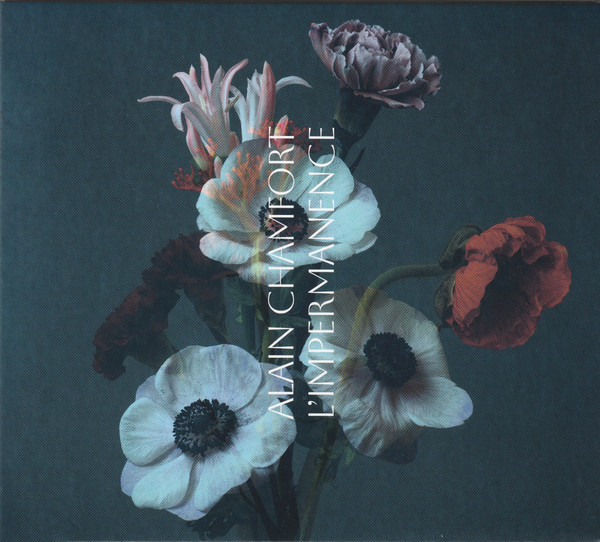
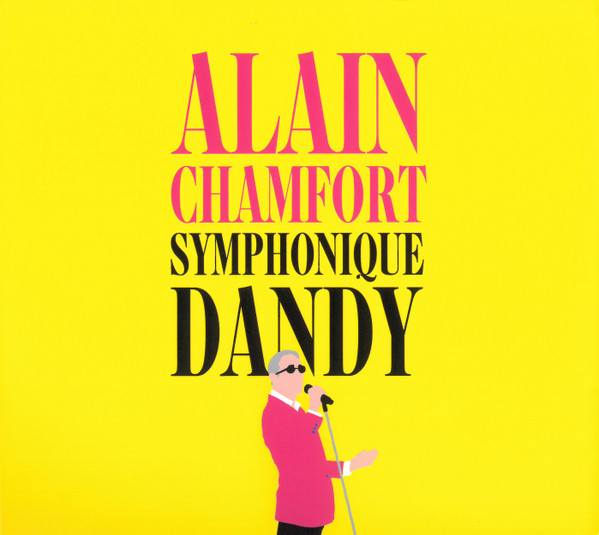
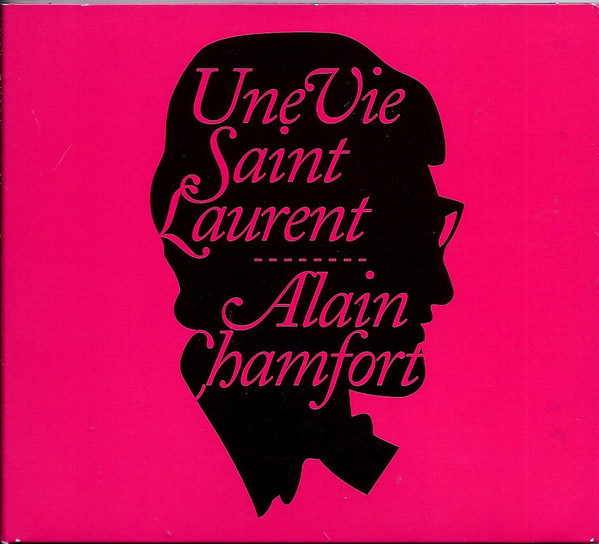
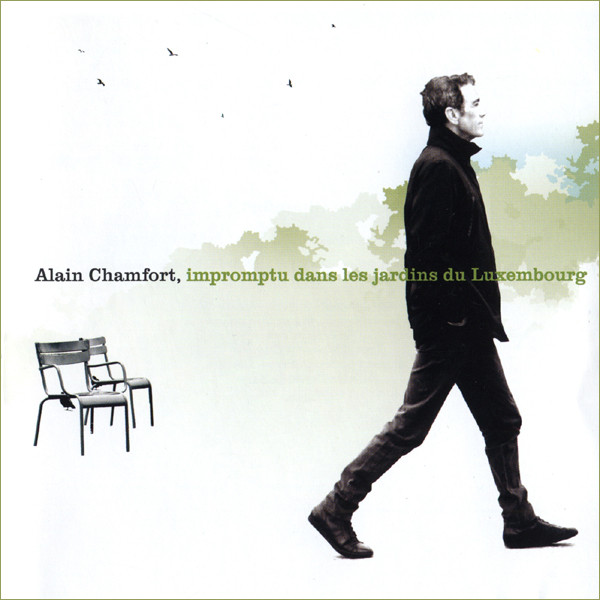
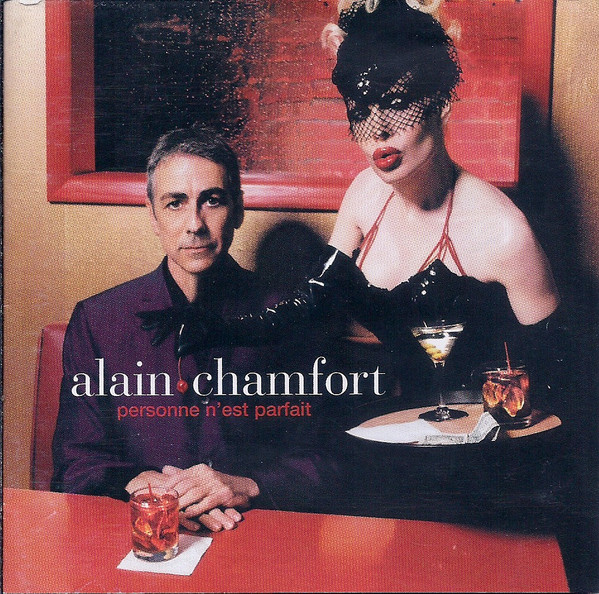
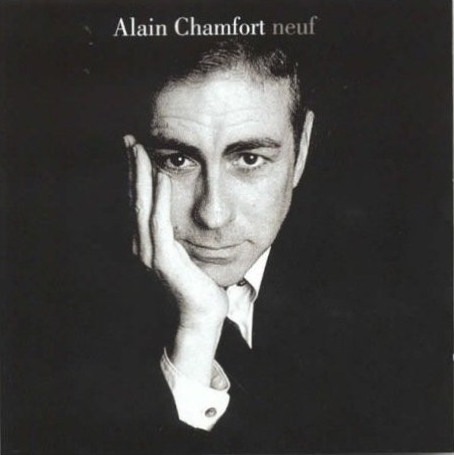
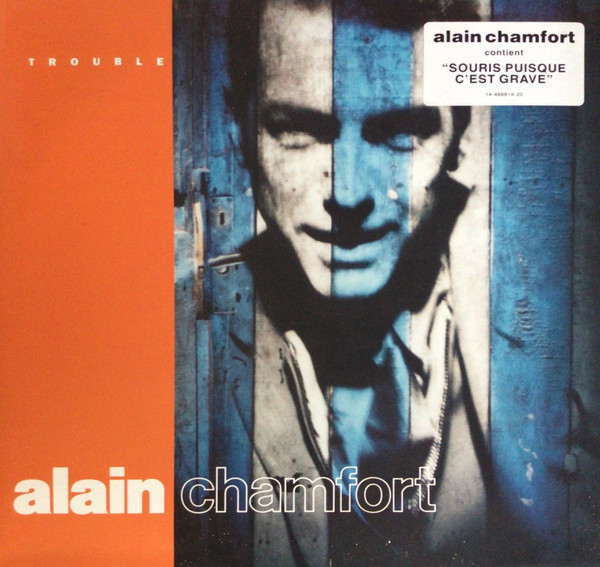
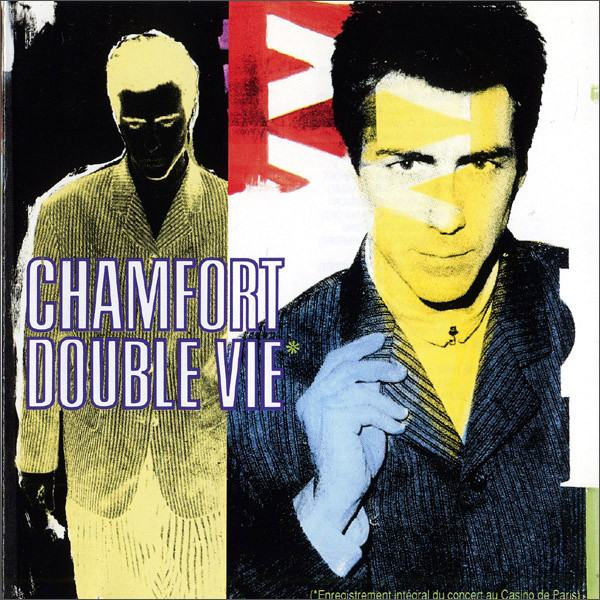


Related artists
Frequent collaborators
Around the web
Follow every record they touch.
Start your shelf and Gatefold tracks Alain Chamfort's new pressings, tour dates, and the whole discography — automatically.
Start your shelf →Free forever. Works with 10 records or 10,000.