
Artist
Average White Band
Dundee, United Kingdom · Formed 1971
Average White Band is a music group from Dundee, United Kingdom, active since 1971. Their discography on Gatefold includes 24 records.

29
Albums tracked
100
In collections
1971
Since
Biography
Arif Mardin didn't want to produce a group of white guys from Dundee. He changed his mind after hearing them play in a Miami living room. The Atlantic Records executive knew exactly how to harness their tight, syncopated rhythm section without letting them sound like a novelty act. They weren't trying to imitate American soul — they lived it. The band's Secret weapon was the dual lead vocal swap between Hamish Stuart and Alan Gorrie, backed by a horn section so sharp it got them hired as session players for their peers. But the real engine was Robbie McIntosh. His sudden death from a heroin overdose right as "Pick Up the Pieces" hit the stratosphere nearly killed the band before they even got started. Steve Ferrone took over the drum throne, steadying the ship with a heavier, more precise backbeat. When they were on, they were one of the tightest funk units on the planet. When the 1980s came knocking, they lost their way in a haze of slick synthesizer tracking and digital drum machines, but those mid-70s Atlantic records remain unfuckwithable.
Bio from The Clerk
The Arc of Average White Band
The pivots — what forced Average White Band to reinvent.
The Atlantic Transition
After their debut album on MCA went nowhere, the band flew to Miami to work with Arif Mardin. Mardin stripped away the polite British rock tendencies and forced them to focus on the pocket. This session yielded their self-titled white album, which featured the monster instrumental track "Pick Up the Pieces." You can hear the physical energy of the room on those tapes, where the rhythm section locked into a groove so deep that most listeners in 1974 assumed they were listening to a band from Memphis or Detroit.
The Post-McIntosh Groove
Robbie McIntosh's tragic overdose in late 1974 forced Steve Ferrone into the drum chair just as "Cut the Cake" was scheduled for tracking. Ferrone brought a different, harder-hitting swing that altered the band's genetic makeup. Mardin kept the production lean but let the horn arrangements by Roger Ball and Molly Duncan get more complex. The resulting records like "Soul Searching" swapped the loose, gritty funk of their debut for a polished, relentless groove machine that dominated R&B radio.
The Midnight Soul Connection
By 1977, the band wanted to prove their soul credentials by backing a legend. They teamed up with Ben E. King for the "Benny and Us" LP, abandoning the instrumental-heavy charts to act as a pure studio backing band. The sessions put Hamish Stuart's guitar work right in the pocket behind King's gritty vocals, showing a raw, collaborative sweat that their solo albums had begun to lose. It was a crucial pivot that got them out of their own heads and back to the basics of southern soul arrangements.
The Slick Disco Fade
The band parted ways with Arif Mardin and attempted to self-produce on 1979's "Feel No Fret" before tracking "Shine" with David Foster in 1980. Foster brought the clinical, compressed LA studio sound that was dominating the charts, pushing the horns back and layering the tracks with synthesizers. The organic grit of their mid-70s work was replaced by a polite, commercial sheen designed for FM radio play. It signaled the end of their classic run, culminating in the heavily dated electronic production of "Cupid's in Fashion" before their eventual split.
Influences
- The J.B.'s — The band modeled their horn arrangements directly after James Brown's backing unit. You can hear this in the staccato, conversational horn lines on "Pick Up the Pieces," which was written as a direct answer to The J.B.'s track "Hot Pants Road."
- The Meters — Before cutting their first album, the band spent hours dissecting Ziggy Modeliste's syncopated drumming and Leo Nocentelli's scratch guitar work. That minimalist, second-line New Orleans scratch style is the foundation of Hamish Stuart's rhythm work on "Cut the Cake."
- Sly and the Family Stone — The dual-lead vocal handoffs between bassist Alan Gorrie and guitarist Hamish Stuart were a direct lift from the Larry Graham and Sly Stone vocal dynamic. This trading of lead lines over a relentless funk bassline defines the structure of "Got the Love."
- Aretha Franklin — The band studied Aretha's Atlantic catalogs, specifically the production style of Jerry Wexler and Arif Mardin. When they finally worked with Mardin, they pushed for the same warm, immediate rhythm section separation heard on "Young, Gifted and Black."
- Marvin Gaye — The lush vocal harmonies and political undertones of Gaye's early 70s work heavily shaped their ballad writing. You can hear the direct influence of Gaye's smooth, multitracked vocal style on the band's hit cover of "I Heard It Through the Grapevine" on their debut record.
Discography
Their records — most-collected first.
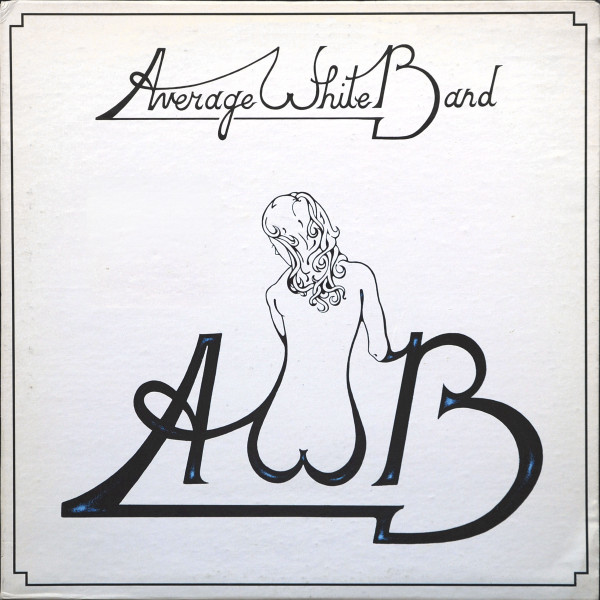
AWB
1974
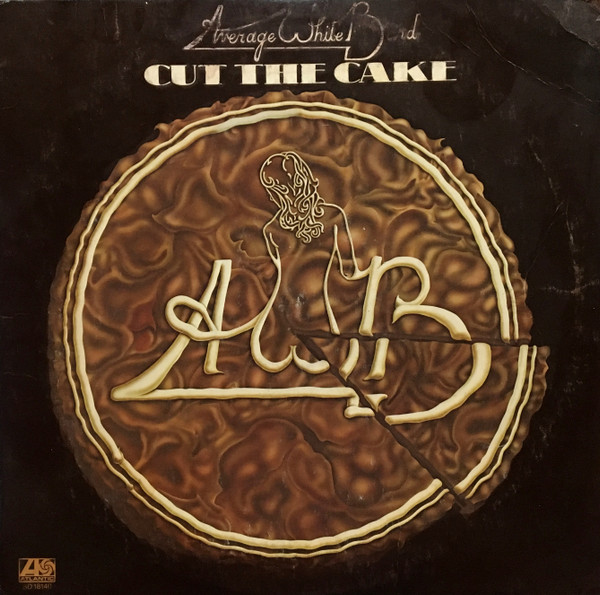
Cut The Cake
1975
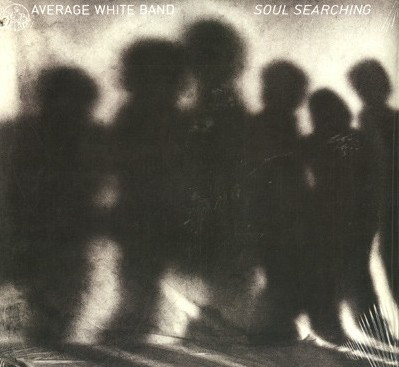
Soul Searching
1976

Feel No Fret
1979

Show Your Hand
1973
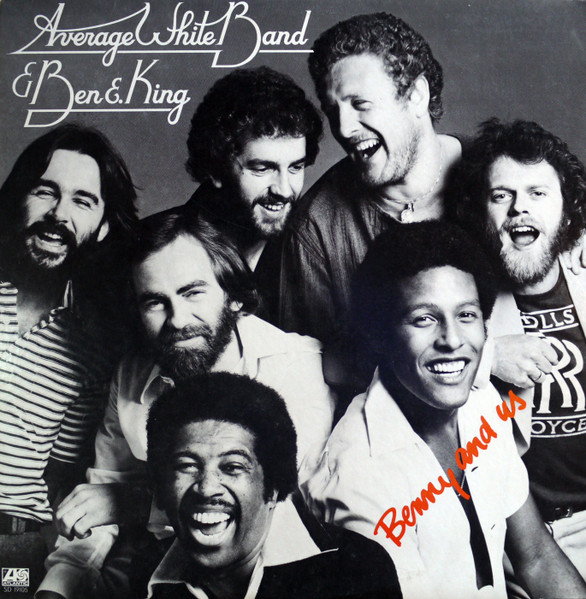
Benny And Us
1977

Shine
1980

Warmer Communications
1978

Person To Person
1976

The Best Of
1979

Show Your Hand / How Sweet Can You Get?
2009
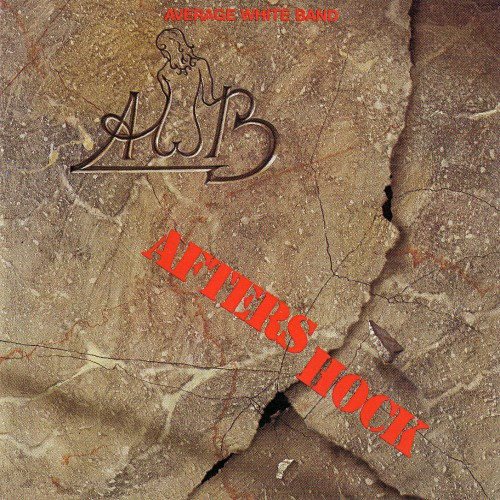
Aftershock
1988
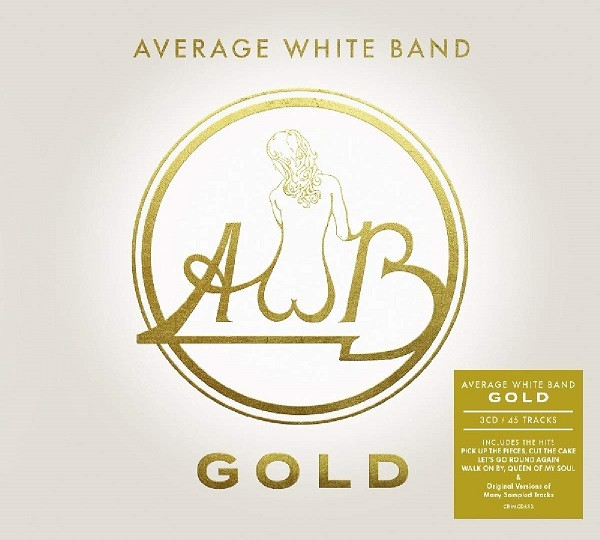
Gold
2019

Rare Tracks Vol.1 : Clover Sessions & More
2015

... Times Squared ... Live From New York ...
2013
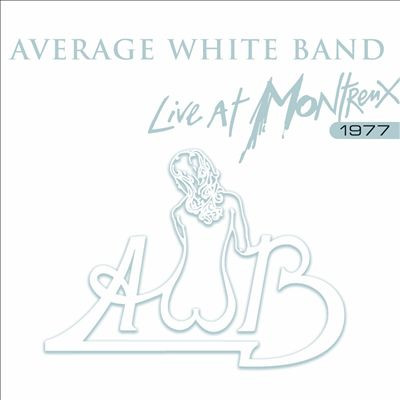
Live At Montreux 1977
2011

Greatest & Latest
2005

Living In Colour
2003

The Essentials
2002

Face To Face Live
1999
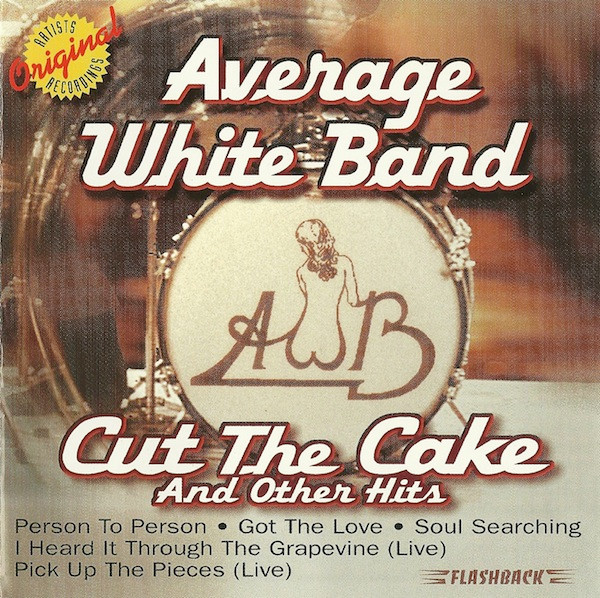
Cut The Cake And Other Hits
1999

The Very Best Of Average White Band
1997

The Very Best Of The Average White Band
1996
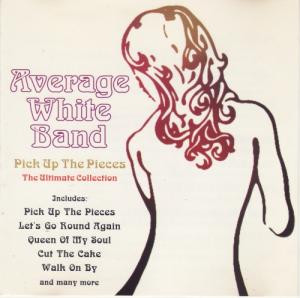
Pick Up The Pieces - The Ultimate Collection
1996
Related artists
Members
Frequent collaborators
Around the web
Follow every record they touch.
Start your shelf and Gatefold tracks Average White Band's new pressings, tour dates, and the whole discography — automatically.
Start your shelf →Free forever. Works with 10 records or 10,000.