
Artist
A Tribe Called Quest
New York City, United States · 1985 – 2017
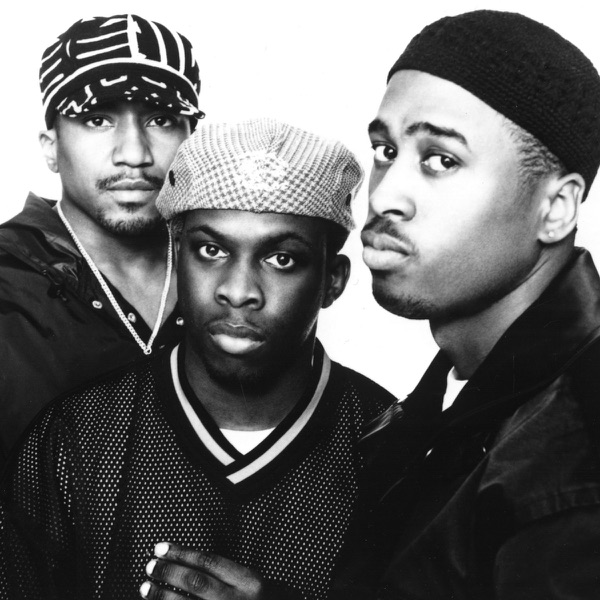
A Tribe Called Quest is a music group from New York City, United States, active 1985–2017. Their discography on Gatefold includes 24 records.
34
Albums tracked
629
In collections
1985
Since
Biography
Q-Tip didn't just dig through his father's jazz records; he ran them straight into an E-mu SP-1200, pitched them down, and filtered out the high end until only the sub-bass survived. In 1990, while New York rap was busy knocking heads off with aggressive James Brown breakbeats, Tribe showed up in dashikis and knit caps, trading velvet cadences over Ron Carter’s upright bass. The dynamic worked because Tip was the abstract philosopher and Phife Dawg was the sports-obsessed street pugilist keeping the entire operation from floating off into art-school pretension. Jarobi White drifted out early to become a chef, Ali Shaheed Muhammad held down the decks with pristine surgical discipline, and for three straight albums they couldn't miss a beat. Then the internal friction hit. By the mid-nineties, Tip got deep into his own production perfectionism, Phife’s diabetes started taking a massive physical toll, and bringing Consequence into the fold threw off the two-man vocal sparring that made them untouchable. They dragged themselves across the finish line for a contractual obligation in 1998 and spent nearly two decades barely speaking to each other. Most reunion records are hot garbage meant to pay off tax debts. Their 2016 return wasn't that. Phife literally died tracking his vocals in Tip’s New Jersey studio, forcing the surviving crew to stitch together a final record that ended up being one of the meanest, most urgent things they ever released.
Bio from The Clerk
The Arc of A Tribe Called Quest
The pivots — what forced A Tribe Called Quest to reinvent.
The Golden Trinity
Between 1990 and 1993, Tribe rebuilt the foundation of East Coast hip-hop across People's Instinctive Travels, The Low End Theory, and Midnight Marauders. Tip cracked the code of acoustic jazz sampling by bringing in legendary bassist Ron Carter to play live right over sampled drum loops, creating low-end dynamics nobody else could touch. Phife stepped up from a minor player into one of the sharpest lyricists in rap, delivering punchlines that offset Tip's mellow philosophy. You hear three guys operating in absolute lockstep, turning off-kilter grooves into platinum hits without making a single concession to commercial radio.
The Ummah Shift and the Fracture
By 1996, the vibe darkened considerably as Q-Tip formed the Ummah production outfit alongside Ali Shaheed Muhammad and a young Jay Dee. Beats, Rhymes and Life leaned into dry, unquantized kick-drum snaps and moodier Rhodes chords, but the behind-the-scenes chemistry had fractured completely. Phife had relocated to Atlanta to manage his failing health, while the introduction of guest rapper Consequence created an awkward power struggle on the mic. The resulting records sounded technically brilliant thanks to Dilla's touch, but the joyful vocal interplay of their early records was gone, ending with an abrupt split after 1998's The Love Movement.
The Final Session
After eighteen years of icy festival reunions and documentary film drama, the group secretly reconvened at Q-Tip's home studio following the Paris terror attacks in late 2015. They tracked face-to-face like they used to, with Jarobi returning to the booth and longtime friends like Busta Rhymes hanging out around the console. Phife passed away midway through recording in March 2016, leaving the remaining members to finish We got it from Here… Thank You 4 Your service in collective grief. The resulting record hit with blistering political rage and raw analog guitar bite, giving them the rare final act that actually matched their early prime.
Influences
- Lou Reed — Q-Tip famously took the iconic walking bassline and acoustic guitar strum from Reed's 1972 track 'Walk on the Wild Side' to construct 'Can I Kick It?'. That direct sample turned an underground glam-rock oddity into an inescapable hip-hop staple. Reed made them clear the sample by demanding 100 percent of the songwriting royalties, which Tribe handed over just to get the song out.
- Ron Carter — Tip grew up listening to Carter's legendary jazz catalog on Blue Note and Prestige and insisted on hiring him for the 1991 sessions of The Low End Theory. You hear Carter's live upright bass walking straight through 'Verses from the Abstract', anchoring the organic groove of the record. Carter only agreed to do the session after confirming the group's lyrics weren't full of profanity.
- Jimi Hendrix — Tip cited Hendrix as an early obsession for raw guitar textures, which shaped the heavier, distorted direction on their final album. You hear direct Hendrix influence all over the biting guitar work of 'We the People....' and the frantic tempo shifts of their late-era work. It gave their boom-bap rhythm section an abrasive rock punch that separated them from slick studio polish.
- Sly and the Family Stone — Tribe pulled directly from Sly Stone's deep funk grooves to anchor their early nineties catalog. The horn blast and rhythm hook driving 'Hot Sex' came straight from Sly's 1969 track 'Sing a Simple Song'. Stone's collective, communal energy was the exact blueprint Tribe used to structure the Native Tongues collective.
- Minnie Riperton — Riperton's lush 1975 soul cut 'Baby, This Love I Have' provided the foundational electric piano chords for 'Check the Rhime'. Ali and Tip pitched down the keyboard line to create a dusty, hypnotic pocket that defined the Midnight Marauders sound. It proved that smooth seventies soul could be chopped into hard-hitting street music without losing its warmth.
Discography
Their records — most-collected first.
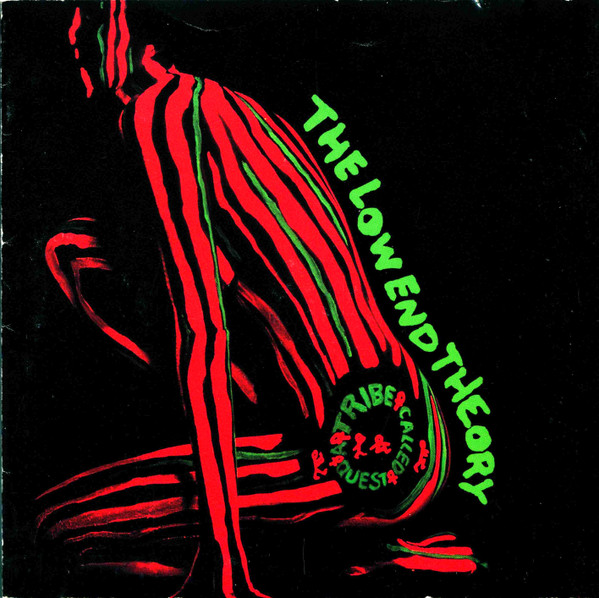
The Low End Theory
1991
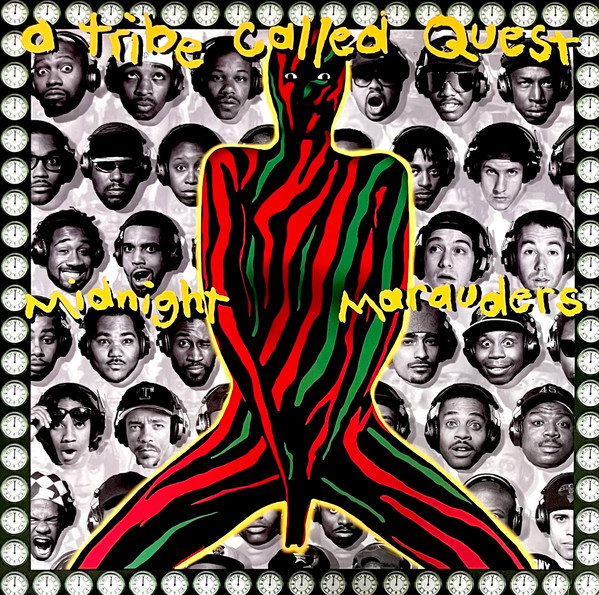
Midnight Marauders
1993

People's Instinctive Travels And The Paths Of Rhythm
1990

We Got It From Here... Thank You 4 Your Service
2016
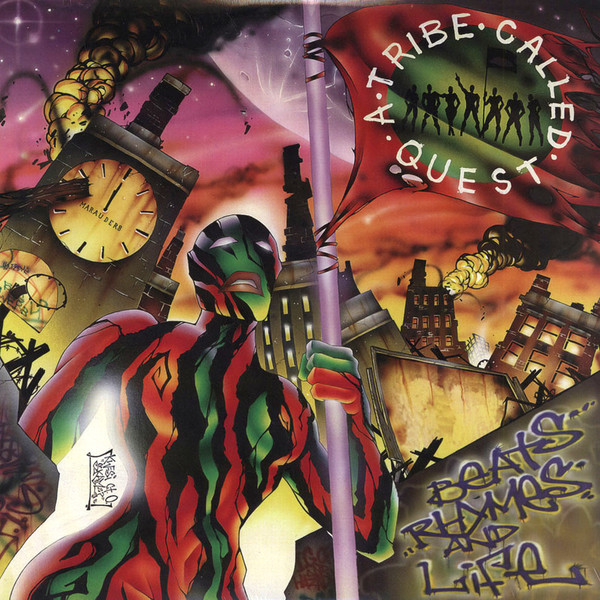
Beats, Rhymes And Life
1996

The Anthology
1999
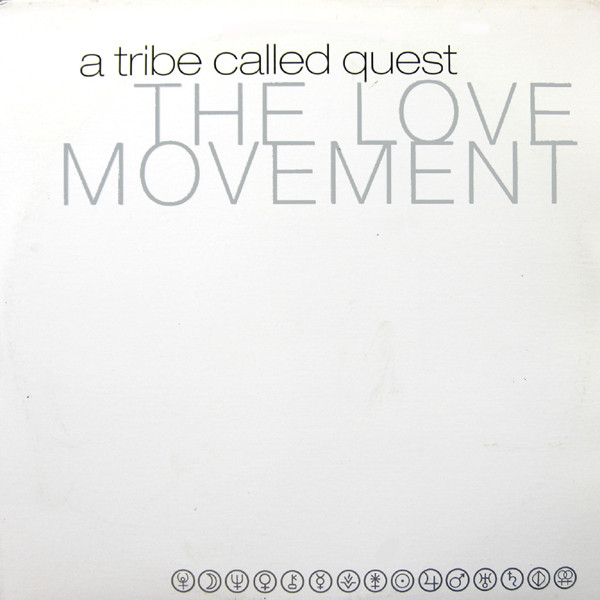
The Love Movement
1998
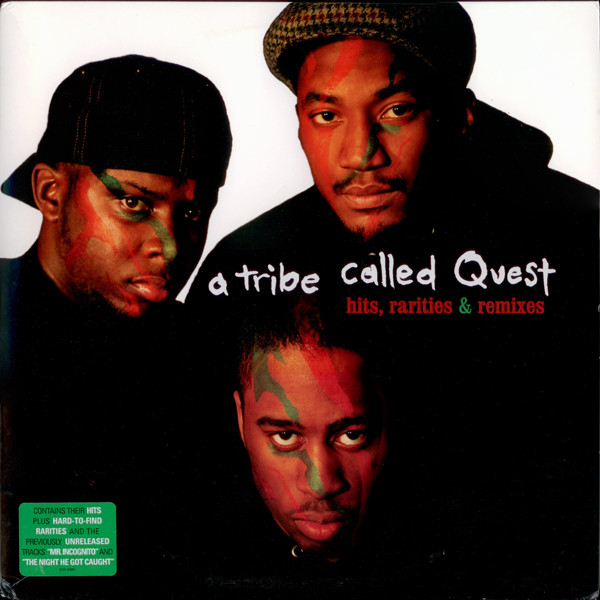
Hits, Rarities, & Remixes
2003
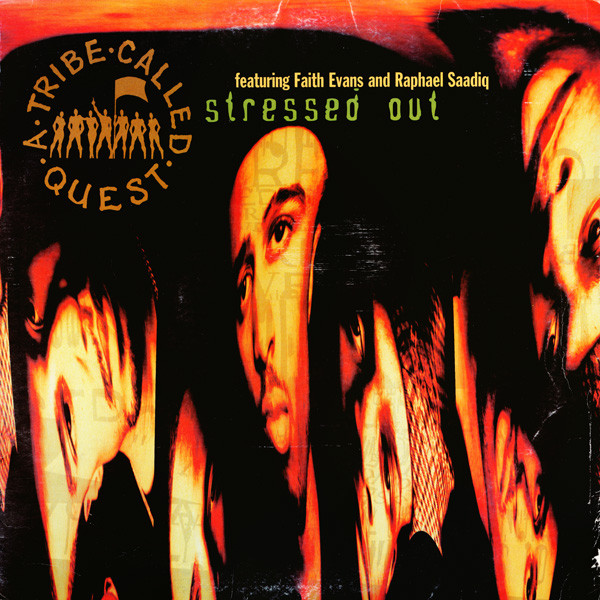
Stressed Out
1996
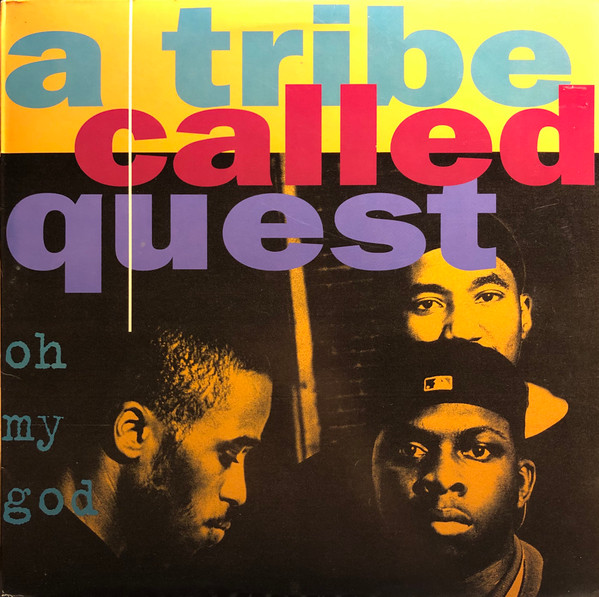
Oh My God
1994

Electric Relaxation (Relax Yourself Girl)
1994
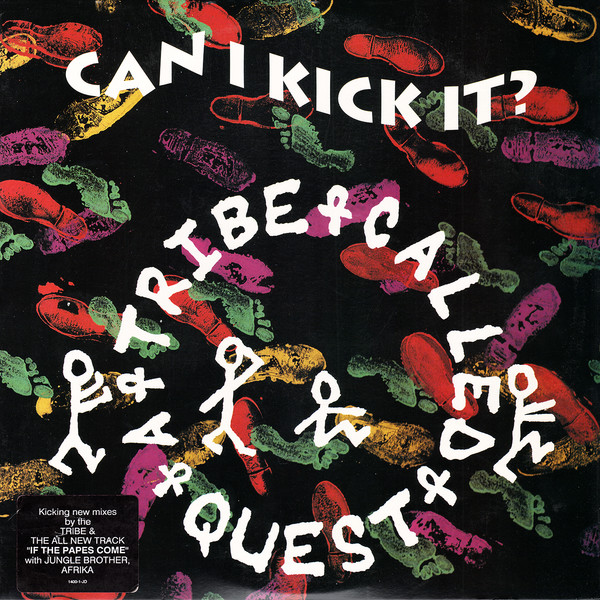
Can I Kick It?
1990

1nce Again
1996
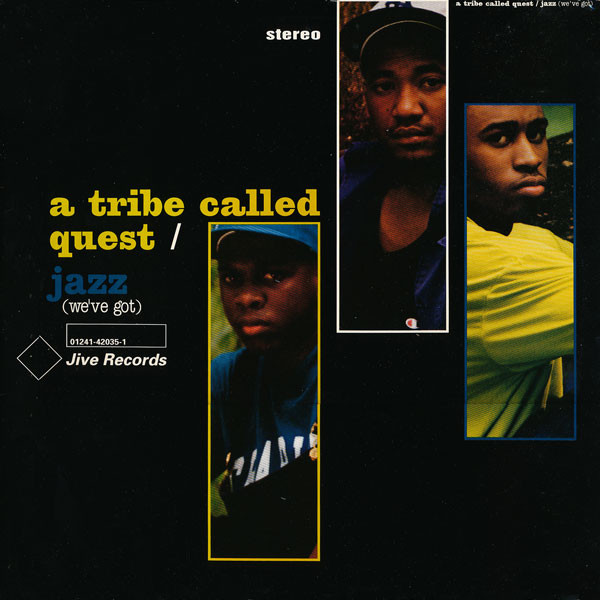
Jazz (We've Got)
1991
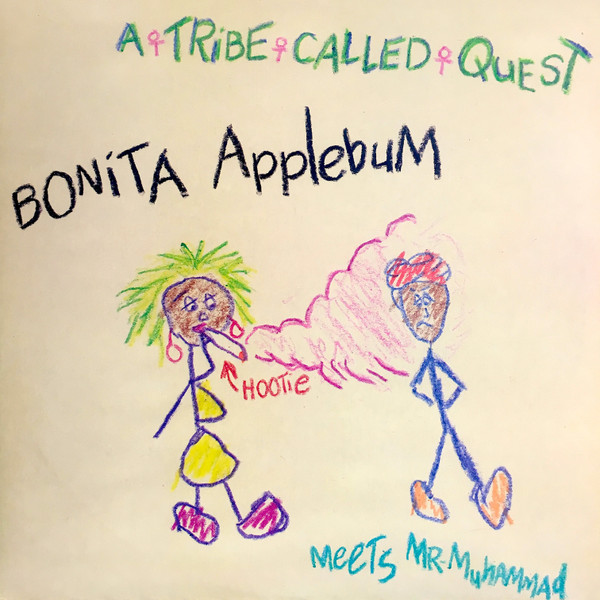
Bonita Applebum Meets Mr. Muhammad
1990
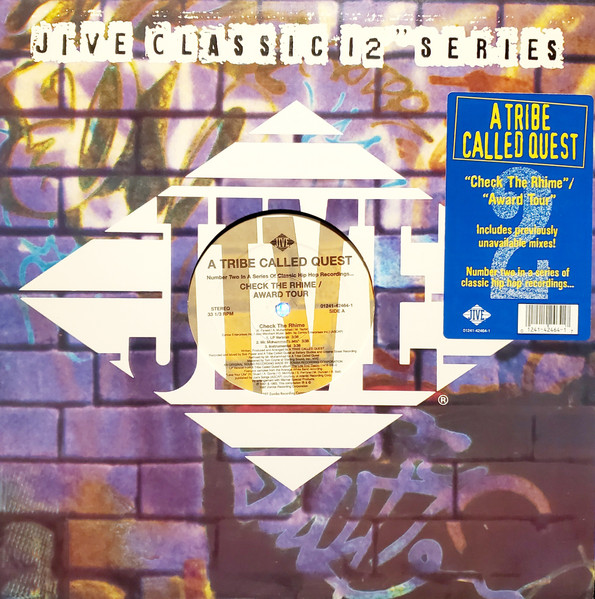
Check The Rhime / Award Tour
1997
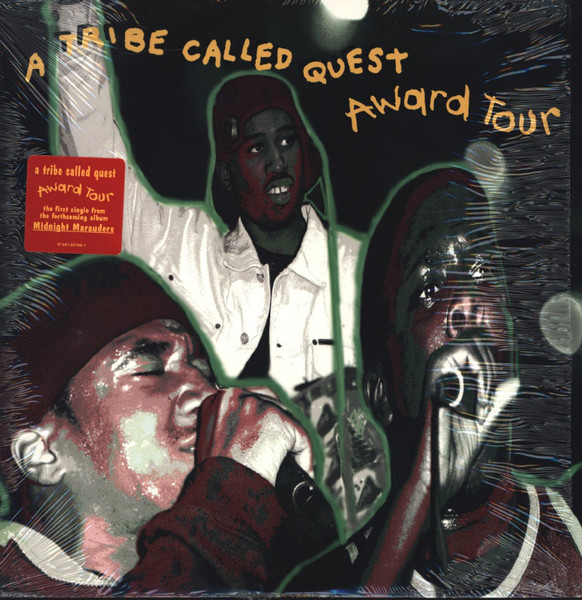
Award Tour
1993

Scenario
1992
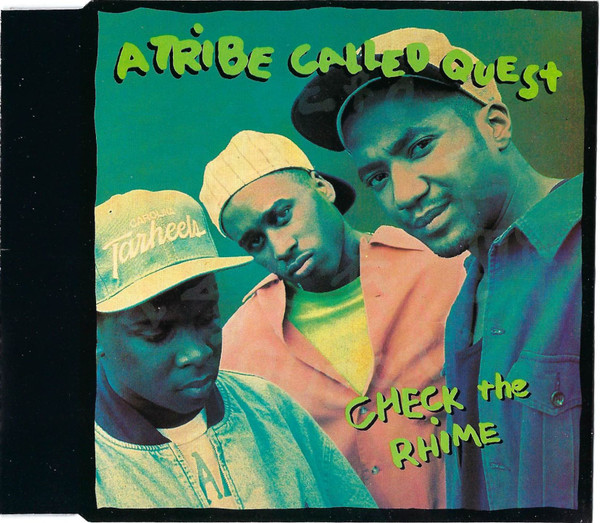
Check The Rhime
1991
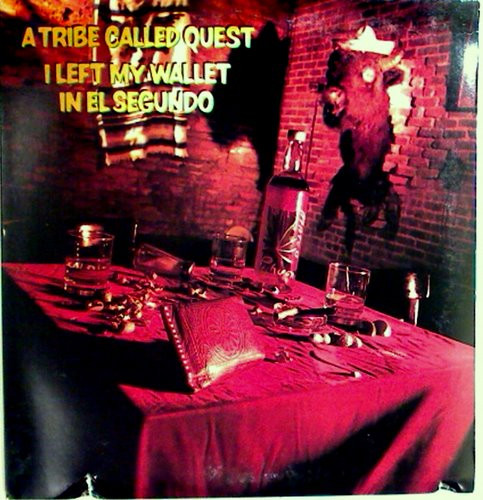
I Left My Wallet In El Segundo
1990
Find A Way
1998

Luck Of Lucien
1992
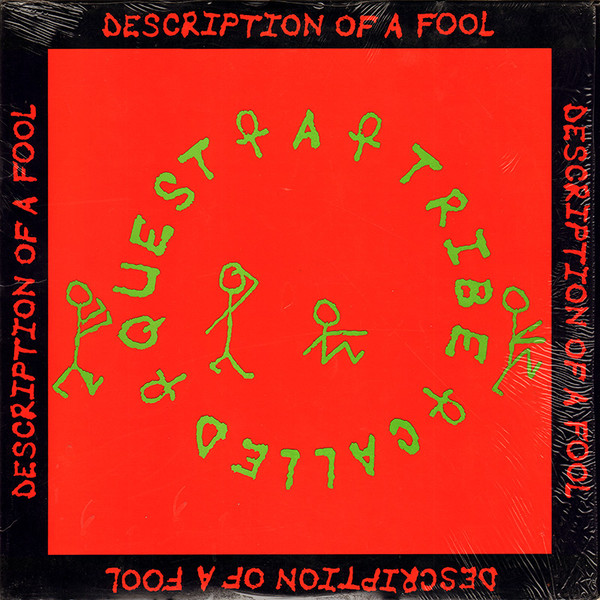
Description Of A Fool
1989
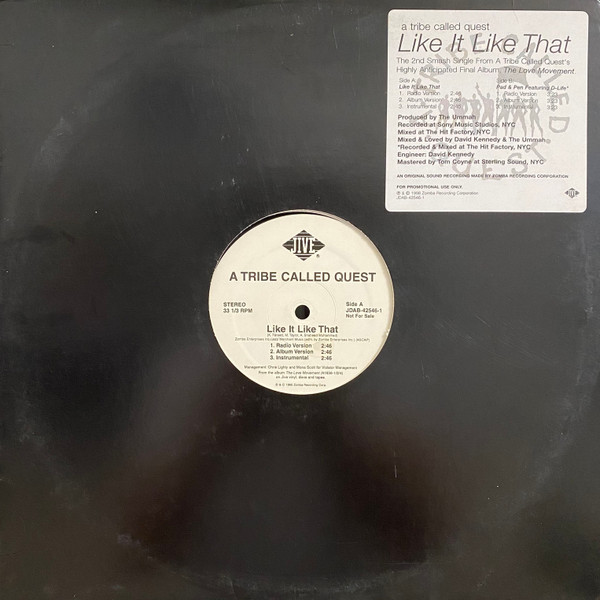
Like It Like That
1998
Related artists
Around the web
Follow every record they touch.
Start your shelf and Gatefold tracks A Tribe Called Quest's new pressings, tour dates, and the whole discography — automatically.
Start your shelf →Free forever. Works with 10 records or 10,000.