
Artist
Alex Chilton
Memphis, United States · 1950 – 2010
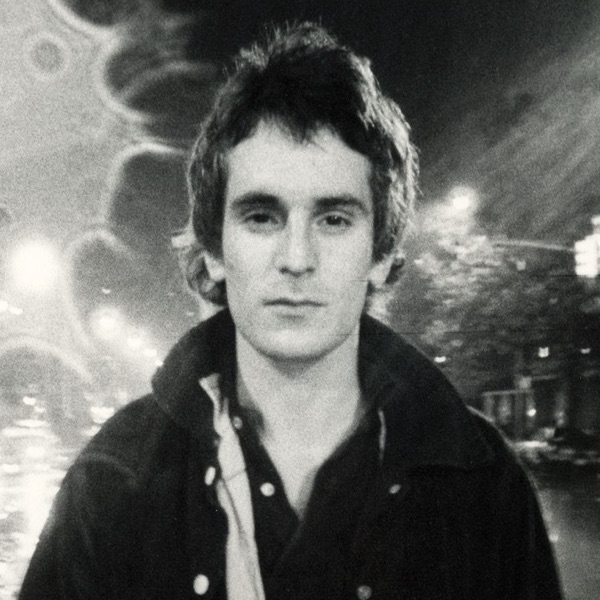
Alex Chilton is a musician from Memphis, United States, active 1950–2010. Their discography on Gatefold includes 19 records. They also recorded with Big Star, The Box Tops and Tav Falco’s Panther Burns.
49
Albums tracked
256
In collections
1950
Since
Biography
Chilton was sixteen years old when he cut 'The Letter' at Ardent Studios with The Box Tops, a blue-eyed soul grit that made him a millionaire before he could legally drink. The label forced him to growl like a man twice his age, a manufactured gravel that he spent the next forty years trying to scrub off his skin. By the time he formed Big Star with Chris Bell, he was chasing the ghost of the Beatles’ perfectionism, but the distribution at Stax was a total fucking disaster. Thousands of records sat in warehouses while the band fell apart from neglect and heavy narcotics. He eventually turned into a professional contrarian, drifting through Memphis and New Orleans while actively sabotaging his own myth. He’d show up to gigs without a guitar, play nothing but obscure Italian pop covers, or demand the most abrasive drum sound imaginable. He wasn't a tragic figure; he was a guy who realized early that the industry was a racket and decided to have a laugh at its expense. Whether he was playing trash-rock with Tav Falco or tracking acoustic standards on Clichés, he remained the most talented person in the room who couldn't be bothered to prove it to you.
Bio from The Clerk
The Arc of Alex Chilton
The pivots — what forced Alex Chilton to reinvent.
The Ardent Perfectionist
After the Box Tops folded, Chilton teamed up with Chris Bell at Ardent Studios to build the ultimate power-pop architecture. They spent hundreds of hours layering guitars and perfecting vocal harmonies on #1 Record, trying to out-McCartney the British. You can hear the tension between Bell’s pop precision and Chilton’s emerging cynicism on every track. It’s the sound of a band building a masterpiece in a vacuum, completely unaware that the label’s crumbling distribution would keep the record out of stores for years.
The Third/Sister Lovers Breakdown
Bell left and Chilton descended into a hazy, chemical-fueled session at Ardent with producer Jim Dickinson that resulted in the beautiful mess known as Third. They weren't making pop songs anymore; they were documenting a nervous breakdown on tape with dissonant strings and unfinished ideas. Chilton was pushing back against the 'teen idol' ghost, creating a template for every lo-fi indie record that would follow decades later. It’s heavy, uncomfortable, and arguably the most honest thing he ever touched.
The Memphis Trash-Rock Purge
By 1979, Chilton moved into the photography studio of William Eggleston to record Like Flies on Sherbert, a record that sounds like it’s literally falling apart as you play it. He ditched the polish for a sloppy, drunken garage energy, influenced by his time playing with Tav Falco’s Panther Burns. This era was a deliberate middle finger to the Big Star cult, trading intricate melodies for cheap amps and first-take chaos. It’s the definitive end of his quest for commercial approval and the start of his life as a cult enigma.
Influences
- The Beatles — Chilton explicitly modeled Big Star's vocal harmonies and Rickenbacker-heavy arrangements on the Lennon-McCartney blueprint. You hear it most clearly on 'In the Street,' where the bridge follows the exact melodic logic of Rubber Soul. It was the gold standard he spent his twenties trying to replicate and his thirties trying to destroy.
- The Byrds — The jangle of Chris Hillman and Roger McGuinn is baked into the DNA of the early Ardent sessions. Chilton obsessed over that twelve-string chime, which became the cornerstone of the power-pop sound on #1 Record. Without the Byrds' folk-rock template, Chilton’s mid-period guitar work loses its primary vocabulary.
- Todd Magel — Chilton grew up watching his father, a jazz musician, and absorbed the improvisational looseness that later defined his solo work. He frequently cited his father’s record collection as the reason he could pivot from rock to jazz standards on a whim. That DNA is why he could play a trashy punk set one night and a sophisticated cabaret set the next.
- Bo Diddley — The raw, percussive rhythm of Diddley was a major touchstone during the Like Flies on Sherbert era. Chilton covered Diddley’s 'Hey Bo Diddley' and hijacked that specific, stomping primitive beat to strip the pretension out of his sound. It’s the bridge between his polished pop past and his garage-rock future.
- The Ronettes — Chilton was a disciple of the Phil Spector 'Wall of Sound' and the girl-group melodies of the early sixties. He covered 'I Can Hear Music' and 'Be My Baby' in various sessions, showing a lifelong obsession with that specific brand of teenage yearning. You hear that melodic sweetness buried under the feedback even on his messiest solo records.
Alex Chilton — solo
Their records — most-collected first.
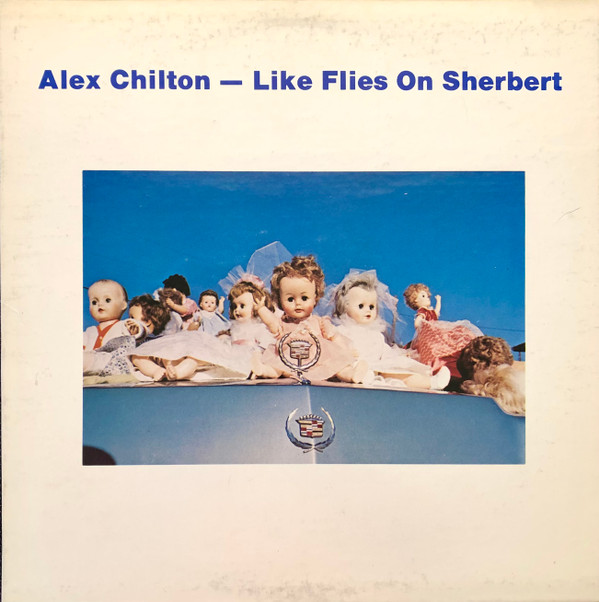
Like Flies On Sherbert
1979

Free Again: The "1970" Sessions
2012

High Priest
1987

Loose Shoes And Tight Pussy
1999

Clichés
1993

Bach's Bottom
1980

My Rival
2019

From Memphis To New Orleans
2019

Live In Anvers
2004

A Man Called Destruction
1995
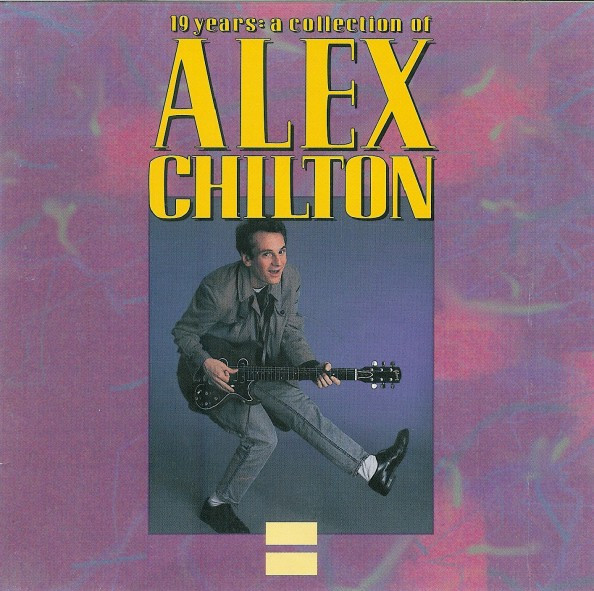
19 Years: A Collection Of Alex Chilton
1991

Feudalist Tarts
1985

Live In London
1982

Ocean Club '77
2015

Black List
1989

No Sex
1986
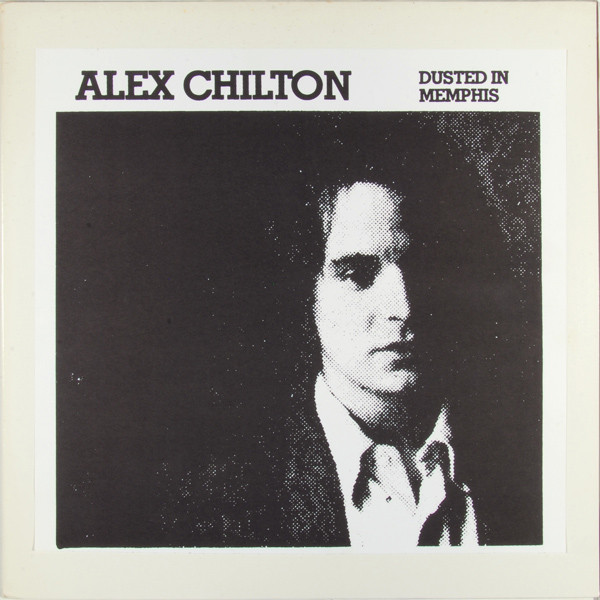
Dusted In Memphis
1980

One Day In New York
1978
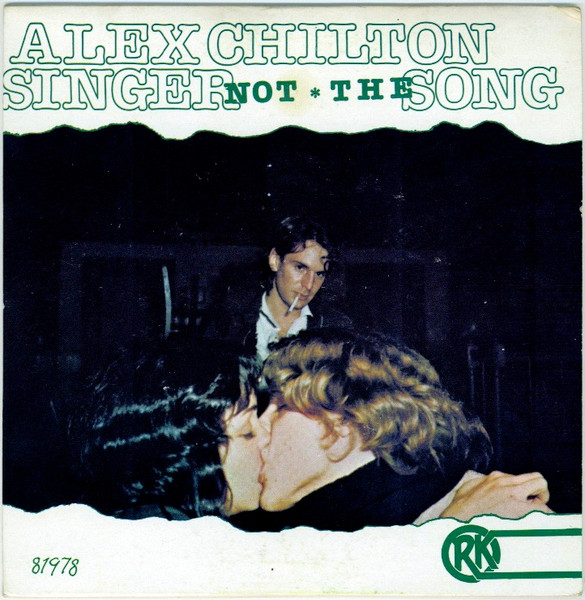
Singer Not The Song
1977
Big Star
A project Alex Chilton was part of.
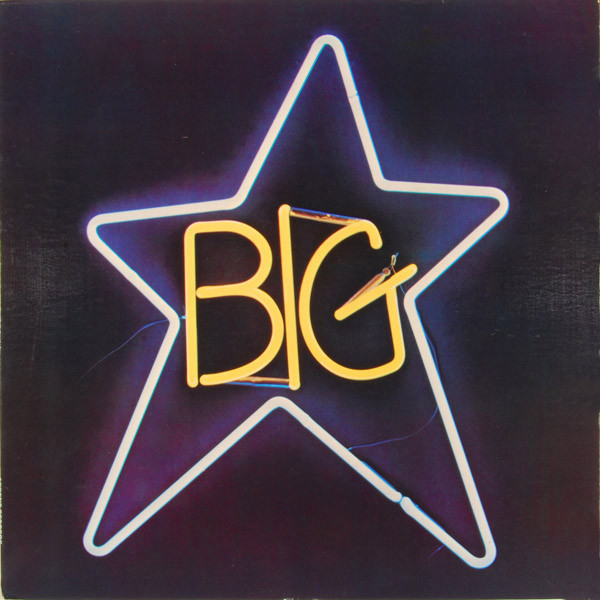
#1 Record
1972
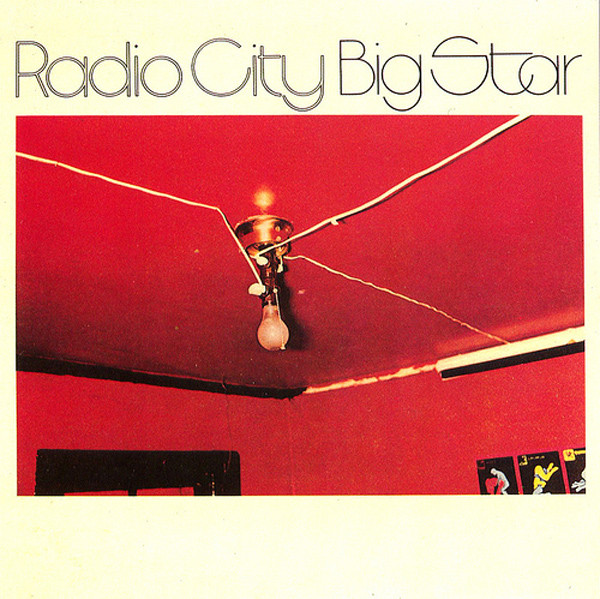
Radio City
1974

3rd
1978

#1 Record / Radio City
1978

Keep An Eye On The Sky
2009

The Best Of Big Star
2017

Columbia (Live At Missouri University 4/25/93)
1993

Live At Lafayette's Music Room
2018

Complete Third
2016

Jesus Christ
2015

Live In Memphis
2014

Big Star Story
2003
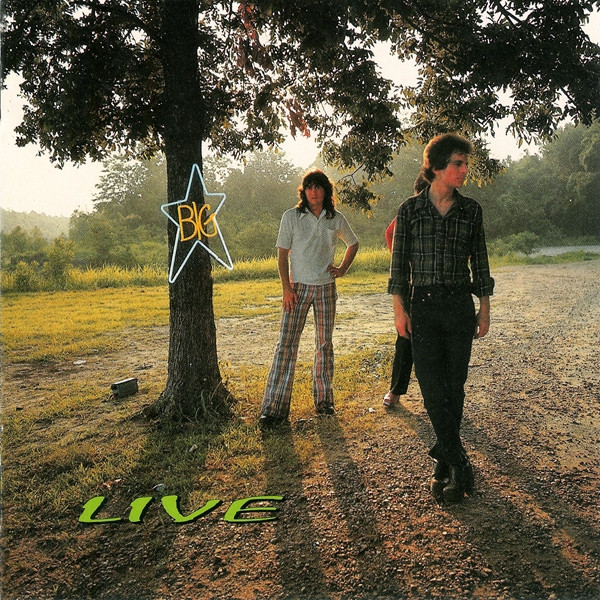
Live
1992
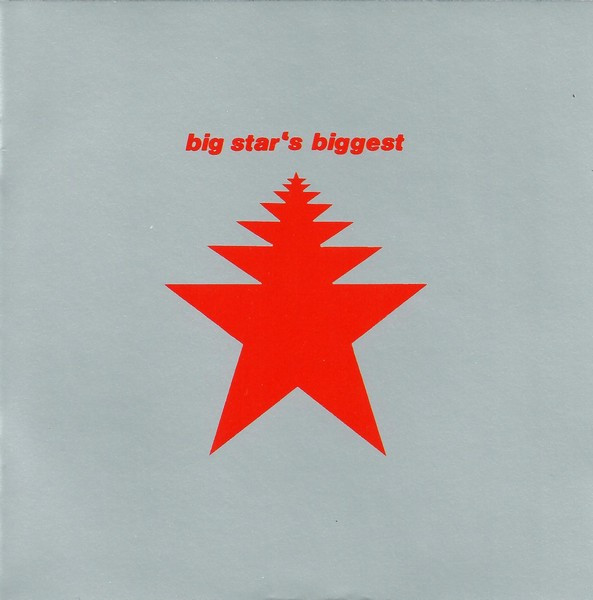
Big Star's Biggest
1988

In Space
2005

Nobody Can Dance
1999
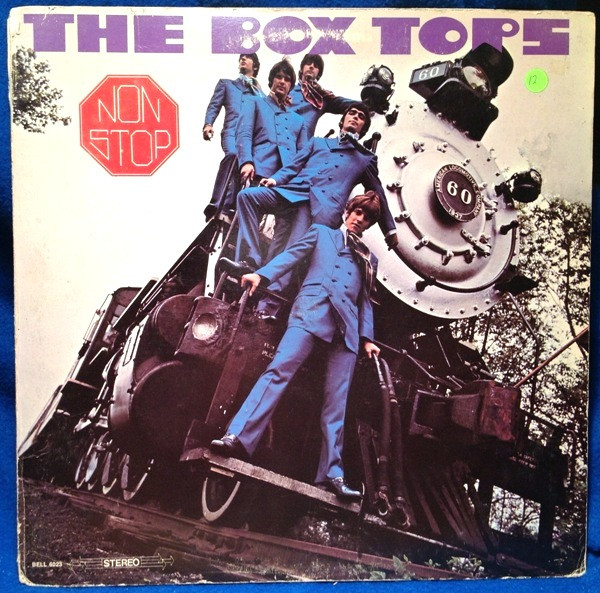
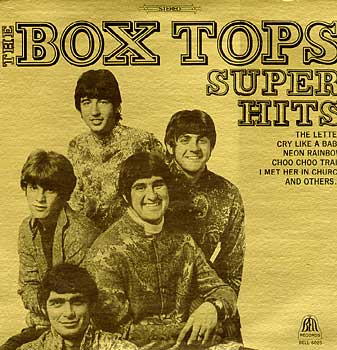
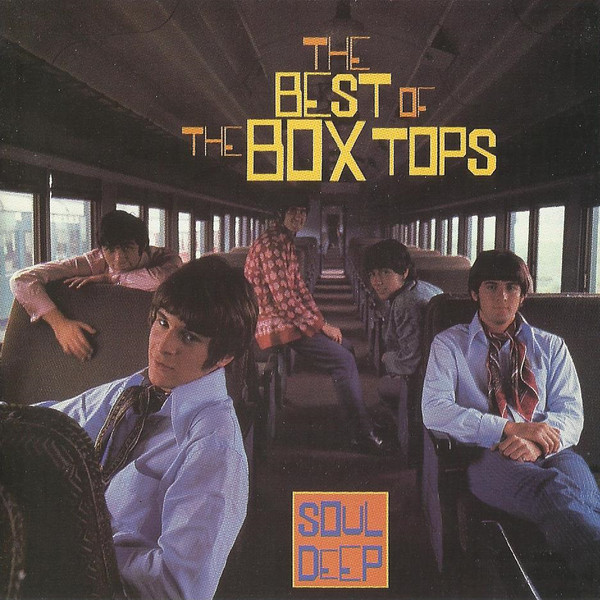
The Box Tops
A project Alex Chilton was part of.




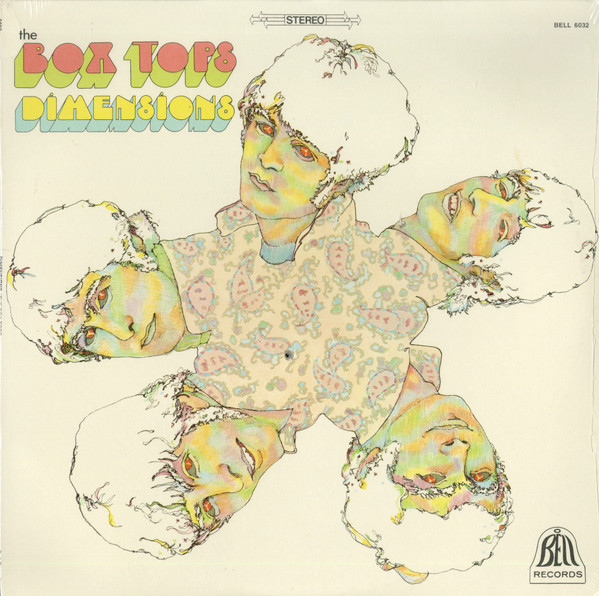
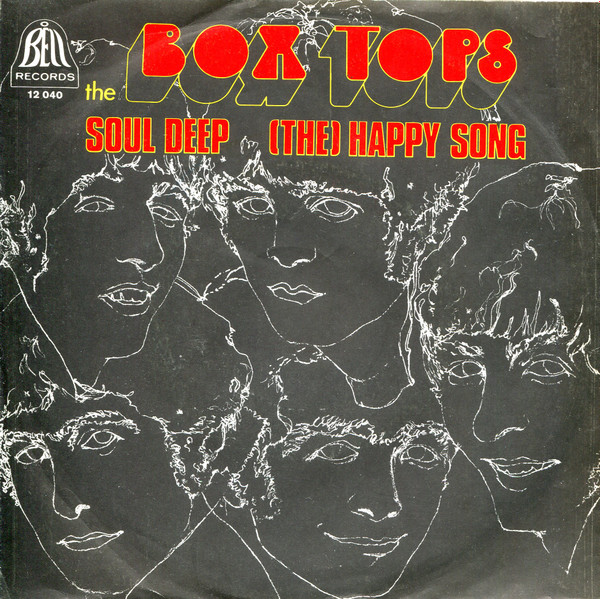

Tav Falco’s Panther Burns
A project Alex Chilton was part of.

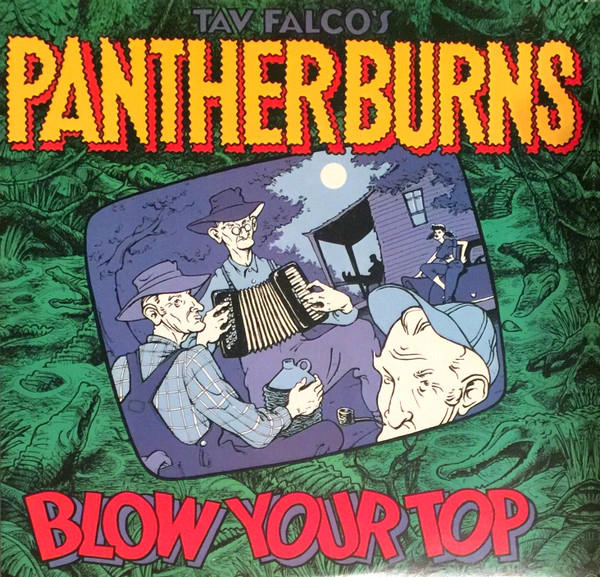
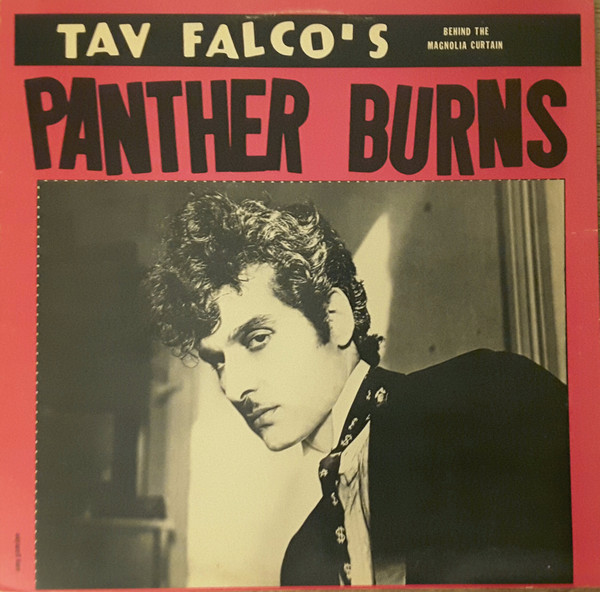
Related artists
Frequent collaborators
Around the web
Follow every record they touch.
Start your shelf and Gatefold tracks Alex Chilton's new pressings, tour dates, and the whole discography — automatically.
Start your shelf →Free forever. Works with 10 records or 10,000.