
Artist
Ahmad Jamal
Pittsburgh, United States · 1930 – 2023
Ahmad Jamal is a musician from Pittsburgh, United States, active 1930–2023. Their discography on Gatefold includes 24 records. They also recorded with The Ahmad Jamal Trio, The Ahmad Jamal Quintet and Red Garland Trio.

60
Albums tracked
151
In collections
1930
Since
Biography
Miles Davis ripped off his entire concept of space and admitted it openly in his autobiography. While every hard-bop player in 1958 was trying to cram forty notes into a four-bar phrase, Jamal sat in the Pershing Lounge in Chicago and played silence. He turned a Steinway into a rhythm section instrument. With Israel Crosby anchoring the bass and Vernel Fournier barely touching the snare with wire brushes, they tracked At the Pershing on a shoestring setup. It sold over a million copies because normal people could actually breathe inside the groove. He refused to stay in that cozy piano-trio box. The seventies saw him messing with electric pianos and big orchestral charts for 20th Century Fox, making records that crate-diggers would later kill for. Pete Rock and Premier built entire golden-era hip-hop classics on four-bar loops chopped out of those lush, cinematic sessions. He was never just an old-school jazz cat. He was an architect of modern American groove.
Bio from The Clerk
The Arc of Ahmad Jamal
The pivots — what forced Ahmad Jamal to reinvent.
The Pershing Breakthrough
Jamal stripped the piano trio down to its bare skeletal frames at Chicago's Pershing Lounge in 1958. Israel Crosby held down rock-solid walking lines while Vernel Fournier used brushes on the snare like a metronome, leaving Jamal vast stretches of open air to drop single-note accents. The resulting record sat on the Billboard charts for over two years straight. You hear it in the dynamic drops and sharp, unexpected stops on tracks like 'Poinciana'.
Electric Fusion and Orchestral Soul
By the early 1970s, Jamal pivoted hard toward electric keys, heavy funk rhythms, and massive string arrangements for 20th Century and Impulse. He brought in synthesizers and Fender Rhodes, leaning into long vamp-heavy compositions like 1974's 'Jamal Plays Jamal'. This era alienated the purists who wanted polite dinner jazz but handed hip-hop producers the raw material for half of nineties East Coast boom-bap. The playing became wider, louder, and deeply funky.
The Late-Career Resurgence
Signing with the French label Birdology in the mid-nineties, Jamal returned to acoustic hard-swinging form with 'The Essence Part 1'. He brought in tenor saxophonist George Coleman and percussionist Manolo Badrena to inject violent polyrhythmic energy into his classic restraint. The playing was muscular, angular, and far more aggressive than his early trio cuts. It proved he wasn't a museum piece — he was still throwing heavyweight punches into his sixties and seventies.
Influences
- Art Tatum — Tatum famously singled out Jamal as a prodigy in Pittsburgh when Jamal was just a teenager. You hear it in the blinding right-hand runs Jamal uses as sudden punctuation marks between long stretches of silence. It gave him the chops to know precisely what not to play.
- Erroll Garner — Garner also came out of the Pittsburgh piano scene and heavily influenced Jamal's approach to heavy, locked-hand rhythmic block chording. You can hear that distinct delayed-beat bounce all over Jamal's early fifties sides with The Three Strings. It grounded his left hand with serious percussive weight.
- Teddy Wilson — Jamal cited Wilson's touch and impeccable harmonic economy as his foundational blueprint for playing with bands. The pristine articulation and unhurried swing on 'Chamber Music of the New Jazz' come straight out of Wilson's thirties small-group arrangements. He learned how to lead without stepping on the room.
- Nat King Cole — Cole's drum-less trio format with piano, guitar, and bass was the exact template Jamal used when forming The Three Strings with Ray Crawford in 1951. You hear Cole's influence in the conversational sparring between piano and guitar on the early Okeh and Epic cuts. It taught him to treat the ensemble as a tight rhythmic unit rather than a solo vehicle.
- Duke Ellington — Ellington's mastery of orchestral color and unorthodox piano voicing deeply shaped Jamal's arrangement style. Jamal covered Ellington staples relentlessly, later cutting entire dedication records like 'I Remember Duke, Hoagy & Strayhorn'. You hear it in how Jamal voices chords to sound like an entire brass section hitting a room.
Ahmad Jamal — solo
Their records — most-collected first.

Happy Moods
1960
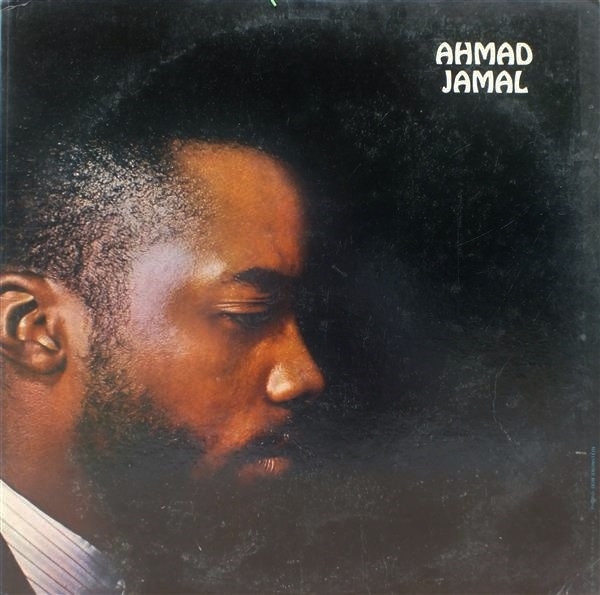
The Piano Scene Of Ahmad Jamal
1959

All Of You
1962

Ahmad Jamal's Alhambra
1961
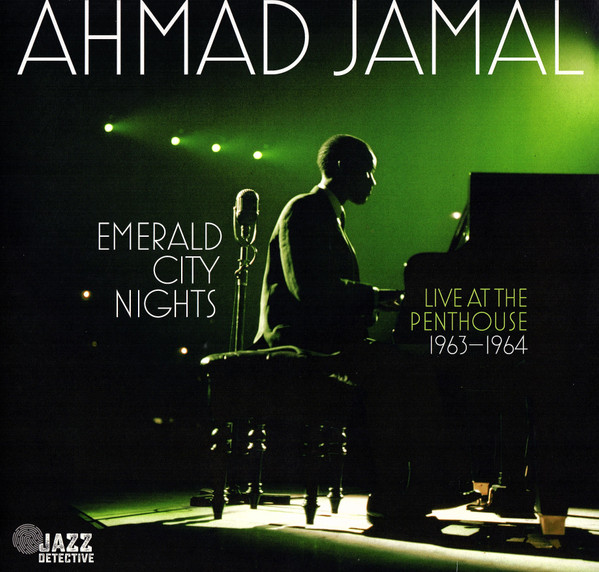
Emerald City Nights - Live At The Penthouse 1963-1964
2022

At The Top: Poinciana Revisited
1969

Emerald City Nights (Live At The Penthouse 1965-1966)
2022

Live At The Montreal Jazz Festival 1985
1986

Jamalca
1974

Ahmad Jamal '73
1973

Emerald City Nights (Live At The Penthouse 1966-1968)
2023

Digital Works
1985

Intervals
1980
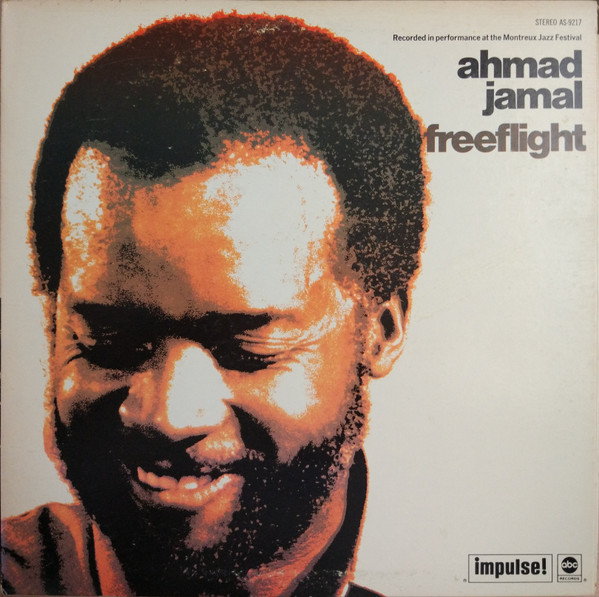
Freeflight
1971

Poinciana
1963

At The Blackhawk
1962

At The Jazz Showcase Live In Chicago
2026

Marseille
2017

Big Byrd (The Essence Part 2)
1997
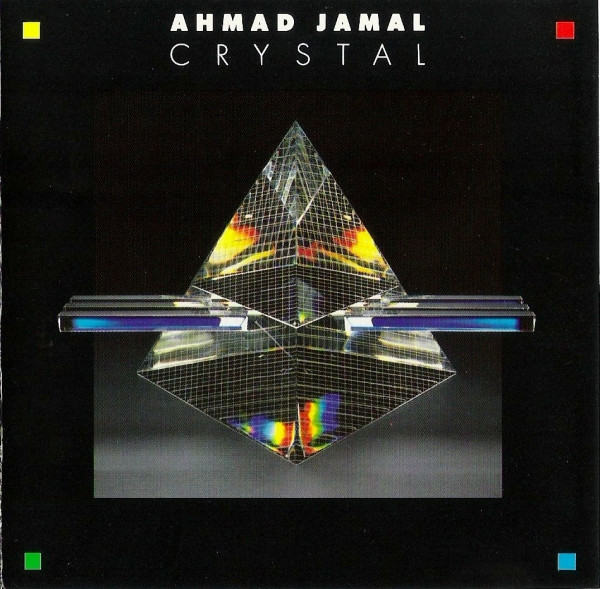
Crystal
1987

Rossiter Road
1986

American Classical Music
1982
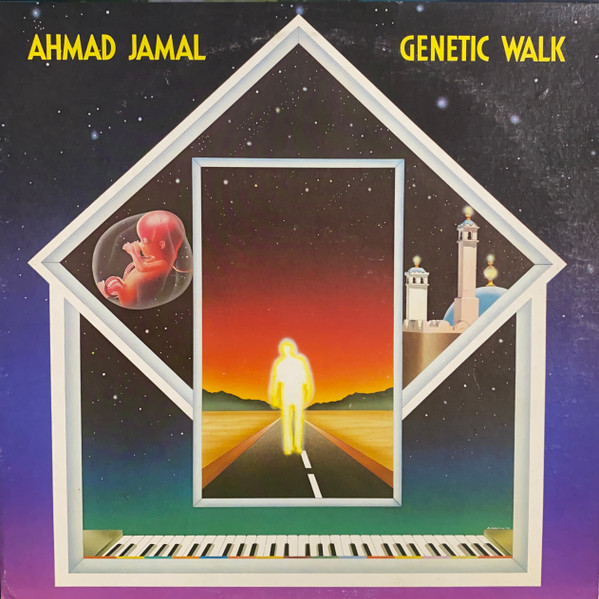
Genetic Walk
1980

Night Song
1980
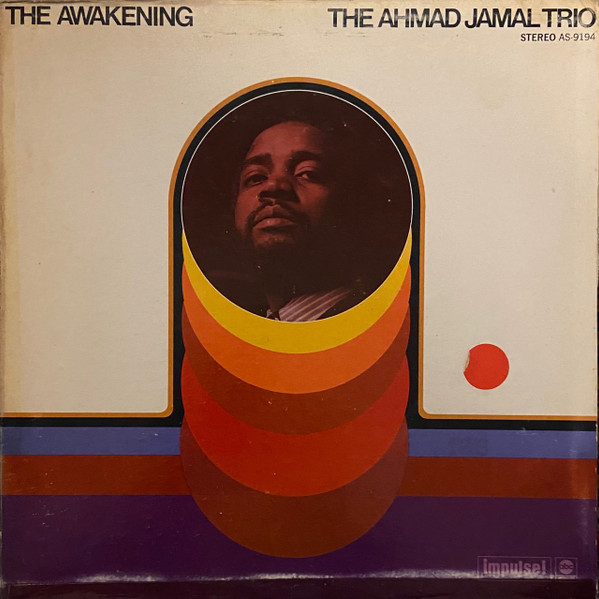
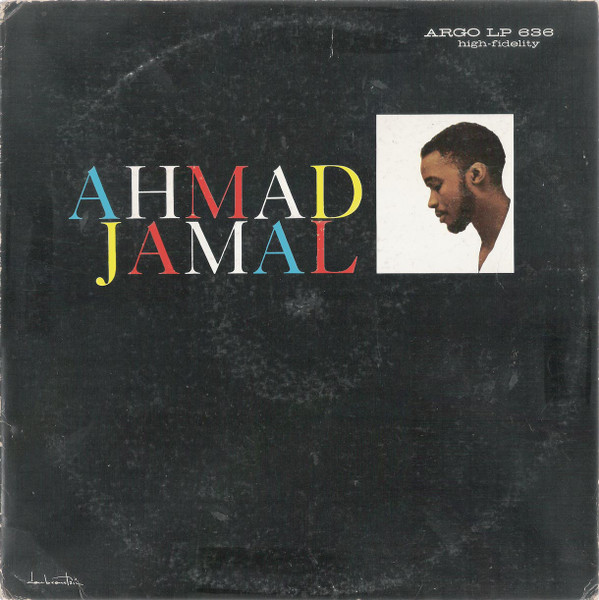
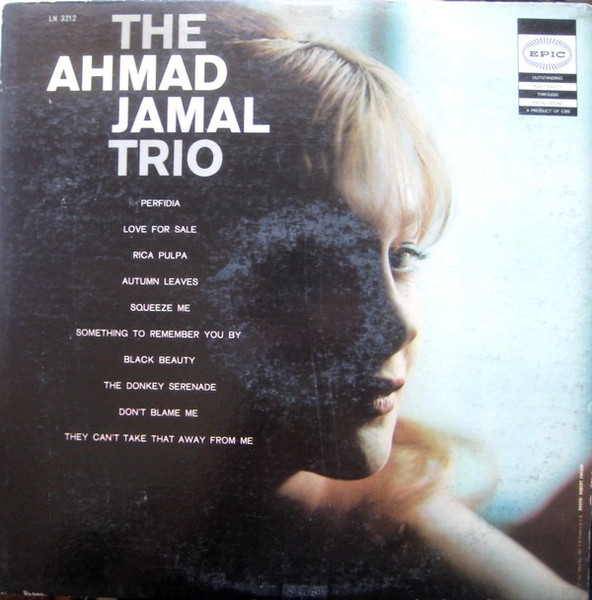
The Ahmad Jamal Trio
Ahmad Jamal under another name — MusicBrainz marks this project eponymous.


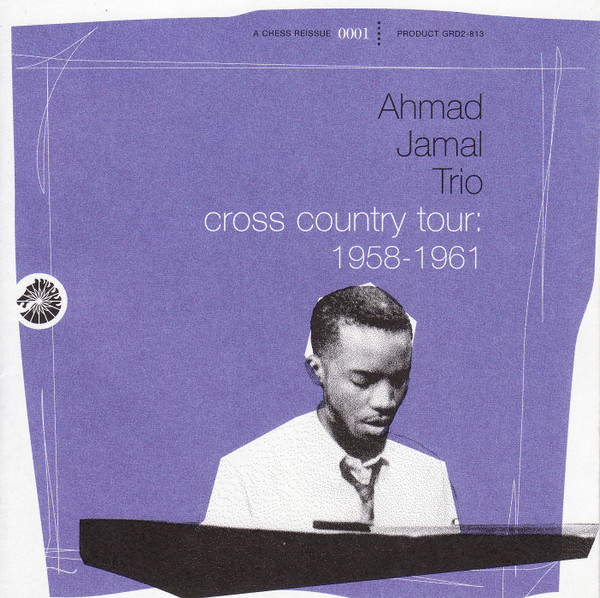
The Ahmad Jamal Quintet
Ahmad Jamal under another name — MusicBrainz marks this project eponymous.

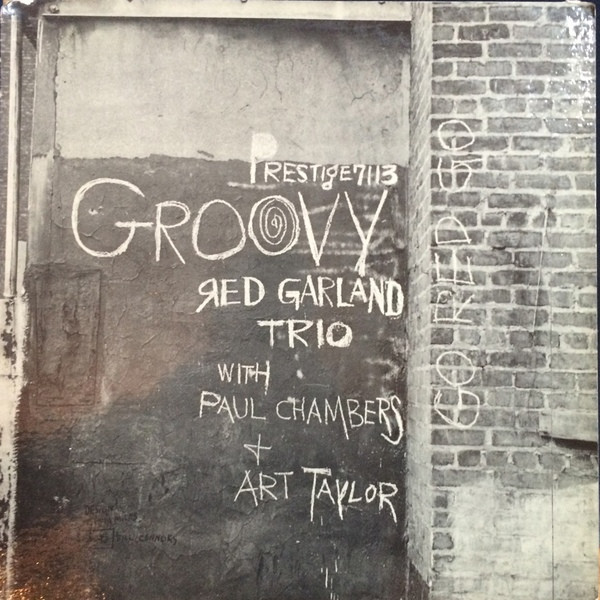
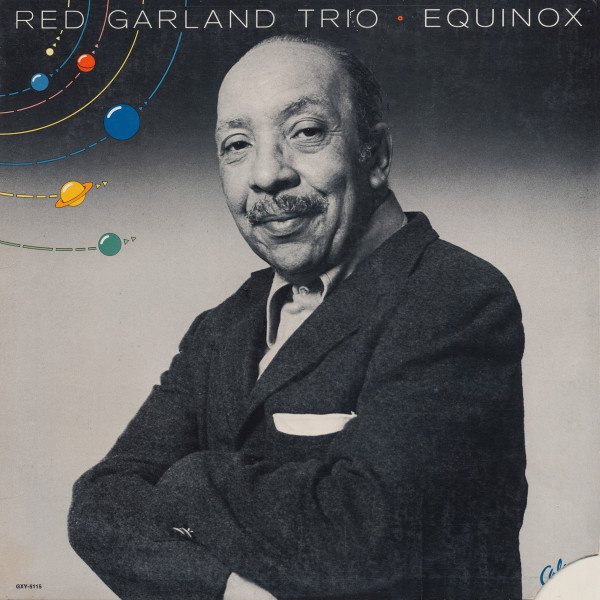
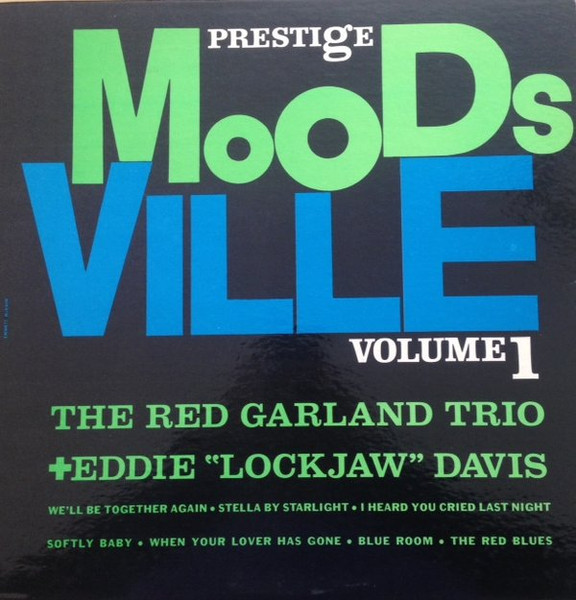
Red Garland Trio
A project Ahmad Jamal was part of.


Related artists
Frequent collaborators
Around the web
Follow every record they touch.
Start your shelf and Gatefold tracks Ahmad Jamal's new pressings, tour dates, and the whole discography — automatically.
Start your shelf →Free forever. Works with 10 records or 10,000.