
Artist
10cc
Stockport, United Kingdom · Formed 1972
10cc is a music group from Stockport, United Kingdom, active since 1972. Their discography on Gatefold includes 24 records.
40
Albums tracked
210
In collections
1972
Since
Biography
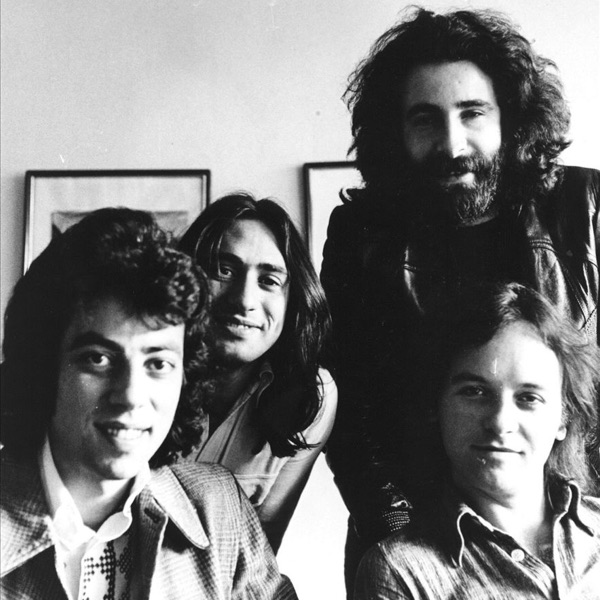
Eric Stewart wasn’t just a guitarist; he was the resident wizard at Strawberry Studios in Stockport, a room funded by Graham Gouldman’s songwriting royalties for the Yardbirds and the Hollies. They spent years as a house band for hire, backing everyone from Neil Sedaka to Ramases while learning how to use the studio as an instrument. By the time they signed to UK Records as 10cc, they were four overqualified session pros who were too bored to play it straight. They treated pop songs like lab experiments, layering dozens of vocal tracks and messing with tape speeds just to see if a melody would break. The dynamic was a volatile split between the art-school weirdness of Godley and Creme and the pop precision of Stewart and Gouldman. When it worked, you got a top-tier radio hit that secretly mocked the listener for liking it. When it didn't, it was a mess of clever-clever puns and musical theater flourishes that could make your teeth ache. They were the smartest guys in the room and they fucking knew it, which made their eventually inevitable split feel less like a breakup and more like a messy divorce between two sets of opposing ideals.
Bio from The Clerk
The Arc of 10cc
The pivots — what forced 10cc to reinvent.
The Strawberry Studios Apprenticeship
Before they were a band, they were a production unit grinding out bubblegum tracks for Kasenetz-Katz and backing legacy acts like the Ramases on ‘Space Hymns.’ Working at their own facility in Stockport allowed them to treat the mixing desk as a primary member of the group, leading to the self-titled debut's heavy use of 50s pastiche and satirical lyrics. You hear this in the dry, punchy production and the cynical take on doo-wop that most listeners mistook for genuine nostalgia. It was professional session work disguised as high-concept art.
The Godley & Creme Schism
The tension between the 'commercial' side of Stewart and Gouldman and the 'avant-garde' experiments of Godley and Creme reached a breaking point during the sessions for 'How Dare You!' While Stewart wanted to lean into the polished balladry that made 'I’m Not in Love' a monster hit, the other half of the room was obsessed with the Gizmotron, a mechanical device designed to create infinite sustain on guitar strings. This era marks the transition from a cohesive four-headed monster into two separate camps, resulting in a fractured record that signaled the end of the original lineup. By the time 'Deceptive Bends' arrived in 1977, the art-school faction was gone, leaving the remaining duo to pivot toward a smoother, more conventional soft-rock sound.
The Decline into Polished Pop
After the massive success of 'Dreadlock Holiday,' the band struggled to find a footing in a musical landscape dominated by punk and new wave. They brought in outside producers like Andrew Gold to help modernize the sound for 'Ten Out of 10,' but the move stripped away the eccentricities that made them interesting in the first place. The cleverness became calculated, and the studio wizardry felt like a distraction for thin songwriting. It was the sound of a band that had finally run out of experiments to run on themselves.
Influences
- The Beatles — Graham Gouldman explicitly cited 'Rubber Soul' as the benchmark for their studio ambitions. You hear the DNA of 'Sgt. Pepper' in the way they layered 'I’m Not in Love' using 256 vocal overdubs to create a haunting, synthetic choir. It is the bridge between pop hooks and studio-as-laboratory.
- The Beach Boys — Kevin Godley frequently obsessed over Brian Wilson’s 'Pet Sounds' production techniques during their early sessions. The intricate, high-register vocal harmonies on tracks like 'Donna' are a direct, albeit cynical, nod to Wilson’s California sound. They took the sunshine and replaced it with British sarcasm.
- The Mothers of Invention — Lol Creme pointed to Frank Zappa as the primary inspiration for their satirical approach to genre-hopping. The sudden stylistic shifts and biting social commentary in 'The Worst Band in the World' mirror the structural chaos of 'Freak Out!' It’s where they learned that being funny didn’t mean the music had to be simple.
- The Yardbirds — Graham Gouldman wrote 'For Your Love' and 'Heart Full of Soul' for them before 10cc even existed. Those sessions taught him how to weave minor-key shifts into pop structures, a trick that became a 10cc staple. The Moody, atmospheric tension of the Yardbirds is baked into the foundation of his songwriting.
- The Hollies — Gouldman provided the band with hits like 'Bus Stop,' establishing a relationship that centered on high-fidelity pop craftsmanship. You hear that same obsession with clean, radio-ready melodies on 'The Original Soundtrack.' It was the professional polish they applied to even their weirdest ideas.
Discography
Their records — most-collected first.
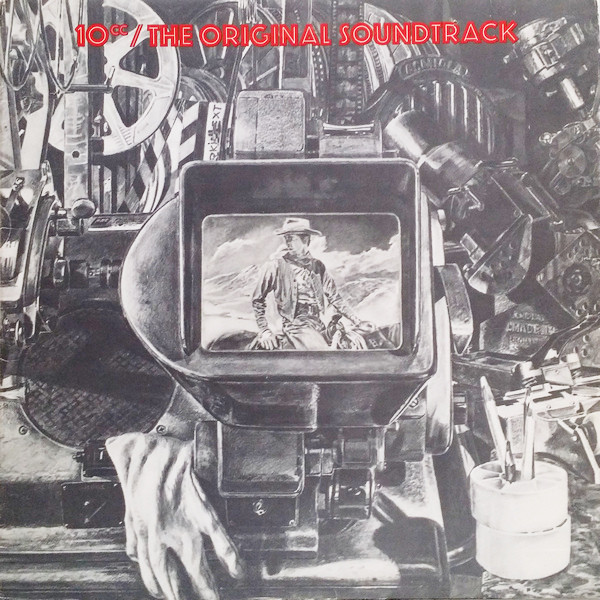
The Original Soundtrack
1975
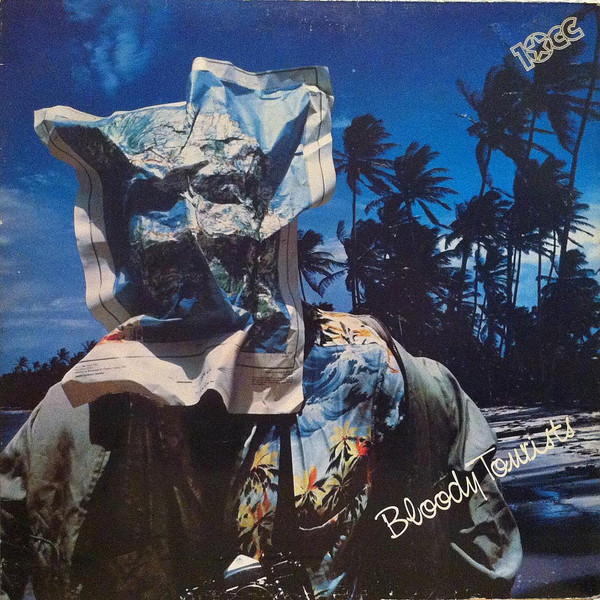
Bloody Tourists
1978
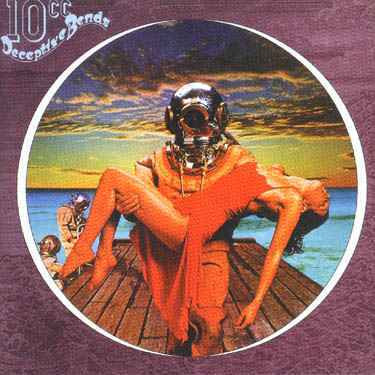
Deceptive Bends
1977
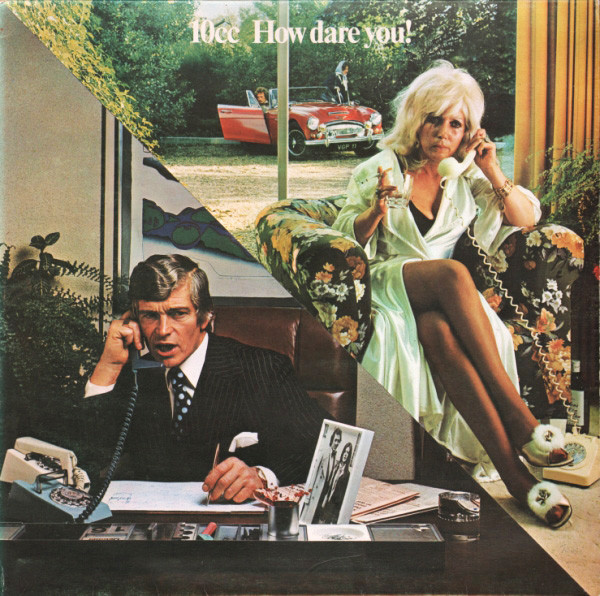
How Dare You!
1976
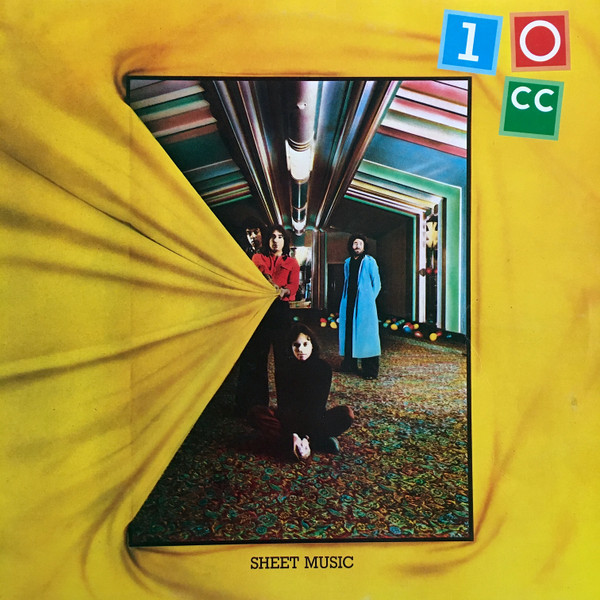
Sheet Music
1974
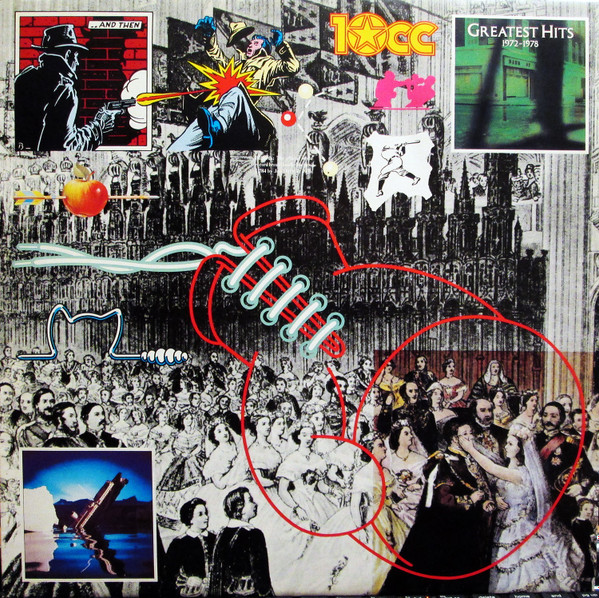
Greatest Hits 1972-1978
1979

10cc
1973
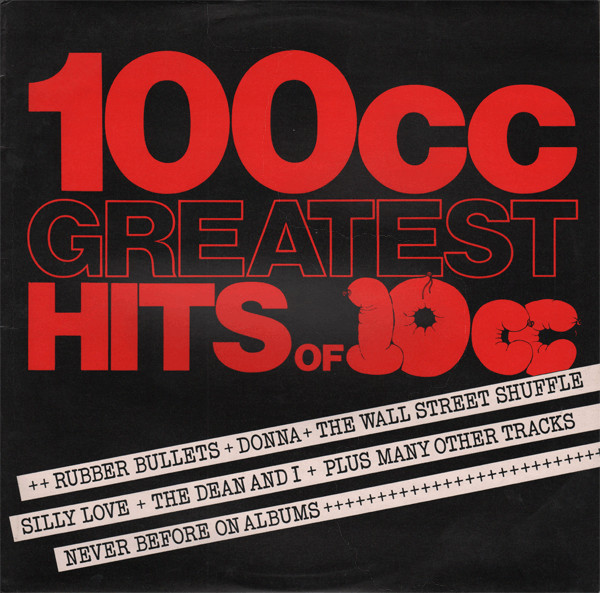
100cc Greatest Hits Of 10cc
1975

Look Hear?
1980
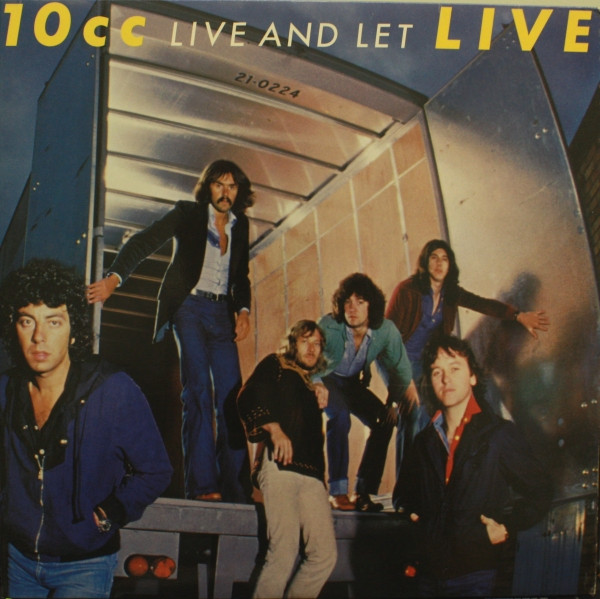
Live And Let Live
1977
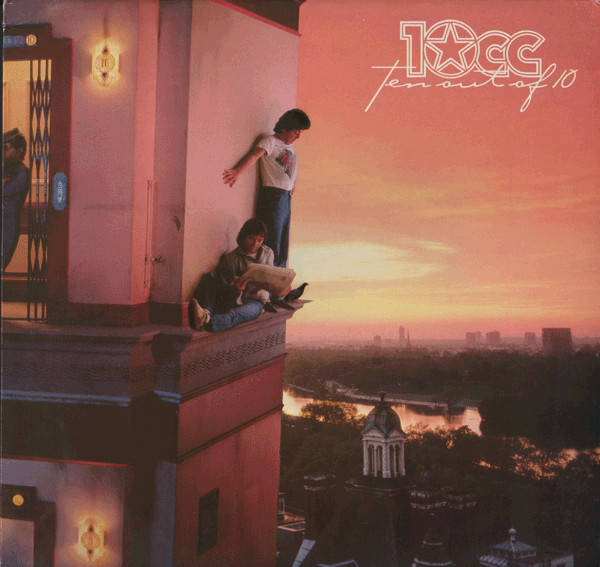
Ten Out Of 10
1981

Dreadlock Holiday
1978
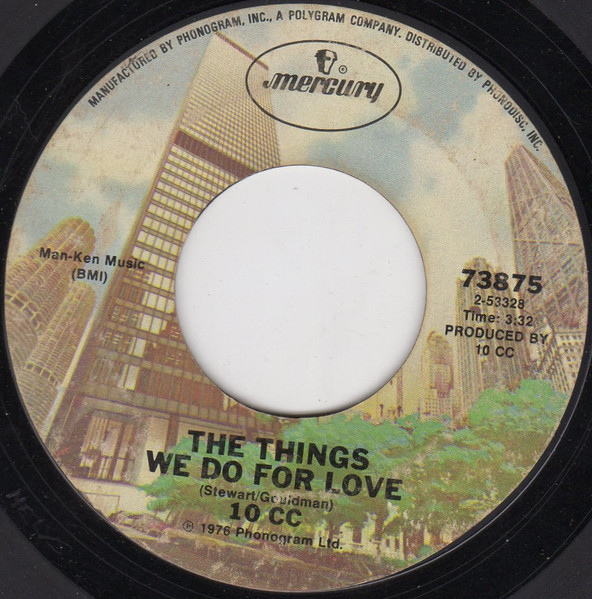
The Things We Do For Love
1976

The Best Of 10cc
2002

The Very Best Of 10cc
1997

Rock & Pop Legends
1995

Greatest Hits
1990

Changing Faces (The Best Of 10cc And Godley & Creme)
1987

Windows In The Jungle
1983
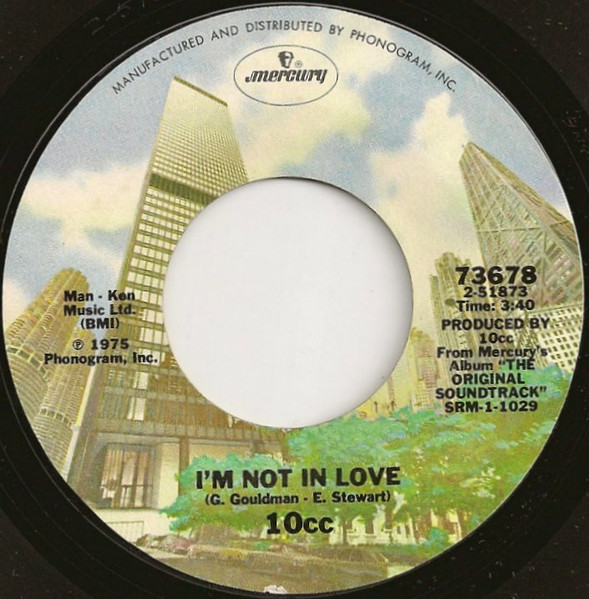
I'm Not In Love / Channel Swimmer
1975

Rubber Bullets
1973
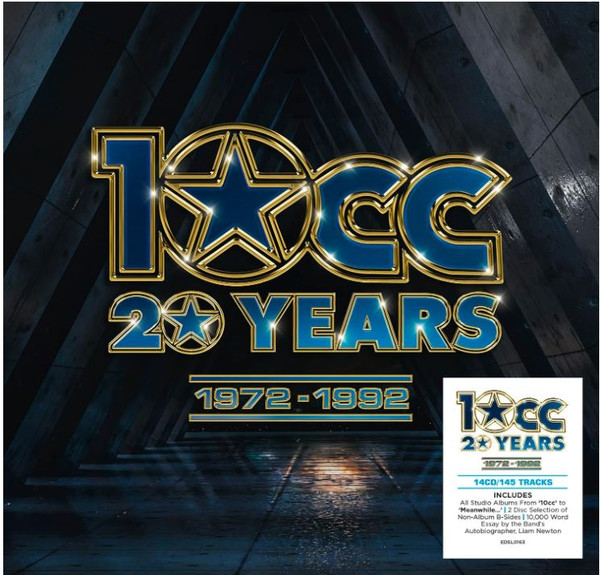
20 Years (1972-1992)
2024

The Things We Do For Love: The Ultimate Hits And Beyond
2022
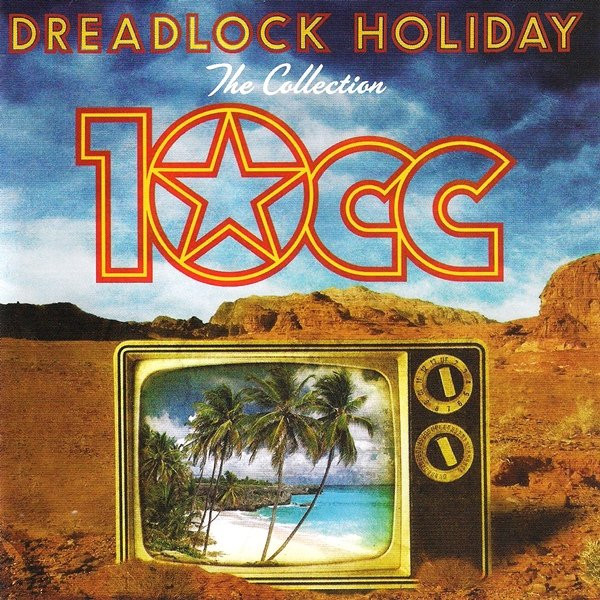
Dreadlock Holiday (The Collection)
2012
Related artists
Members
Frequent collaborators
Around the web
Follow every record they touch.
Start your shelf and Gatefold tracks 10cc's new pressings, tour dates, and the whole discography — automatically.
Start your shelf →Free forever. Works with 10 records or 10,000.