
Artist
Joe Zawinul
jazz and fusion keyboard player
Austria · 1932 – 2007
Joe Zawinul is a musician from Austria, active 1932–2007. Their discography on Gatefold includes 7 records. They also recorded with Weather Report, Cannonball Adderley Sextet and The Zawinul Syndicate.

39
Albums tracked
317
In collections
1932
Since
Biography
Zawinul didn't even have a synthesizer when he started sketching out the framework for what would become fusion; he was just a skinny guy from Vienna playing an acoustic piano with a touch so heavy it felt like a percussion instrument. By the time he was lugging a Rhodes and an ARP 2600 into the studio for the Bitches Brew sessions, he’d already spent years playing second fiddle in Cannonball Adderley’s band, writing the massive hit 'Mercy, Mercy, Mercy' on an instrument the label didn't even want him to use. He was the secret weapon who dragged Miles Davis into the electric age, providing the skeletal compositions that became the foundation for the entire 1970s jazz-rock movement. He wasn't interested in traditional swing once he found his feet. He wanted the keys to sound like a forest, or a city street, or a thunderstorm. People shit on the late-era Weather Report stuff for being too slick, but Zawinul was obsessed with the tech—he was one of the few guys who could make a synthesizer sound human because he played it like a horn. He didn't use presets. He built sounds from the ground up, patch cables and all, and if the record sounded like a computer having a panic attack, that’s exactly what he intended.
Bio from The Clerk
The Arc of Joe Zawinul
The pivots — what forced Joe Zawinul to reinvent.
The Soul-Jazz Apprentice
During his decade with Cannonball Adderley, Zawinul moved from a traditional pianist to the guy who defined the soulful, gospel-inflected sound of the 1960s. The pivot happened when he insisted on using a Wurlitzer electric piano for the 'Mercy, Mercy, Mercy' session at Capitol Studios, a move the producers initially fought because they thought it sounded cheap. That record became a crossover smash, proving that the electric piano could carry a melody just as well as a horn and setting the stage for his eventual move into pure electronic textures.
The Silent Way Architect
When he walked into the studio with Miles Davis for 'In a Silent Way,' he brought a sketch of a song that Miles immediately stripped down to its barest chords. This session forced Zawinul to stop playing 'at' the music and start playing 'inside' it, using two electric pianos to create a hazy, ambient wash that had never been heard in jazz. It was a total rejection of the hard-bop complexity he'd mastered, focusing instead on space, repetition, and a drone-like intensity that birthed the fusion era.
Weather Report and the ARP Era
Founding Weather Report with Wayne Shorter shifted the focus from soloing to collective improvisation, but the real change came when Zawinul got his hands on the ARP 2600 synthesizer. He started treating the keyboard like a lead saxophone, using a foot pedal to control the pitch and filter, which gave 'Heavy Weather' its massive, orchestral punch. This was the peak of his power, where he successfully married world music rhythms with high-end studio polish before the band eventually dissolved into more commercial, synth-heavy experiments.
Influences
- George Shearing — Zawinul specifically cited Shearing's 'locked-hands' block chord technique as his primary technical foundation. You can hear this architectural approach to chords across his entire solo career, especially when he’s layering complex synth pads.
- Duke Ellington — He obsessed over Ellington's ability to write for specific personalities in an orchestra rather than just instruments. Zawinul mirrored this in Weather Report, often composing pieces around Jaco Pastorius's specific fretless bass tone rather than just writing a generic bass line.
- Friedrich Gulda — Before he left for America, Zawinul studied with this Austrian classical maverick who was one of the first to bridge the gap between Mozart and jazz. Gulda’s rigorous classical discipline is why Zawinul’s most chaotic synth solos still have a terrifyingly precise logic to them.
- Ray Charles — Zawinul admitted that hearing Ray Charles was what made him want to play with a 'black' feel and move toward the soul-jazz that defined his 60s output. That gospel-drenched, rhythmic staccato on 'Mercy, Mercy, Mercy' is a direct lineage from Brother Ray’s piano bench.
- Louis Armstrong — He frequently called Armstrong his biggest influence, not for the instrument, but for the concept of 'melody over everything.' Even at his most avant-garde, Zawinul kept a vocal, lyrical quality in his lead lines that he traced back to Satchmo's phrasing.
Joe Zawinul — solo
Their records — most-collected first.
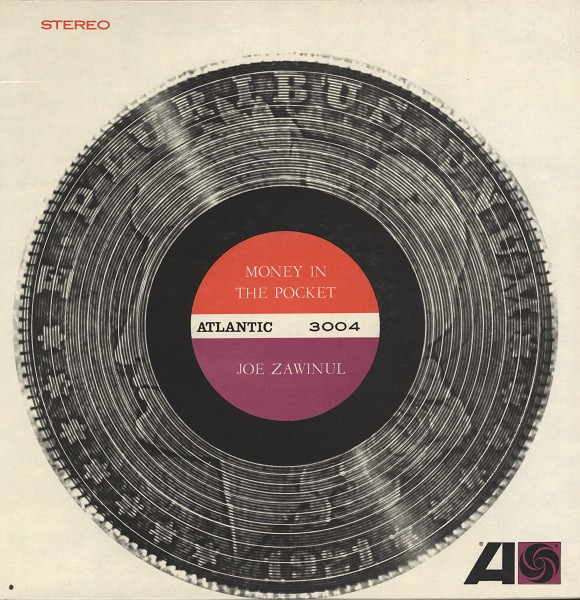


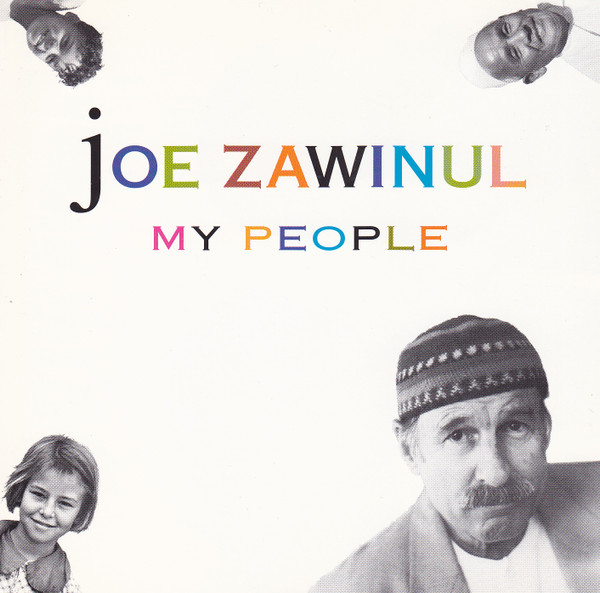
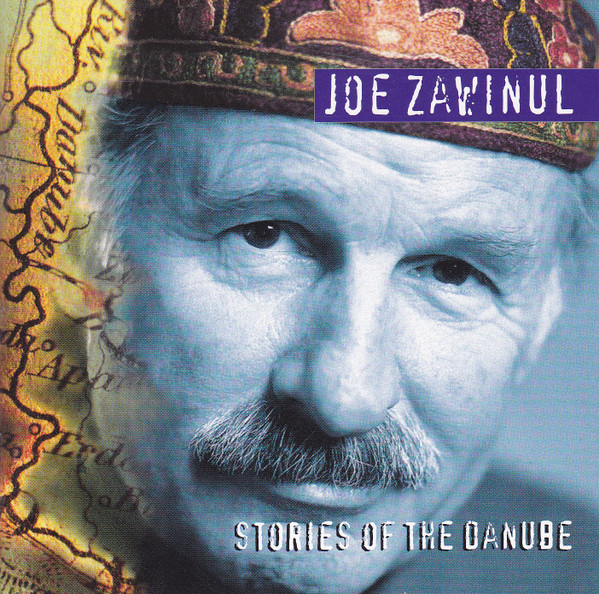


Weather Report
A project Joe Zawinul was part of.
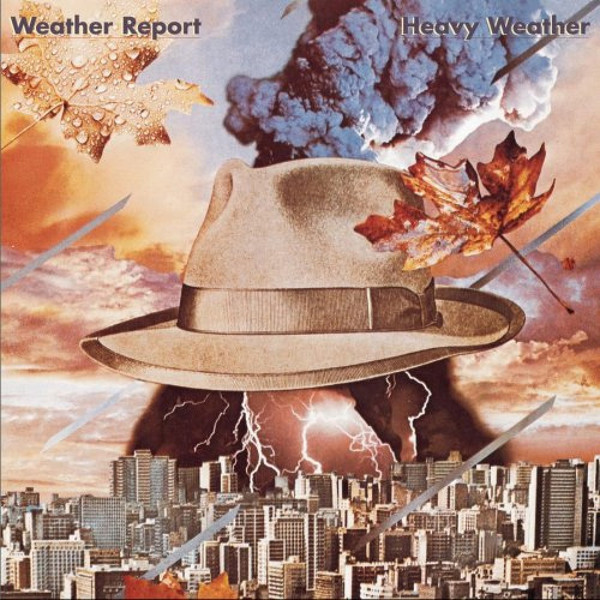
Heavy Weather
1977
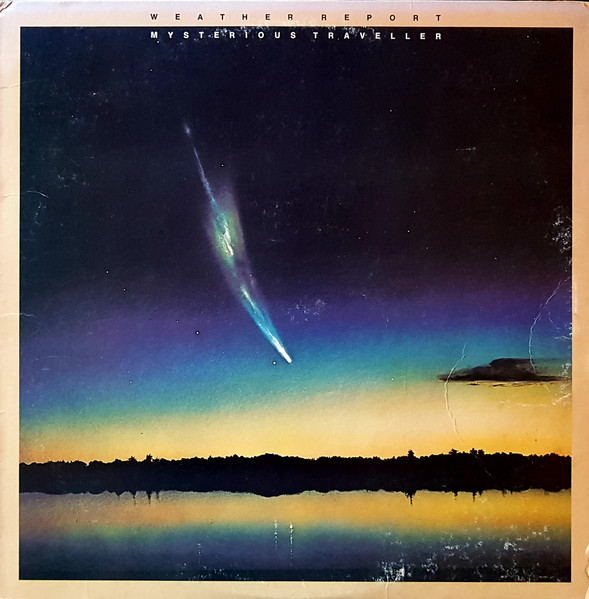
Mysterious Traveller
1974
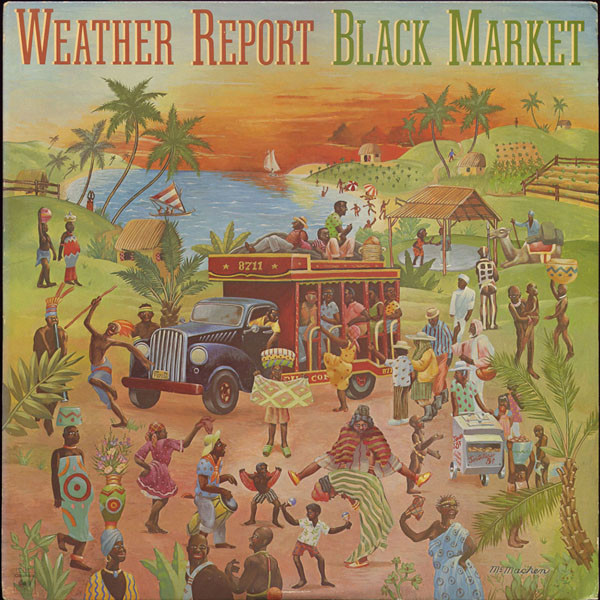
Black Market
1976
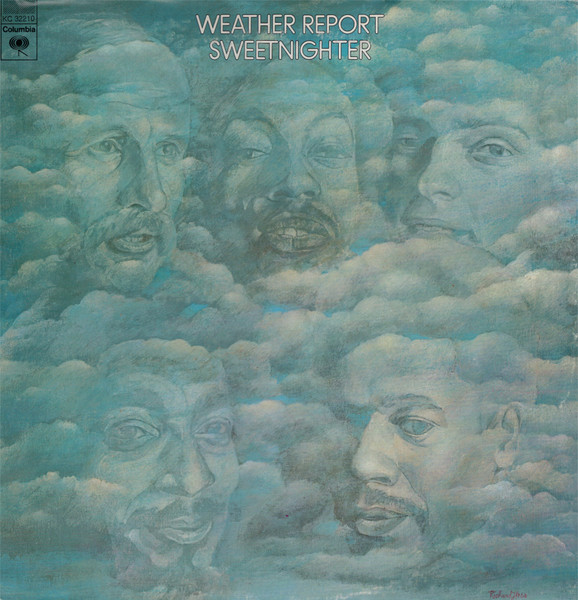
Sweetnighter
1973

Mr. Gone
1978
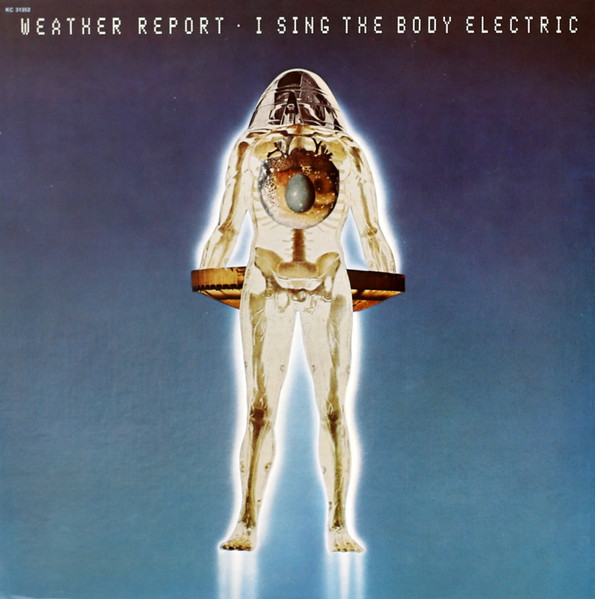
I Sing The Body Electric
1972
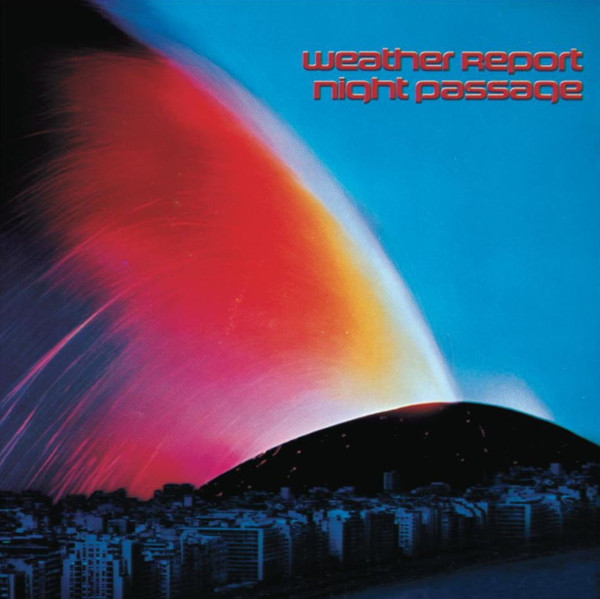
Night Passage
1980
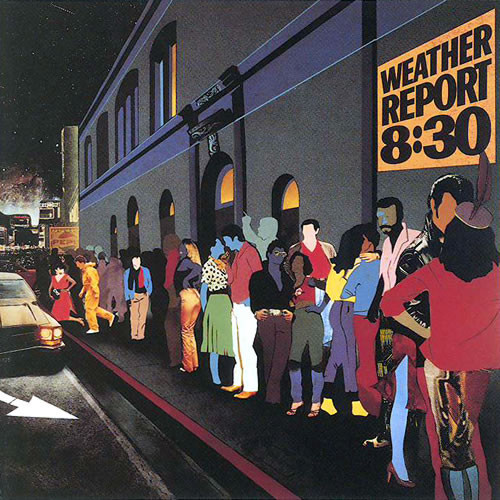
8:30
1979
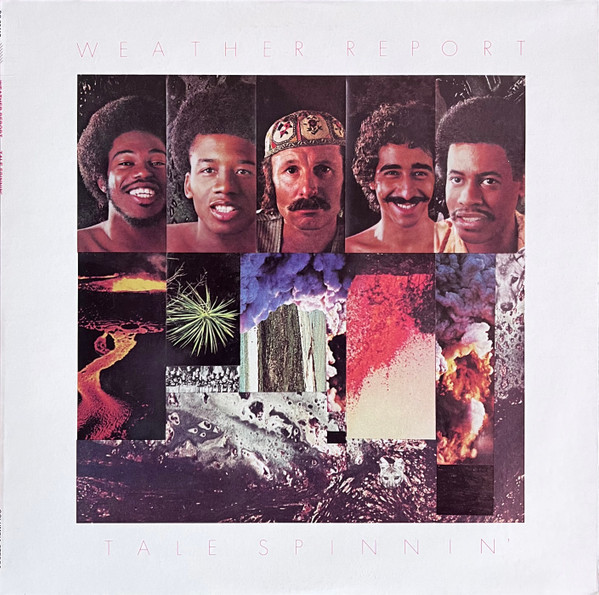
Tale Spinnin'
1975

Domino Theory
1984
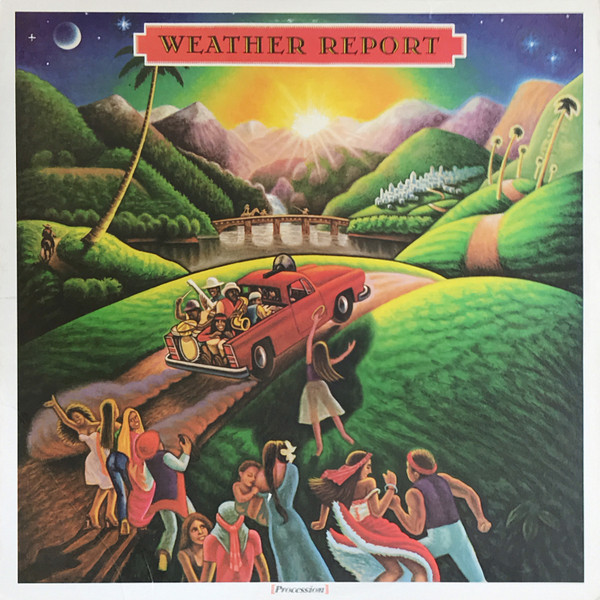
Procession
1983
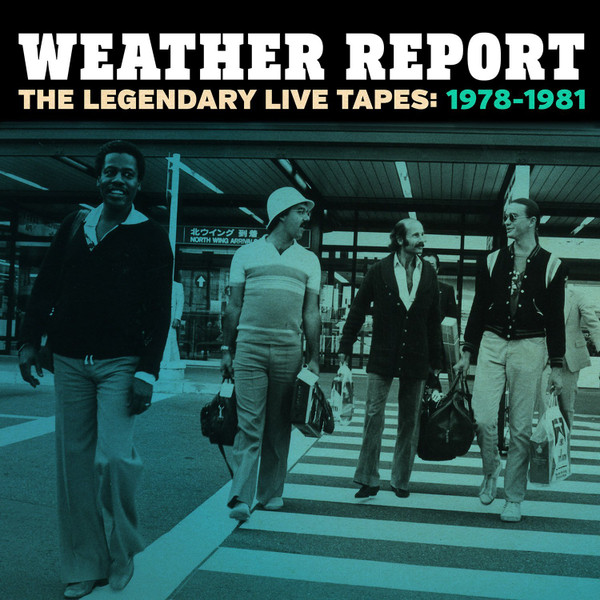
The Legendary Live Tapes: 1978-1981
2015
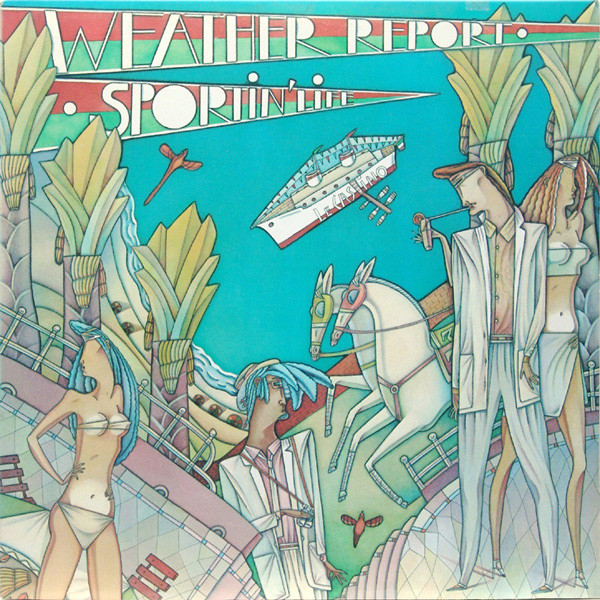
Sportin' Life
1985

Weather Report
1982
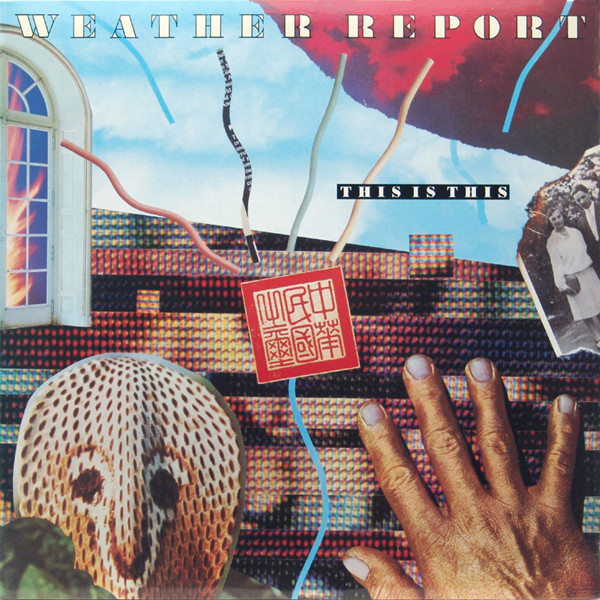
This Is This
1986
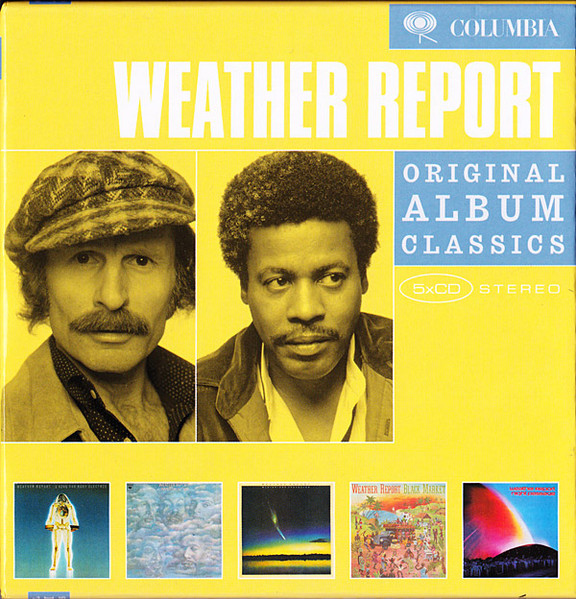
Original Album Classics
2007

Live In Berlin 1971
2023

Live In Offenbach 1978
2011
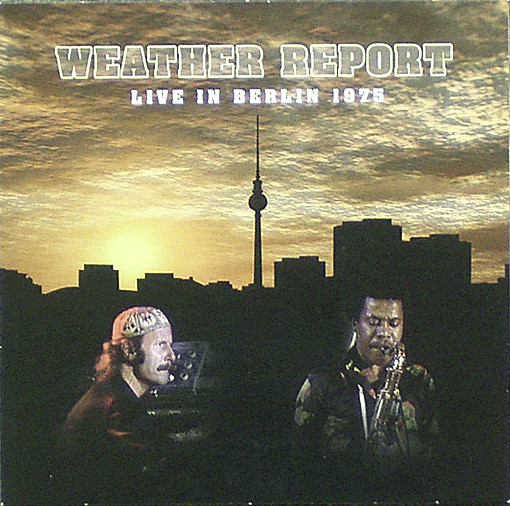
Live In Berlin 1975
2011
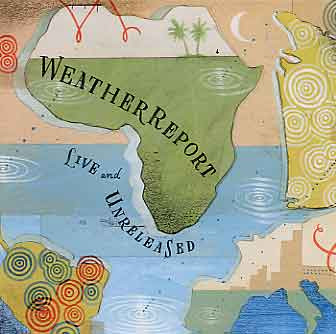
Live & Unreleased
2002

Live In London
2020

The Columbia Albums 1976-1982
2014
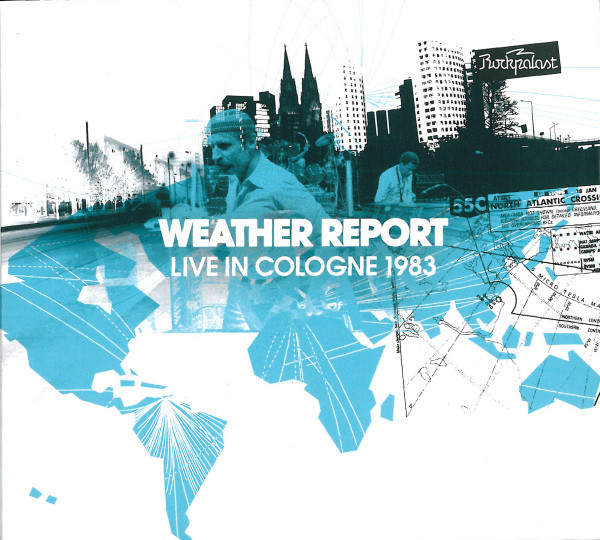
Live In Cologne 1983
2011

Collections
2008
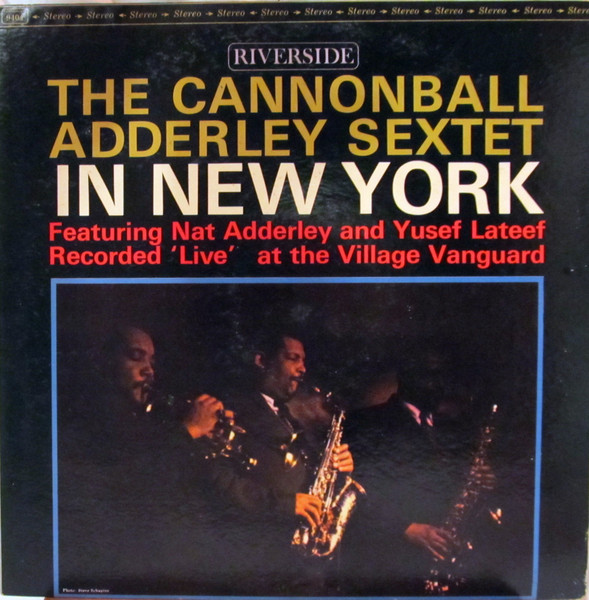
Cannonball Adderley Sextet
A project Joe Zawinul was part of.


The Zawinul Syndicate
A project Joe Zawinul was part of.


Related artists
Around the web
Follow every record they touch.
Start your shelf and Gatefold tracks Joe Zawinul's new pressings, tour dates, and the whole discography — automatically.
Start your shelf →Free forever. Works with 10 records or 10,000.