
Artist
Yeah Yeah Yeahs
New York City, United States · Formed 2000
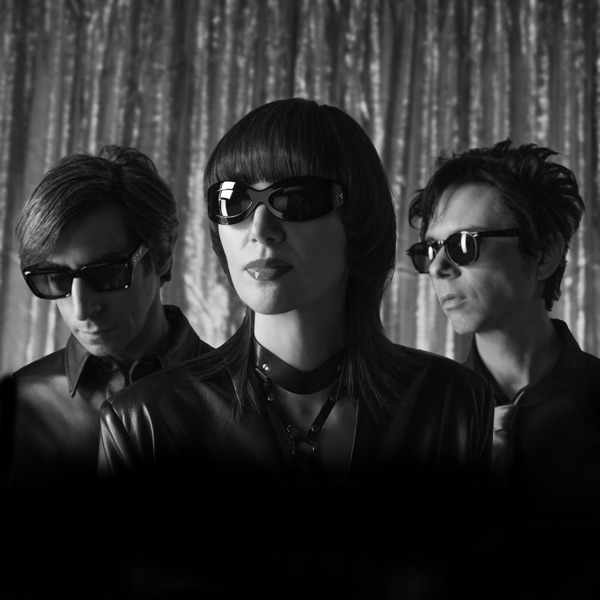
Yeah Yeah Yeahs is a music group from New York City, United States, active since 2000. Their discography on Gatefold includes 19 records.
19
Albums tracked
288
In collections
2000
Since
Biography
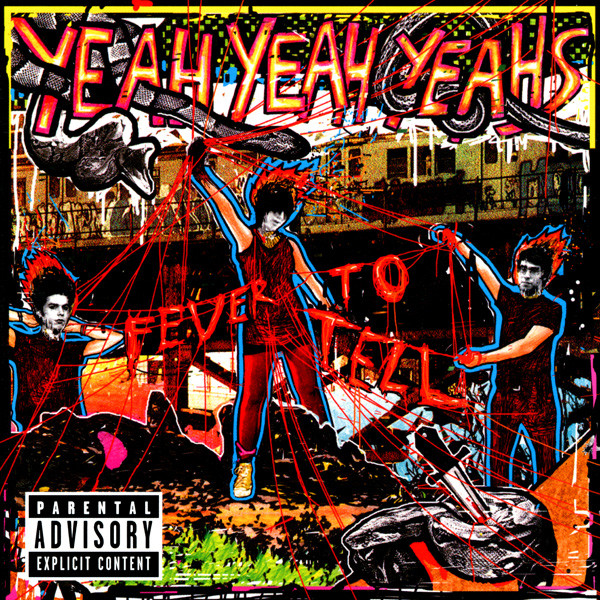
Nick Zinner ran his guitar through a chain of pedals directly into two amps to fill the low end because the band literally refused to hire a bass player. That missing frequency defined their whole early attack. Brian Chase played jazz-trained pocket beats while Karen O poured cheap beer down her fishnets and shrieked into Shure SM58s across dive bars in the Lower East Side. When David Sitek tracked Fever to Tell at Headgear in Brooklyn, he didn't clean up the bleed. He leaned right into it, capturing an unhinged art-punk trio that could pivot from pure feral violence to a generational tearjerker in three minutes flat. They could have burned out like the rest of the 2001 New York hype machine. Instead, they survived interpersonal meltdown, acoustic identity crises, and a massive pivot to vintage synthesizers that pissed off the garage-rock purists and saved their creative lives. Mosquito almost derailed the whole thing with clumsy dub experiments and weird production bloat, but they went on ice, regrouped, and came back nearly a decade later with their dignity completely intact.
Bio from The Clerk
The Arc of Yeah Yeah Yeahs
The pivots — what forced Yeah Yeah Yeahs to reinvent.
The Raw No-Bass Trio
Between the self-titled EP and Fever to Tell, the band existed on jagged edges and zero low-end safety net. Nick Zinner looped rhythms on the fly while Karen O turned basement shows into bloodbaths of glitter and sweat. Producer David Andrew Sitek pushed the tape saturation to the red line, bottling the claustrophobic panic of post-9/11 Manhattan. You hear it best on 'Date with the Night,' where Zinner's guitar squeals sound like metal tearing apart under stress.
The Acoustic Hangover
Exhaustion and internal friction nearly ended the band before they entered the studio for Show Your Bones. Desperate to escape the garage-rock straightjacket, they sidelined the blown-out distortion pedals in favor of acoustic guitars, custom percussion, and Sam Spiegel's cleaner production desk. The New York scene wanted Fever to Tell Part Two and got a moody, anxious folk-rock record instead. It baffled critics at the time, but tracks like 'Cheated Hearts' proved Karen could write massive hooks without relying on pure shock value.
The Synth-Pop Reinvention
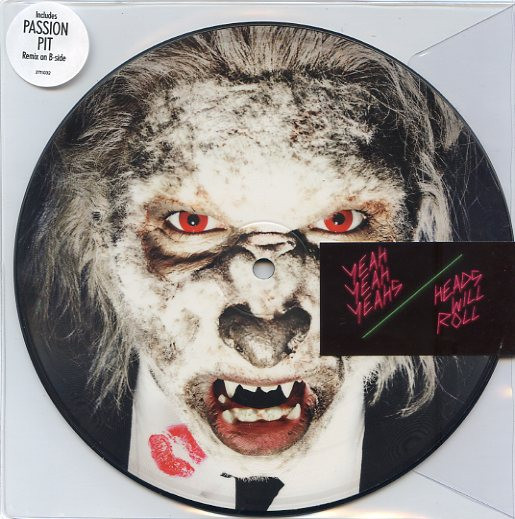
Zinner hit a massive creative wall with the guitar, bought vintage synthesizers, and took the band out to rural Massachusetts and Sonic Youth's studio to rebuild their sound. Bringing in Nick Launay alongside Dave Sitek turned It's Blitz! into a sweeping, floor-shaking dance record. Karen traded art-punk screeching for glacial disco glamour, and the gamble paid off completely. The pulse of 'Zero' and 'Heads Will Roll' gave them a second life when their peers were already running out of gas.
The Long Freeze and Return
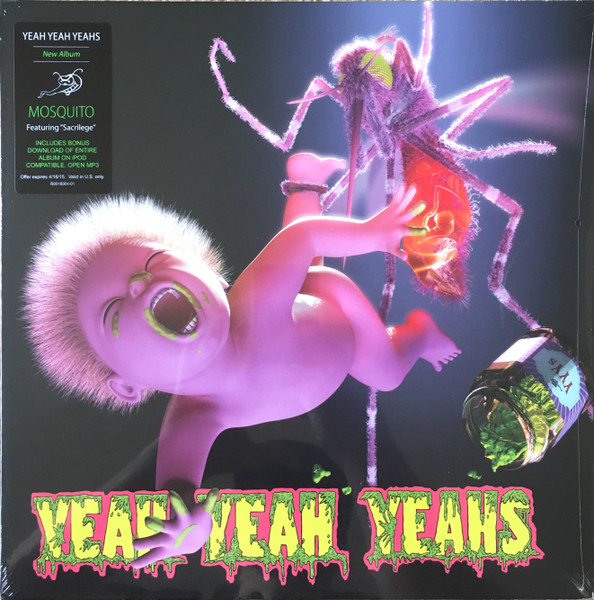
After the unfocused mess of Mosquito in 2013, the band hit the brakes and walked away for nearly a decade while life happened. They reconvened with Dave Sitek to cut Cool It Down, stripping the catalog down to eight tight, cinematic arrangements. Bringing in Perfume Genius on 'Spitting Off the Edge of the World' signaled a band comfortable with mid-tempo grandeur and apocalyptic weight. They came back lean, patient, and utterly unbothered by modern radio trends.
Influences
- Siouxsie and the Banshees — Karen O has repeatedly cited Siouxsie Sioux as her primary visual and vocal blueprint for fronting a band without compromising power. You hear it in the operatic glides, breathy theatrical drops, and rhythmic yelps all over 'Art Star' and 'Down Boy.' Without Siouxsie, Karen never develops that dynamic swing between menace and vulnerability.
- The Slits — The band cut their teeth covering 'Typical Girls' live during their earliest New York club sets. That dub-influenced, chaotic post-punk elasticity directly shaped the loose, off-kilter grooves Brian Chase laid underneath Zinner's noise. It taught them that rhythm in punk didn't have to be a straight four-on-the-floor thrash.
- The Cramps — Nick Zinner modeled his early setup—specifically ditching a bass player to let the guitar handle both fuzz-drenched rhythm and surf-psych leads—on Poison Ivy's structural role. The sleazy, trash-rock DNA on 'Machine' and 'Mystery Girl' comes straight out of the Lux Interior and Ivy playbook. It gave the trio permission to be filthy and primitive.
- Blondie — Before Yeah Yeah Yeahs bridged the gap between CBGB scuzz and Studio 54 disco on It's Blitz!, Debbie Harry and Chris Stein wrote the manual for it. Karen's cool, detached, yet razor-sharp delivery on tracks like 'Heads Will Roll' mirrors Harry's exact cadence on 'Atomic' and 'Heart of Glass.' It gave them a roadmap for going pop without losing their downtown edge.
- PJ Harvey — Karen O spent her formative years studying Rid of Me and To Bring You My Love, focusing on how Polly Jean weaponized raw, unvarnished female rage against minimalist instrumentation. The gut-level vocal violence on 'Man' and 'Rich' directly channels Harvey's 4-track intensity. It set the bar for how Karen attacked the microphone.
Discography
Their records — most-collected first.





Related artists
Around the web
Follow every record they touch.
Start your shelf and Gatefold tracks Yeah Yeah Yeahs's new pressings, tour dates, and the whole discography — automatically.
Start your shelf →Free forever. Works with 10 records or 10,000.