
Artist
Wolf Parade
Montreal, Canada · Formed 2003
Wolf Parade is a music group from Montreal, Canada, active since 2003. Their discography on Gatefold includes 8 records.

8
Albums tracked
95
In collections
2003
Since
Biography
Isaac Brock dragged these guys down to Portland's Audible Alchemy to capture lightning before they tore each other apart. Most bands get one frontman with an ego; Wolf Parade showed up with two competing songwriters who sounded like they were actively wrestling for control of the mixing board. Spencer Krug shoved frantic, theatrical prog-synth chaos through cheap digital gear, while Dan Boeckner came swinging with raw, Springsteen-in-leather heartland punk. It was frantic, unhinged, and totally volatile. That internal friction didn't break their debut—it gave it teeth. The problem was sustainability. Operating as a two-headed monster meant every record was a civil war over tracklist space, and after burning out in 2011, they splintered into a half-dozen side projects that frankly never hit with the same gut-punch weight. When they reunited years later, they had shed the self-destructive bloat, eventually stripping down to a focused trio. The later records don't have the drunken, tape-bleeding terror of the early days, but they figured out how to stay sharp without killing each other in the tracking room.
Bio from The Clerk
The Arc of Wolf Parade
The pivots — what forced Wolf Parade to reinvent.
The Brock Sessions and the Breakthrough
Isaac Brock caught their early Montreal demos, dragged them to Sub Pop, and sat behind the board at Audible Alchemy to harness the mess. The resulting full-length, Apologies to the Queen Mary, caught a band running purely on adrenaline, cheap keyboards, and mutual competition. Krug’s warbling glam-operatics slammed headfirst into Boeckner’s razor-wire post-punk guitar hooks. It was messy, brilliant, and completely unsustainable.
Self-Produced Drift and Mount Zoomer
Ditching outside producers, the band holed up to self-produce their second record with five fully credited members, including new recruit Dante DeCaro. At Mount Zoomer traded the debut's punchy indie-rock frenzy for sprawling ten-minute jams, jagged guitar interplay, and wandering art-rock dynamics. You can hear the studio indulgence bleeding through the tape, pulling their sound in opposite directions. Hadji Bakara walked away for academia immediately after, ending their run as a five-piece.
The Live Wire Rush and the Freeze
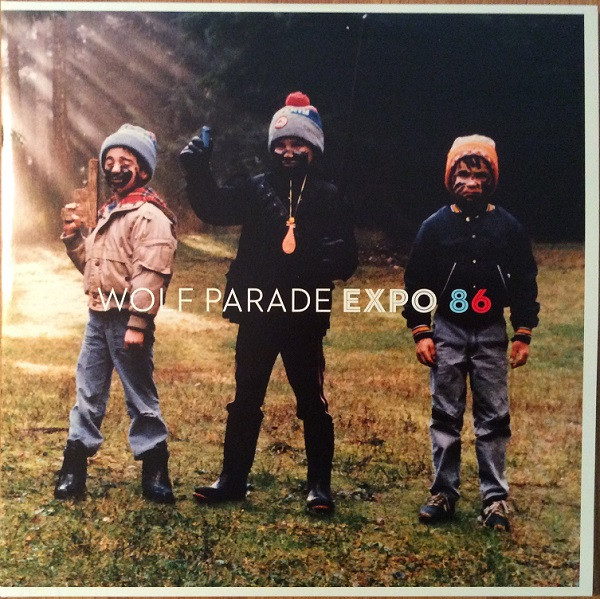
Stripped to a quartet, they brought in Howard Bilerman to capture them tracking essentially live in the studio for Expo 86. The arrangements got tighter, the tempo went through the roof, and the songs traded art-school noodling for massive power-pop guitar stabs. It was an exhausting, unrelenting record that pushed them to a hard physical wall on tour. Burned out from years of internal pressure, they pulled the plug in 2011 and disappeared into an indefinite hiatus.
The Reunion and the Goodmanson Era
Five years of side hustles proved they worked best in the same room, prompting an unannounced 2016 return with the self-released EP 4. They went straight to producer John Goodmanson to cut Cry Cry Cry for Sub Pop, dialing back the claustrophobic dread in favor of sleek, widescreen synth hooks and refined melodic balance. The record proved their reunion was a working band rather than a hollow cash-in. It was also the end of an era, marking Dante DeCaro's final studio exit.
The Core Trio
Down to the original founding core of Krug, Boeckner, and drummer Arlen Thompson, they retained John Goodmanson to engineer a tighter, more synth-heavy approach. Thin Mind forced Krug and Boeckner to carry the entire harmonic load without a second guitarist, pushing vintage synthesizers and drum machines straight to the front of the mix. The tension from 2005 had finally evolved into a disciplined, utilitarian rhythm. It is the sound of survivors who know how to build a song without wrecking the room.
Influences
- Modest Mouse — Isaac Brock discovered Wolf Parade, signed them to Sub Pop, and personally produced their 2005 label debut. You can hear his frantic, throat-tearing vocal delivery and brittle guitar grit all over the jittery rhythms of Apologies to the Queen Mary. He gave them the exact sonic permission to sound completely unhinged.
- David Bowie — Spencer Krug has repeatedly cited Bowie's Berlin-era run and theatrical vocal shifts as the foundation for his own writing. The dramatic vibrato, apocalyptic storytelling, and aggressive synthesizer fanfares on tracks like 'Fancy Claps' trace straight back to 'Heroes' and Scary Monsters. Krug took the art-glam vocal playbook and ran it through broken punk hardware.
- Bruce Springsteen — Dan Boeckner has spent his entire career championing Springsteen's working-class urgency and big-hook romanticism. You hear it immediately in the anthemic chug, heart-on-sleeve lyricism, and relentless forward drive of 'Shine a Light.' Boeckner plays post-punk like a guy who grew up believing the E Street Band could save a dying mill town.
- Television — The jagged, interlocking dual-guitar work between Boeckner and Dante DeCaro directly reflects Tom Verlaine and Richard Lloyd's tightly wound arrangements. You can hear that Marquee Moon influence all over the winding instrumental coda of 'Kissing the Beehive.' It is guitar music that relies on nervous interplay rather than heavy distortion.
- The Cure — Hadji Bakara's atmospheric keyboard textures and the band's driving basslines lean hard on the gloomy, flange-heavy dread of early-eighties Robert Smith. The moody, pulsing synth lines on tracks like 'I'll Believe in Anything' borrow heavily from the sweeping gloom of Disintegration. They took that goth-pop melancholy and fed it pure caffeine.
Discography
Their records — most-collected first.




Related artists
Around the web
Follow every record they touch.
Start your shelf and Gatefold tracks Wolf Parade's new pressings, tour dates, and the whole discography — automatically.
Start your shelf →Free forever. Works with 10 records or 10,000.