
Artist
White Lion
New York, United States · 1983 – 2013
White Lion is a music group from New York, United States, active 1983–2013. Their discography on Gatefold includes 9 records.

9
Albums tracked
66
In collections
1983
Since
Biography
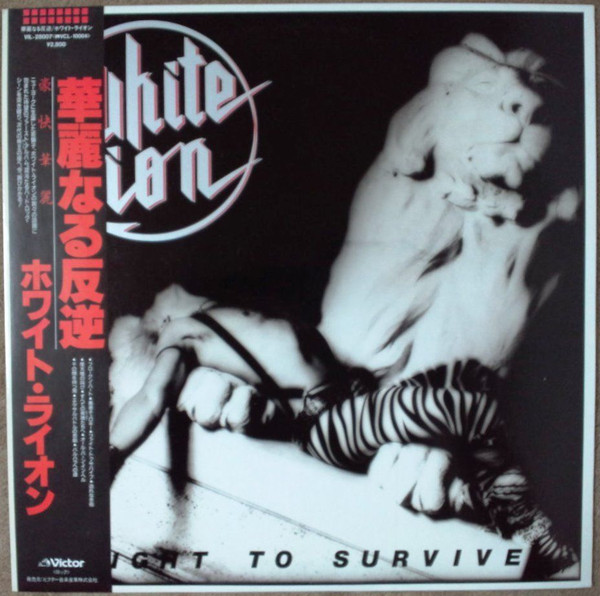
Vito Bratta was playing through a Marshall stack and a custom ESP with a Floyd Rose when he basically rebuilt the vocabulary of hair metal guitar. Most of these sunset strip bands were just recycling Van Halen leftovers, but Bratta was a goddamn architect. He was obsessed with tapping and classical inversions, playing with a precision that made everyone else in the 1987 scene look like they were wearing mittens. Mike Tramp brought that European melodic sensibility from his time in Mabel, giving the band a polish that felt way more deliberate than the usual whiskey-soaked sleaze. They got dropped by Elektra before the first record even hit US shelves. That kind of shit usually kills a band. Instead, they took those 'Fight to Survive' tracks to RCA and eventually landed at Atlantic where Michael Wagener—the guy who engineered 'Master of Puppets' and mixed 'Skid Row'—honed their sound into something massive. They weren't just another party band; they were writing about Greenpeace and children in the shadows while everyone else was singing about the Rainbow Bar and Grill. It was high-IQ hair metal, which is a hell of a tightrope to walk.
Bio from The Clerk
The Arc of White Lion
The pivots — what forced White Lion to reinvent.
The Atlantic Ascent
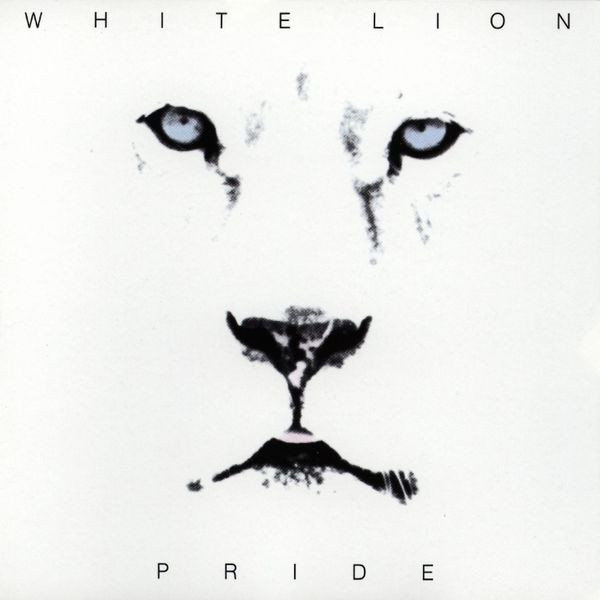
Michael Wagener took the helm for 'Pride' and turned Bratta’s intricate tapping into a wall of platinum-selling sound. The production was dry, tight, and focused, pushing 'Wait' and 'When the Children Cry' into the stratosphere. You can hear the shift from the raw, low-budget grit of their debut to a meticulously layered studio beast that prioritized clarity over chaos. This was the moment the lineup of Tramp, Bratta, LoMenzo, and D’Angelo became a legitimate machine.
The Over-Polished Gamble
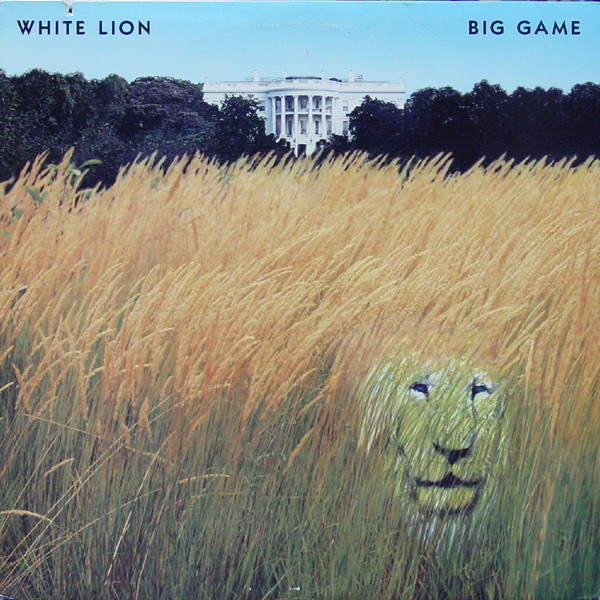
By the time 'Big Game' rolled around in '89, the label was rushing them to capitalize on the 'Pride' momentum, resulting in a record written and tracked in just six weeks. Wagener was still behind the board, but the songs felt thinner and the social commentary started to feel like a checklist. The cover of Golden Earring’s 'Radar Love' was a blatant grab for radio play that signaled a band losing its internal compass. It sold on the strength of the name, but the cracks in the foundation were starting to show through the glossy finish.
The Ritchie Zito Pivot
For 'Mane Attraction' in 1991, they brought in Ritchie Zito to capture a more natural, live-in-the-room energy that moved away from Wagener's clinical precision. The tracks got longer and Bratta’s playing became even more blues-inflected, especially on the nearly eight-minute 'Lights and Thunder.' It was their most mature work, but it crashed directly into the Seattle grunge wall. They went from headlining arenas to dissolving in the back of a tour bus because the industry decided their entire aesthetic was suddenly obsolete.
Influences
- Van Halen — Vito Bratta has explicitly cited Eddie’s two-handed tapping technique as his primary technical foundation. You hear it in the rhythmic 'cluck' of his solos and his choice of a bridge humbucker for harmonic squeals. It’s the VH blueprint filtered through a more melodic, structured lens.
- The Beatles — Mike Tramp frequently points to the Fab Four as his standard for pop songwriting and vocal harmonies. This influence manifests in the band's unusually strong focus on bridge construction and melodic hooks that felt closer to McCartney than Motley Crue. For fuck's sake, they even covered 'Lucy in the Sky with Diamonds' in their early live sets.
- Thin Lizzy — The twin-guitar harmony style of Gorham and Robertson is baked into Bratta’s overdubbed studio solos. You can hear that Celtic-influenced melodicism in the way he stacks lead lines on 'Little Fighter.' It's that specific blend of hard rock grit and melancholy melody that Phil Lynott mastered.
- Golden Earring — The band covered 'Radar Love' on 'Big Game' as a direct tribute to the Dutch rock veterans who influenced Tramp's European rock upbringing. The influence shows up in their attempt to merge straightforward driving rock with slightly progressive arrangements. It was a nod to the arena-rock durability of the 70s.
- Allan Holdsworth — Bratta was a closet jazz-fusion nerd who obsessed over Holdsworth's fluid legato and unconventional chord voicings. You hear it in the 'liquid' feel of his solo runs where the notes seem to smear together without the percussive attack of a pick. He was bringing fusion-level sophistication to a genre that usually settled for three chords and a scream.
Discography
Their records — most-collected first.



Related artists
Around the web
Follow every record they touch.
Start your shelf and Gatefold tracks White Lion's new pressings, tour dates, and the whole discography — automatically.
Start your shelf →Free forever. Works with 10 records or 10,000.