
Artist
Weyes Blood
Santa Monica, United States · b. 1988
Weyes Blood is a musician from Santa Monica, United States, active since 1988. Their discography on Gatefold includes 8 records. They also recorded with Jackie-O Motherfucker.

19
Albums tracked
63
In collections
1988
Since
Biography
Natalie Mering started out hauling a 4-track into the Portland basement noise scene, grinding it out with Jackie-O Motherfucker while the rest of the folk revival was busy buying suspenders. She wasn't some pastoral singer-songwriter project; she was a weirdo with a loop pedal and a deep-seated obsession with the choir lofts of her youth. You can hear that tension in the early stuff—murky, low-fidelity tape hiss clashing against a vocal range that felt way too sophisticated for the crusty DIY spaces she was playing. She eventually stopped hiding behind the noise and leaned into the high-budget baroque arrangements that her voice actually demanded. Working with Jonathan Rado at Electro-Vox shifted everything. They went for that lush, wide-screen '70s Laurel Canyon sound, but kept the lyrics focused on the cold reality of a world melting down. It’s that rare pivot where the production finally caught up to the scale of the ambition, moving from the back of the bin to center stage without losing the eccentric streak that made the early tapes interesting.
Bio from The Clerk
The Arc of Weyes Blood
The pivots — what forced Weyes Blood to reinvent.
The Basement Tape Experiments
Before the orchestral sweeps, Mering was operating under the Weyes Bluhd moniker, self-releasing cassettes like The Outside Room. She tracked these records with a heavy emphasis on medieval melodic structures and degraded magnetic tape, far removed from the polish of a professional studio. The sound was defined by its claustrophobia, utilizing organ drones and dissonant vocal layering to create a dark, liturgical folk that felt more like a haunting than a performance. It was a brutal, lo-fi introduction that established her as a freak-folk outsider rather than a pop contender.
The Mexican Summer Shift
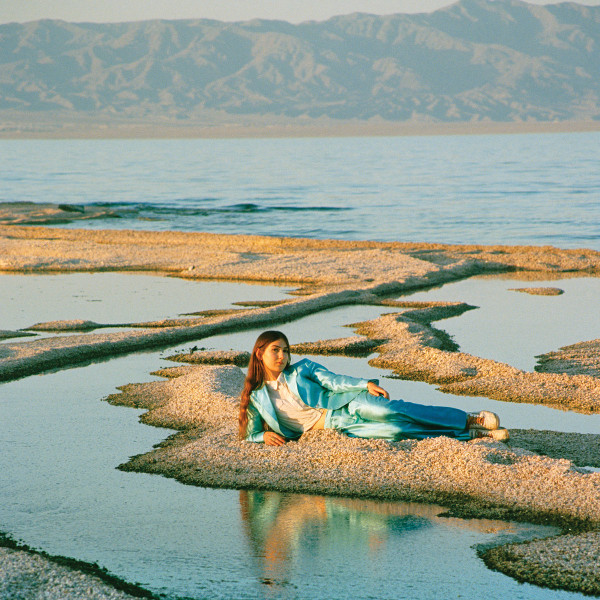
Moving to the Mexican Summer label and working with Chris Coady for Front Row Seat to Earth changed the physics of her records. They moved the vocals to the front of the mix and swapped the murky tape loops for crystalline 12-string guitars and properly tracked piano. You can hear the influence of the California sunshine bleeding into the arrangements, even as the songs tackled the alienation of the digital age. This was the moment the industry realized she could handle the weight of a full chamber-pop ensemble without falling back on the safety of noise pedals.
The Rado Trilogy
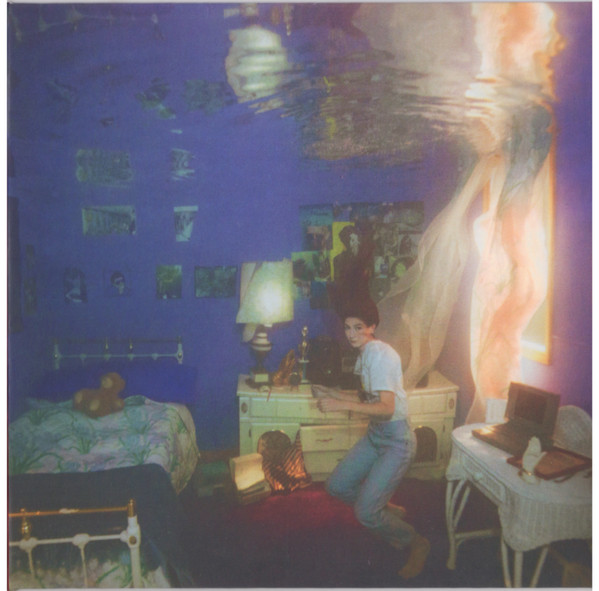
Linking up with Foxygen’s Jonathan Rado at Electro-Vox ignited a run of records that fully embraced the studio-as-instrument ethos of the mid-70s. Utilizing a massive array of vintage synthesizers and a dedicated session band, they built a wall of sound that felt both expensive and deeply anxious. Titanic Rising and its successors ditched the indie-folk trappings for full-blown orchestral arrangements that would have bankrupted a smaller label. It’s a massive, cinematic pivot where the hardware—specifically the Wurlitzers and lush string sections—dictates the emotional gravity of every track.
Influences
- The Carpenters — Mering has explicitly cited Karen Carpenter as a primary vocal blueprint for her delivery. You hear it in that rich, controlled alto and the way she lands on the low notes without any unnecessary vocal gymnastics. It’s about that specific brand of melancholic clarity.
- Joni Mitchell — The influence shows up in the unconventional chord progressions and the jazz-adjacent tunings Mering uses on her acoustic guitar work. She’s cited Hejira as a specific touchstone for moving beyond standard folk structures into something more fluid and atmospheric. It's the intellectual side of the singer-songwriter tradition.
- Harry Nilsson — The playful but tragic nature of her baroque arrangements owes a massive debt to Nilsson Schmilsson. You can hear the shared DNA in the way she uses grand, theatrical orchestration to deliver lyrics that are often sardonic or deeply isolated. It's the sound of a big room hiding a lonely voice.
- Nico — During her early noise-folk years, Mering was frequently compared to the Marble Index era of Nico, even covering 'These Days' in her live sets. That deadpan, harmonium-heavy drone was the foundation for her early vocal identity. It provided the template for her dark, gothic-folk beginnings.
- Enya — Mering has defended Enya’s multi-tracked vocal techniques in multiple interviews, specifically referencing the 'wall of sound' choral approach. You hear this in the massive, layered vocal harmonies that swell behind her lead lines on Titanic Rising. It’s high-concept New Age production applied to indie-rock songwriting.
Weyes Blood — solo
Their records — most-collected first.





Jackie-O Motherfucker
A project Weyes Blood was part of. Former member.


Around the web
Follow every record they touch.
Start your shelf and Gatefold tracks Weyes Blood's new pressings, tour dates, and the whole discography — automatically.
Start your shelf →Free forever. Works with 10 records or 10,000.