
Artist
W.A.S.P.
Los Angeles, United States
W.A.S.P. is a music group from Los Angeles, United States. Their discography on Gatefold includes 21 records.

21
Albums tracked
98
In collections
—
Since
Biography
Blackie Lawless spent the early eighties stapling raw meat to himself and tossing it into crowds, but the real weight of W.A.S.P. was always the sheer, desperate ambition behind the shock. They signed to Capitol Records after being the only band in L.A. that could out-filth Mötley Crüe, yet the debut record is a clinic in hook-heavy heavy metal songwriting that owed more to ABBA than it did to Satan. Blackie was a theater kid with a saw-blade codpiece, and he knew exactly how to weaponize the PMRC to sell records while Mike Varney and the Shrapnel guys were busy obsessing over scale patterns. By the time they hit 'The Headless Children' in '89, the blood-drinking schtick was rotting out, replaced by a genuine obsession with legacy and heavy-duty arrangements. They swapped out the Sunset Strip hedonism for Ken Scott—the guy who engineered 'Hunky Dory' and 'Ziggy Stardust'—to handle the board. It was a massive pivot toward the 'serious' rock opera territory that would eventually define Blackie’s headspace for the next three decades, proving he was less interested in being a circus act and more interested in being the next Pete Townshend.
Bio from The Clerk
The Arc of W.A.S.P.
The pivots — what forced W.A.S.P. to reinvent.
The Raw Meat Years
The 1984 debut and 'The Last Command' were built on the back of Tony Richards and Randy Piper providing a gritty, street-level foundation for Blackie’s melodic bark. Capitol Records was terrified of 'Animal (F**k Like a Beast),' so the band released it on Music for Nations just to prove they couldn't be tamed while still collecting major label checks. You hear a band trying to out-shout the hair metal explosion with genuine venom and a massive, gated drum sound that made them sound twice as large as their peers.
The Ken Scott Pivot
Bringing in Ken Scott for 'The Headless Children' changed the frequency of the band, shifting from party anthems to socio-political grandiosity and acoustic textures. With Frankie Banali of Quiet Riot taking over the throne, the rhythm section became a freight train, and Chris Holmes’ guitar work turned from flashy to foundational. This is where the songwriting got dense, ditching the leather-and-studs tropes for Hammond organs and a darkness that felt earned rather than performed.
The Solitary Idol
By 1992, W.A.S.P. was essentially a Blackie Lawless solo project disguised as a band, resulting in 'The Crimson Idol'—a concept record recorded almost entirely at Blackie's personal Fort Apache studio. He spent nearly three years obsessing over the narrative of Jonathan Steel, playing drums and bass on a large chunk of the tracks himself after a falling out with Holmes. The result is a high-water mark for the genre, featuring a massive, layered production style that traded the grit of the early days for a clean, cinematic intensity.
The Industrial Turn
After the grunge explosion made 80s metal a punchline, Blackie pivoted hard toward the abrasive, digital filth of 'Kill Fuck Die' in 1997. He brought Chris Holmes back into the fold and started playing with loops, distortion, and a nihilism that felt like a response to the success of Nine Inch Nails. It’s the ugliest record in the catalog, ditching the grand melodies for a jagged, industrial-adjacent sound that shocked the fans who were still stuck in the 1984 mindset.
Influences
- The Who — Blackie has cited 'Tommy' and 'Lifehouse' as the blueprints for his narrative obsession. You hear it in the recurring motifs on 'The Crimson Idol' and his constant pursuit of the high-concept rock opera format. Pete Townshend's aggressive acoustic strumming is the DNA of Blackie's own rhythm guitar style.
- Alice Cooper — The entire W.A.S.P. live show was built on the foundation of Cooper’s grand guignol theater. Beyond the blood and makeup, Lawless borrowed Alice's knack for writing radio-ready choruses that masked the darkness of the lyrics. It’s the marriage of the macabre and the melodic.
- Kiss — Before W.A.S.P., Blackie actually filled in for Ace Frehley during a brief Kiss transition period in the 70s. He took their 'bigger than life' branding and merch-heavy mindset to the L.A. club scene. You hear the Gene Simmons influence in the stomping, mid-tempo anthems that dominated 'Inside the Electric Circus.'
- The New York Dolls — Blackie did a brief stint in the Dolls during their dying days in 1975, following Johnny Thunders' departure. That raw, pre-punk sleaze is the secret ingredient in the first W.A.S.P. record. It gave them a street-level filth that most of the polished L.A. hair bands lacked.
- The Beatles — Lawless has repeatedly pointed to the White Album as his education in studio arrangement and melody. For all the talk of chainsaws and torture, W.A.S.P. songs are built on a bedrock of 60s pop sensibility. The vocal harmonies on tracks like 'Wild Child' are straight out of the Lennon-McCartney playbook.
Discography
Their records — most-collected first.
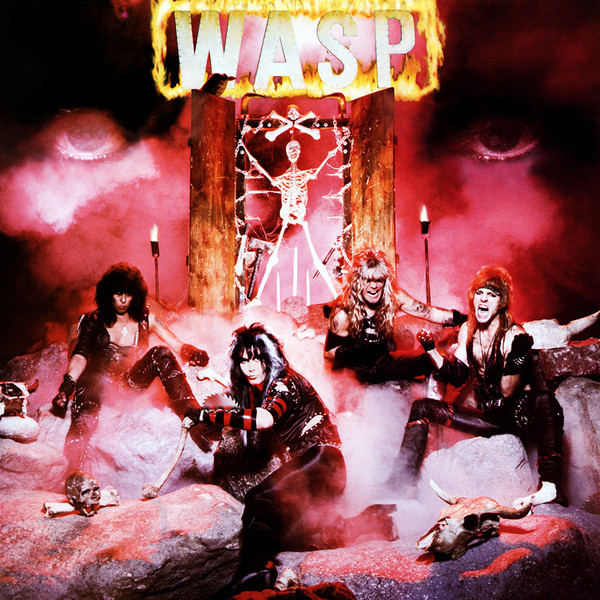
W.A.S.P.
1984
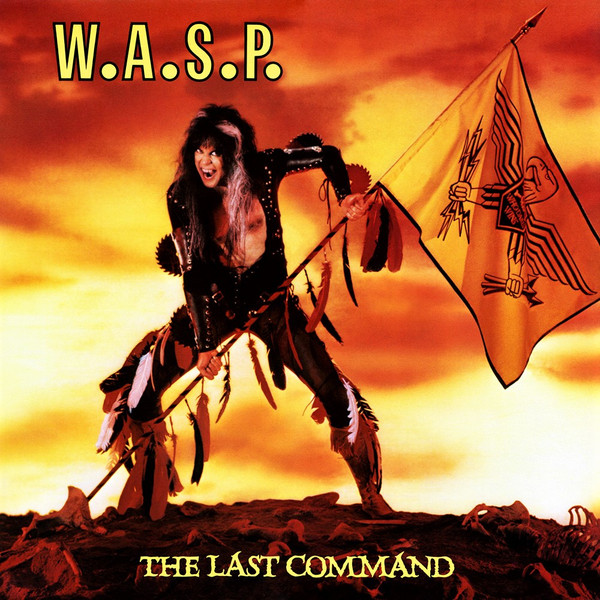
The Last Command
1985
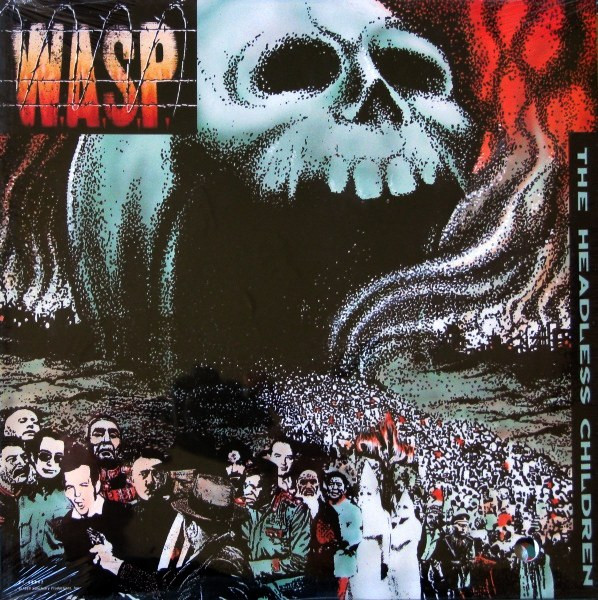
The Headless Children
1989
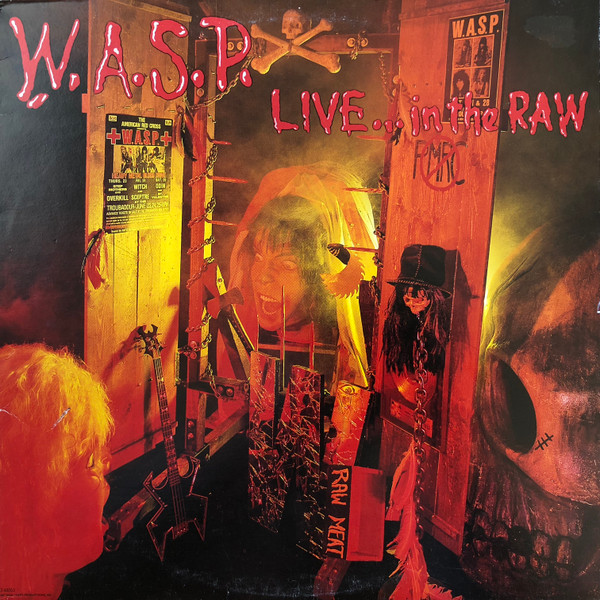
Live... In The Raw
1987
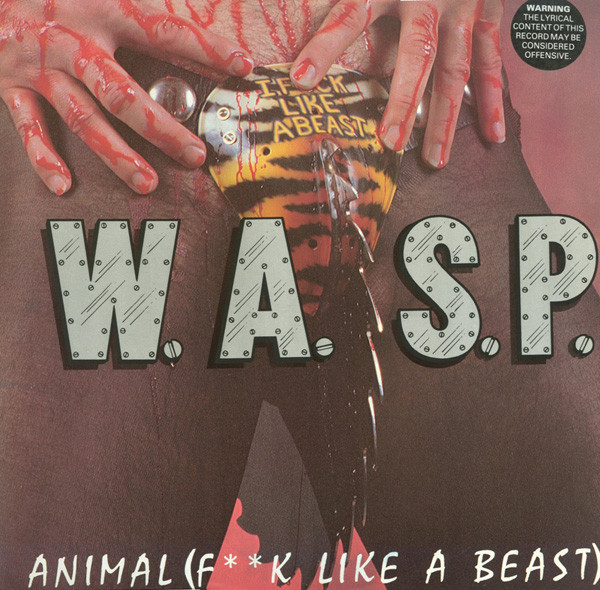
Animal (F**k Like A Beast)
1984
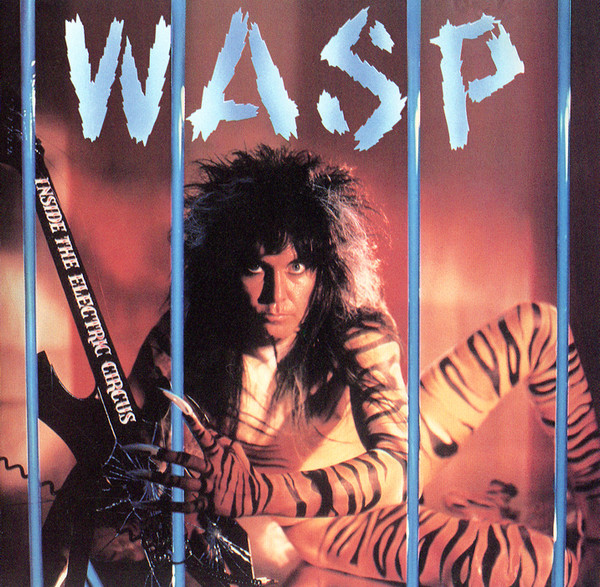
Inside The Electric Circus
1986

The Crimson Idol
1992

Golgotha
2015

Babylon
2009

Dominator
2007

The Best Of The Best 1984-2000
2000
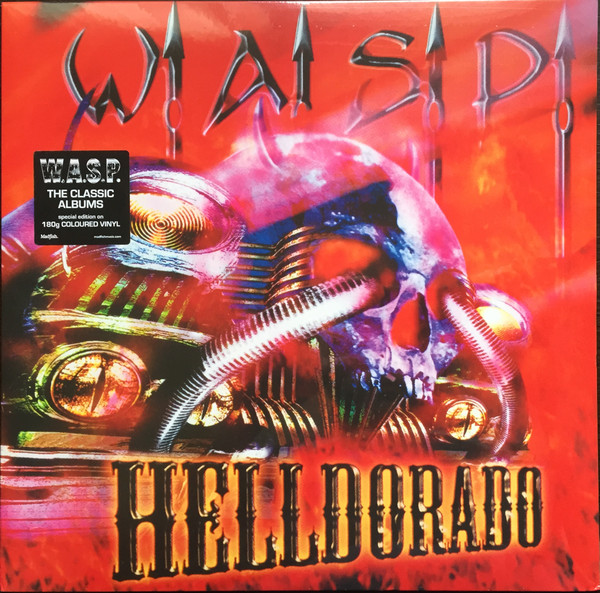
Helldorado
1999

Double Live Assassins
1998
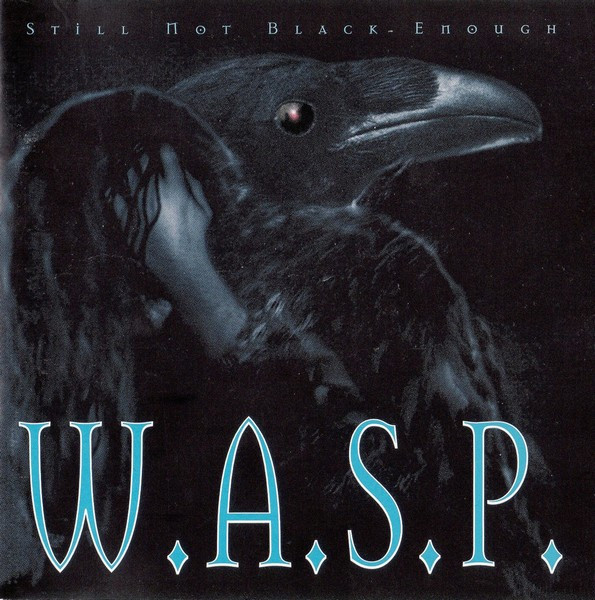
Still Not Black Enough
1995
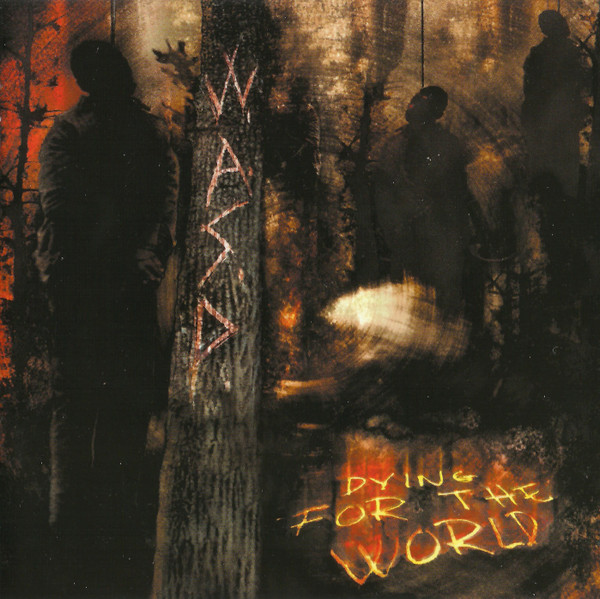
Dying For The World
2002

Forever Free
1989

Scream Until You Like It (Theme From 'Ghoulies II')
1987
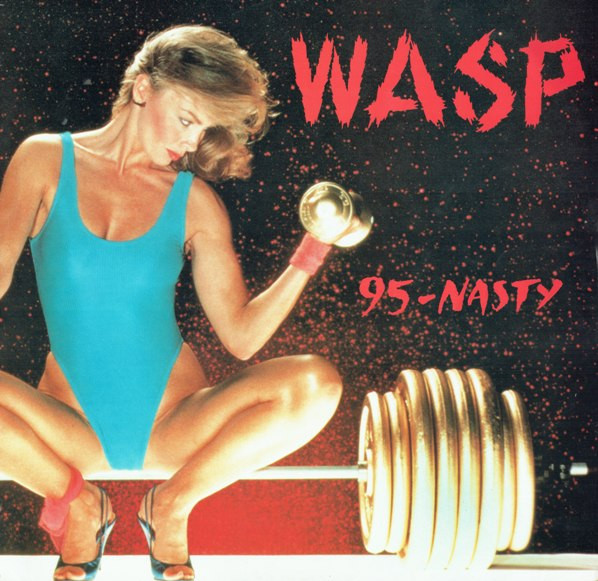
9.5. - N.A.S.T.Y.
1986

Wild Child (The Wild Remix)
1986

W.A.S.P. & The Last Command

The Idol
1992
Related artists
Members
Around the web
Follow every record they touch.
Start your shelf and Gatefold tracks W.A.S.P.'s new pressings, tour dates, and the whole discography — automatically.
Start your shelf →Free forever. Works with 10 records or 10,000.