
Artist
Van Halen
Pasadena, United States · 1972 – 2019
Van Halen is a music group from Pasadena, United States, active 1972–2019. Their discography on Gatefold includes 24 records.

39
Albums tracked
1,132
In collections
1972
Since
Biography
Eddie Van Halen didn't have the money for a fancy rig, so he took a chisel to a $50 ash body and shoved a Gibson PAF humbucker into it, potted the pickup in paraffin wax to stop the squealing, and changed the fucking world. Ted Templeman heard them at the Starwood and realized he didn't need to overproduce them; he just needed to capture the sound of a PA system melting. That first record is basically a live set with a few overdubs, tracked in three weeks at Sunset Sound. It made every other guitar player in 1978 look like they were playing with oven mitts on. By the time they hit 1984, the tension between Eddie’s obsession with the Oberheim OB-Xa synth and David Lee Roth’s desire to remain a vaudeville ringleader reached a breaking point. They were the biggest band on the planet, but they were barely speaking. Donn Landee, their engineer who basically became a fifth member, helped Eddie build 5150 Studios just so he could escape the label and the band's scrutiny. You can hear that independence in the tracks—it’s the sound of a guy finally getting to play the weird melodies in his head without someone breathing down his neck about 'keeping it rock.'
Bio from The Clerk
The Arc of Van Halen
The pivots — what forced Van Halen to reinvent.
The Templeman Years
Ted Templeman brought the same discipline he used on the Doobie Brothers to a bunch of Pasadena backyard party kids. He panned Eddie’s guitar hard left and drenched the reverb on the right, creating a massive club-room sound that felt like the band was leaning against your speakers. This era is defined by Michael Anthony’s high-tenor backing vocals and a terrifyingly efficient recording process where most tracks were finished in a handful of takes. It’s the rawest the band ever sounded before the machinery of fame started to polish the edges.
The 5150 Pivot
When Roth walked and Sammy Hagar stepped in, the band stopped being a circus and started being a corporate juggernaut. Eddie moved into his home studio full-time, which swapped the grit of Sunset Sound for a slicker, mid-heavy production style that dominated the late 80s. The songs got longer and the synthesizers moved from the background to the front of the mix. It was a massive commercial success that traded the dangerous unpredictability of the early days for a polished, arena-ready professionalism.
The 1996 Collision
The wheels finally came off when the band tried to pivot toward the grunge era by hiring Extreme's Gary Cherone and working with producer Mike Post. The result, Van Halen III, was a mess of over-indulgent track lengths and a confused identity that lacked both Roth's swagger and Hagar's hooks. Eddie was playing everything—bass, keyboards, and guitar—which led to a dense, cluttered sound that lacked the rhythmic swing Alex and Michael Anthony used to provide. It effectively mothballed the band as a creative unit for over a decade.
Influences
- Cream — Eddie famously claimed he learned every single Eric Clapton solo from the Cream era note-for-note at half-speed. You hear it in the way he approaches the 'power trio' format, filling the space during Alex’s drum fills with aggressive, fluid blues runs. It’s the foundation of his entire improvisational style.
- The Kinks — They covered 'You Really Got Me' on their debut because they had been hammering it out in bars for years. The Davies brothers gave them the blueprint for the short, sharp, distorted riff as the center of a pop song. It’s why, despite the guitar pyrotechnics, the band always stayed anchored in three-minute radio anthems.
- The Dave Clark Five — Alex Van Halen obsessed over the big, booming drum sound of the DC5 to the point of mimicry. He wanted that thumping, aggressive snare hit that could cut through a wall of guitars. It’s the reason the 'Van Halen swing' exists; it’s a 60s pop beat played with heavy metal velocity.
- Allan Holdsworth — Eddie spent years championing Holdsworth in the press and even helped him get a deal with Warner Bros. You hear Holdsworth’s influence in Eddie’s 'sheets of sound' legato runs and those wide-interval stretches that don't follow standard blues scales. It’s the jazz-fusion DNA hidden inside a hard rock shell.
- ZZ Top — Before they went synth-heavy, Billy Gibbons was the master of the 'brown sound'—that warm, saturated tube distortion Eddie spent his life chasing. They shared a love for artificial harmonics and that Texas-style grease. Listen to the swagger on 'Women in Love' and you’ll hear the Tres Hombres influence all over the rhythm tracks.
Discography
Their records — most-collected first.
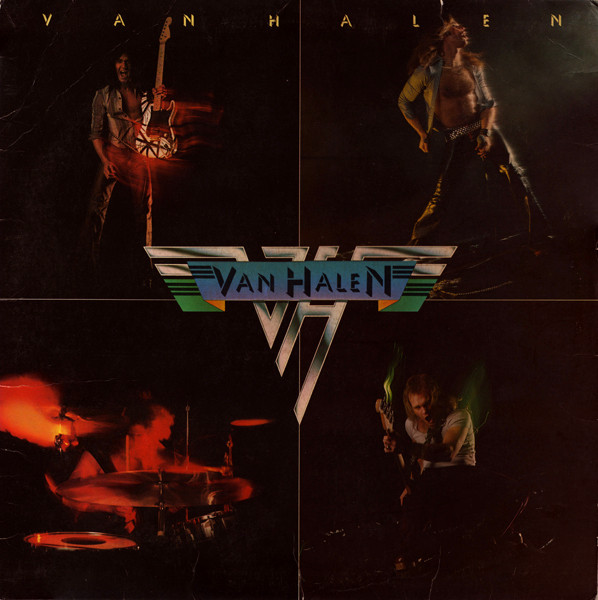
Van Halen
1978
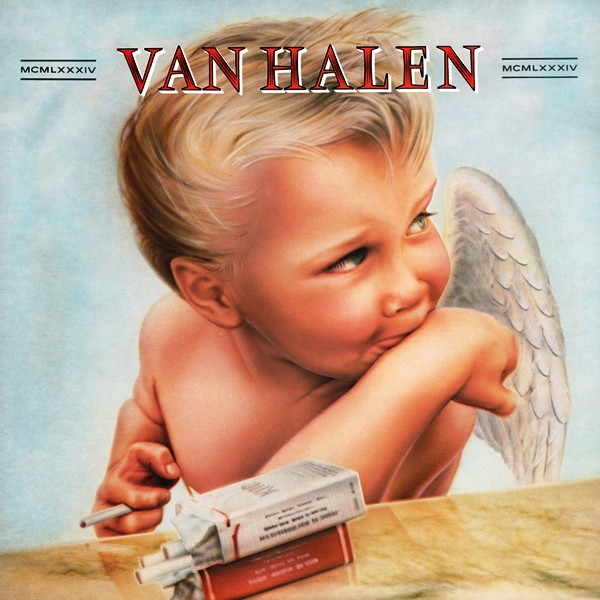
1984
1984
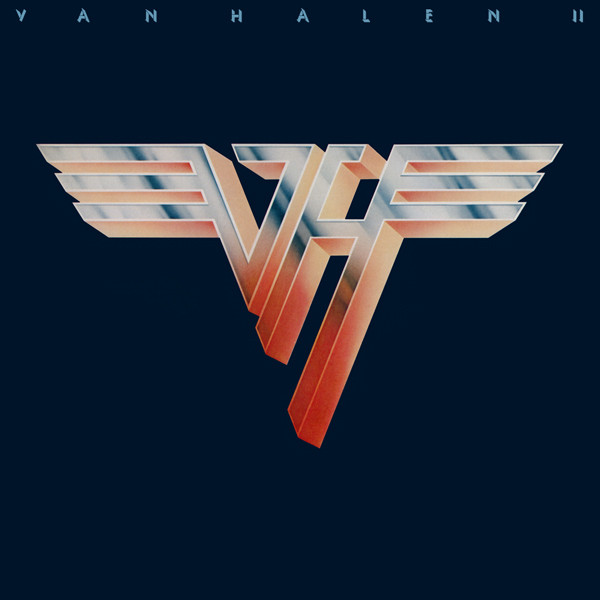
Van Halen II
1979
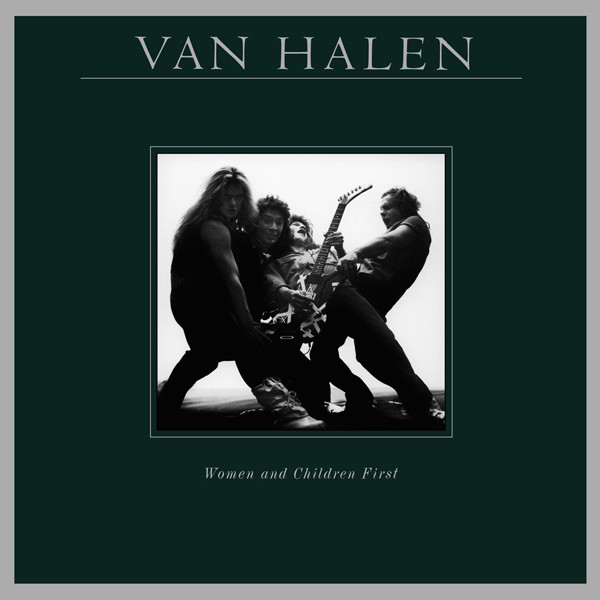
Women And Children First
1980
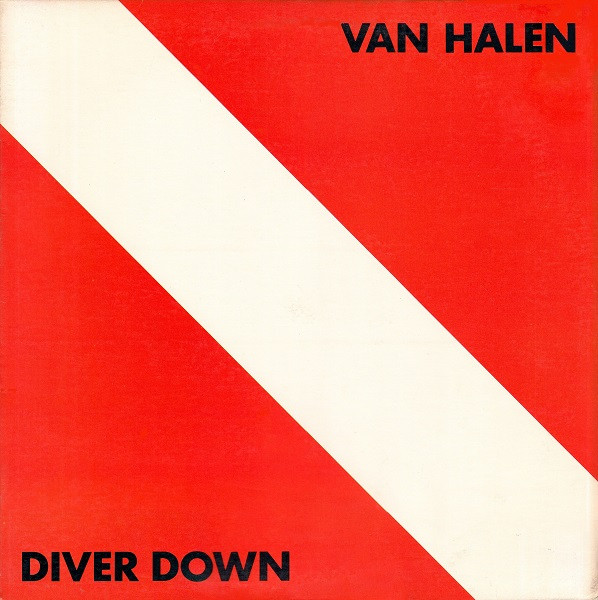
Diver Down
1982
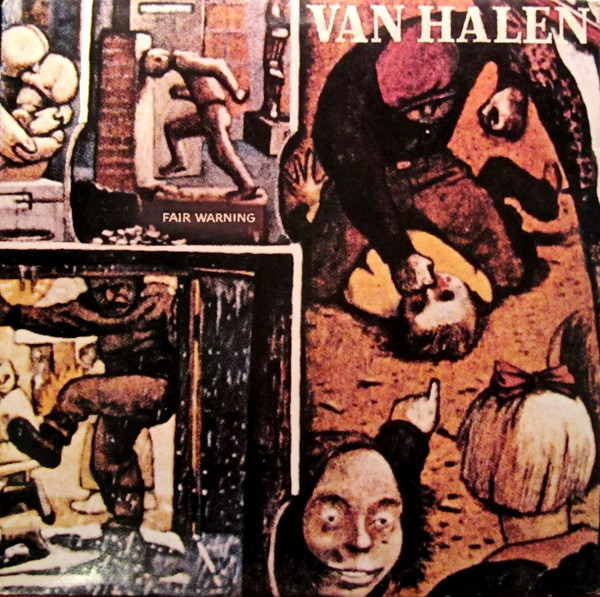
Fair Warning
1981
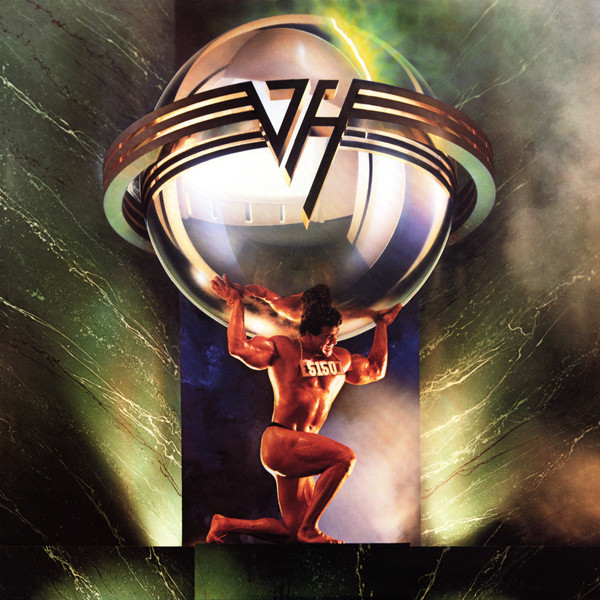
5150
1986
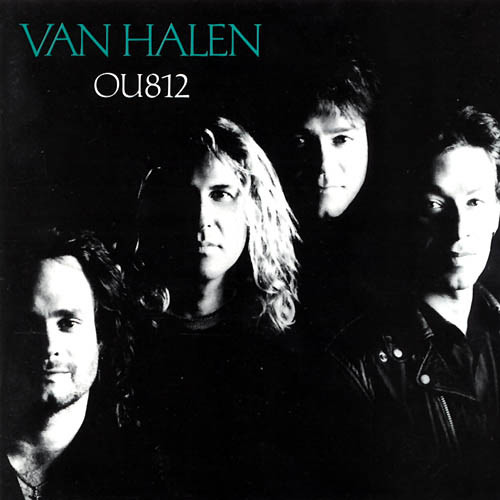
OU812
1988
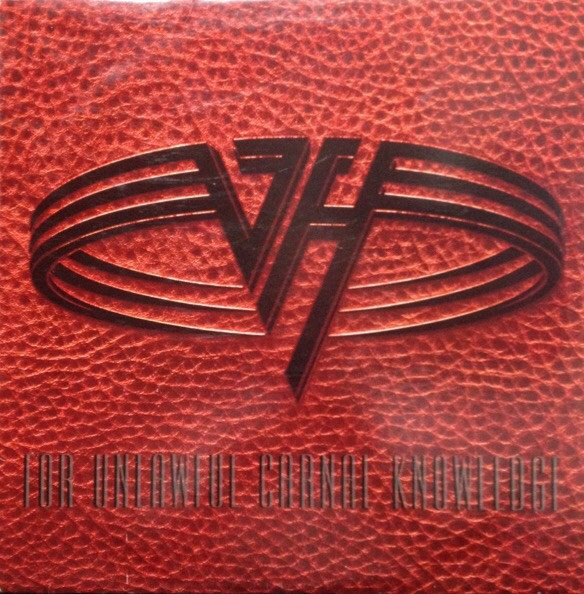
For Unlawful Carnal Knowledge
1991
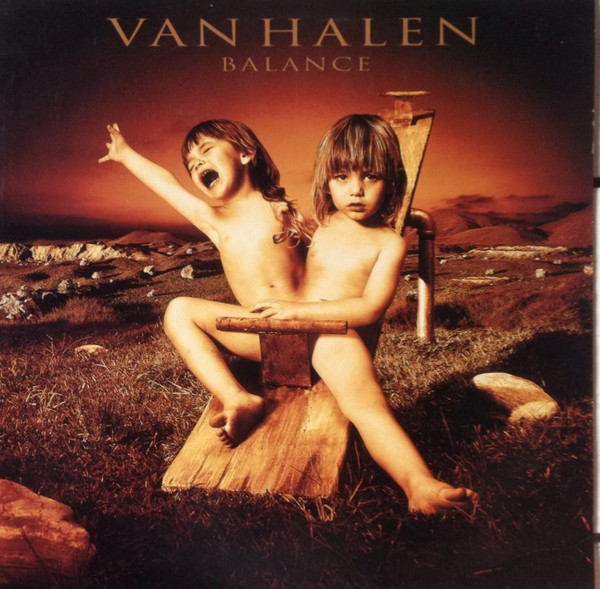
Balance
1995
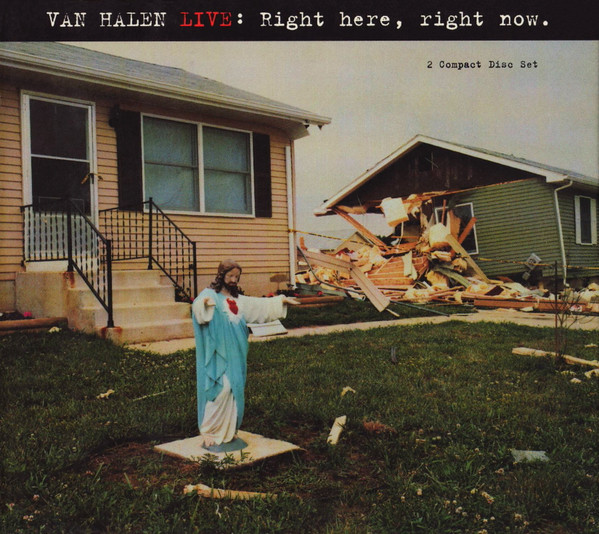
Live: Right Here, Right Now.
1993
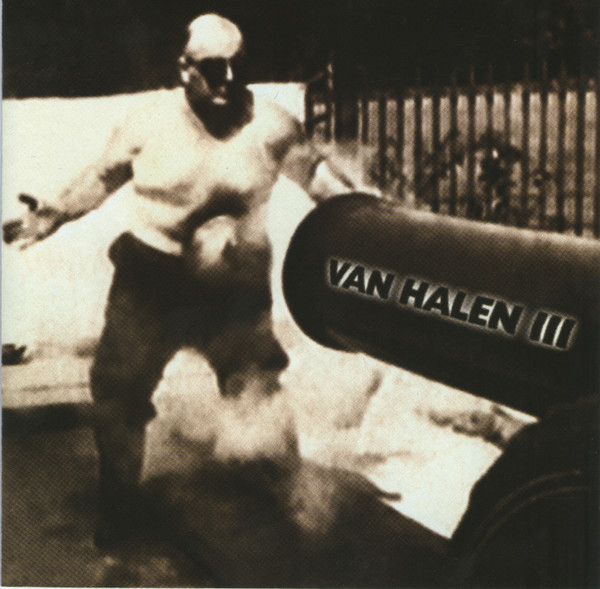
Van Halen III
1998

Best Of Volume I
1996
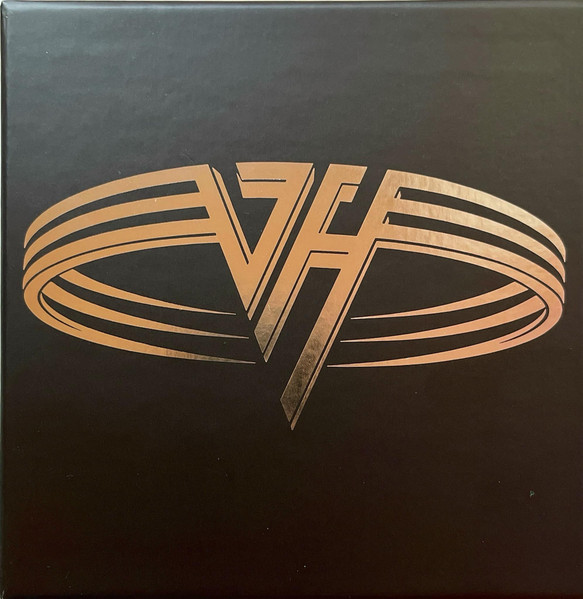
The Collection II
2023
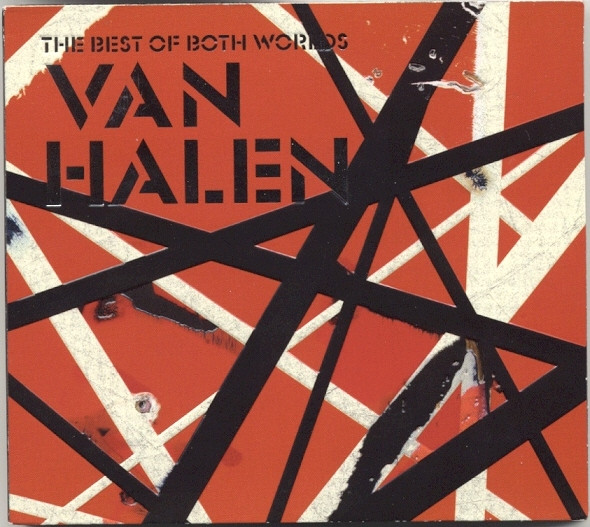
The Best Of Both Worlds
2004

Box 1978-1984
1997
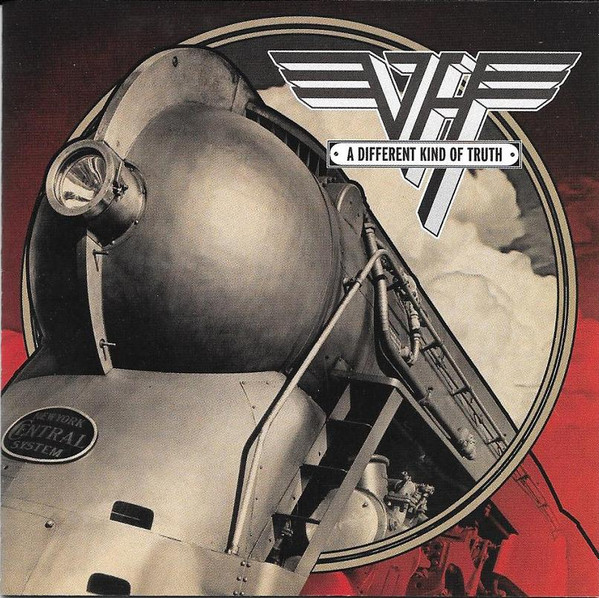
A Different Kind Of Truth
2012

Zero
1994

Live In Dallas 1991
2024
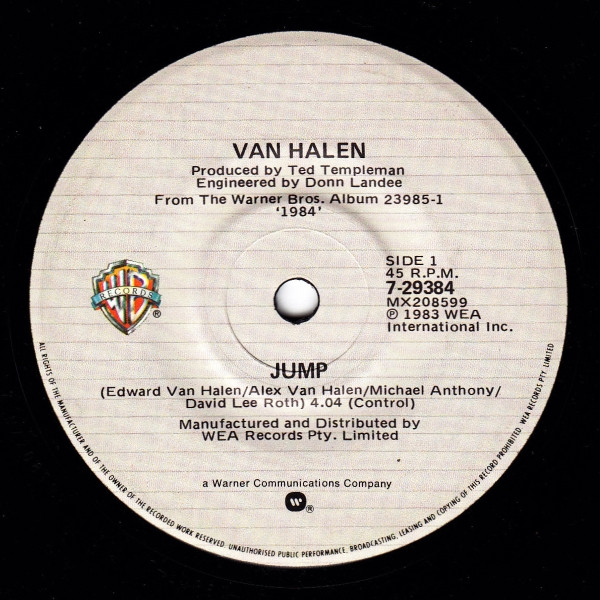
Jump!
1983

Why Can't This Be Love
1986

Live In New Haven 1986
2026

Live At Wembley 1995
2025

The Triple Album Collection
2012
Related artists
Around the web
Follow every record they touch.
Start your shelf and Gatefold tracks Van Halen's new pressings, tour dates, and the whole discography — automatically.
Start your shelf →Free forever. Works with 10 records or 10,000.